Buyers relocating to the Detroit metro area often narrow their search to Oakland County for its robust local economy and varied housing stock. Choosing the right suburb requires balancing daily commute times, property tax rates, and specific lifestyle preferences. The local real estate landscape shifts dramatically depending on which side of the municipal borders you choose to settle.
A common comparison emerges when looking at the real estate markets of Troy and Clawson. These two neighboring municipalities offer entirely different approaches to suburban living, from commercial density to historic downtown walkability. Exploring both areas reveals stark contrasts in lot sizes, retail access, and overall community scale.
Understanding the nuances of the troy mi vs clawson market in 2026 will help you determine which community aligns with your budget and daily routine. The decision generally comes down to prioritizing a highly walkable footprint or maximizing lot size and retail access. Evaluating these factors upfront prevents costly compromises later in the home-buying process.
Real Estate Market and Home Prices in Troy vs. Clawson
The overall property values in Oakland County continue to reflect strong demand through early 2026. Navigating the real estate market in these two cities reveals a significant pricing gap driven by lot sizes, housing styles, and municipal amenities. Buyers must align their financing expectations with the distinct inventory available in each zip code.
Troy currently commands a median home price of approximately $425,000 to $445,000, reflecting its sprawling subdivisions and newer construction. In contrast, Clawson offers a more accessible entry point, with median property values hovering around $300,000 to $320,000. This $100,000-plus price difference fundamentally alters the purchasing power required for each location.
From an investment perspective, Clawson presents an excellent opportunity for first-time buyers looking to secure a property near major regional hubs without overextending their budget. Troy remains the superior choice for move-up buyers seeking maximum square footage and long-term neighborhood stability. Both markets exhibit strong historical appreciation, but they cater to entirely different stages of homeownership.
Clawson’s Accessible Housing Market
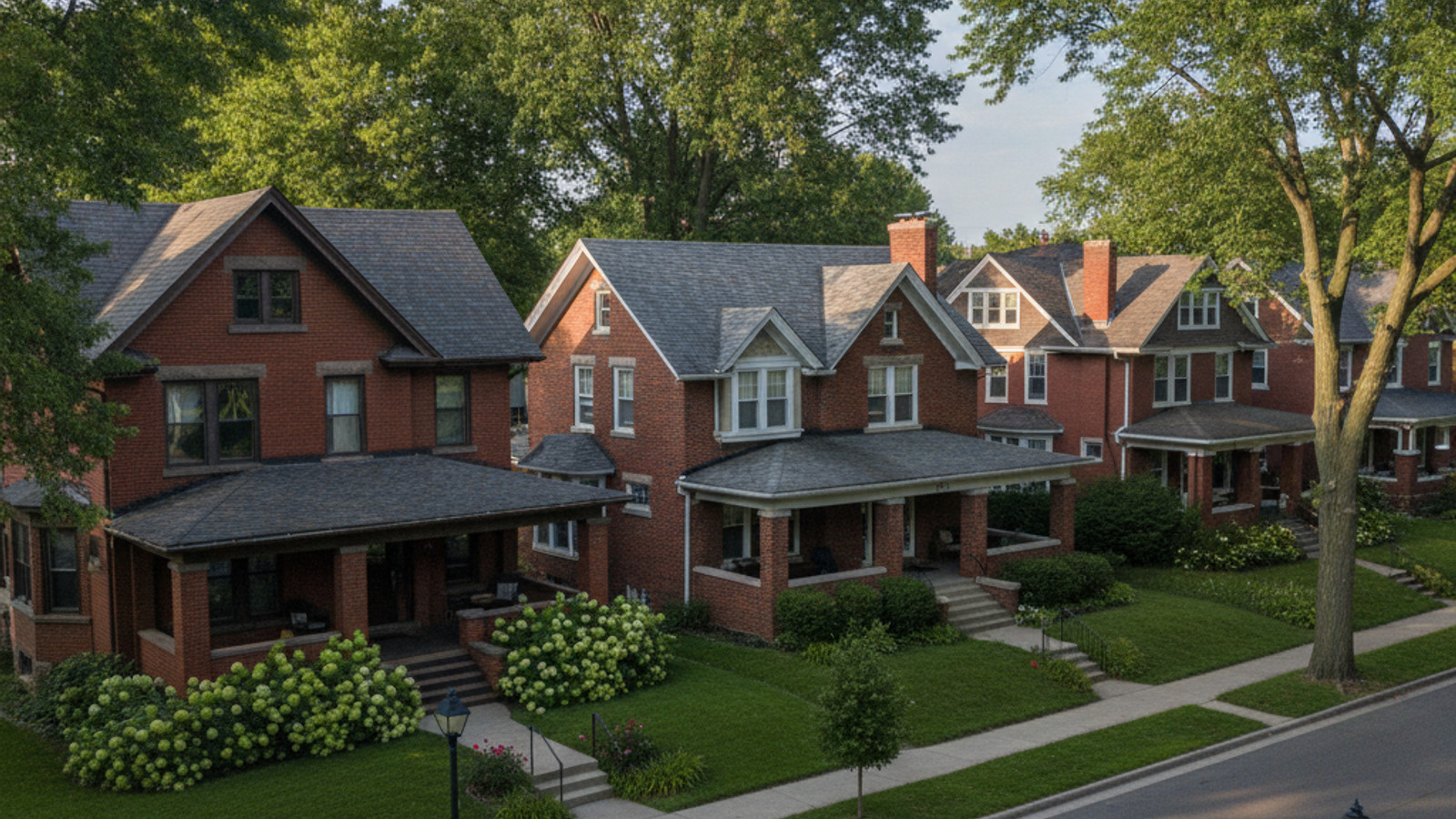
The reality of living in Clawson involves a housing stock consisting heavily of mid-century ranches and classic bungalows situated on smaller, easily maintained lots. This dense residential layout contributes to a fast-paced environment where homes frequently go pending in roughly 12 to 22 days. Buyers must act decisively and submit strong offers to secure properties in this high-velocity market.
Buyers often view Clawson as a practical alternative to neighboring Royal Oak and Berkley. It delivers a similar neighborhood feel and architectural style while keeping purchase prices slightly lower. The reduced financial barrier to entry makes it a strategic choice for those wanting centralized Oakland County access.
Troy’s High-Demand Real Estate Dynamics
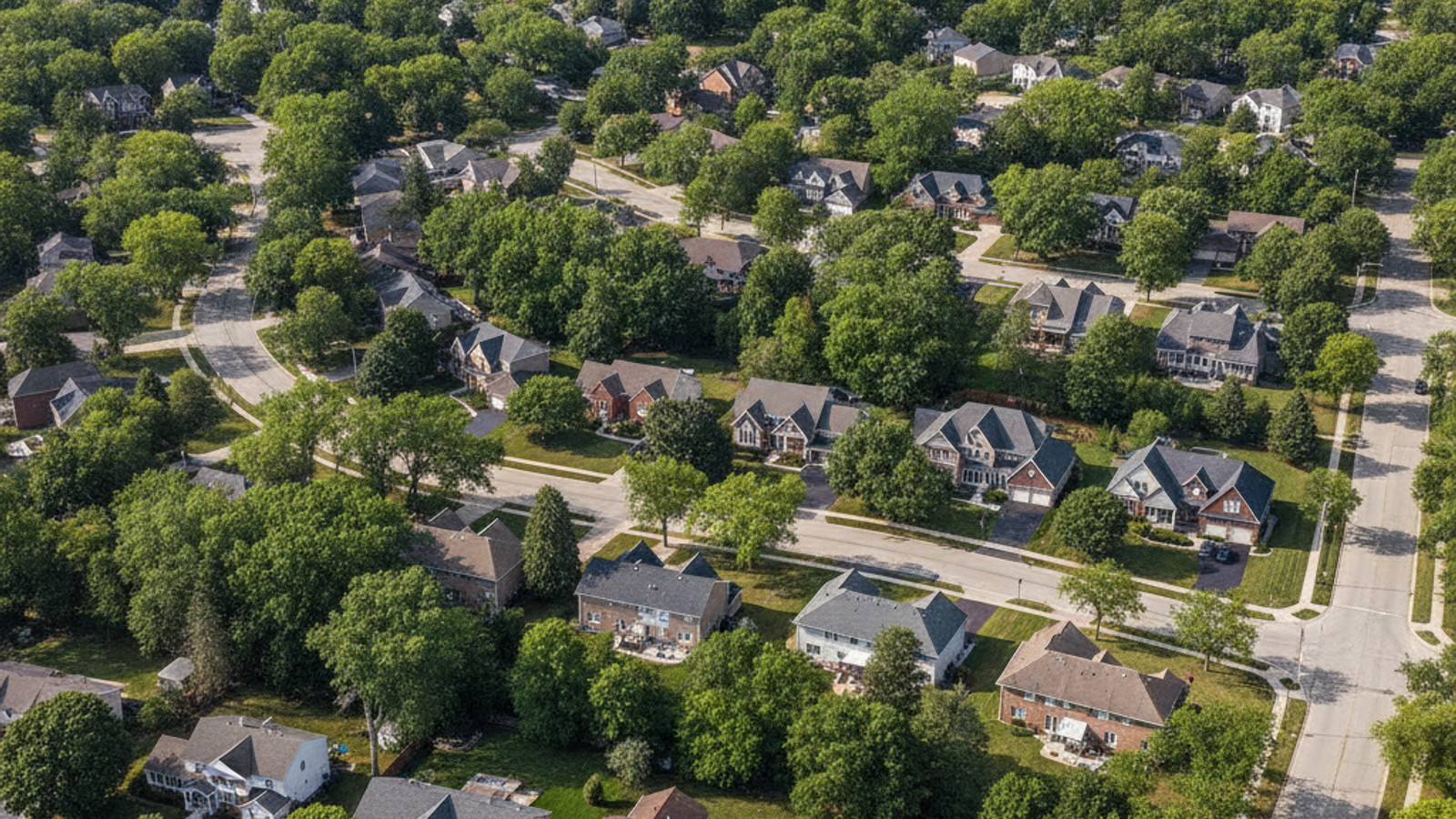
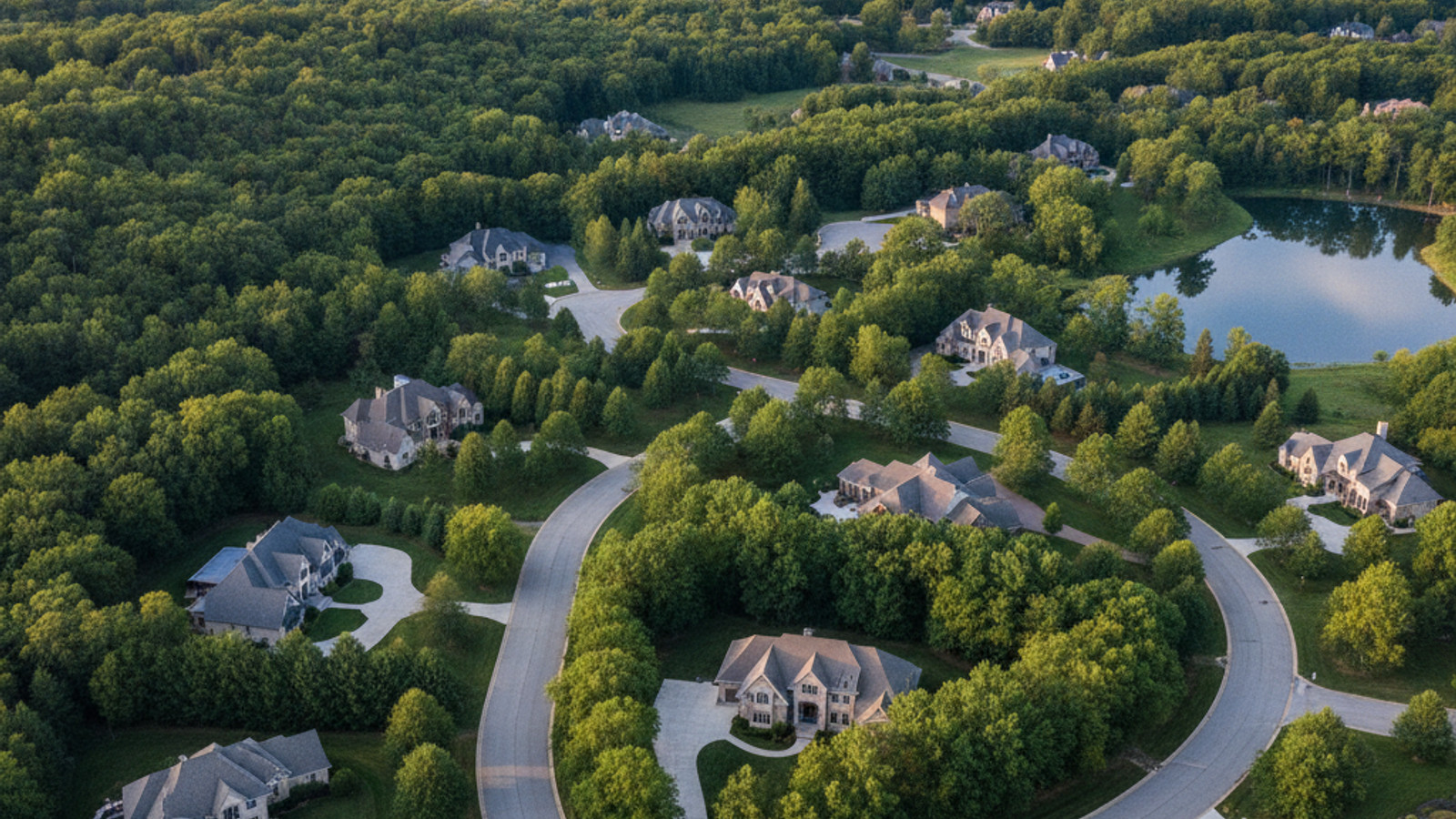
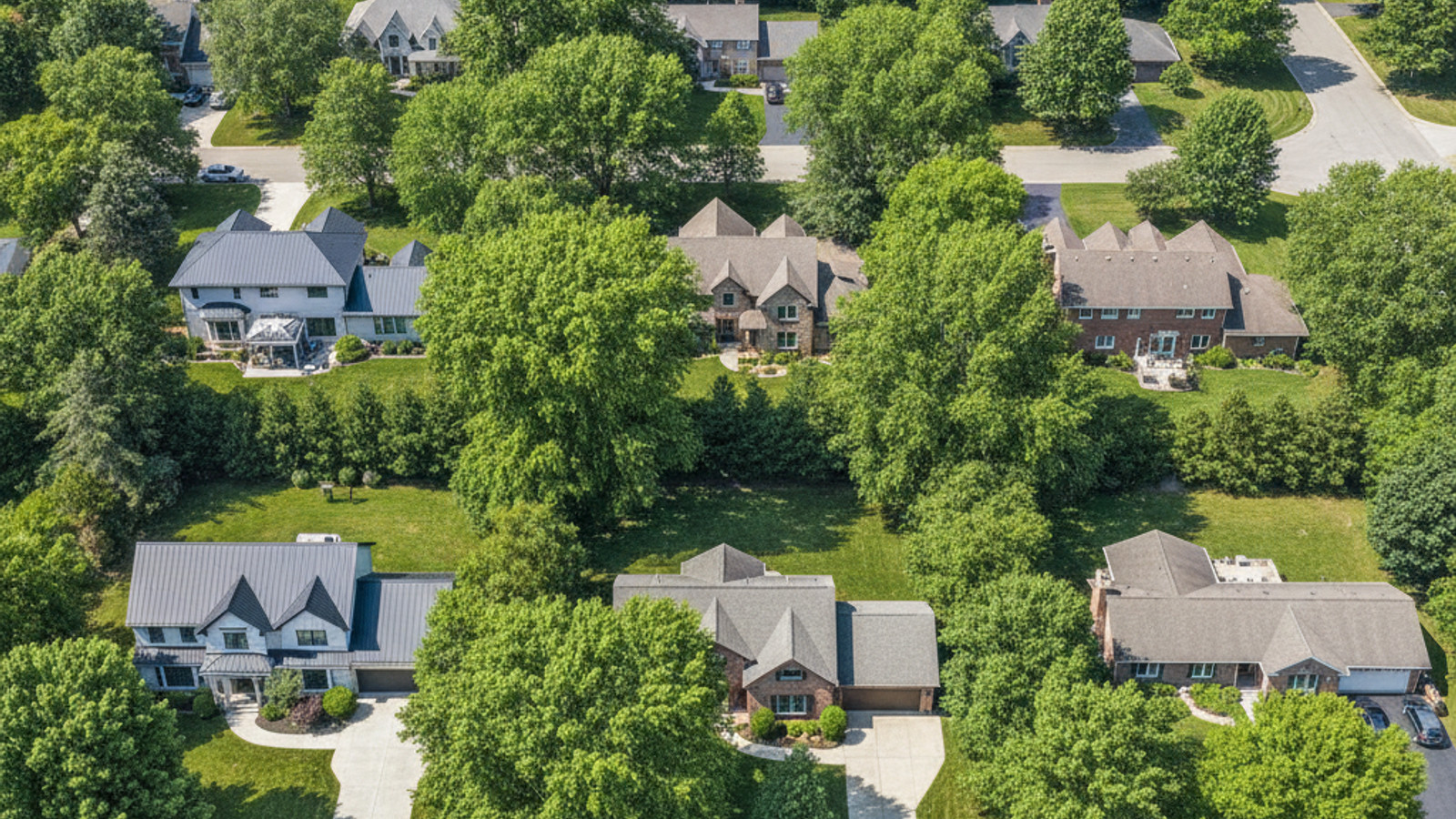
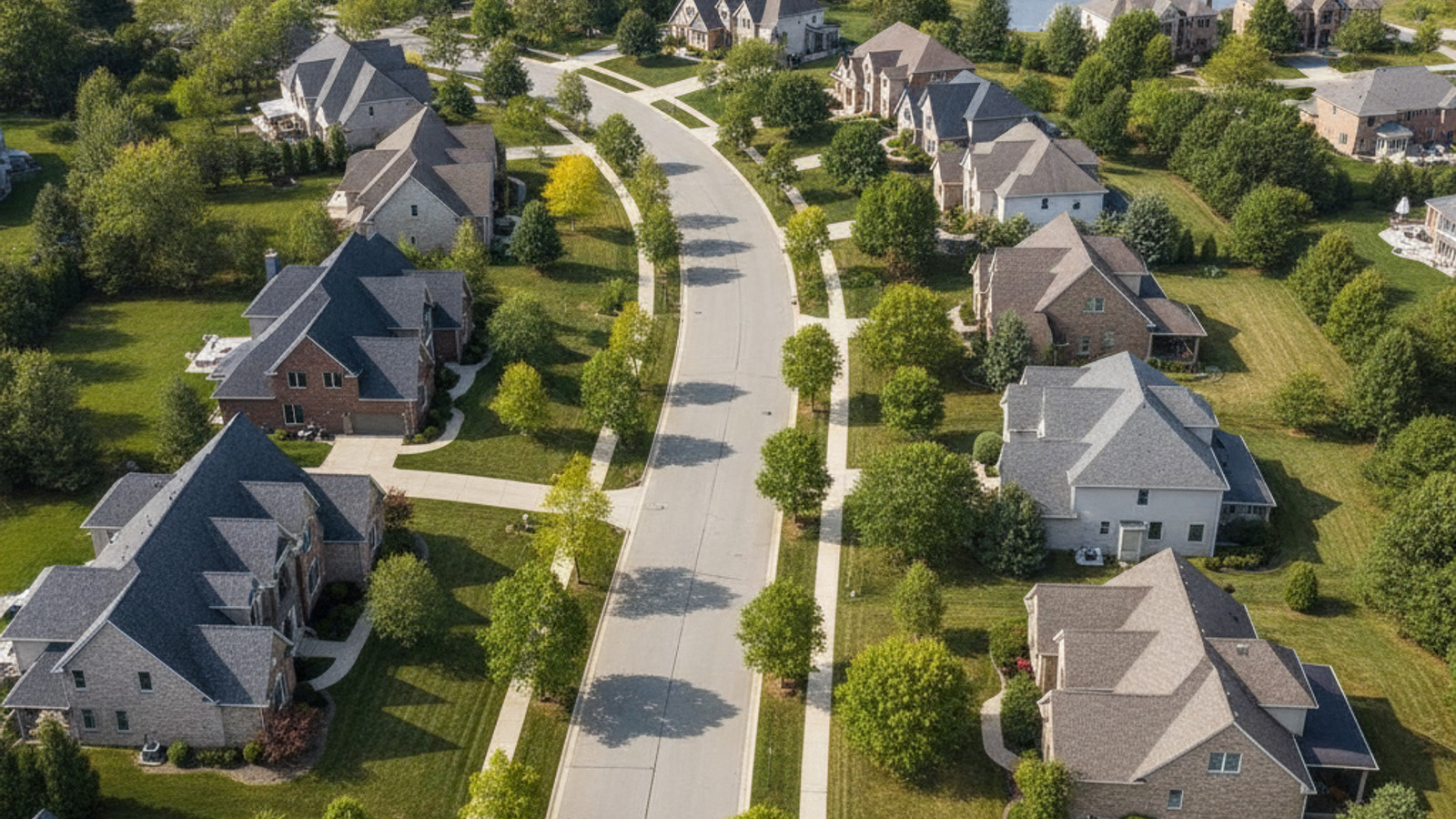
When browsing homes for sale in Troy, you will notice a completely different architectural landscape dominated by larger single-family homes and expansive subdivisions. Properties here typically sit on much larger parcels, offering substantial backyard space and increased privacy between neighbors. The housing inventory frequently includes modernized colonial layouts and custom-built newer construction.
The market pace in Troy is slightly more measured, with an average time to pending of 25 to 28 days. This steady absorption rate underscores the historical appreciation and long-term holding patterns typical of the city’s real estate environment. Sellers in this market generally experience predictable transaction timelines without the frantic bidding wars seen in smaller suburbs.
Local Educational Infrastructure Comparison
School district boundaries play a massive role in long-term property appreciation across Oakland County. Buyers evaluating these two municipalities will find distinctly different educational models catering to the local populations. Understanding how these systems operate is vital even for buyers who do not plan to utilize the public schools.
The differences in scale, funding, and objective state rankings directly influence the premium buyers are willing to pay for homes. A larger district often provides a wider array of specialized facilities, while a smaller district offers centralized, easily accessible campuses. The local tax structure heavily supports both systems to maintain their respective infrastructures.
Paying the premium for a highly ranked, massive district makes sense if you value extensive extracurricular infrastructure. However, a smaller, centralized district can offer a more cohesive community footprint without the associated housing markup. Your real estate budget should reflect which educational model aligns best with your long-term goals.
Troy School District Overview
The Troy School District operates on a massive scale, encompassing multiple elementary schools, middle schools, and high schools. Approximately 95% of K-12 students living in Troy attend these public schools, reflecting strong community utilization. The sheer size of the district allows for specialized academic programs and extensive athletic facilities.
The district holds a strong reputation, achieving a number three ranking in Michigan for 2026 by Niche. Recent voter support, including a 1.5-mill enhancement millage, continues to generate dedicated per-pupil funding for facility and academic upgrades. This consistent financial backing helps maintain property values across the district boundaries.
Clawson Public Schools Overview
Clawson Public Schools feature a close-knit, smaller scale that aligns with the city’s compact geographic footprint. The educational facilities are centrally located, making the commute to school incredibly short from nearly any neighborhood in the city. This localized approach minimizes transportation times and integrates the campuses directly into the residential areas.
For 2026, Clawson Public Schools ranked number 198 in Michigan by Niche. The smaller student body creates a distinct student-teacher dynamic that contrasts sharply with the sprawling campuses found in neighboring districts. Buyers prioritizing a localized, easily navigable school system often gravitate toward this municipal setup.
Lifestyle, Amenities, and Downtown Experiences
Urban planning and commercial zoning strictly define the daily experience in both of these Metro Detroit suburbs. The choice between them often hinges entirely on how you prefer to spend your weekends and access local amenities. Evaluating the physical layout of each city helps clarify which environment fits your lifestyle.
One city embraces a pedestrian-centric model with localized retail, while the other serves as a regional powerhouse for luxury shopping and corporate dining. Buyers must decide if they value walking to a local coffee shop or driving to a premier retail destination. The built environment directly impacts how residents interact with their local economy.
In my professional opinion, the walkability of a centralized downtown provides a more engaging daily routine. However, the sheer volume of commercial options in a larger municipality cannot be ignored for its convenience. Both models offer distinct advantages depending on your tolerance for vehicle dependence.
Walkability and Dining in Downtown Clawson
Downtown Clawson offers a highly walkable district anchored near the intersection of 14 Mile Road and Main Street. Residents enjoy easy pedestrian access to local dining staples, independent shops, and a rapidly growing brewery scene. Leaving the car in the driveway for a weekend evening is a realistic and common practice here.
The municipal infrastructure also prioritizes accessible green spaces, notably Clawson City Park. This centralized layout ensures that most residents are never more than a short walk or bike ride from civic amenities. The integration of parks and retail creates a highly functional downtown footprint.
Shopping and Large-Scale Retail in Troy
Troy operates as a major commercial hub, anchored by the Somerset Collection and its more than 180 specialty luxury stores. The Big Beaver corridor features a heavy concentration of corporate headquarters, upscale steakhouses, and expansive retail centers. This density of high-end commercial real estate draws visitors from across the entire state.
Navigating Troy requires a vehicle, as the city’s pedestrian infrastructure is limited by multi-lane thoroughfares. The trade-off for this car-dependent layout is immediate access to some of the most comprehensive shopping options in Michigan. Residents accept the necessity of driving in exchange for unparalleled commercial convenience.
Location, Commute, and Property Taxes
Practical considerations like highway access and property tax rates are critical when calculating your long-term housing budget. Both municipalities are centrally located within the Detroit metro area, but their exact positioning alters daily commute times. Mapping out your route to work is a mandatory step before submitting a purchase offer.
Michigan calculates property taxes based on taxable value, which generally caps annual increases until a property is sold. Understanding the local millage rates is essential for accurately estimating your monthly mortgage payment. The transition of ownership triggers a reassessment that resets the taxable value to current market conditions.
Buyers should balance a slightly longer commute against the benefits of lower property tax liabilities. A shorter drive to downtown Detroit might save time, but a different municipality could offer a more favorable effective tax rate. Running the exact numbers with your real estate agent ensures there are no surprises at the closing table.
Accessing I-75 and Commuting to Detroit
Both cities rely heavily on the I-75 corridor for regional transit and daily commuting. Clawson sits approximately 14 miles from downtown Detroit, making for a relatively straightforward drive during standard traffic conditions. The proximity to this major artery allows for efficient travel across the metropolitan area.
Troy is located further north, pushing the commute distance to approximately 22 miles from the city center. Residents in both areas also have access to regional public transit options, including the SMART bus system, for alternative commuting routes. Factoring in rush hour congestion is crucial for buyers working in the central business district.
Property Taxes and Millage Rates
The effective property tax rate in Clawson generally ranges from 1.33% to 1.42% of a home’s market value. This rate helps fund the centralized city services and local infrastructure that define the municipality. The predictable tax structure aids in long-term financial planning for local homeowners.
Troy residents must account for different local millages, including the recently approved 2026 1.5-mill enhancement millage. Buyers should always verify exact tax obligations based on the specific school district boundaries and neighborhood assessments before closing on a home. The higher property values in Troy naturally result in larger annual tax bills regardless of the base millage rate.
Frequently Asked Questions
Is Clawson, Michigan a good place to live?
Clawson offers a highly walkable, compact environment with excellent access to local dining and municipal parks. The real estate market moves quickly here, with homes averaging 12 to 22 days on the market before going pending. It provides a distinct small-town atmosphere while remaining centrally located in Oakland County.
Should I move to Clawson, Royal Oak, Berkley, or Troy, Michigan?
Your choice depends on whether you prefer a pedestrian-friendly downtown or larger residential lots. Clawson, Royal Oak, and Berkley feature dense, walkable neighborhoods with mid-century homes on smaller parcels. Troy provides expansive subdivisions, newer construction, and major retail corridors like the Somerset Collection.
What is the cost of living in Clawson compared to Troy?
Housing costs create the largest difference between these two locations. The median home price in Clawson is approximately $300,000 to $320,000, making it a more accessible entry point for buyers. Troy requires a higher budget, with median prices sitting around $425,000 to $445,000 for larger properties.