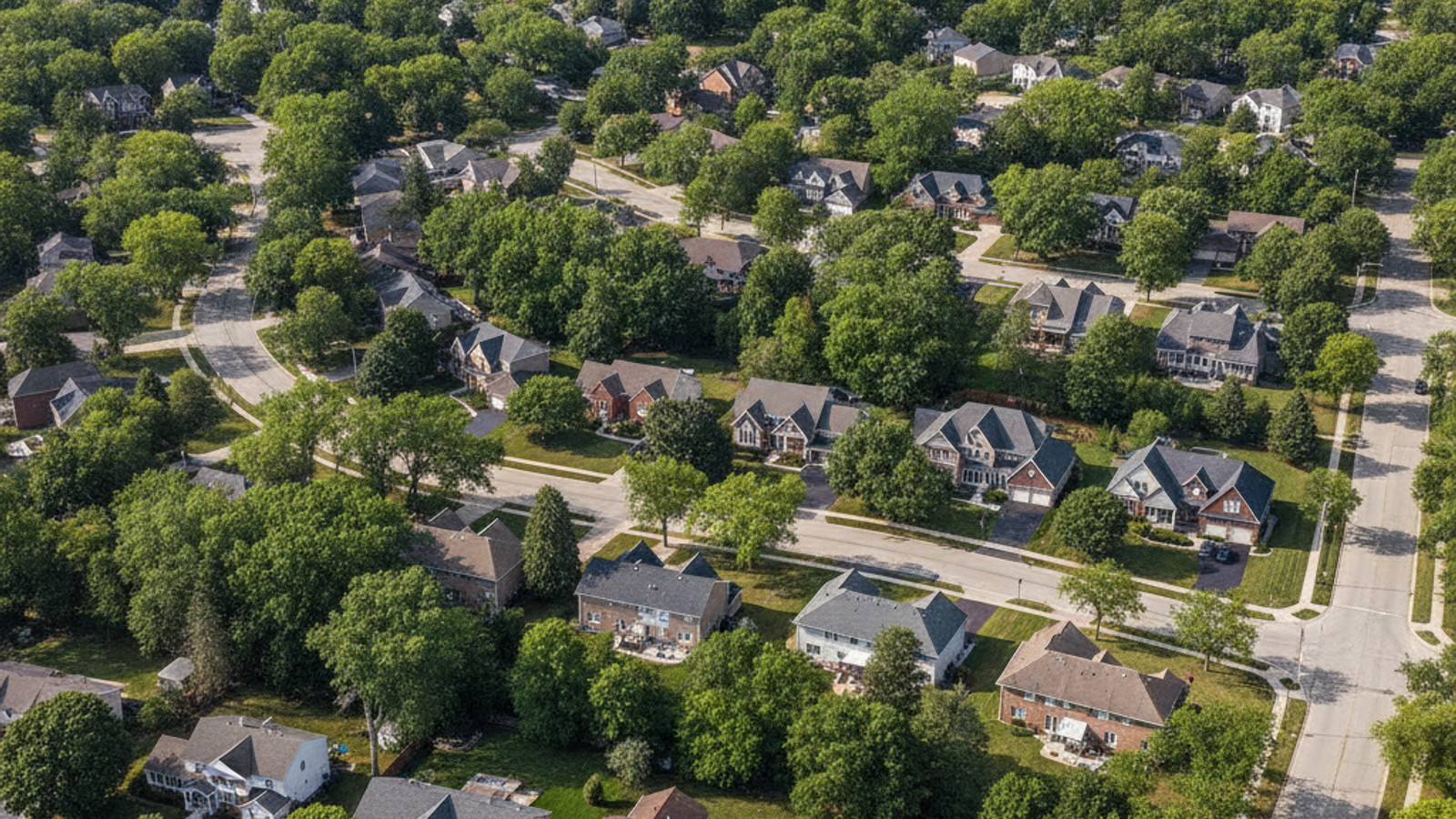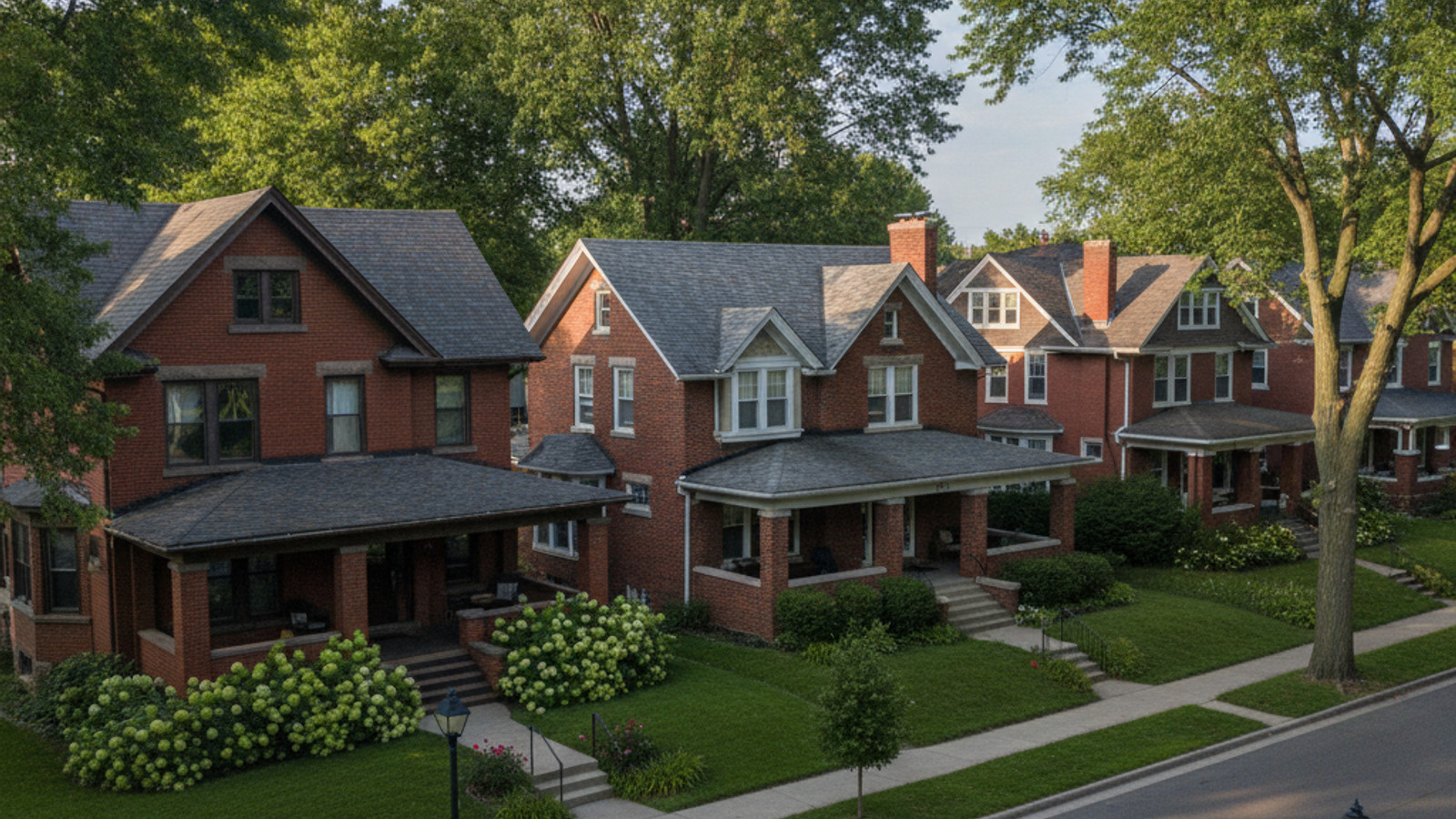
Located in the heart of Oakland County, Troy offers a strong mix of commercial infrastructure and residential neighborhoods. Prospective home buyers and renters often look closely at this suburb when evaluating their budget for a move to the Metro Detroit area. For anyone considering living in Troy, understanding the financial reality of relocating here requires looking past the listing price of a house.
A thorough budget analysis must factor in property taxes, commuting expenses, and everyday utilities. While the area commands a premium compared to other parts of Michigan, the local job market provides high median household incomes that help offset these expenses. Here is a detailed breakdown of what you can expect to spend when establishing a household in this city.
Understanding Troy’s Overall Cost of Living Index
The overall cost of living in Troy MI tracks approximately 6% higher than the national average. This index score places the city on the higher end of the spectrum when compared to the rest of the state. Buyers evaluating the area will find that the premium is driven primarily by housing and healthcare expenses.
When compared to other cities in Oakland County, Troy remains highly competitive for the level of infrastructure it provides. The robust local job market and a strong median household income help balance out this slight premium for most residents. Earning potential in the immediate Metro Detroit area often aligns well with the higher standard of living expected here.
The 6% premium is easily justified by the direct access to major transit routes and top-tier municipal services. Buyers who prioritize well-maintained roads and comprehensive city services will find the additional cost worthwhile.
Housing Costs: Median Home Prices and Average Rent
The cost of housing is typically the largest line item for anyone moving to a new city. When browsing homes for sale in Troy, buyers will find that the 2026 median home sale price sits between $425,000 and $445,000. This price range secures a variety of property types, from modern condominiums to large single-family homes situated near local elementary schools.
For those not quite ready to purchase real estate, the rental market offers a different set of financial obligations. Average monthly rental rates for apartments range from $1,400 to $2,300 depending on the total square footage and included amenities. Renting provides a predictable monthly expense without the immediate financial burden of long-term property maintenance.
Comparing Renting vs. Buying in the Current Market
Analyzing the gap between an average $2,000 rent payment and a monthly mortgage payment is essential. A $430,000 home with a standard down payment will carry a mortgage significantly higher than the average rent once current interest rates are applied. Buyers must carefully calculate their total housing costs to ensure they align with their long-term financial goals.
Available housing inventory strongly influences the decision to sign a lease versus entering the MLS to find a home. While renting offers flexibility, securing a fixed-rate mortgage provides protection against future rent increases. Ultimately, the choice depends on how long you plan to stay in the Metro Detroit area.
Property Taxes in Oakland County
Michigan calculates property taxes based on a property’s assessed value, which is generally 50% of the market value. This means a home purchased for $450,000 will have a taxable value of approximately $225,000. Understanding this calculation is crucial for anyone budgeting for a home purchase in Oakland County.
The median effective property tax rate for Oakland County is around 1.37%, establishing a solid baseline for buyers. Specific millage rates, including significant allocations for the Troy School District, factor heavily into the final annual tax bill. These local investments directly fund the extensive municipal services available throughout the city.
Buyers must strictly budget for property tax adjustments the year after a transfer of ownership. Michigan law un-caps the taxable value upon sale, meaning your new tax bill could be substantially higher than what the previous owner paid. Failing to account for this adjustment is a common and costly mistake for new homeowners.
Everyday Expenses: Utilities, Groceries, and Healthcare
Looking beyond housing costs, everyday living expenses play a major role in your total cost of living. Managing a household requires budgeting for recurring monthly bills like electricity, food, and medical care. The breakdown of these daily goods and services reveals a mixed financial picture compared to national baselines.
- Utility costs: Average utility bills in Troy are actually about 5% lower than the national average, providing some relief during the cold winter months.
- Grocery costs: Food costs at the local grocery store are roughly on par with, or about 1% higher than, the national baseline.
- Healthcare costs: Routine medical care and healthcare costs in Oakland County track approximately 11% higher than the national average.
While the elevated healthcare costs require careful financial planning, the savings on utilities help balance the monthly budget. Residents can accurately calculate their expected living expenses by reviewing their current consumption habits against these local averages.
Commuting and Transportation Costs
Evaluating the cost of maintaining a vehicle is critical when planning a move to this city in Michigan. The everyday costs associated with owning a vehicle, including gas and insurance, trend about 3% higher than the national average. These transportation costs add up quickly for those who drive to work daily at nearby Metro Detroit employment centers.
The logistical convenience of the area is anchored by typical commute times to downtown Detroit via I-75. While public transit is available, with SMART bus routes serving as a supplementary option, the system is not comprehensive enough for everyone. Most professionals find that utilizing a personal vehicle is the most efficient way to navigate the region.
Buyers should understand that Troy remains a largely car-dependent community. Vehicle ownership is an absolute necessity and must be treated as a permanent line item in any realistic household budget. Relying solely on public transportation will severely limit your access to everything the broader metro area offers.
Local Amenities and Infrastructure
The higher cost of living in this suburb is directly reflected in the quality of local infrastructure and available amenities. Residents have immediate access to well-maintained public spaces and extensive retail corridors. This concentration of conveniences is a major factor for those comparing the cost of living across different Michigan cities.
- Retail access: The city features close proximity to major high-end shopping centers, most notably the Somerset Collection.
- Recreation: Residents utilize the expansive Troy Trails system alongside a high density of public parks and green spaces.
- Entertainment: The area offers a short driving distance to neighboring hubs like Royal Oak for additional dining and events.
The financial premium paid to live here translates directly into convenience and an elevated quality of life. Having premier retail and expansive recreation options within a few miles of home reduces the need for extensive weekend travel.
Frequently Asked Questions
Is Troy, Michigan expensive to live in?
Troy is moderately expensive, with an overall cost of living about 6% higher than the national average. However, the strong local job market and high median household income in Oakland County help offset this premium. Many residents find that the excellent infrastructure justifies the slightly higher prices.
What is the average rent in Troy, MI?
The average rent for an apartment in Troy ranges from $1,400 to $2,300 per month. This price fluctuation depends heavily on the total square footage and the specific amenities offered by the building. Renters should also budget for utility costs, which run slightly below the national average.
How much money do you need to live comfortably in Michigan?
Living comfortably in the Metro Detroit area typically requires a household income that can comfortably cover a $430,000 median home price and associated vehicle expenses. Because transportation and healthcare costs run slightly higher than average, a strong salary is essential. Prospective buyers should use a cost of living calculator to align their specific income with local property tax rates.