If you are looking for a place that perfectly balances corporate power with residential calm, living in Troy, MI might just be your best move. Located about 25 minutes north of Detroit, Troy sits right in the heart of Oakland County, bordered by Rochester Hills, Royal Oak, and Birmingham. It is a professionally driven city, known less for a walkable historic downtown and more for its convenience, safety, and economic strength.
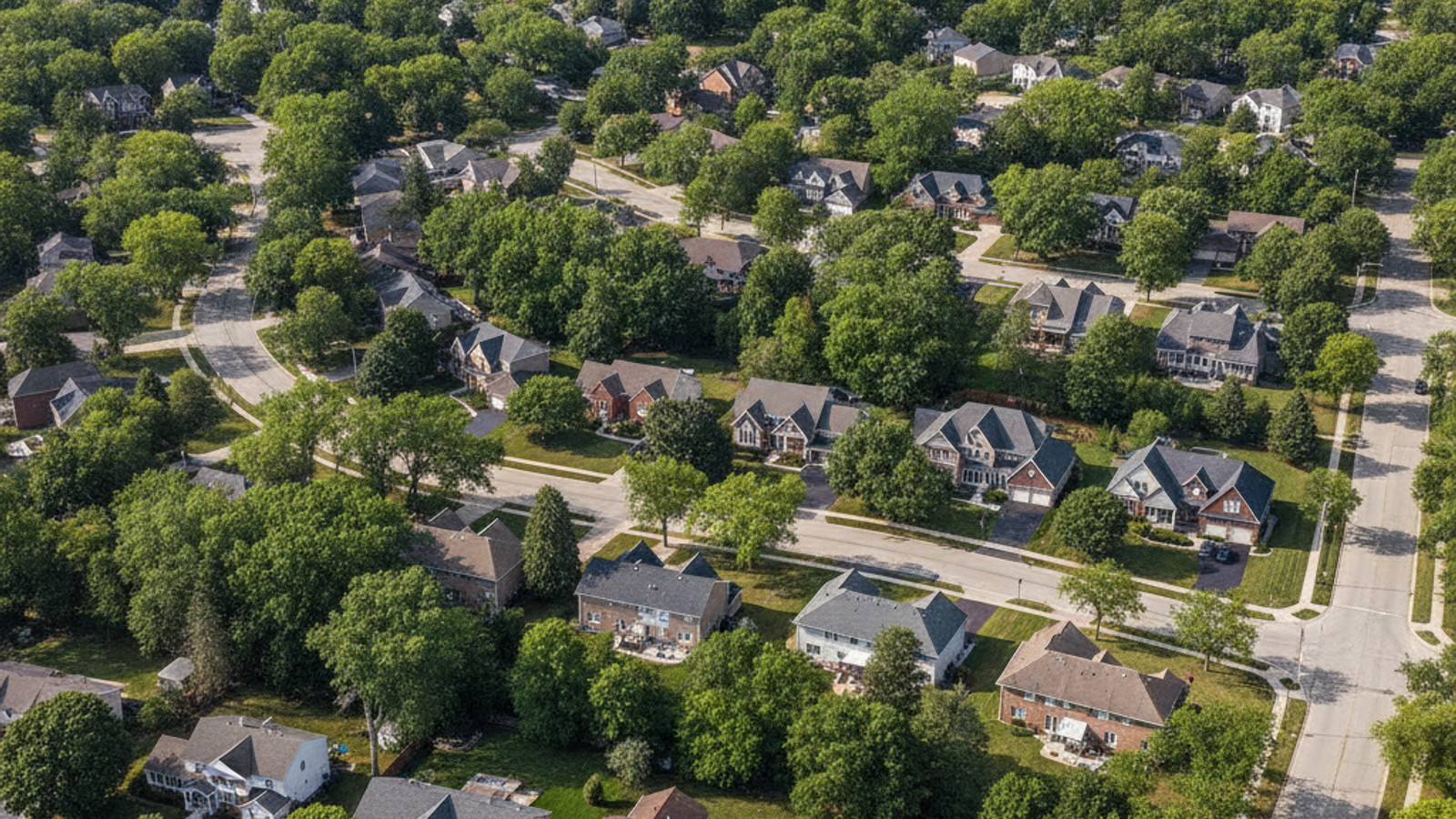
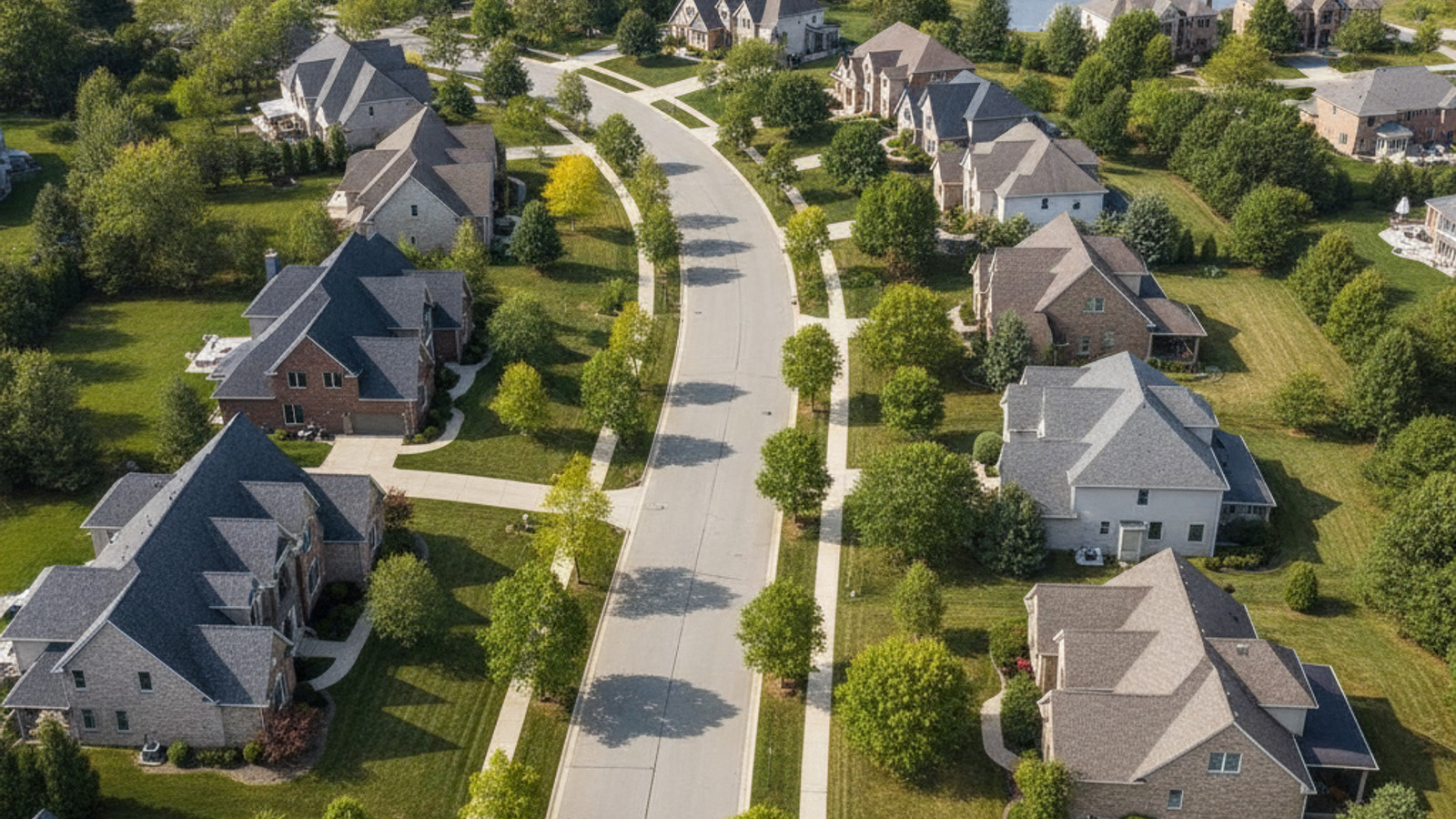
The vibe here is distinct. While neighbors like Royal Oak offer a bustling nightlife scene, Troy is quieter and more focused on stability and access. It is home to the “Golden Corridor” along Big Beaver Road, a massive business district that hosts Fortune 500 companies and high-tech firms. Yet, turn off the main roads, and you find yourself in peaceful, tree-lined subdivisions. It is consistently ranked as one of the safest cities in Michigan, making it a top choice for those prioritizing security and top-tier public services.
Cost of Living in Troy, MI
When moving to Troy, it is important to understand the financial landscape. Generally, the cost of living here runs about 5% to 10% higher than the national average. This premium is almost entirely driven by housing demand. Because the area offers so much in terms of jobs and schools, property values hold steady even when the broader market fluctuates.
As of early 2026, the housing market remains a “seller’s market” with inventory staying tight. You can expect median home prices to hover between $419,000 and $440,000. While this is higher than some surrounding areas, buyers are often willing to pay it for the amenities and location. If you aren’t ready to buy, the rental market is competitive but accessible, with median rents around $1,760 per month, particularly for modern apartments near the business district.
One specific detail that often catches newcomers off guard is property taxes. Troy has an effective tax rate of approximately 1.31%. While this is higher than some neighboring townships, residents often feel the trade-off is worth it. That tax revenue funds the exceptional snow removal, well-maintained parks, and extensive city services that make day-to-day life here run smoothly. It is helpful to compare these expenses to the broader cost of living in Michigan to see how Troy stacks up against the state average.
Top Neighborhoods and Subdivisions in Troy
Troy is organized on a grid system defined by major “Mile Roads,” and unlike cities with a central village, its residential life is centered around specific subdivisions. Because there isn’t a single historic downtown, your lifestyle is largely defined by which square-mile section you choose to live in.
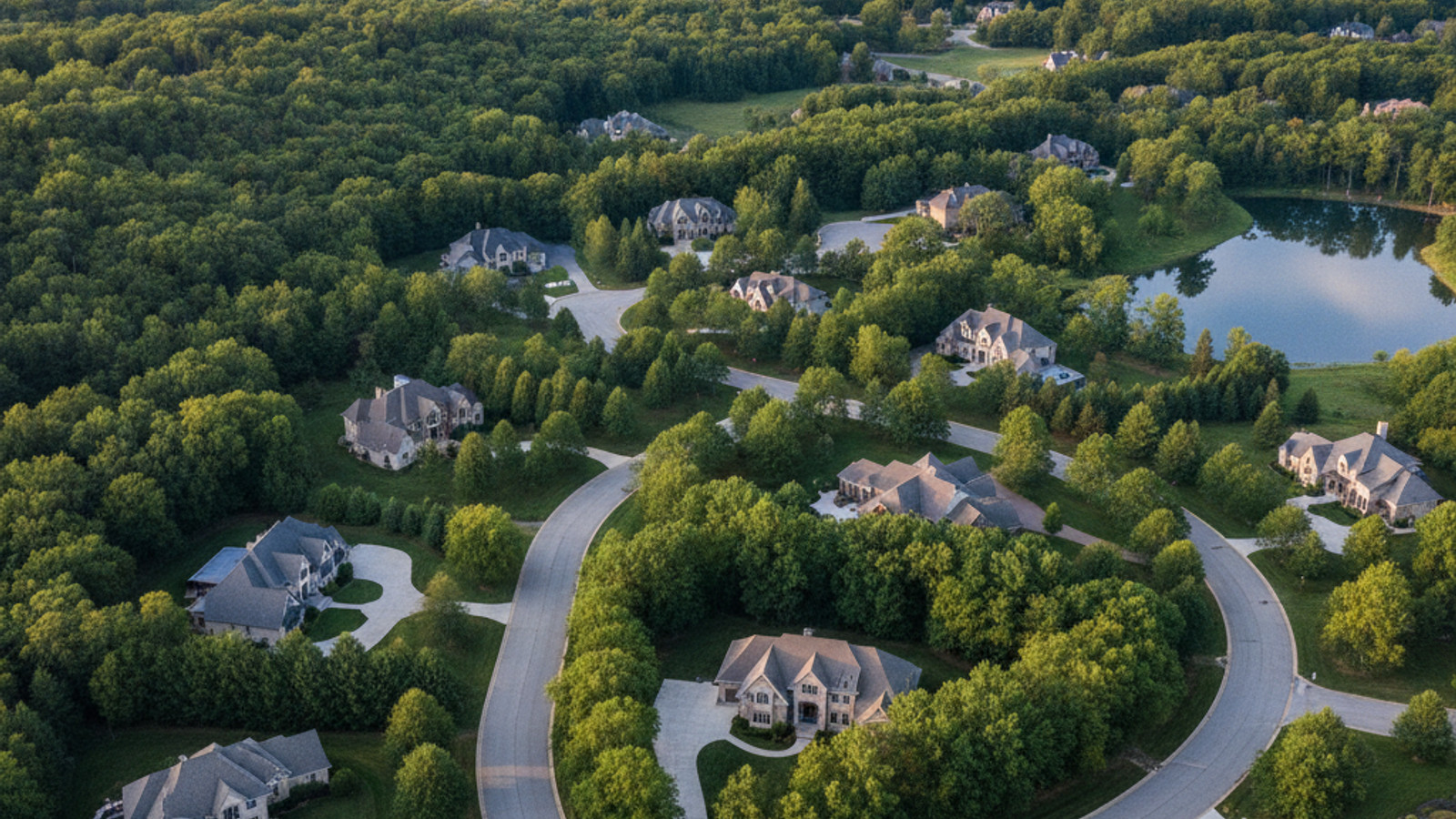
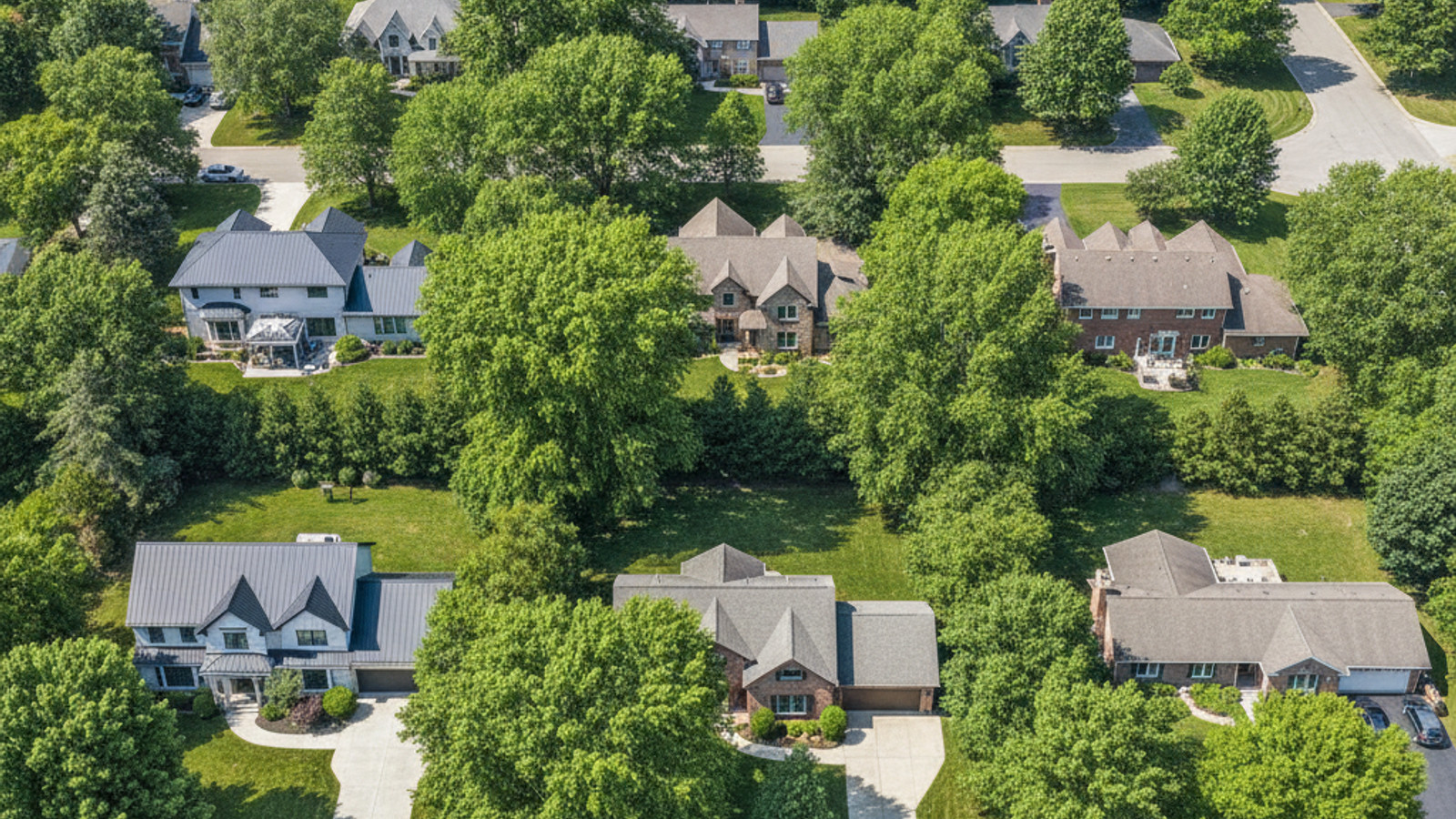
Northwest Troy (near Long Lake and Crooks) is often considered one of the most prestigious sections. Here, you will find larger lots and higher price points. The homes are spacious, and the area feels quiet and secluded while being just minutes from upscale amenities.
Somerset North is another highly sought-after subdivision. Located just north of the Somerset Collection, this area features well-maintained homes primarily built in the 1990s. It is popular for its uniform aesthetic and incredible convenience to shopping and dining.
Emerald Lakes offers a different feel entirely. True to its name, this community features water features that give it a unique, scenic atmosphere compared to the standard suburban grid.
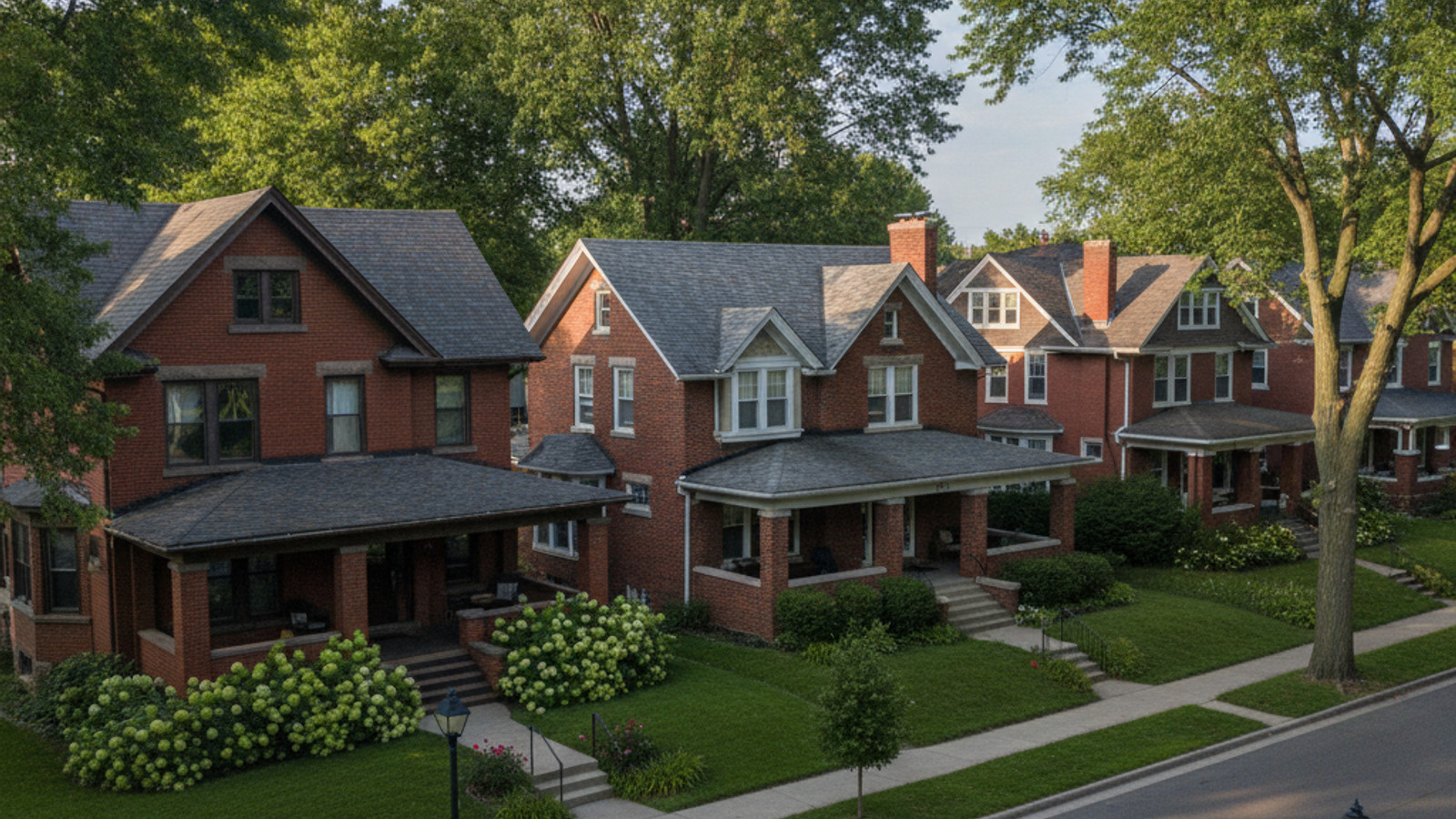
If you are looking at the edges of the city, the character changes significantly. Neighborhoods bordering Royal Oak tend to feature older, smaller homes with a bit more character, while areas bordering living in Rochester Hills often feature larger, newer builds that blend seamlessly into that neighboring community’s aesthetic.
Education: Troy School District and Higher Learning
For many people moving here, education is the deciding factor. The Troy School District (TSD) is consistently rated A+ and ranks among the very best in the state. The district includes top-performing high schools like Troy High and Athens High, both of which are known for rigorous academics.
The student population is remarkably diverse, with many languages spoken in the hallways, reflecting the international nature of the city’s residents. This environment prepares students well for a globalized world. Beyond K-12, the city values lifelong learning. Walsh College is located right here, focusing on business and technology, and Oakland University is just a short drive away. There are also several respected private school options nearby for those seeking alternatives to the public system.
Employment and Economy: The “Automation Alley”
Troy is not just a bedroom community; it is a major economic engine in its own right. Known as the heart of “Automation Alley,” the city has a heavy concentration of jobs in the automotive, technology, and financial sectors. Major hubs for companies like Bank of America and PNC are located here or nearby, along with countless engineering firms.
Most of this activity centers around Big Beaver Road, often called the Golden Corridor. This is where you will find corporate headquarters and high-rise office buildings. For professionals, this means you might not even need to commute out of the city. However, if you do need to travel, access to I-75 makes getting to Downtown Detroit or the northern suburbs seamless. A typical commute to Detroit takes about 25 to 35 minutes, making it a viable home base for those working in the city center.
Shopping, Dining, and Entertainment
When it comes to retail, Troy is the undisputed king of the region. The crown jewel is the Somerset Collection, a luxury mall that draws shoppers from all over the Midwest. With a skywalk connecting its two sides, valet parking, and high-end brands, it serves as the social anchor of the city.
The dining scene is equally impressive and reflects the local population’s diversity. You can find high-end steakhouses along Big Beaver for a business dinner, or explore authentic international cuisine just strip mall away. The city has incredible Asian dining options and markets, such as the nearby H Mart, which is a massive draw for foodies.
In terms of entertainment, there is always something new. Fresh for spring 2026, the Slick City Action Park is opening its doors, offering an indoor slide park that adds a new layer of recreation to the city. For a quieter afternoon, the Troy Historic Village offers a charming look at the area’s past, providing a nice contrast to the modern hustle of the commercial district.
Parks and Outdoor Recreation
Despite being a corporate hub, Troy does an excellent job of preserving green space. The city maintains a robust park system that offers a break from the office buildings and retail centers.
Boulan Park is a local favorite, bustling with activity on weekends. It features tennis courts, walking paths, and is a popular spot for cricket matches. Firefighters Park offers a different pace, known for its disc golf course and soccer fields.
For nature lovers, the Stage Nature Center is a gem. This 100-acre preserve offers trails for hiking and runs nature programs year-round, including popular maple syrup festivals in the spring. The city also invests heavily in community amenities, including the Troy Community Center, which has an indoor pool and fitness facilities, and the Troy Family Aquatic Center, which is the place to be during the summer months.
Pros and Cons of Living in Troy
Before signing a contract, it helps to weigh the good against the bad to see if this city fits your lifestyle.
Pros:
- Top-tier education: The schools are undeniably a primary draw.
- Safety: It is one of the safest cities in the region.
- Strong job market: You can live and work in the same city.
- World-class shopping: Access to Somerset Collection is a major perk.
Cons:
- Property Taxes: You will likely pay more here than in surrounding townships.
- Car-dependent: There is no walkable historic downtown; you will need a car for almost everything.
- Entry Price: Housing costs are higher here compared to living in Royal Oak (for smaller homes) or other nearby suburbs.
Frequently Asked Questions
Does Troy, MI have a downtown area?
No, Troy does not have a traditional, walkable historic downtown. The city’s commercial and social center is the Big Beaver Road corridor, which features high-rise offices, restaurants, and the Somerset Collection mall, but it is designed for car travel rather than pedestrian strolling.
Is Troy, Michigan expensive to live in?
Troy is moderately expensive compared to the national average, primarily due to housing costs that are about 5-10% higher. However, when compared to other affluent Oakland County suburbs like Birmingham, it is often considered more attainable while still offering premium services.
What is the crime rate in Troy, MI?
Troy consistently ranks as one of the safest cities in Michigan and the United States. Low crime rates are a major selling point for residents, contributing to the high demand for housing in the area.
How far is Troy, MI from Detroit?
Troy is located approximately 25 minutes north of Detroit. The city’s direct access to I-75 allows for a straightforward commute to downtown Detroit, though rush hour traffic can extend that drive time to 35-45 minutes.