Choosing the right suburb in Metro Detroit often comes down to weighing the unique benefits of neighboring communities. Buyers looking at Oakland County frequently find themselves comparing the distinct lifestyles and housing markets of two major hubs. The decision requires balancing upfront costs with long-term lifestyle preferences.
Making the choice between these two cities requires a close look at property values, commute times, and local amenities. Understanding how each market operates in 2026 will help you align your housing budget with your daily routine. Both locations offer excellent opportunities, but they cater to very different visions of suburban living.
Oakland County is known for its strong economic base and diverse residential options. Finding the perfect home requires looking beyond the property line to understand the surrounding municipal benefits. A thorough comparison will ensure your real estate investment meets your long-term goals.
Real Estate Markets and Property Values in Troy vs Royal Oak
The housing market in Oakland County remains highly active, with both of these cities drawing strong buyer interest. Property values reflect the different types of inventory and land availability found in each community.
Buyers will immediately notice a gap in median home prices between the two areas. Troy commands a higher price point, with approximate 2026 median home prices hovering around $435,000. Royal Oak presents a slightly lower barrier to entry, showing a median price closer to $360,000.
This $75,000 difference directly correlates to the square footage and land size you get for your money. Troy properties generally offer more interior space, multiple living areas, and attached multi-car garages. Royal Oak homes are often built on tighter city lots, maximizing density near commercial zones.
Another financial consideration for buyers is the prevalence of Homeowner Associations. Many of the subdivisions in Troy require mandatory HOA fees to cover common area maintenance and neighborhood amenities. Royal Oak properties rarely involve an HOA, giving homeowners more flexibility but requiring individual responsibility for all exterior upkeep.
Buyer competition remains a factor across the entire metro area. Homes for sale in Royal Oak often see multiple offers within the first weekend on the market due to the high demand for walkable neighborhoods. Troy listings also move quickly, particularly properties that feature modern kitchen and bathroom renovations.
Property Types and Lot Sizes
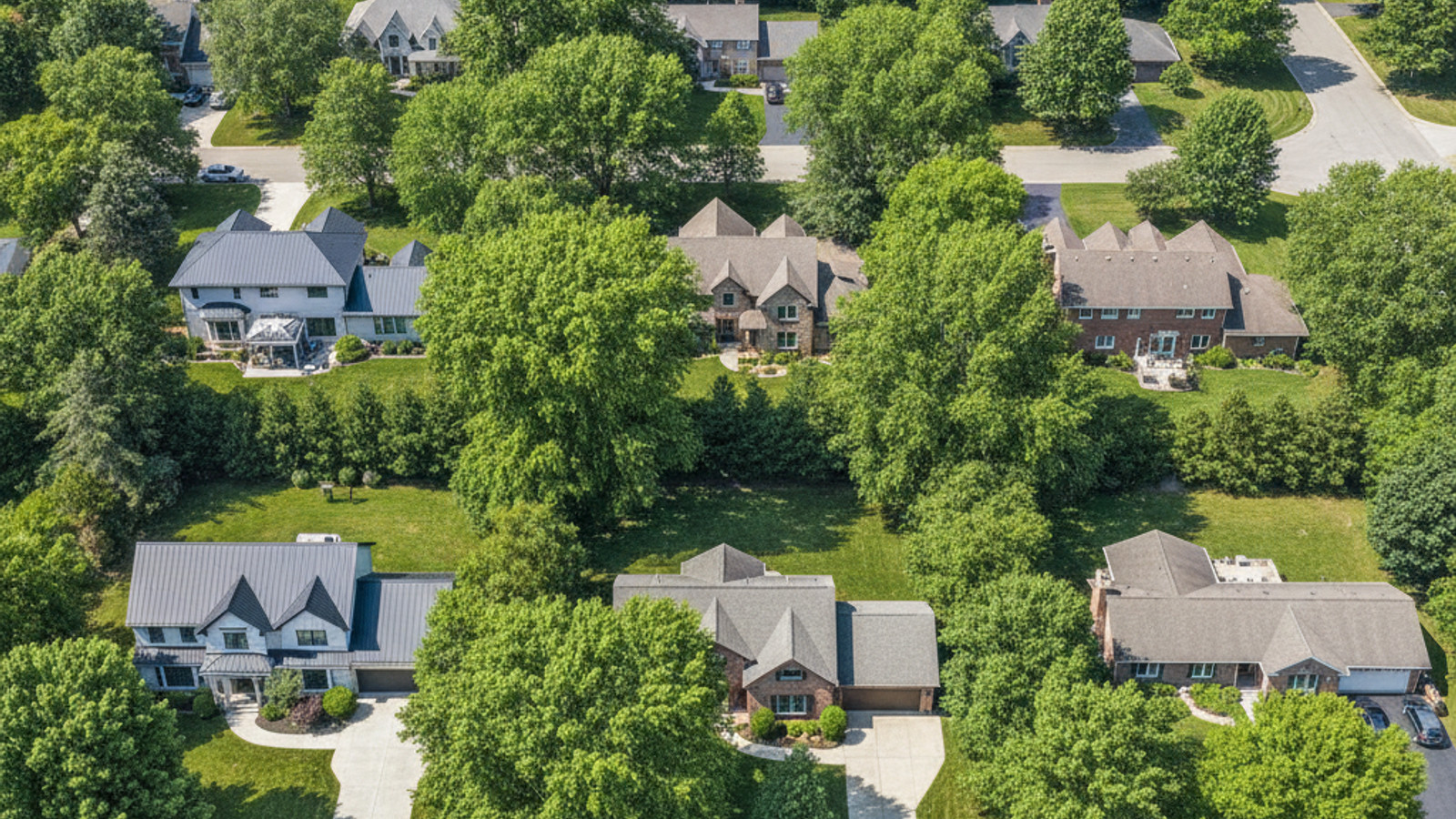
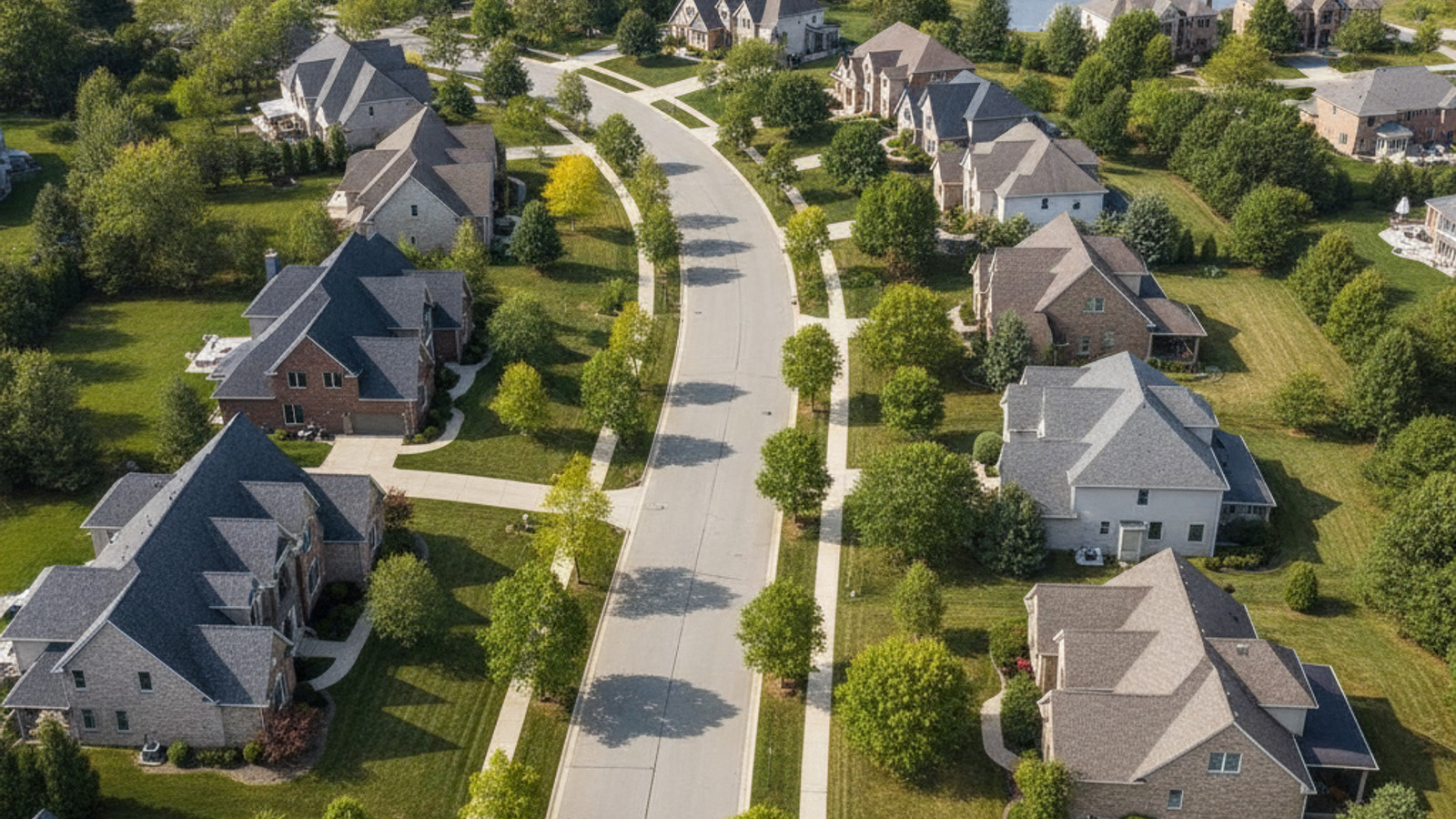
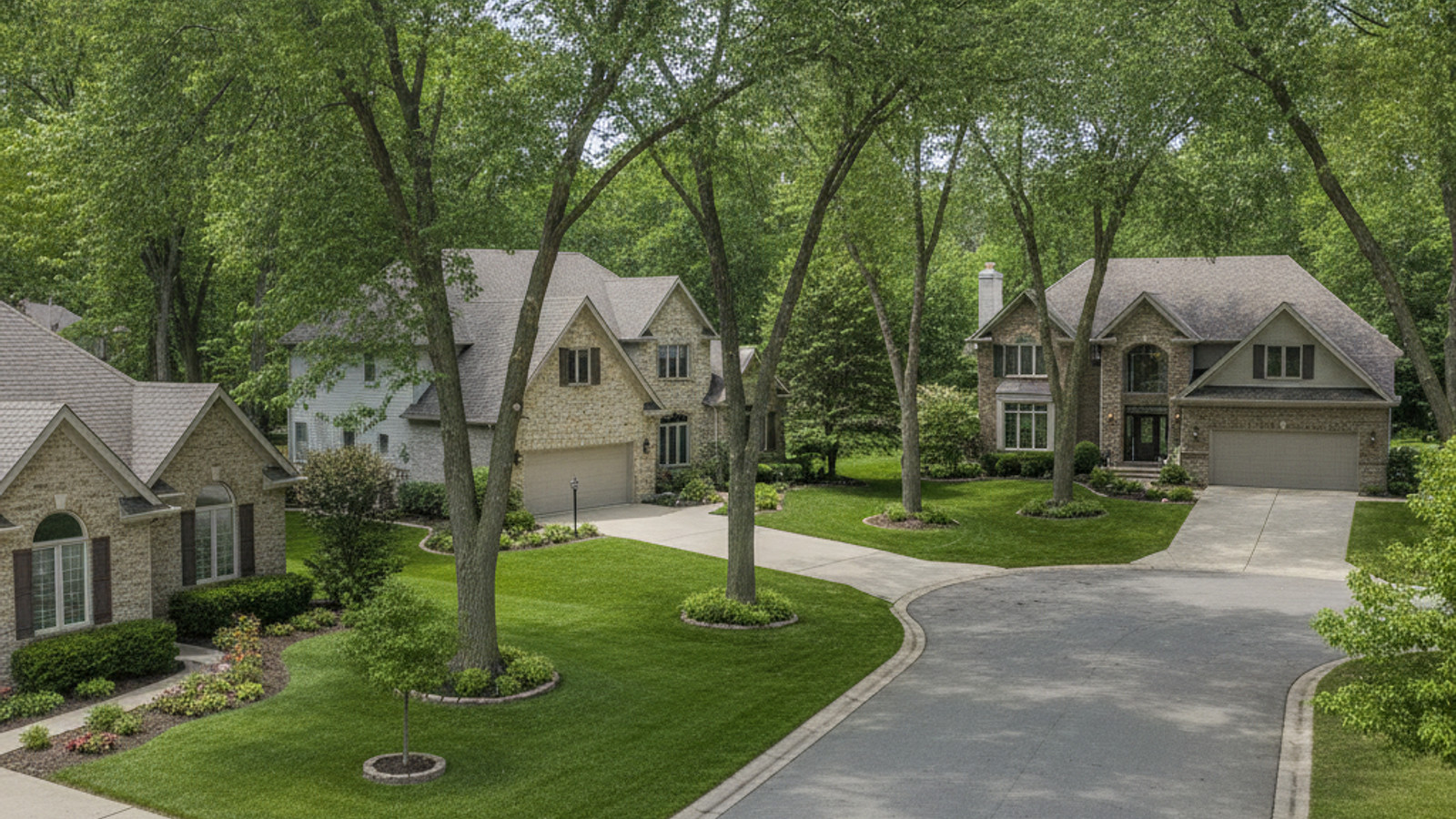
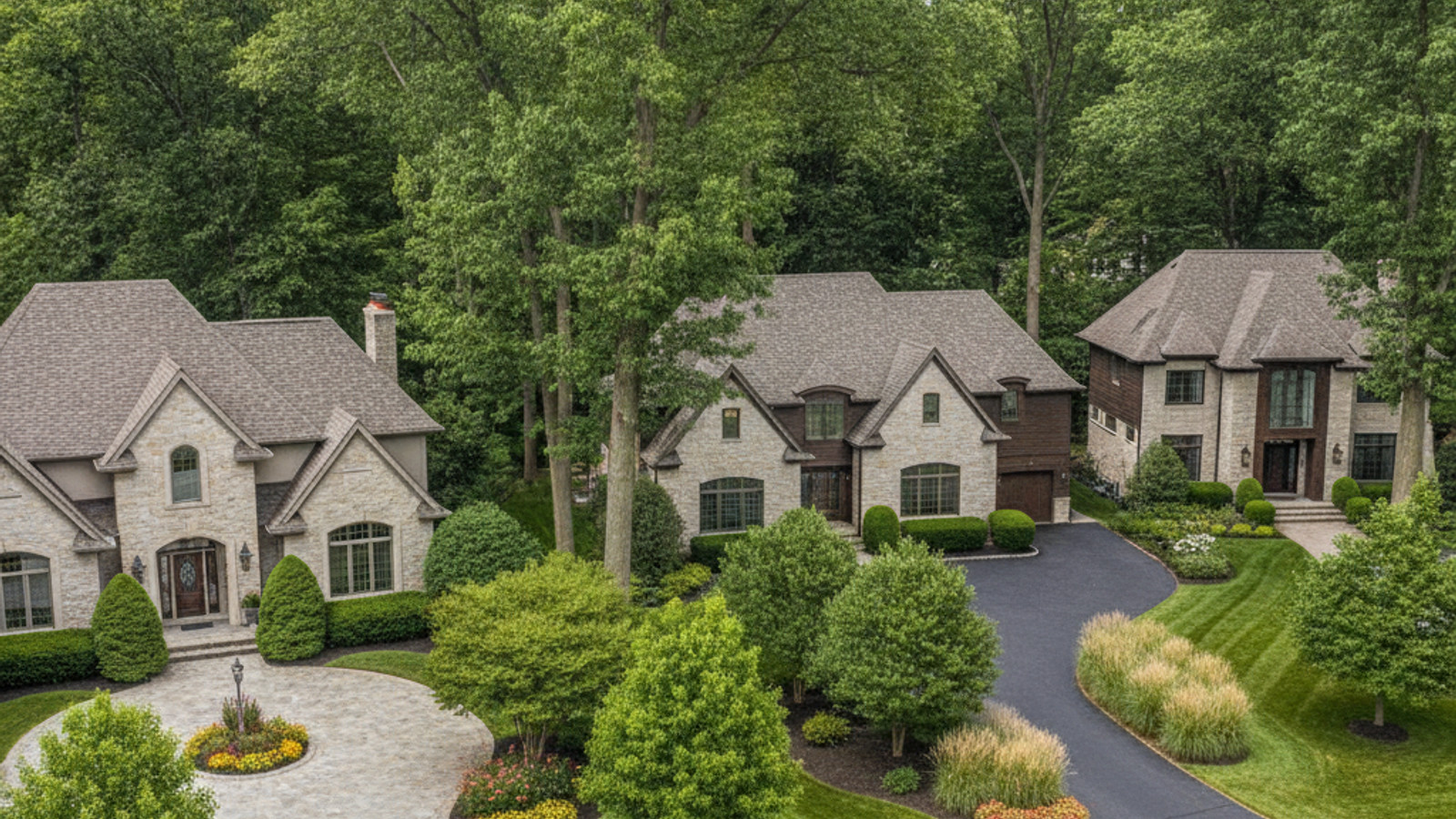
The architectural landscape in Troy is heavily defined by large single-family homes situated in planned subdivisions. You will find sprawling brick colonials and modern transitional builds sitting on generous quarter-acre or half-acre lots. These neighborhoods often feature winding streets and cul-de-sacs that limit through traffic.
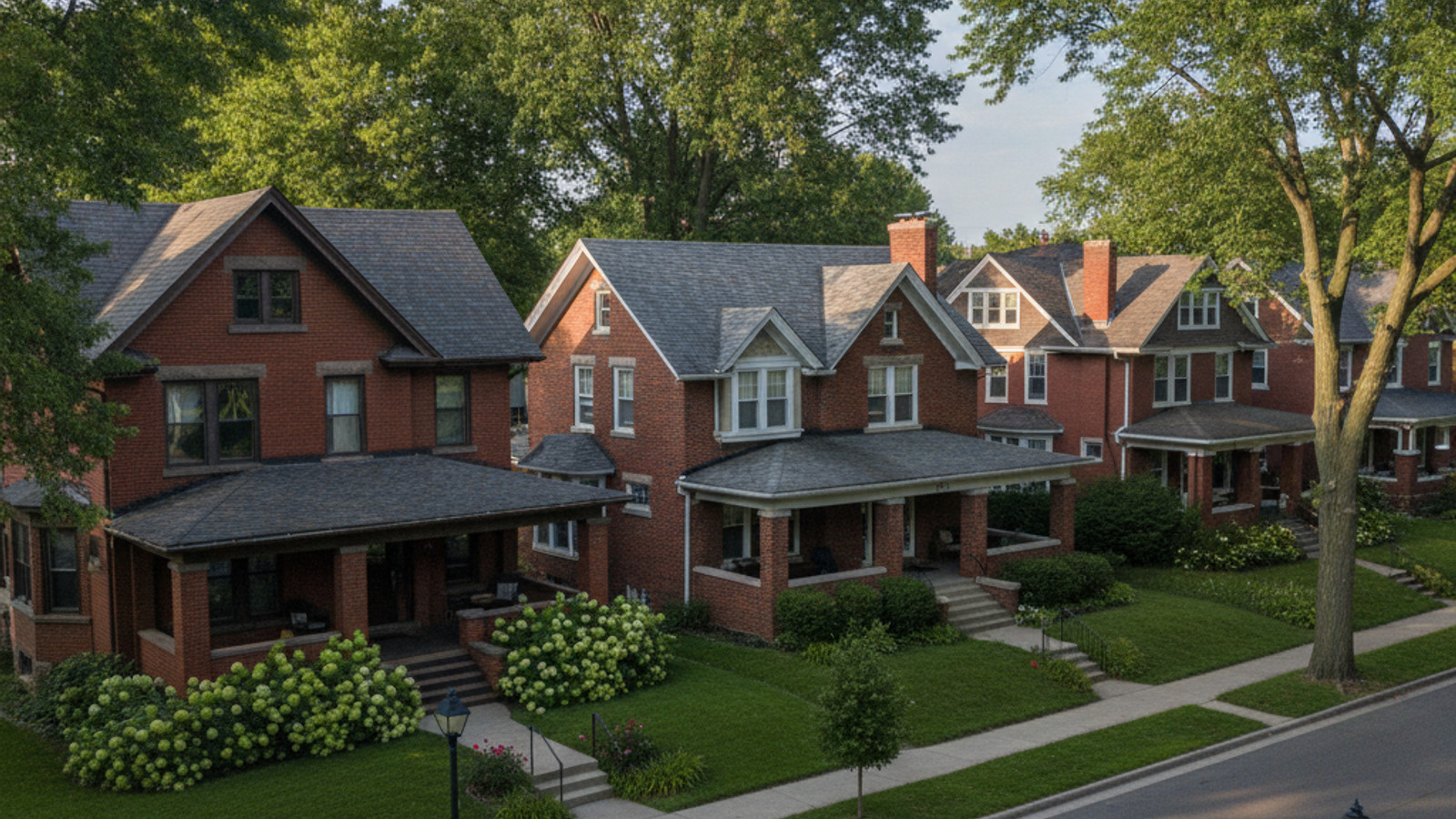
Royal Oak offers a completely different visual aesthetic and property mix. The streets are lined with historic 1920s bungalows, mid-century ranches, and an increasing number of newly built downtown condos. The grid-style street layout promotes easy navigation and connects residential blocks directly to commercial avenues.
Housing Stock Age and Updates
The age of the housing stock dictates the type of maintenance and remodeling buyers should expect. A historic bungalow in Royal Oak often requires updates to plumbing, insulation, or electrical systems to meet modern standards. Many buyers enjoy the process of preserving historic charm while upgrading the interior functionality.
Troy features newer construction overall, with much of its residential expansion occurring from the 1970s through the 1990s. Buyers looking at these homes often focus on cosmetic updates rather than structural overhauls. The takeaway here is that Troy buyers often pay a premium upfront for larger homes, while Royal Oak buyers might need to budget for post-closing renovations.
Commute Times and Transportation Access to Detroit
A major factor for anyone moving to the Metro Detroit area is the daily drive to work. Both communities offer excellent highway access, but their geographic positions dictate different daily routines.
Proximity to major expressways is a strong selling point for real estate in this region. I-75 serves as the primary north-south artery connecting Oakland County directly to downtown Detroit. I-696 runs east-west, providing a crucial link for residents commuting to other major suburban employment centers.
Royal Oak residents benefit from immediate access to both I-75 and I-696, making it a highly connected transit hub. They also have the option of taking Woodward Avenue, a major non-highway arterial route that runs straight into the city. Troy is located further north along the I-75 corridor, meaning residents rely almost entirely on the interstate for southbound travel.
Winter weather in Michigan can significantly impact travel times along these major routes. Buyers should factor in the reality of snow and ice when calculating their expected daily driving limits. Living closer to the city center naturally reduces exposure to winter highway delays.
During the summer months, local events can alter standard driving routes. The annual Woodward Dream Cruise brings massive crowds to Royal Oak, temporarily turning the main thoroughfare into a classic car showcase. Troy residents generally avoid this localized congestion, enjoying quieter roads during major regional events.
Driving Times to Downtown
Commuting from Royal Oak to downtown Detroit typically takes 20 to 30 minutes, covering a distance of roughly 14 miles. This shorter drive is a significant advantage for those who work in the city center or attend frequent evening events. The straightforward route makes navigating the metro area simple.
The commute from Troy to Detroit spans approximately 23 miles and generally requires 30 to 40 minutes of driving time. Heavy morning traffic along the I-75 corridor can easily extend this duration. Buyers should test the drive during peak hours before making a final real estate decision.
The clear takeaway is that Royal Oak wins on commute efficiency for downtown workers, saving residents up to three hours of driving per week.
Comparing Troy School District and Royal Oak Schools
Evaluating public education systems is a standard part of the home buying process. Both municipalities are served by dedicated school districts that maintain strong state rankings and offer distinct academic environments.
The Troy School District consistently ranks within the top 5% of all public school districts in Michigan. This high academic standing is a major driver of property values in the area and keeps buyer demand steady year-round. The district operates with an approximate 17:1 student-to-teacher ratio across its campuses.
Royal Oak Schools also provide a strong educational foundation, ranking in the top 20% statewide. The district benefits from slightly smaller class sizes, maintaining an approximate 15:1 student-to-teacher ratio. This allows for more individualized instruction time within the classroom setting.
Beyond standard academics, the Troy School District is widely recognized for its exceptional music and arts programs. Students frequently compete at the state level in marching band and orchestral performances. These robust extracurricular offerings provide significant value to residents prioritizing comprehensive educational opportunities.
Both districts have actively invested in their infrastructure over the past decade. Voters in both communities have passed local bonds to fund significant facility upgrades. These investments help maintain steady property values regardless of broader market fluctuations.
Academic Programs and Facilities
Students in the Troy School District have access to extensive advanced placement courses and specialized STEM programs. The recent bond initiatives have funded state-of-the-art science labs and updated athletic complexes. These resources provide a comprehensive educational experience for residents.
Royal Oak Schools have focused their recent funding on modernizing classrooms and enhancing fine arts facilities. The district places a strong emphasis on community involvement and extracurricular development. The takeaway for buyers is that both districts provide excellent resources, but Troy carries a slightly higher state prestige that is priced into the local housing market.
Commercial Amenities: Downtown Royal Oak vs Troy Retail
The commercial layout of a city shapes the daily lifestyle of its residents. These two suburbs represent entirely different approaches to retail, dining, and community gathering spaces.
Troy operates as a major commercial powerhouse in Oakland County, heavily anchored by the Somerset Collection. This luxury shopping mall draws visitors from across the state and serves as a central retail hub. The commercial corridor along Big Beaver Road is packed with high-end steakhouses, corporate headquarters, and upscale retail centers.
The lifestyle in Troy is distinctly suburban, requiring a car for almost all errands and dining trips. The city lacks a traditional, walkable downtown district. Residents trade pedestrian access for massive retail variety and the convenience of ample parking.
Royal Oak provides a highly walkable urban environment centered around its vibrant downtown district. The streets are lined with independent restaurants, coffee shops, boutique stores, and entertainment venues. Residents living near the city center can easily walk to dinner or catch a show without getting behind the wheel.
Entertainment options in Royal Oak extend well beyond standard dining. The city is home to the Royal Oak Music Theatre, which hosts national touring acts and comedy shows year-round. The Detroit Zoo is located just at the edge of the city limits, serving as a major regional attraction.
Parks and Recreation
Access to green space is handled differently in each municipality. Troy features large municipal parks and comprehensive recreational centers spread throughout its sprawling subdivisions. These spaces provide extensive hiking trails, sports fields, and nature preserves.
Royal Oak integrates its green spaces directly into the urban grid. Centennial Commons offers a modern park experience right in the downtown area, providing a central gathering spot for community events. The city also hosts numerous street festivals and farmers markets throughout the year.
The main takeaway is that Royal Oak offers a walkable, energetic lifestyle, while Troy delivers expansive retail convenience.
Frequently Asked Questions
Which city has higher property taxes, Troy or Royal Oak?
Property tax rates fluctuate based on specific millages, but Royal Oak generally has a slightly higher millage rate than Troy. However, because the median home price in Troy is approximately $435,000 compared to $360,000 in Royal Oak, the actual annual tax bill is often higher for a Troy homeowner. Buyers should review the specific tax history of any property before making an offer.
Is public transportation available from Royal Oak or Troy to downtown Detroit?
Yes, both cities have access to public transit options connecting them to Detroit. The SMART bus system operates routes through both communities, including the FAST Woodward service that runs directly from Royal Oak to the city center. This provides a reliable alternative to the 14-mile drive down I-75 for daily commuters.