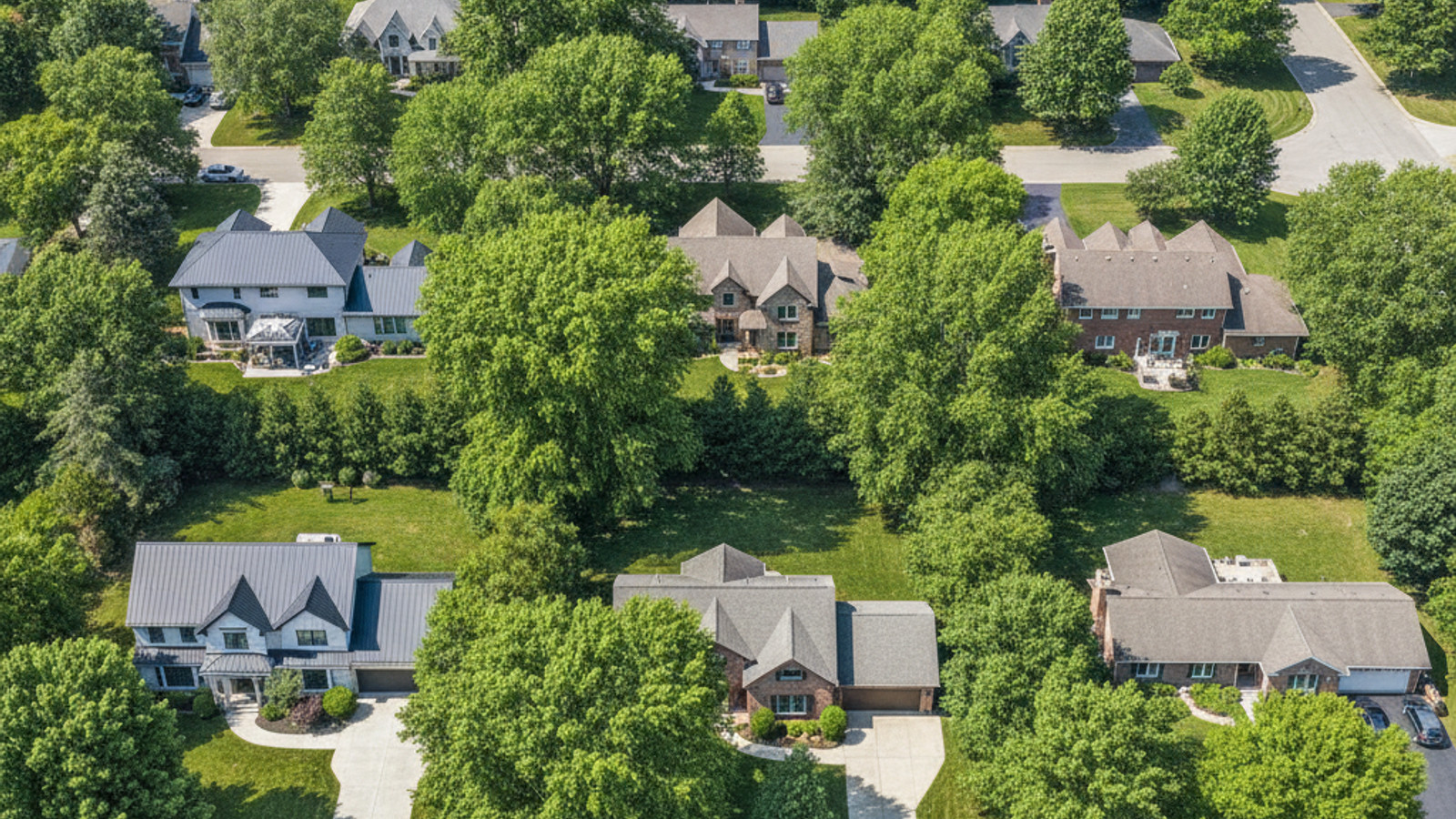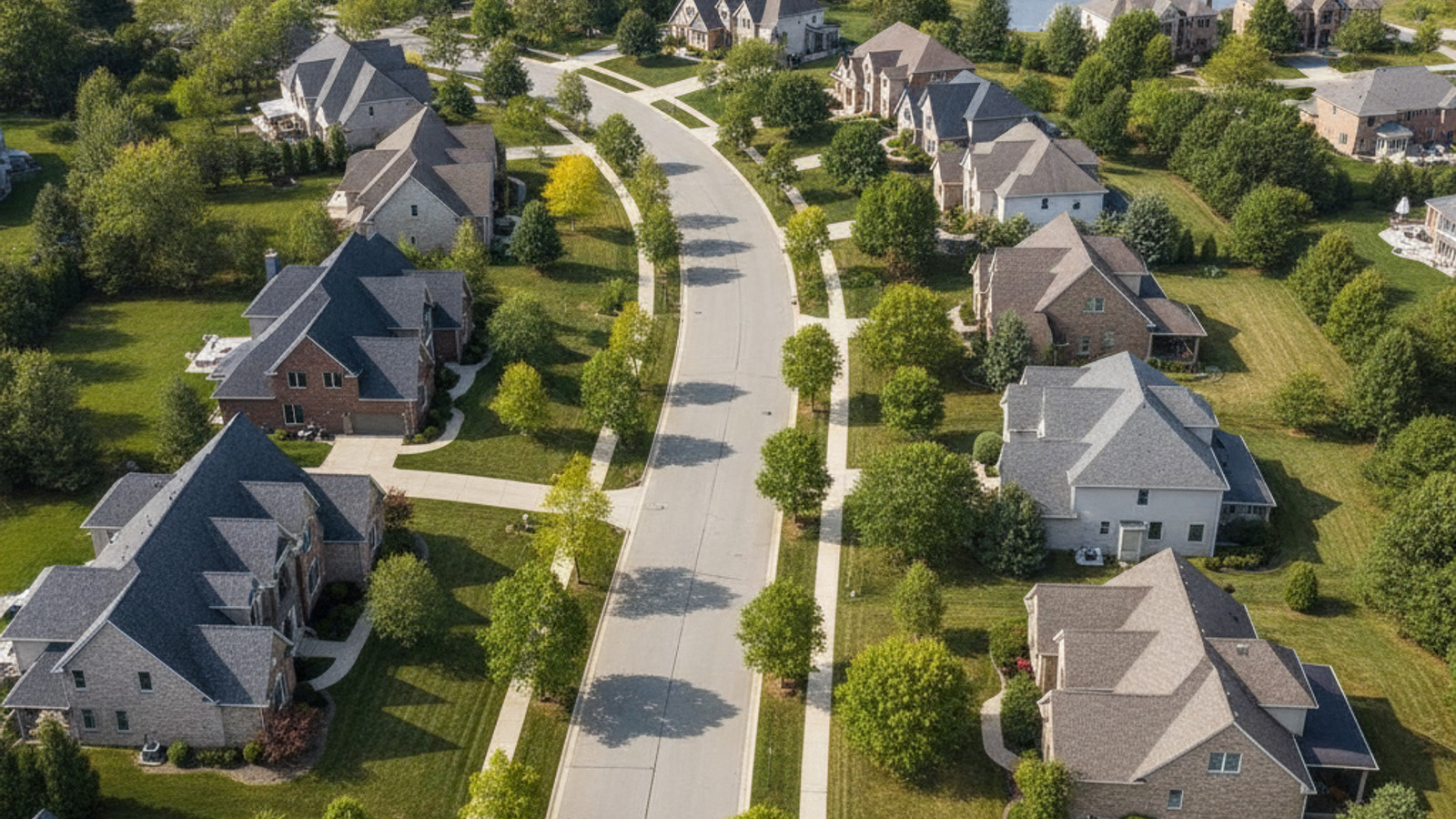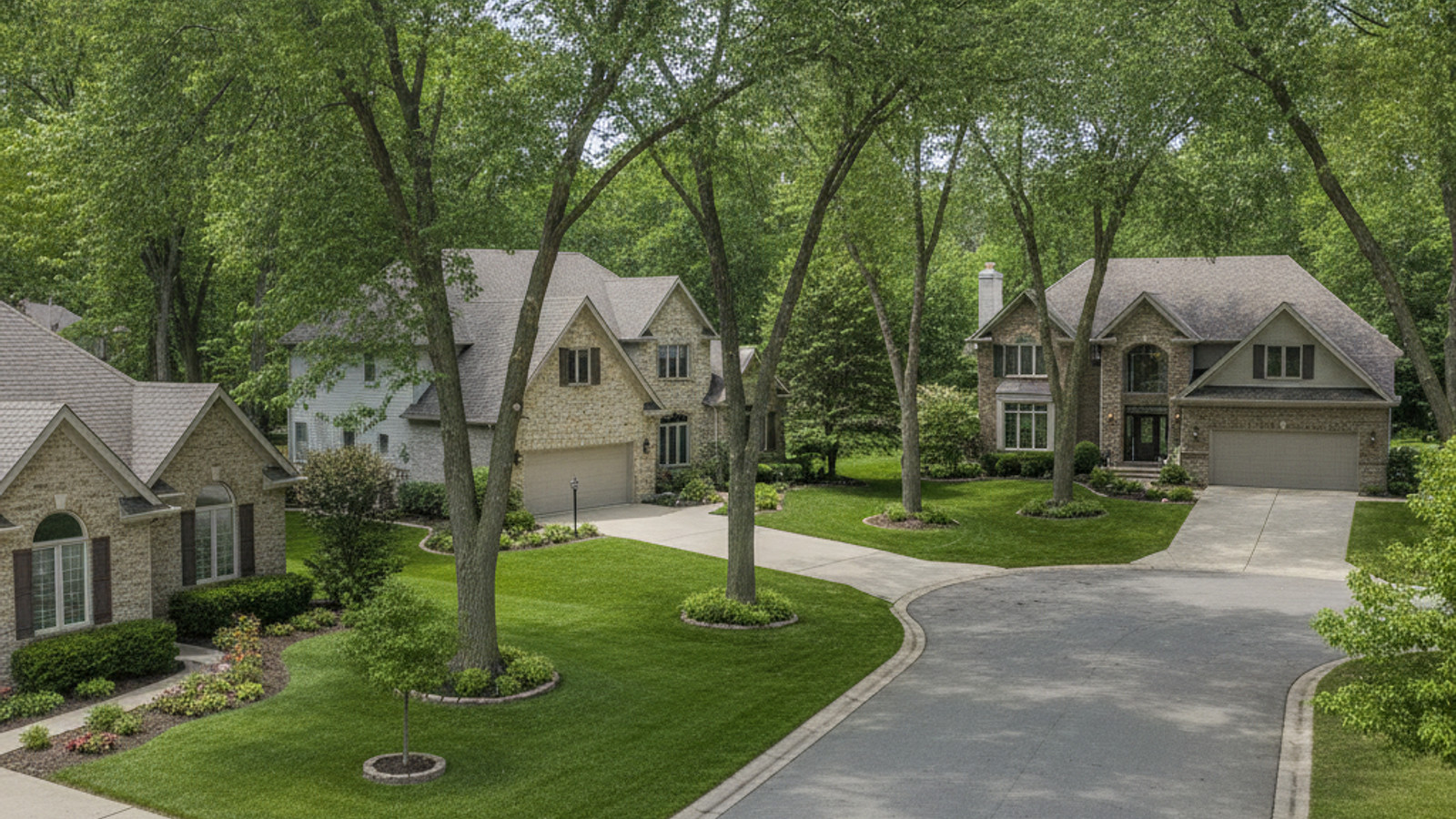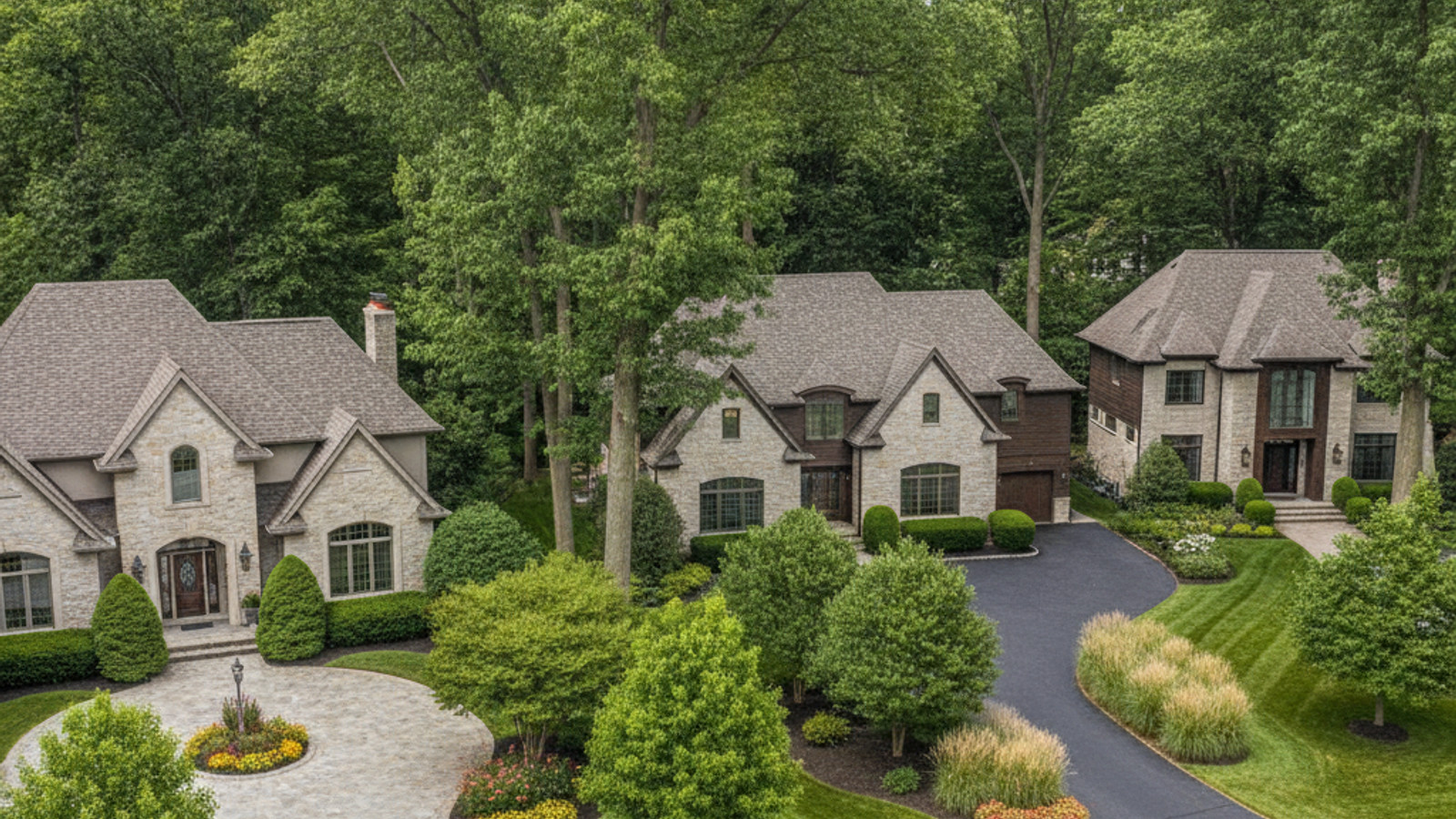
The median home price in Auburn Hills, MI, currently sits at roughly $319,700. Homes in the best neighborhoods in Auburn Hills move fast – an average of just 14 days on the market before going under contract. With about 40 active listings and only 2.5 months of supply citywide, buyers focused on the center of town are working in a competitive environment.
A lot of those buyers are specifically targeting the Auburn Hills historic district and the blocks immediately surrounding it. The draw is straightforward: walkable access to dining, lodging, and Riverside Park, all without giving up that distinct neighborhood feel. Properties in this part of town tend to sell slightly above asking, which tracks with the citywide average sale-to-list ratio of about 100.8%.
Getting to Know Downtown Auburn Hills and the Local Area
The historic district and the broader downtown are where the city’s civic life actually happens. Residential streets sit alongside commercial spaces in a layout that gets you to major roads quickly while still feeling like a real neighborhood – not just another stretch of suburban development.
Riverside Park is the anchor. It connects the commercial corridor to the water, with paved paths and open areas that give the neighborhood a natural counterweight to all the brick and asphalt. Buyers who want outdoor access without getting in a car tend to zero in on addresses within walking distance of this specific park.
What the Area is Known For
The downtown is recognized for its concentration of local businesses and dining, and it functions as a destination in its own right within the broader Auburn Hills market – drawing residents and visitors to the central corridor rather than just passing them through.
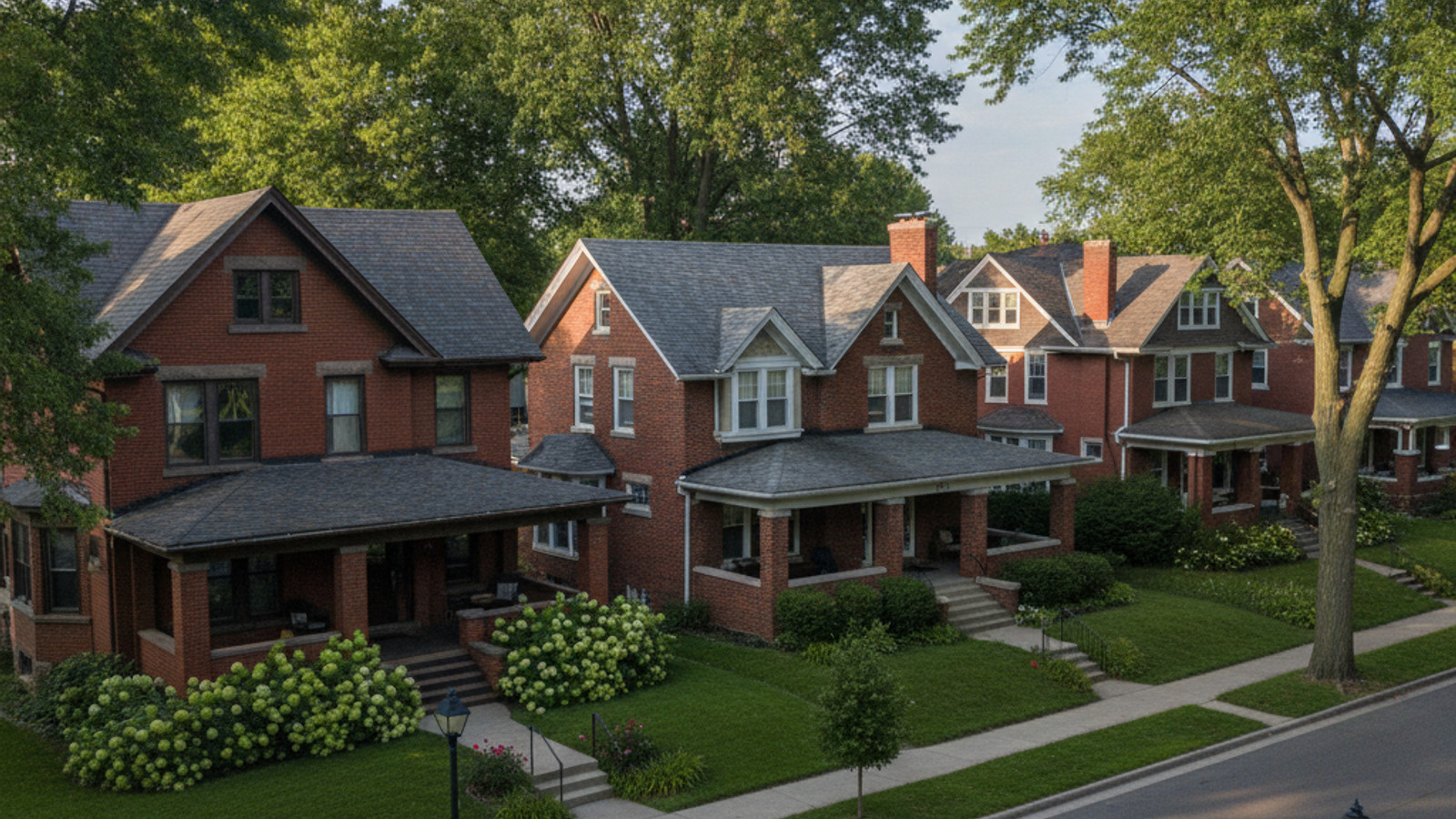
What makes the historic district visually distinct is the preservation of older buildings. That architectural continuity sets it apart from the newer developments on the city’s edges and appeals to buyers who want traditional character without sacrificing proximity to modern amenities.
Where to Stay in Downtown Auburn Hills
Visitors scoping out the area – or out-of-town buyers spending a few days looking at properties – have solid lodging options right around the downtown corridor. Average nightly rates run about $122, with 2-star hotels coming in around $75 per night and 3-star properties averaging roughly $125, particularly those closer to the Great Lakes Crossing Outlets.
Top Local Hotels
The Sonesta Select Detroit Auburn Hills carries an 8.6 out of 10 guest rating – the strongest of the options nearby. The Crowne Plaza Auburn Hills by IHG and the Hyatt Place Detroit/Auburn Hills both hold 7.8 ratings. The Crowne Plaza offers an indoor pool, hot tub, and concierge service. The Hyatt Place runs larger suites and puts guests close to the area’s main dining and entertainment venues.
Dining and Restaurants in Downtown Auburn Hills
The food scene here leans toward family-owned establishments and restaurants that have been around long enough to build a real following. Most of them sit close to the downtown center and the main routes leading to Riverside Park, which matters if you’re planning to live nearby.
Recognized Dining Options
Rangoli has been serving traditional Indian food in the area for two decades – that kind of longevity means something. The menu includes Tandoori Lamb Chops, Malai Kofta, and Hyderabadi Biryani. Alfoccino Italian Restaurant is a family-owned spot covering pasta, steak, and seafood. If you’re looking for sushi, Makimoto Sushi runs a large menu with specialty rolls like the Tango and New York.
Landmarks, Weather, and Medical Care in Downtown Auburn Hills
Auburn Hills has real seasons – that’s not a selling point or a warning, just something to factor into your decision. Annual temperatures range from 18°F to 82°F. July is the warmest month, averaging a high of 80.2°F and a low of 63.1°F, with summer generally sitting in the mid-70s to low 80s.
Winter Weather Patterns
January is the coldest month, with average lows in the low 20s. Snow, wind, and sustained freezing temperatures are routine – not occasional. If you’re buying in the historic district, budget for proper insulation and make sure the heating system is actually up to the job. These aren’t nice-to-haves in a Michigan winter.
Local Hospitals and Urgent Care
For non-emergency medical needs, Alpha Urgent Care on Baldwin Road – specifically at 4179 Baldwin Road – handles standard injuries and illnesses. For anything more serious, McLaren Oakland is the closest major hospital, sitting approximately 3.54 miles from the downtown Auburn Hills area.
Auburn Hills Historic District FAQ
Which specific streets and neighborhoods fall inside the Auburn Hills historic district boundaries?
The district covers specific blocks near the downtown center. Check the official city zoning map or the local historical commission website to confirm whether a particular address actually falls within the boundary lines – don’t assume based on proximity.
How do I get a Certificate of Appropriateness from the Auburn Hills Historic District Commission for exterior renovations?
You’ll need to submit a formal application to the historic district commission before any exterior work begins. The commission reviews applications during scheduled meetings and evaluates whether proposed changes align with local preservation guidelines.
What are the rules for replacing windows, doors, or roofing on a historic home in Auburn Hills?
Replacement materials have to match the original architectural style of the home. Commission approval is required before installation starts – not after.
Are there any Michigan state tax credits or local grants available for restoring a home in the Auburn Hills historic district?
Some historic properties may qualify for state-level preservation tax credits or local rehabilitation grants. Talk to a tax professional or contact the Michigan State Historic Preservation Office directly to find out what programs are currently available and when applications are due.
Does having a home in the Auburn Hills historic district generally help or hurt property resale value?
Historic designation tends to support property values by protecting the neighborhood’s architectural character. With the median sale price in Auburn Hills around $319,700 and homes consistently selling slightly above list price, well-maintained historic properties aren’t sitting on the market.
What happens if I make exterior changes to my historic Auburn Hills property without prior commission approval?
It’s a problem. Unapproved exterior alterations violate local preservation ordinances, and the city can issue stop-work orders and require you to undo the changes at your own expense.