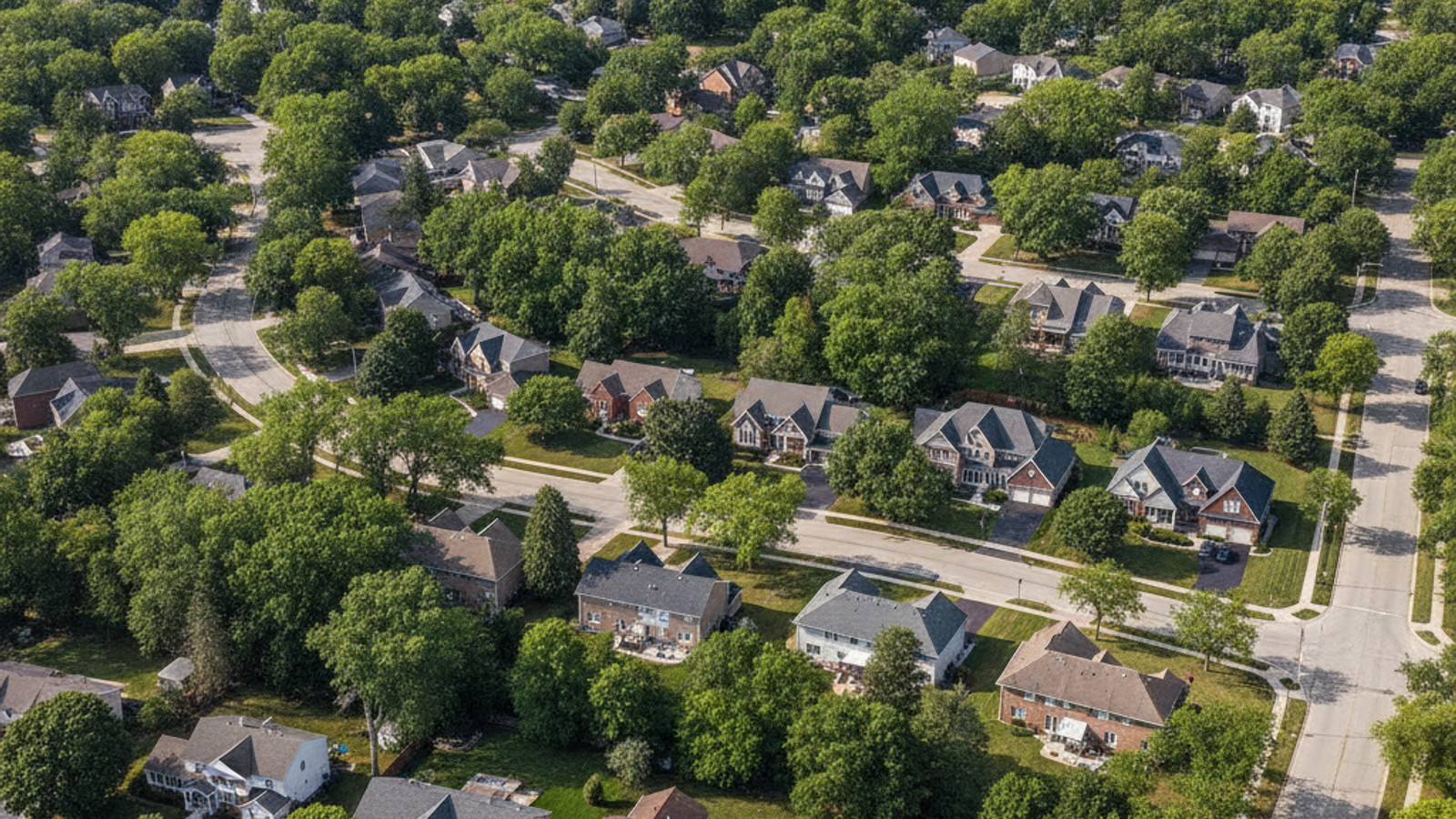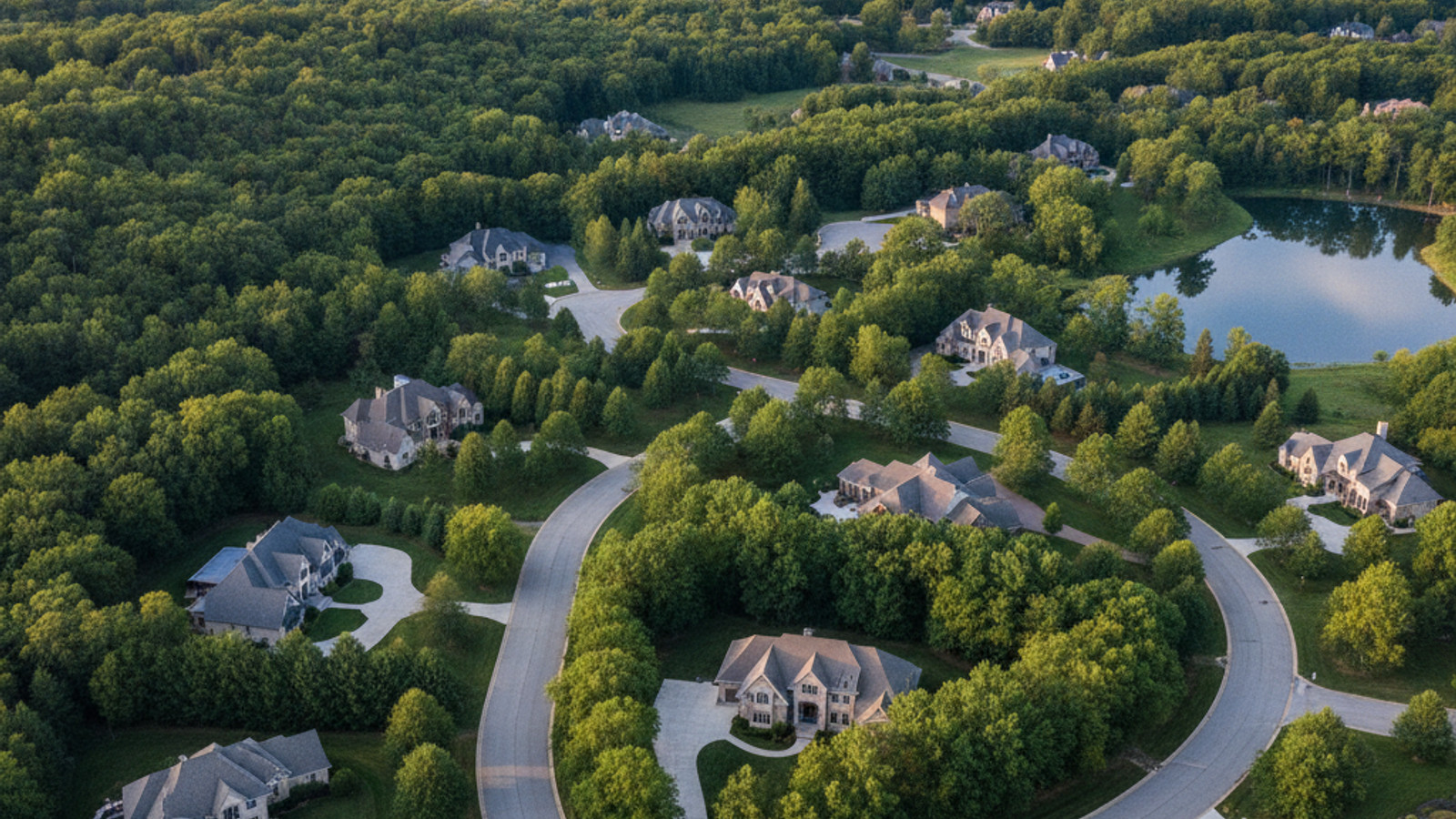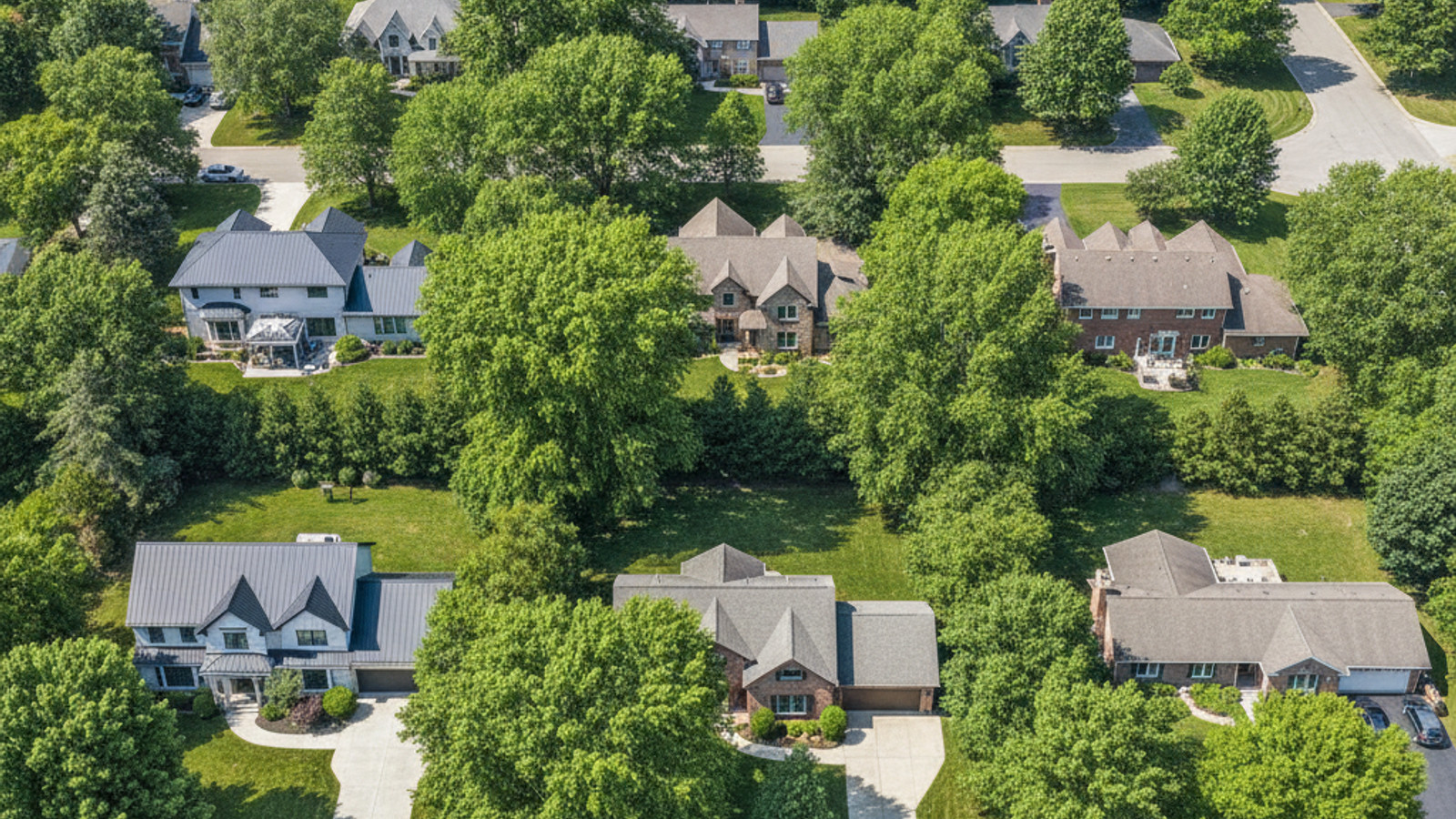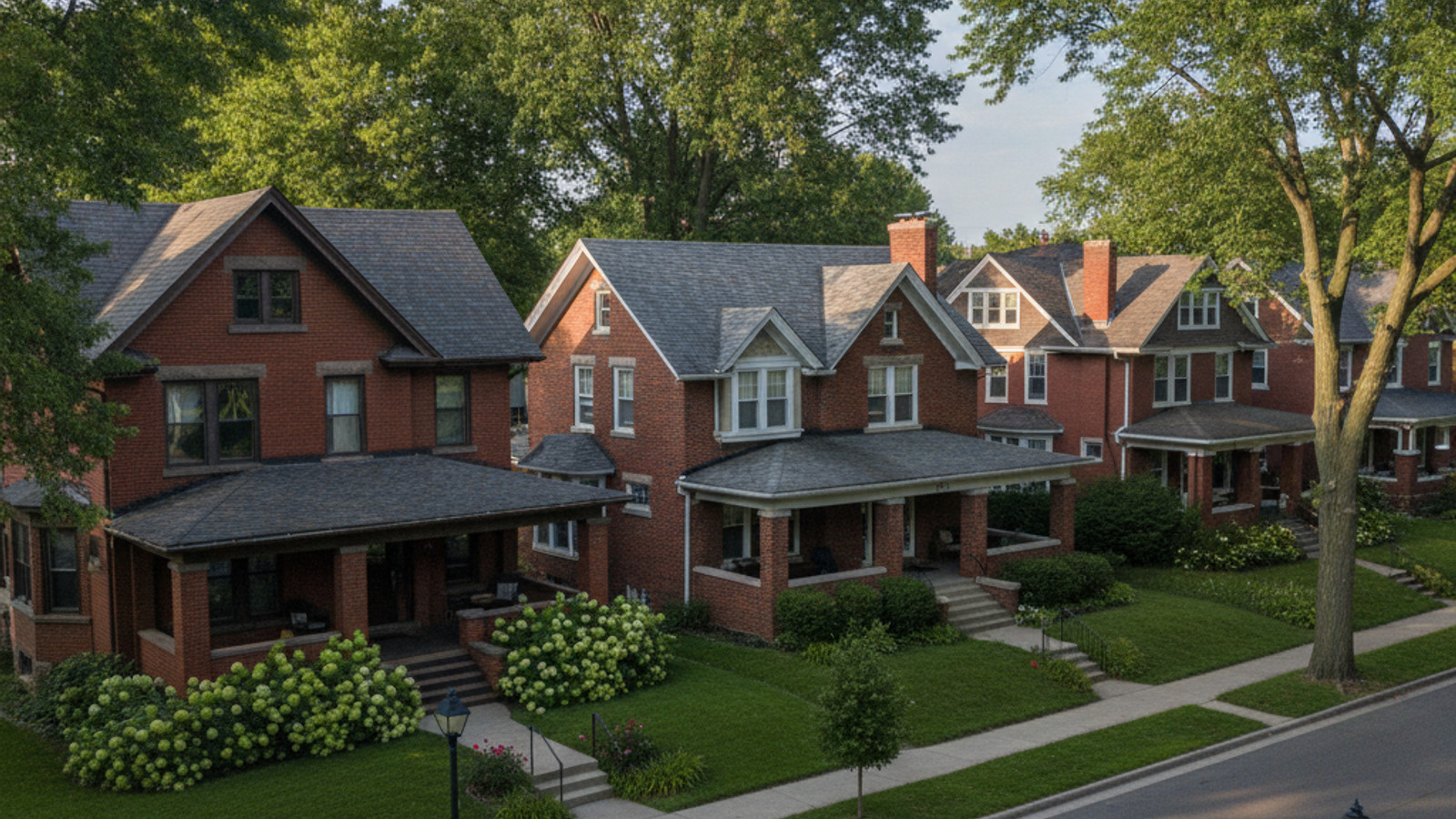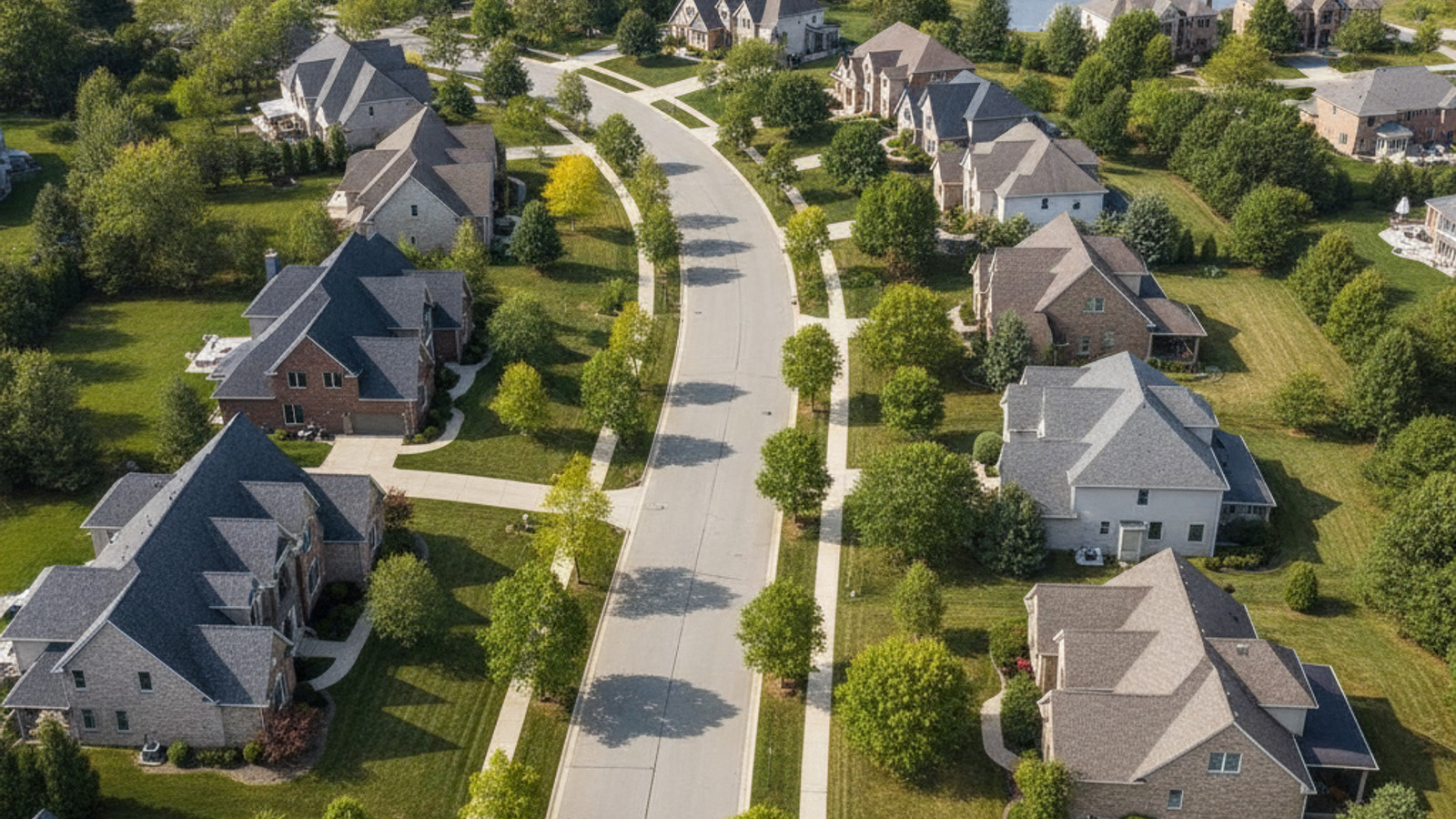
Evaluating a move to Oakland County requires looking closely at local housing data, commute times, and economic drivers. Troy stands out as a major suburban center located just north of Detroit, offering a dense mix of corporate headquarters and residential neighborhoods. Buyers considering living in Troy often weigh the robust local amenities against the highly active housing market.
Understanding the 2026 landscape means looking past surface-level appeal and examining the hard numbers. From property taxes to highway access, every factor plays a role in determining if this city fits your long-term real estate goals. The current market moves quickly, requiring buyers to have a clear grasp of property values and neighborhood features before making an offer.
Troy MI Location and Commuting to Metro Detroit
Troy is positioned approximately 22 miles north of downtown Detroit, making it a strategic location within Oakland County. The city spans several zip codes, primarily 48083, 48084, 48085, and 48098. This central placement allows residents to navigate between neighboring suburbs and the city center with relative ease.
The primary commute route into the city is Interstate 75, which runs directly through the area. During standard traffic conditions, the drive time to downtown Detroit is roughly 25 to 30 minutes. Buyers should note that the region relies heavily on cars, as public transit infrastructure remains limited outside of the main bus routes.
For daily travel, the grid system of major roads keeps traffic moving, though congestion is common during peak rush hours. The proximity to I-75 is a major selling point for those who need to travel frequently throughout Metro Detroit. Access to these major arteries strongly supports local property values by keeping commute times manageable.
Beyond the immediate highway access, the local road infrastructure is designed to handle significant daily volume. Major thoroughfares like Big Beaver Road serve as central arteries connecting different commercial and residential zones. Buyers evaluating different neighborhoods should test their specific commute during peak hours to gauge daily travel times accurately.
The Local Economic Landscape and Major Employers
Troy operates as a significant economic engine within the state, anchored by the Automation Alley business district. The city is a recognized hub for automotive technology, engineering firms, and financial services. This concentration of corporate headquarters creates a strong local job market that consistently drives housing demand.
Major corporate employers operating heavily in the city include Flagstar Bank, Kelly Services, Magna International, Meritor, and Aptiv. These companies bring a steady influx of relocation buyers into the local real estate market each year. The presence of these international and national firms helps stabilize the local economy against broader market fluctuations.
Beyond engineering and finance, the healthcare sector provides substantial employment opportunities. Beaumont Hospital, part of Corewell Health, is a massive local employer operating a 520-bed facility within the city limits. This dense concentration of diverse industries makes the area highly attractive for buyers seeking short commutes to major workplaces.
The presence of Automation Alley specifically brands the city as a destination for advanced manufacturing and software development. Buyers relocating for work often find that living close to these corporate campuses significantly improves their daily routine. A strong local economy directly supports property values, making homes here a more secure long-term investment.
Real Estate Market and Housing Options
The Troy real estate market remains highly competitive in 2026, characterized by steady demand and limited inventory. Homes for sale in Troy currently average 25 to 28 days on the market before going under contract. Buyers must enter the market with pre-approvals in hand and a readiness to make strong, clean offers.
In a market this fast-paced, waiting for the weekend to tour a new listing often means missing out entirely.
The median home price currently sits between $435,000 and $445,000, reflecting the area’s strong property values. This pricing tier requires buyers to carefully evaluate their purchasing power against current interest rates. Local property taxes and millage rates also play a significant role in calculating total monthly holding costs.
Buyers should also factor in the age of the housing stock when budgeting for a purchase. Many neighborhoods feature homes built in the late twentieth century, which may require cosmetic updates or system replacements. Properly evaluating inspection reports is crucial to understanding the true cost of a property in this market.
Average Home Prices by Property Type
Pricing varies significantly depending on the style, size, and location of the property. Single-family homes make up the bulk of the market, but attached housing provides alternative entry points for buyers. When evaluating the current inventory, buyers can expect the following approximate price ranges:
- Single-family homes generally list between $450,000 and $700,000 or more, typically offering larger lots and attached garages.
- Townhouses and condos range from $250,000 to $350,000, providing lower-maintenance living options.
- HOA fees in managed communities run between $200 and $400 monthly, covering exterior maintenance and shared amenities.
Navigating these different property types requires a clear understanding of your long-term housing needs. Attached housing often appeals to buyers looking to minimize exterior upkeep, while detached homes provide maximum privacy. Working with a knowledgeable local agent helps clarify which property style aligns best with your financial goals.
Troy MI Amenities, Shopping, and Dining
The local retail and dining scene is one of the most prominent features of the city. Residents have immediate access to extensive everyday necessities, including major grocery store chains and specialized health care facilities. This high density of commercial development means most daily errands require only a short drive.
The restaurant scene offers a wide spectrum of choices, ranging from casual dining to high-end cuisine. Major commercial corridors are lined with diverse food options, breweries, and local coffee shops. This commercial density adds significant convenience to the daily routine of residents.
The city also hosts a popular farmers’ market that operates during the warmer months. This local event provides access to fresh produce and regional goods, adding a community-focused element to the local commercial scene. Amenities like this contribute to the overall appeal of the area for prospective buyers.
The local cuisine reflects a vibrant and diverse community, offering everything from authentic international dishes to classic American steakhouses. Exploring the restaurant scene reveals a wealth of independent eateries alongside well-known national retailers. This culinary variety ensures that residents rarely need to leave the city limits for an excellent meal.
Shopping at the Somerset Collection
The Somerset Collection stands as the premier retail destination in the region, encompassing roughly 1.4 million square feet of space. This massive luxury mall features high-end retailers and upscale dining establishments that draw visitors from across the state. The property is a major economic driver and a focal point for local commerce.
The presence of Somerset impacts the surrounding area by driving significant traffic and supporting a dense cluster of nearby restaurants. Properties located in close proximity to the mall often command a premium due to the added convenience. It remains a central landmark that shapes the commercial identity of the city.
Parks, Recreation Facilities, and Outdoors
Beyond commercial development, the city maintains over 1,000 acres of municipal park space. Key locations like Boulan Park and Firefighters Park provide extensive facilities for outdoor recreation and sports. These green spaces offer a necessary balance to the dense commercial and residential zoning.
The area also features extensive trail systems that improve the overall bikeability of the community. Residents benefit from close proximity to regional attractions like the Detroit Zoo and the Cranbrook Educational Community. Access to these outdoor amenities is a frequent priority for buyers evaluating the local quality of life.
Winter weather in Michigan requires robust municipal services to keep public spaces and roads accessible. The city maintains its infrastructure efficiently, ensuring that roads and public spaces remain clear and accessible during the colder months. Evaluating year-round accessibility is a vital step when considering a relocation to the Midwestern United States.
For cultural excursions, the proximity to the Detroit Institute of Arts and other downtown museums provides significant metropolitan advantages. Residents can easily drive down I-75 to access world-class exhibits and theater performances. This blend of suburban space and urban accessibility is a core reason many choose to settle here.
Troy School District Objective Data
The local public education system is a major factor in the city’s sustained real estate demand. The Troy School District is highly rated, currently holding the number three spot in the Niche 2026 rankings for Michigan. Strong educational metrics consistently correlate with stable property values and high buyer interest.
The district boasts significant objective accolades, including six National Blue Ribbon schools. All schools within the district are also recognized as Michigan Exemplary Blue Ribbon schools. These standardized metrics provide clear data points for buyers prioritizing educational access.
Properties located within highly ranked district boundaries often experience lower market volatility. Even for buyers who do not plan to utilize the public schools, purchasing within the district is a strong long-term investment strategy. The reputation of the schools ensures a constant pool of interested buyers when it comes time to sell.
Resale value in this city is intrinsically linked to these educational ratings. Buyers frequently limit their property searches exclusively to the boundaries of top-tier districts to protect their equity. Understanding this dynamic is essential for making a sound real estate investment in Oakland County.
Frequently Asked Questions
What is the average commute time from Troy to Detroit?
The drive from Troy to downtown Detroit typically takes 25 to 30 minutes under normal traffic conditions. This route primarily utilizes Interstate 75, which runs directly through the city. Rush hour traffic can extend this timeframe, making proximity to highway on-ramps a valuable property feature.
What is the median home price in Troy MI?
The median home price in the current 2026 market ranges from $435,000 to $445,000. Single-family homes generally command higher prices, often listing between $450,000 and $700,000. Townhouses and condos offer a more accessible entry point, typically priced between $250,000 and $350,000.
What are the major employers in Troy MI?
The city is a major business hub featuring employers like Flagstar Bank, Kelly Services, and Magna International. The healthcare sector is also prominent, anchored by the 520-bed Beaumont Hospital facility. This dense concentration of corporate and medical jobs provides a strong foundation for the local economy.