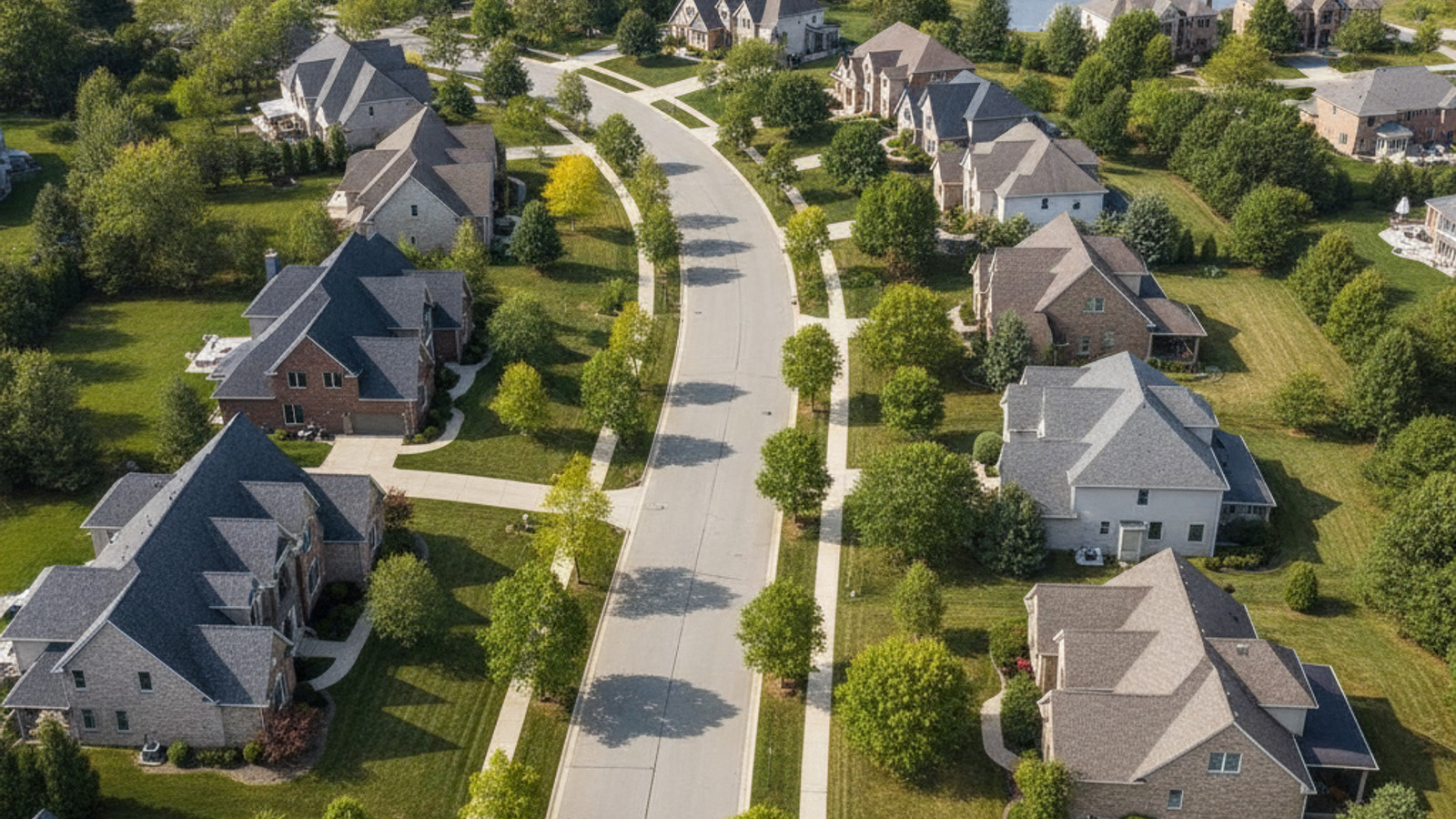
Located just 20 minutes north of Detroit via I-75, Troy operates as one of Oakland County’s most active suburban hubs. The city balances a high-end commercial corridor with extensive civic parklands, creating a highly sought-after environment for prospective homebuyers.
Exploring things to do in Troy MI reveals a dense concentration of modern amenities that directly support local property values. From premier shopping destinations to expansive green spaces, the lifestyle offerings here make it one of the most competitive real estate markets in the region.
Retail and Dining Along Big Beaver Road
Big Beaver Road serves as the primary economic and social engine of the city. This wide thoroughfare is lined with luxury retail centers, corporate headquarters, and some of the region’s top-rated restaurants.
Proximity to this corridor heavily influences real estate values across the area. Buyers targeting modern condo developments or established subdivisions nearby often pay a premium for the convenience of having these commercial amenities just minutes from their front door.
The Somerset Collection Experience
The Somerset Collection stands as the flagship retail destination in the region, spanning two sides of Big Beaver Road. This 1.4 million-square-foot luxury mall is seamlessly connected by an enclosed glass skywalk.
Shoppers from across Michigan travel here to visit anchor stores like Nordstrom, Saks Fifth Avenue, and Neiman Marcus. The complex also houses over 180 specialty shops and offers dedicated concierge services that elevate the overall retail experience.
Upscale Dining Options
The commercial district also features a dense cluster of high-end dining establishments. High-profile steak and seafood houses along Big Beaver Road include Ocean Prime, Fogo de Chão, and J. Alexander’s.
This concentration of upscale restaurants offers a city-like culinary experience within a suburban setting. Buyers who prioritize walkability or short drives to dinner frequently target homes for sale in Troy within this immediate central sector.
Outdoor Recreation and City Parks
Beyond the bustling commercial centers, the city maintains a deep commitment to preserving natural green spaces. The municipal government manages over 900 acres of parkland distributed throughout various neighborhoods.
Access to these large parks with modern sports facilities acts as a major driver for residential demand. Properties bordering these recreational areas tend to retain strong value and attract consistent buyer interest year-round.
Stage Nature Center
For passive recreation, the Stage Nature Center offers a 100-acre preserve dedicated to local wildlife and environmental education. The grounds feature roughly 2 miles of walking trails, including the popular Sugar Maple Loop and elevated boardwalks that cross over natural marshlands.
The trails wind near the headwaters of the Rouge River, while an interpretive center hosts educational programs throughout the year. These pathways are strictly designated for walking and nature study, ensuring a quiet environment for visitors.
Boulan Park and Firefighters Park
Residents seeking active recreational amenities frequently utilize Boulan Park and Firefighters Park. Boulan Park covers 63 acres and includes a 1.25-mile paved walking path, eight lighted tennis courts, and five well-maintained soccer fields.
Firefighters Park spans 96 acres and features an approximate 18-hole disc golf course alongside shore fishing access along the Rouge River. Neighborhoods bordering these two civic facilities see steady buyer interest due to the immediate access to outdoor activities.
Cultural Heritage at the Troy Historic Village
Local history and community events are centralized at the Troy Historic Village. This interactive museum features a collection of 11 preserved 19th-century buildings that were carefully relocated to a central village green.
Visitors can explore specific historical exhibits, including an operational blacksmith shop, a traditional log cabin, and a one-room schoolhouse. The grounds remain active throughout the year with ongoing community programming and hands-on blacksmithing classes.
The village also hosts large annual gatherings, most notably the Troy Traffic Jam car show. Cultural institutions like this contribute to strong community retention rates, giving residents a localized venue for weekend events.
Troy Real Estate and Commuter Accessibility
The robust lifestyle amenities directly impact the local housing market conditions and commuting advantages. In early 2026, the real estate market remains highly active, with an approximate median home price hovering around $440,000.
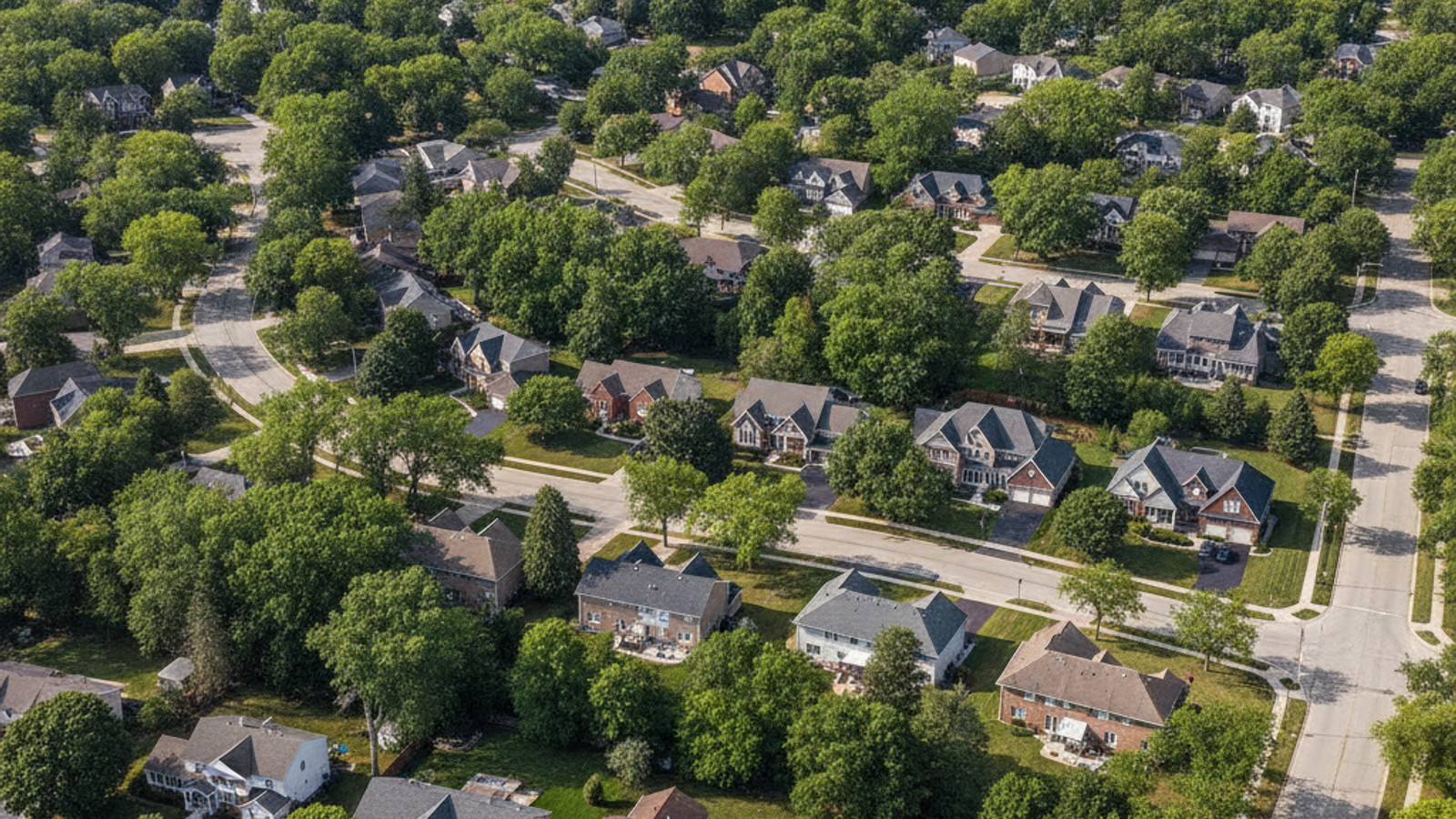
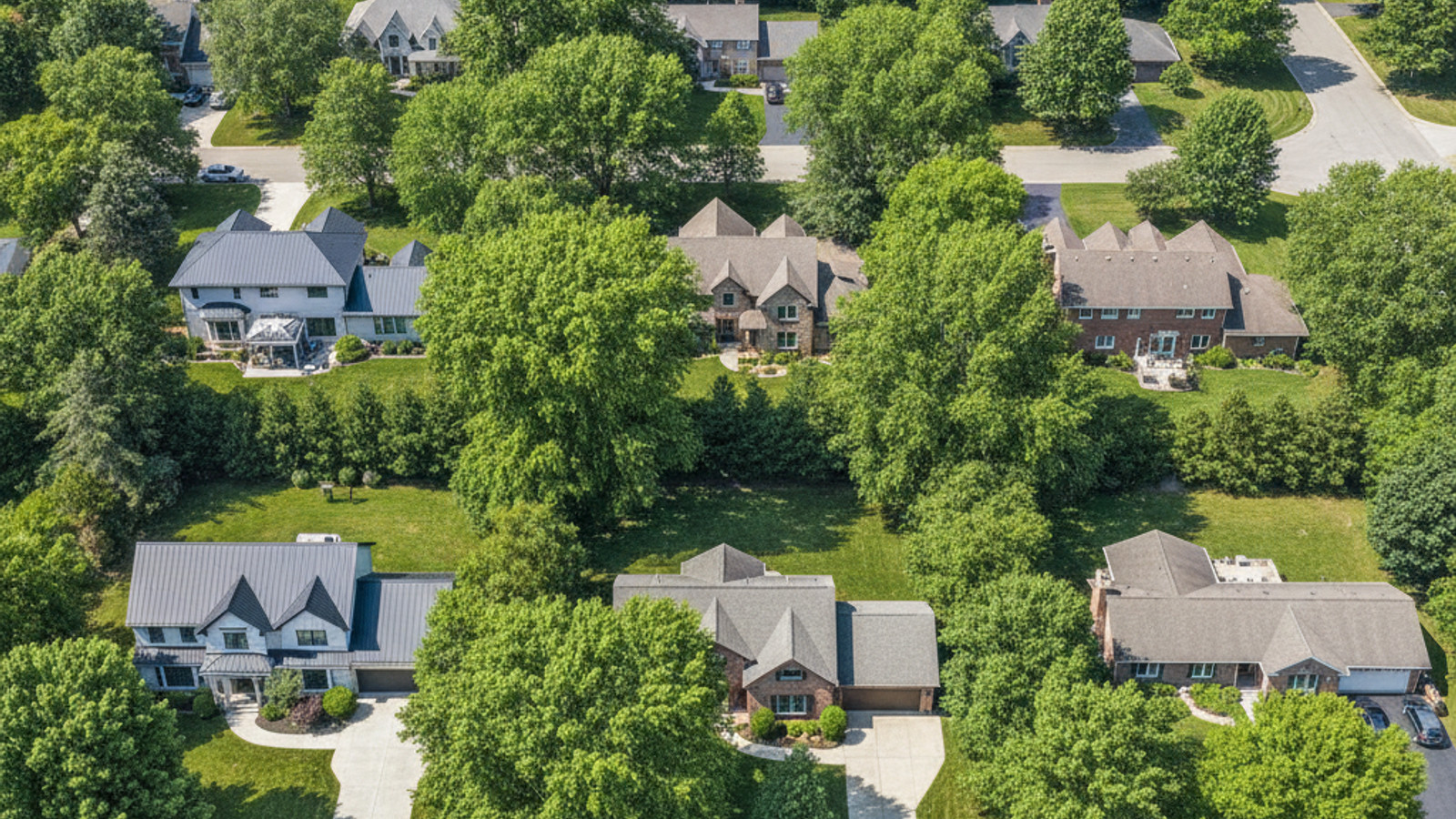
The typical housing inventory offers a distinct contrast across different zones of the city. Buyers will find established single-family homes situated near Maple Road, while modern condominiums dominate the landscape closer to Big Beaver Road.
Living in Troy provides significant logistical advantages, specifically direct access to I-75 for streamlined commuting throughout the Detroit metro area. Buyers must budget accurately for local property taxes and be prepared for competitive listings that often go pending in under 30 days.
Frequently Asked Questions About Living in Troy, MI
Is there a downtown area in Troy, MI?
Troy does not have a traditional, walkable downtown grid like some older neighboring municipalities. Instead, Big Beaver Road serves as the primary commercial corridor packed with retail centers and dining options. This layout requires a vehicle for most errands, though certain condo developments offer localized walkability.
What is Troy, Michigan, known for?
The city is regionally recognized as a premier corporate and retail hub anchored by the Somerset Collection. It is also known for its strong public school system and extensive municipal parklands. These combined features make it a highly competitive real estate market within Oakland County.
What types of homes are available near Troy’s major parks?
Neighborhoods surrounding the city’s 900 acres of parkland primarily feature established single-family homes built between the 1970s and 1990s. Buyers can find spacious colonial and ranch-style properties with mature landscaping backing up directly to green spaces. Condominiums and townhomes are also available, though they are typically located closer to the main commercial arteries.