Buyers looking at homes for sale in Oakland County often find themselves weighing troy mi vs madison heights. These two adjacent suburbs offer entirely different entry points into the Metro Detroit real estate market.
Making the right choice comes down to balancing upfront purchase costs with long-term property features. Understanding the distinct neighborhood layouts, commute patterns, and local tax structures is essential for a sound investment.
Housing Market Trends and Median Prices
The 2026 real estate landscape in these two communities presents a stark contrast in pricing and architectural style. Troy commands a higher price point, with a median home value hovering around $435,000.
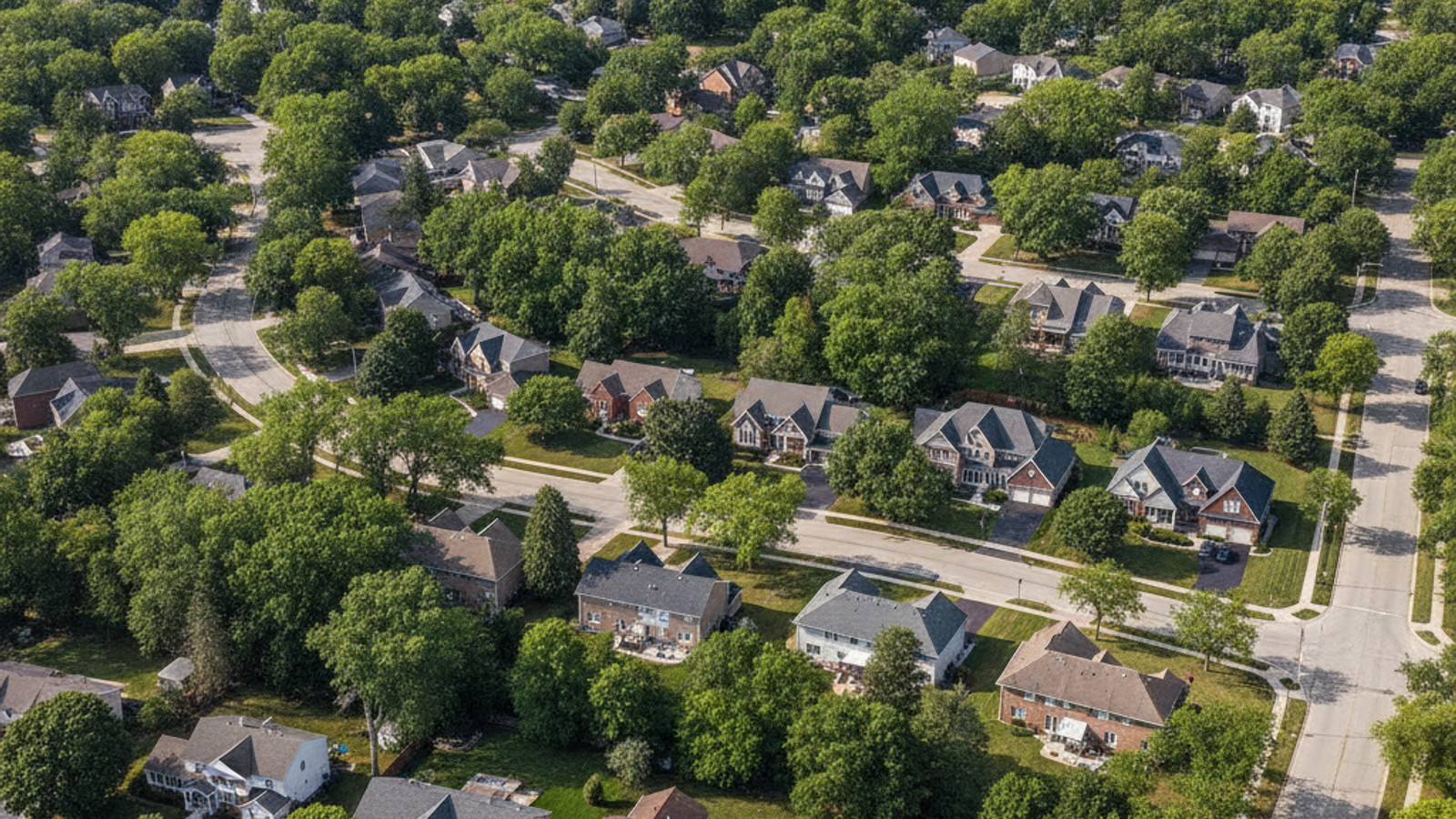
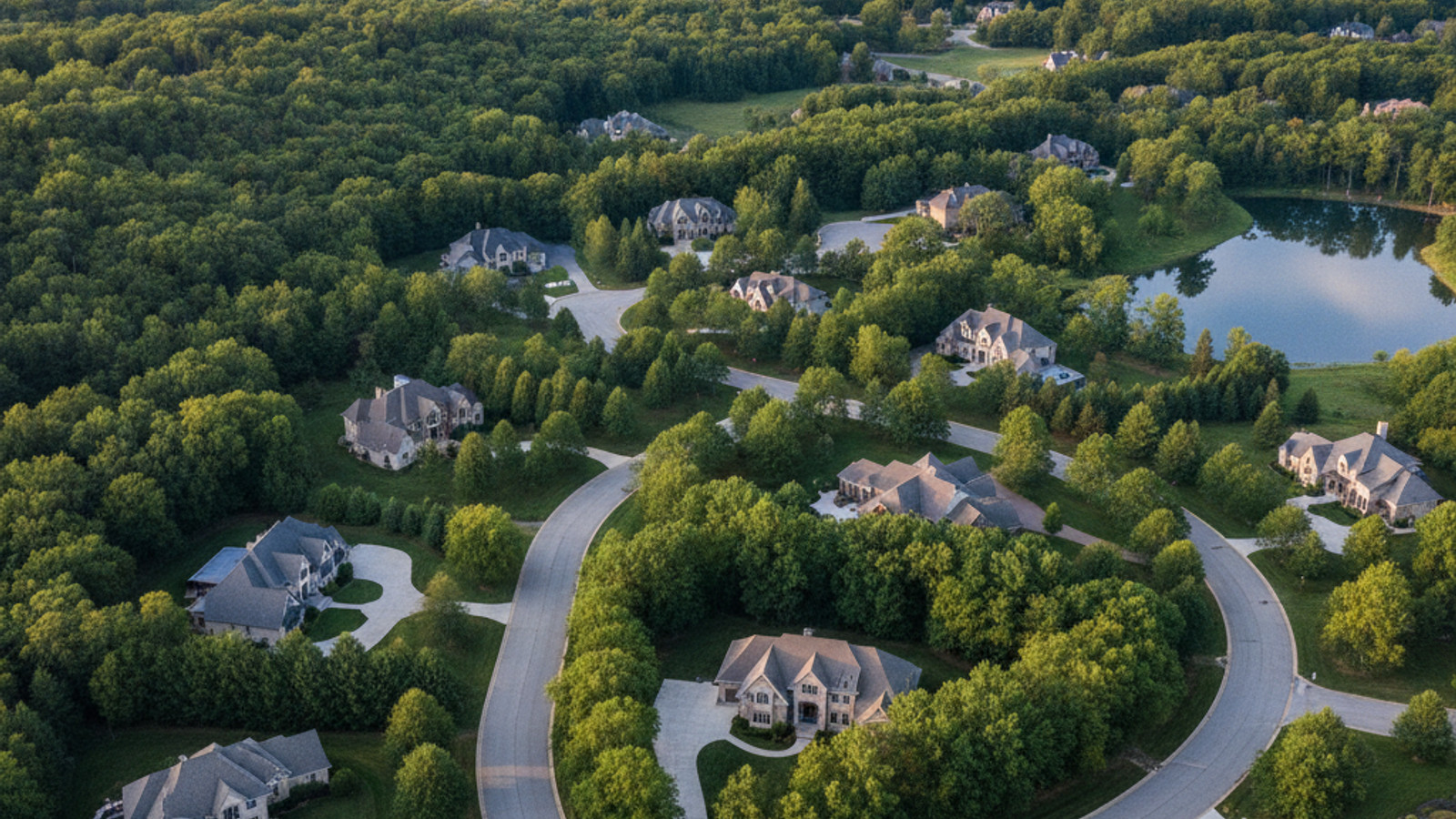
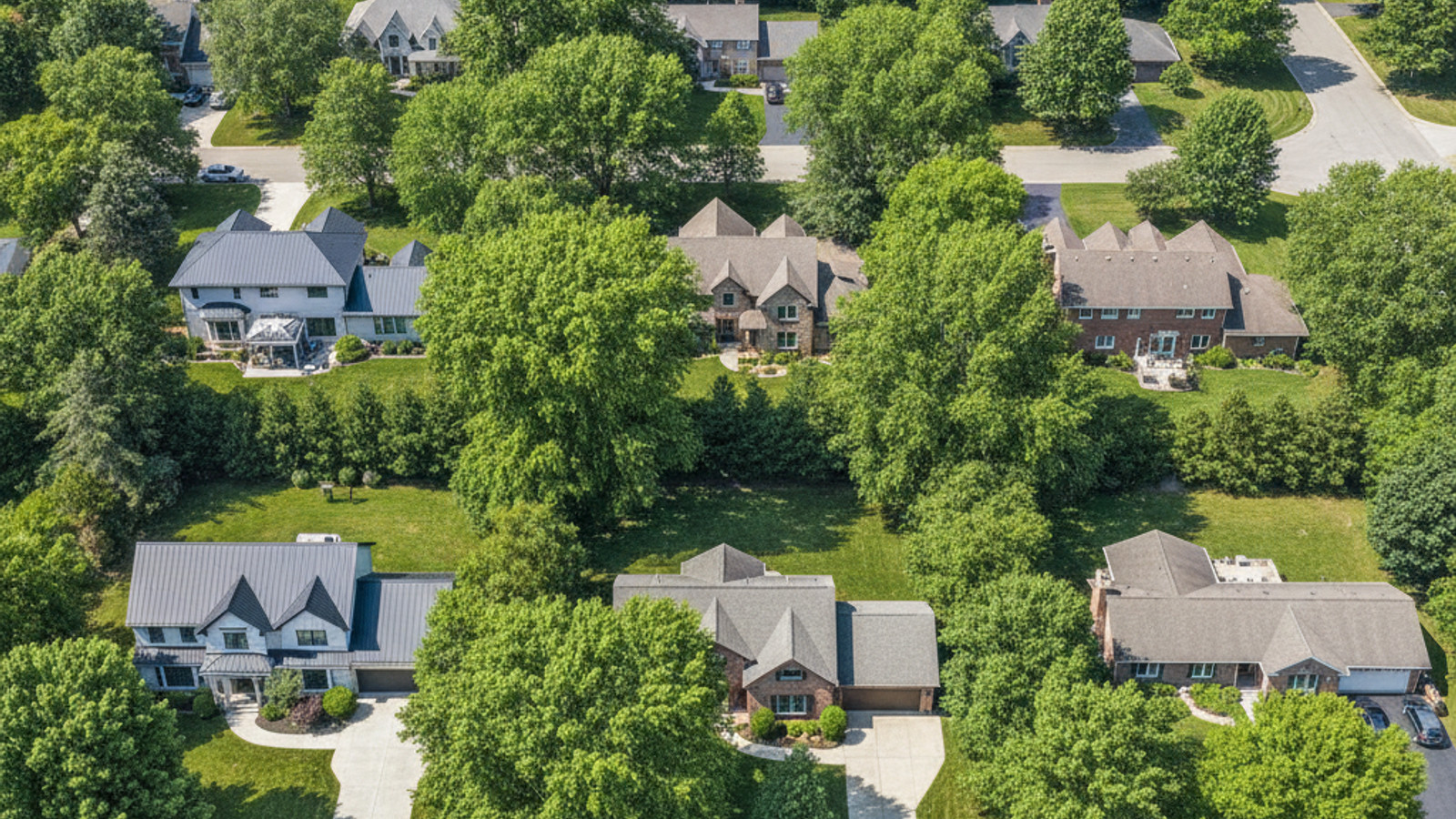
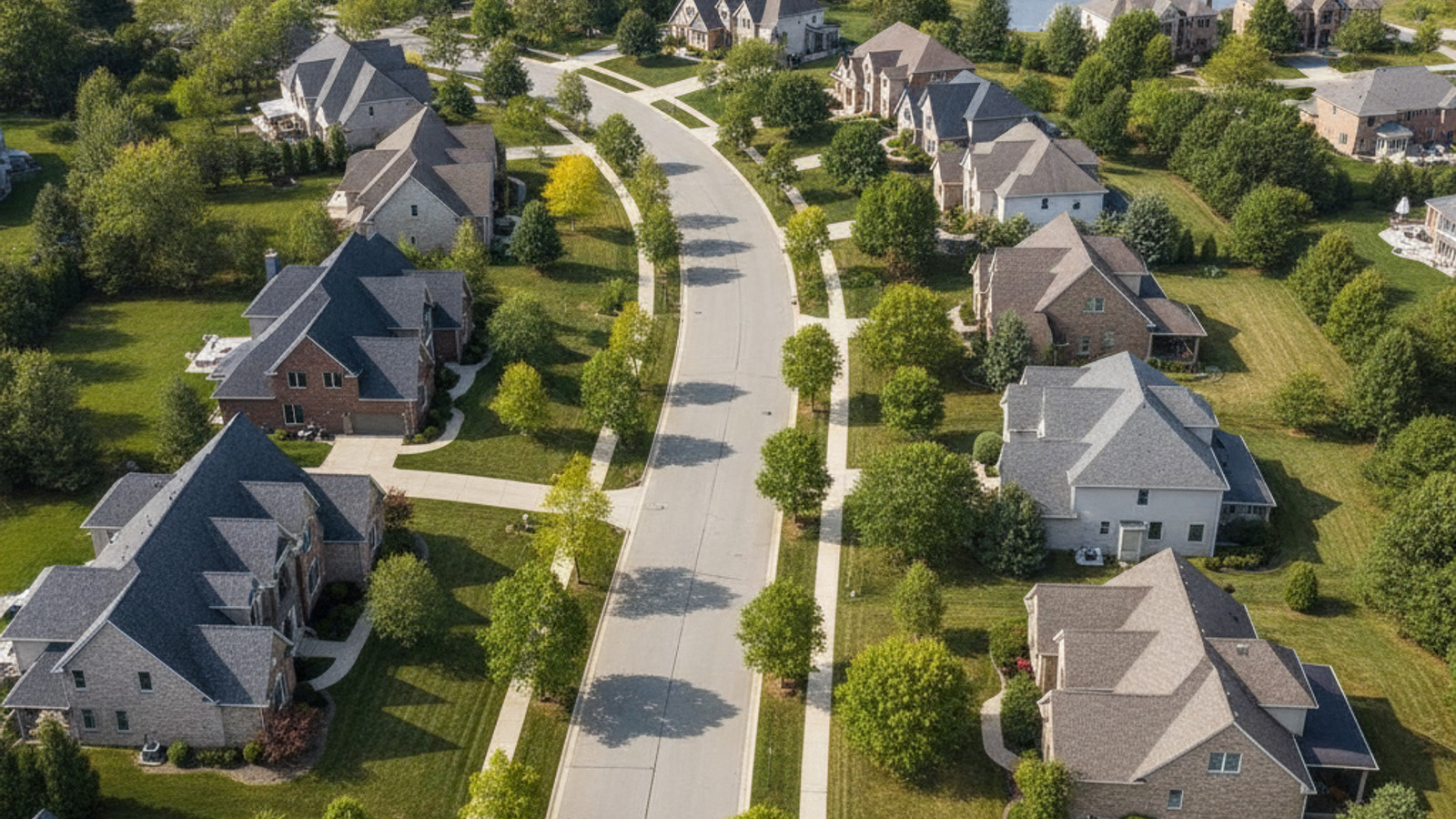
This premium pricing in Troy secures larger contemporary builds and sprawling subdivision layouts. Buyers prioritize this market for its newer construction and expansive lot sizes.
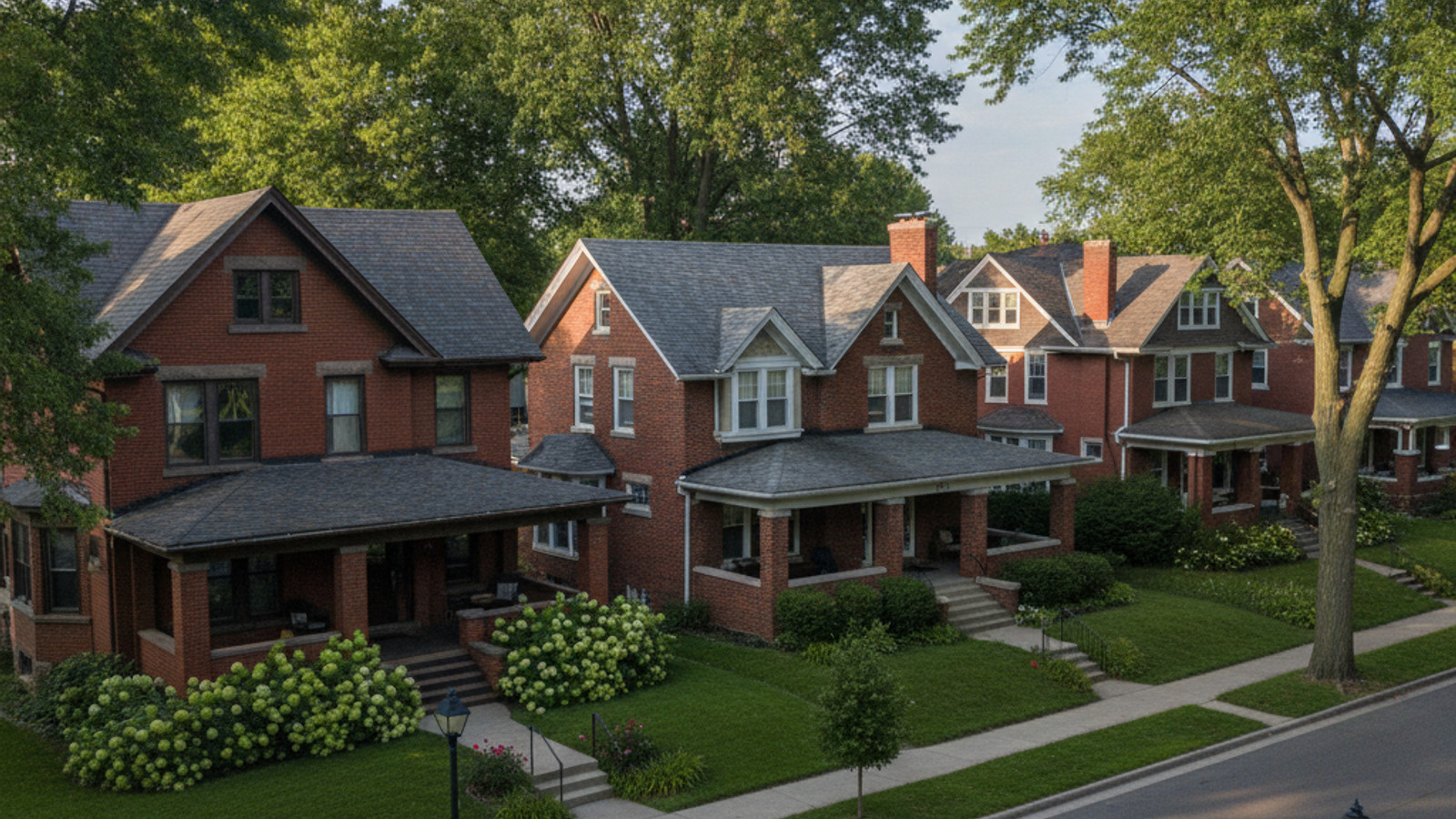
Conversely, Madison Heights offers a highly accessible entry point with median prices near $215,000. The housing stock here leans heavily into mid-century brick ranches situated on traditional grid streets.
From an investment perspective, Troy offers stronger long-term appreciation prospects due to sustained buyer demand. However, Madison Heights provides immediate upfront financial accessibility for buyers who want to build equity without overextending their initial budget.
Property Taxes and Oakland County Assessments
Michigan assesses property taxes based on roughly 50 percent of a home’s market value. This means your tax burden is directly tied to the baseline purchase price and the local municipal millage rate.
Madison Heights averages an effective tax rate of approximately 1.41 percent. While Troy’s millage rate is competitive, the significantly higher baseline home values generate much larger annual tax bills.
Buyers must calculate the exact millage rate for their target zip code before submitting an offer. Failing to account for these local tax differences can easily disrupt a monthly carrying cost budget.
Comparing the Local School Districts
School district zoning directly impacts real estate demand and resale value across Metro Detroit. Buyers frequently use educational boundaries as a primary filter when searching for property.
It is critical to verify specific property addresses through official county records. Municipal city limits do not always align perfectly with school district borders.
Paying a premium for an established school zone often locks in a more stable resale value during market downturns. Finding value in adjacent districts can save buyers tens of thousands of dollars upfront, provided they are comfortable with the specific educational boundaries.
Troy School District Performance
The Troy School District operates 20 schools and frequently ranks among the top three districts in Michigan. This strong statewide reputation creates sustained, intense buyer competition year-round.
The presence of highly-rated high schools reliably attracts buyers relocating from outside Oakland County. This consistent demand acts as a stabilizing anchor, keeping median property values firmly in the $400,000 range.
Lamphere Public Schools and Madison District Public Schools
Madison Heights is split into two primary educational zones, which introduces a layer of complexity for buyers. Lamphere Public Schools serves the northern half of the city, while Madison District Public Schools covers the southern portion.
Gardenia Avenue acts as a rough geographic dividing line between these two distinct districts. Property values and buyer demand often fluctuate noticeably depending on which of the two zones a specific home occupies.
Commute Times and Metro Detroit Access
Interstate 75 serves as the primary north-south traffic artery for both of these Oakland County suburbs. This major highway dictates the daily travel logistics for residents commuting to regional employment hubs.
A standard commute to Downtown Detroit from Madison Heights takes approximately 15 to 20 minutes. Traveling from Troy requires a longer 25 to 35-minute drive, depending on morning traffic congestion.
Madison Heights also benefits from immediate access to Interstate 696. This interchange makes east-west travel to neighboring commercial centers like Warren or Farmington Hills highly efficient.
Buyers prioritizing minimal driving times and immediate highway access consistently favor Madison Heights over Troy. The geographic positioning simply cuts down on daily transit hours for those working in the city center.
Municipal Amenities, Parks, and Retail
The commercial and recreational facilities available to residents differ sharply between the two cities. Each municipality has developed its infrastructure to serve distinct regional functions.
Troy caters heavily to luxury retail and corporate centers, while Madison Heights offers accessible neighborhood dining and daily conveniences. The choice depends entirely on what amenities a buyer wants within a five-minute drive.
Residents evaluating the local lifestyle offerings will notice several key distinctions. The infrastructure in each community supports entirely different daily routines:
- Troy features an upscale retail environment anchored by the Somerset Collection.
- Large municipal green spaces like Boulan Park provide expansive recreational areas in Troy.
- Madison Heights boasts dense commercial corridors along John R Road and Dequindre Road, known for a wide variety of Asian grocery stores and restaurants.
- Red Oaks Waterpark serves as a major regional draw located squarely within the Madison Heights city limits.
Ultimately, buyers looking for high-end shopping naturally gravitate toward Troy. Those who value diverse culinary options and quick grocery runs find excellent utility living in Madison Heights.
Frequently Asked Questions
How far is the drive from Madison Heights to Troy, MI?
The drive between the two cities typically takes 10 to 15 minutes via Interstate 75 or John R Road. They share a direct border, making travel between their respective commercial districts seamless. Commuters easily navigate the roughly five-mile distance for daily shopping or employment.
What are the current housing market trends in Troy?
The Troy housing market remains highly competitive with a median home price hovering around $435,000. Active inventory moves quickly, driven largely by the strong reputation of the local school district. Buyers should expect multiple offers on updated single-family homes in established subdivisions.
Is Madison Heights close to neighboring cities like Royal Oak and Ferndale?
Madison Heights borders Royal Oak to the west and sits just north of Ferndale. This positioning allows residents to access the dining and entertainment venues of both cities within a 10-minute drive. It serves as a highly cost-effective alternative for buyers priced out of those adjacent markets.