If you are looking at moving to Metro Detroit and asking around for recommendations, Troy is likely the first name that pops up. It is consistently ranked as one of the best places to live in Michigan, often carrying an A+ rating on sites like Niche. But does it live up to the hype?
The short answer is yes. Troy is what we call a “destination suburb” in Oakland County. With a population of around 87,000, it sits right in the heart of the action, about 25 minutes north of Detroit. It is a high-service city, which is a polite way of saying the taxes are higher here than in some neighboring towns, but you see that money at work. From aggressive snow removal to immaculate parks, the city runs like a well-oiled machine.
For buyers, the equation usually looks like this: housing inventory is tight and prices are competitive, but the return on investment comes through the exceptional school system and the sheer volume of amenities. If you are prioritizing education and convenience, Troy is hard to beat.
The #1 Draw: Troy School District Quality
Let’s be honest: for most of my clients, the search begins and ends with the schools. The Troy School District is the primary driver for real estate values here. It is widely recognized as a Blue Ribbon district and consistently lands in the top tier of Michigan rankings.
When people talk about “great schools,” they usually mean high test scores, and Troy delivers that with schools like Troy High and Bemis Elementary. However, the real strength here is the diversity. With over 80 languages spoken within the district, students are exposed to a global perspective that is rare in many suburban environments. It is a massive asset for preparing students for the modern world.
A critical note for homebuyers: Do not assume that having a “Troy, MI” mailing address automatically places you in the Troy School District. While the majority of the city is covered by TSD, sections of the city are served by the Avondale School District or Warren Consolidated Schools. Always verify the specific school boundaries for any home you are serious about.
Resident Perks: Amenities for Daily Living
Once the school bus pulls away, what is life actually like here? Troy is designed for active residents. This isn’t a “sleepy” suburb; the amenities are built to keep you busy.
The crown jewel is the Troy Community Center. calling it a “gym” doesn’t do it justice—it’s a resort-style facility. We are talking about an indoor pool with slides, a massive fitness center, and meeting rooms. Residents get specific rates, and it becomes a central hub for everything from morning workouts to weekend birthday parties.
Beyond the center, the city maintains over 900 acres of parkland. Parks like Boulan Park and Firefighters Park are incredibly well-kept. You won’t just find a swing set; you’ll find well-groomed soccer fields, walking paths, and picnic shelters that are actually clean. The Troy Public Library is another standout, featuring robust programming and a massive selection that rivals much larger cities.
Fun Things to Do with Kids in Troy
If you are worried about keeping the household entertained, you won’t have to leave the city limits very often. Troy has a solid mix of seasonal and year-round attractions.
- Troy Family Aquatic Center: This is the summer hotspot. It features zero-depth entry for toddlers, massive slides for the older crowd, and sand volleyball courts. A seasonal pass here is a common investment for locals.
- Stage Nature Center: For a break from the digital world, this is a gem. It offers nature trails and an interpretive building that hosts educational programs year-round.
- Troy Historic Village: This offers a hands-on look at the past. It’s not a dusty museum; it’s an interactive village where history lessons actually stick.
- Somerset Collection: While it is a luxury mall, locals use it for more than just shopping. It’s a safe, climate-controlled environment for walking strollers in the winter, and the Peacock Cafe is a staple for a quick family bite.
Is Troy Safe? Crime Rates and Community Stats
When discussing safe neighborhoods, it is important to look at the numbers and the geography. Statistically, Troy’s violent crime rate is significantly lower than both the state and national averages (roughly 0.8 per 1,000 residents). The police department is well-funded and very engaged with the community.
However, you have to understand the layout of the city. Troy is home to the “Big Beaver” corridor, which is a massive retail and business hub. Naturally, areas with high retail traffic experience some property crime, like retail theft.
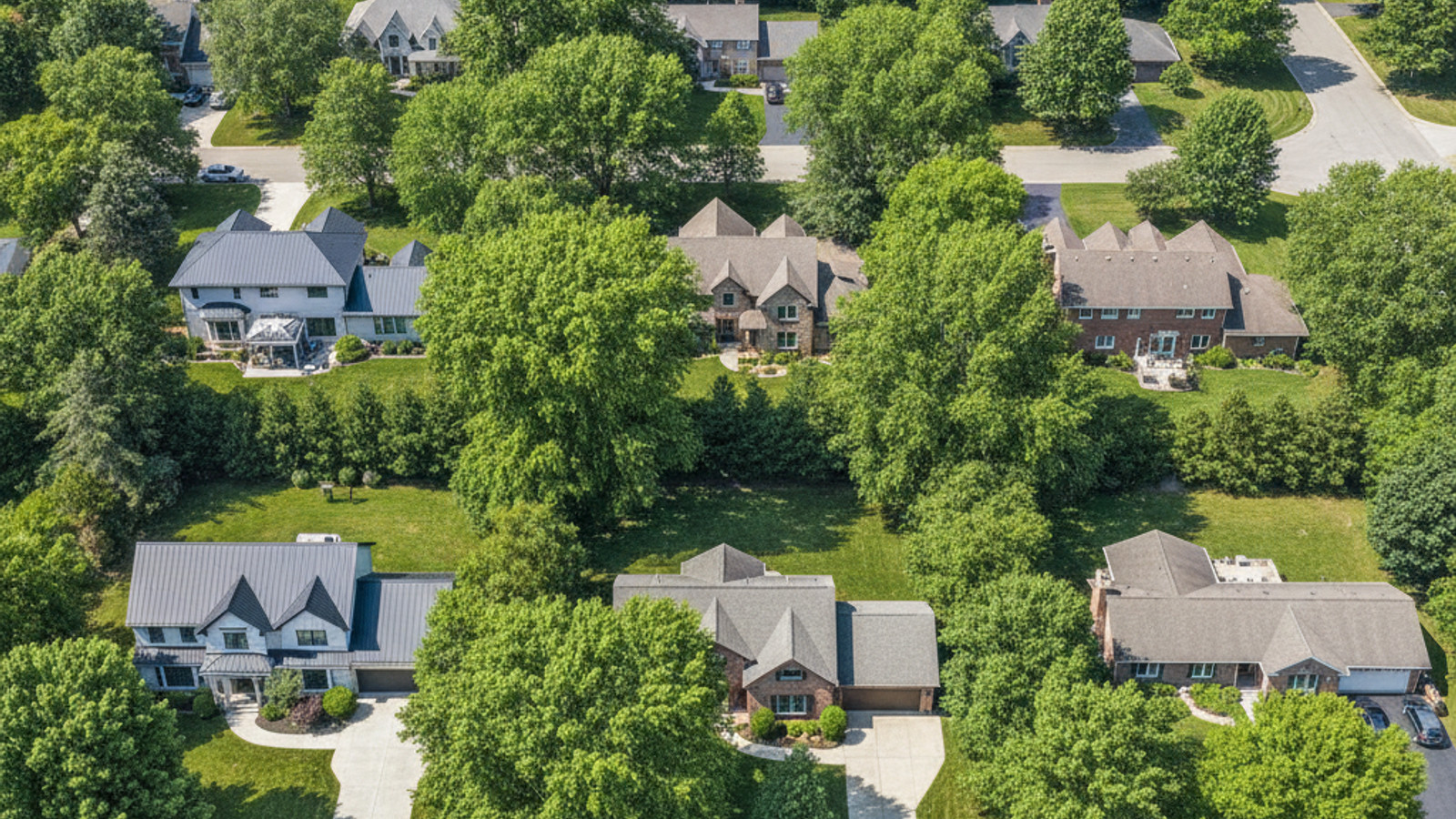
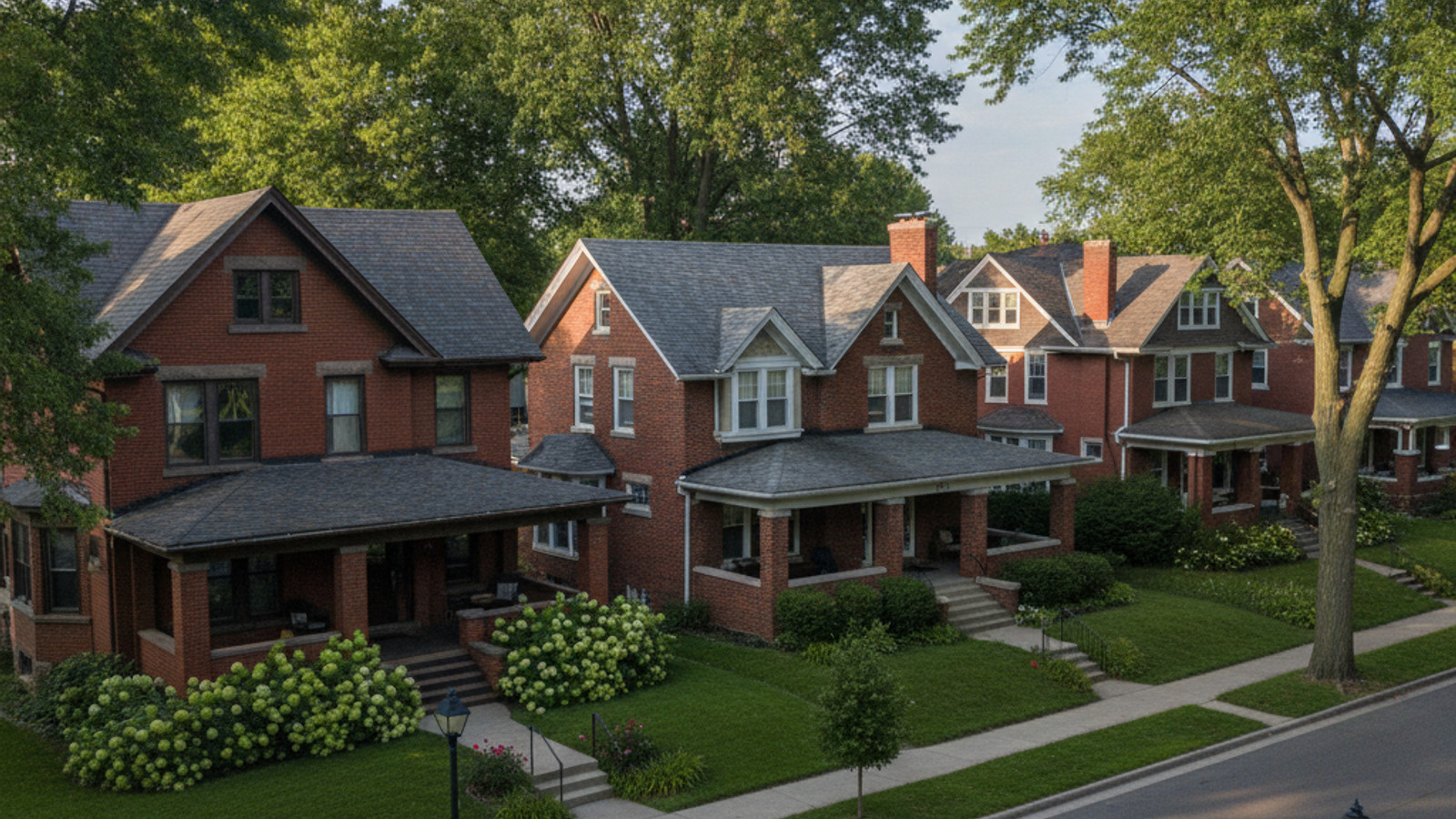
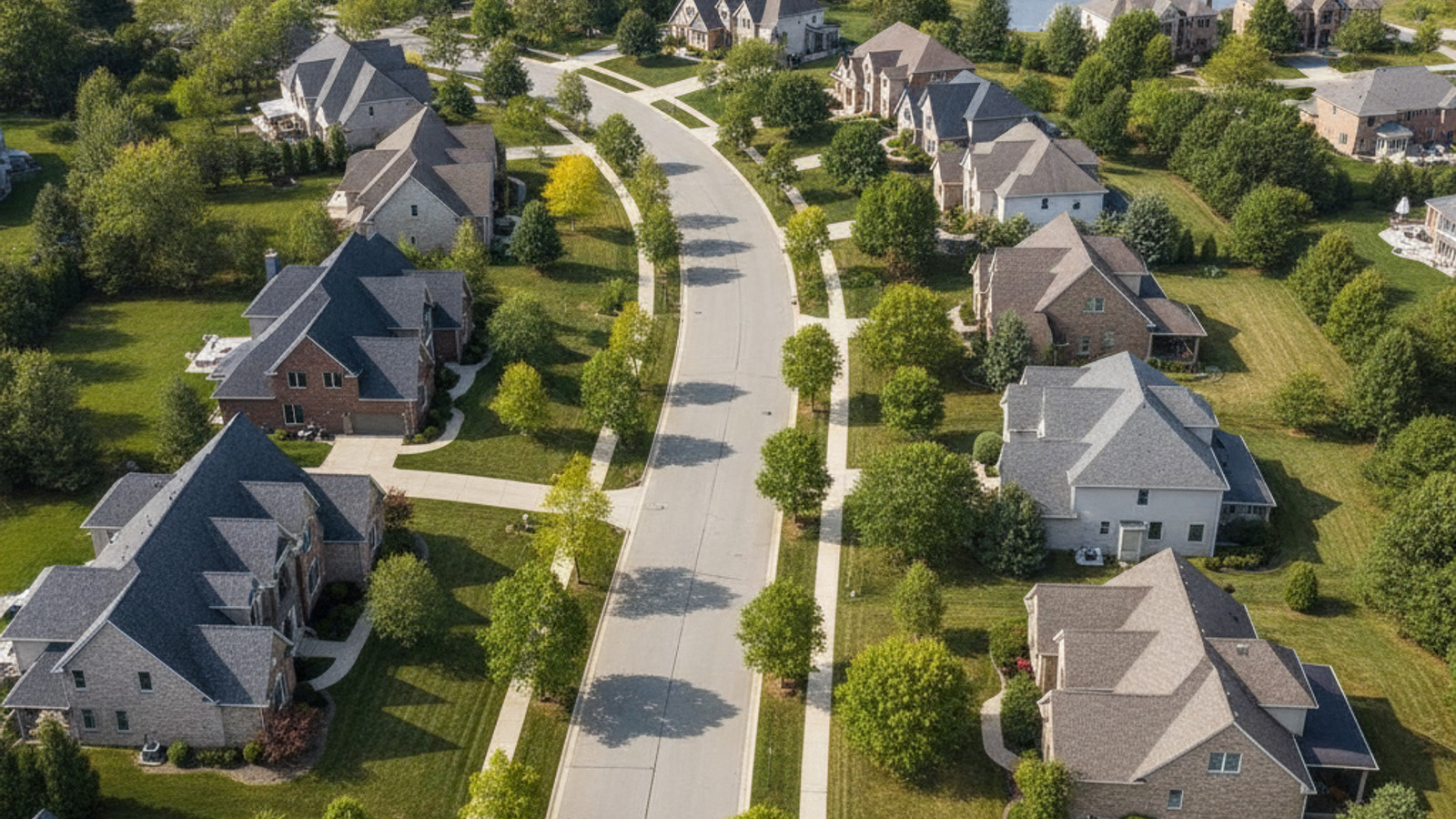
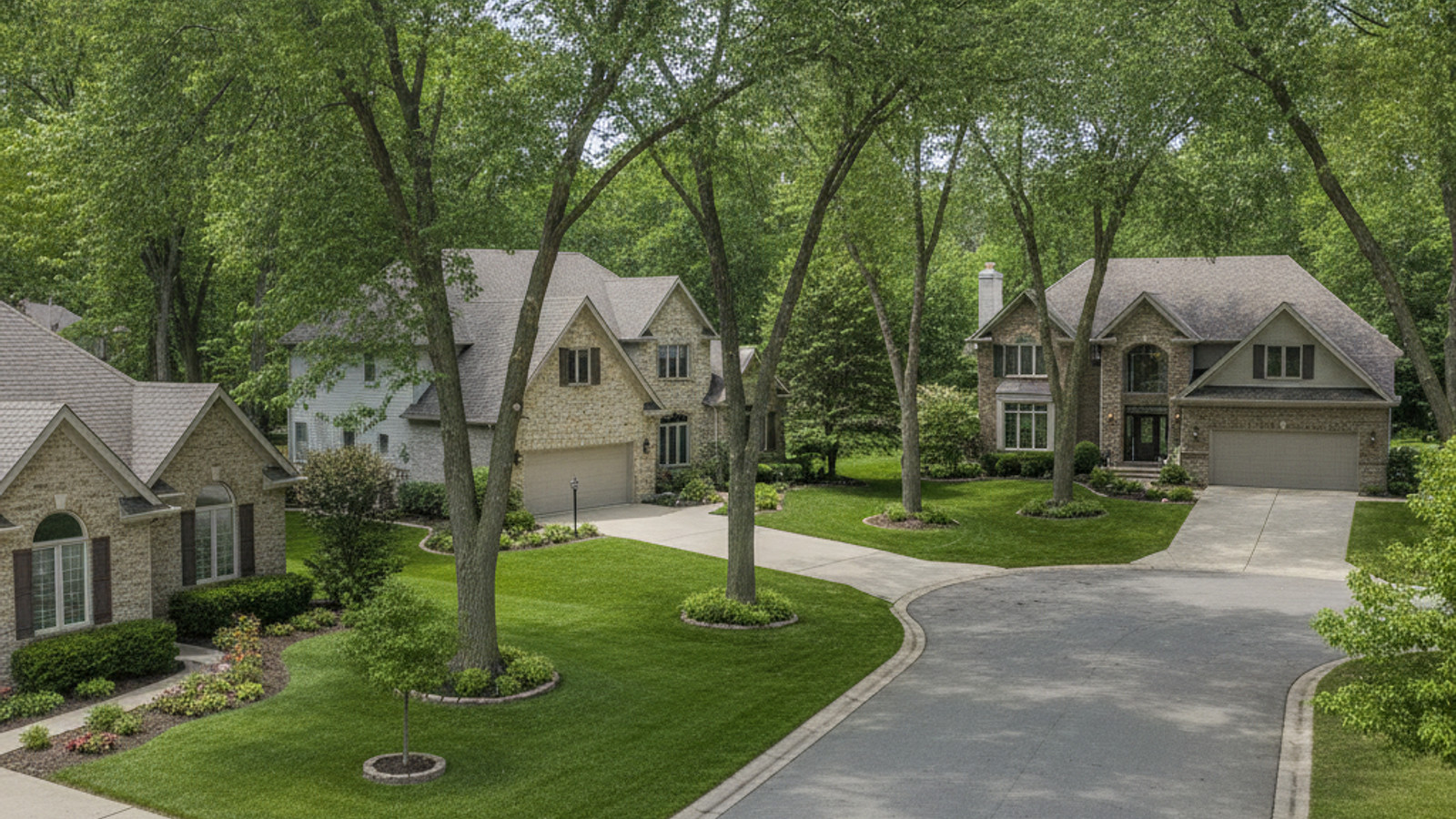
The residential subdivisions, however, are generally tucked away from these main arteries. These areas tend to be quiet and traffic-calmed. The layout of the subdivisions often discourages cut-through traffic, keeping the streets calmer for pedestrians and cyclists.
Real Estate & Cost of Living in Troy
Real estate in Troy is a competitive sport. If you see homes for sale in Troy MI that look turnkey, expect them to move fast, often with multiple offers.
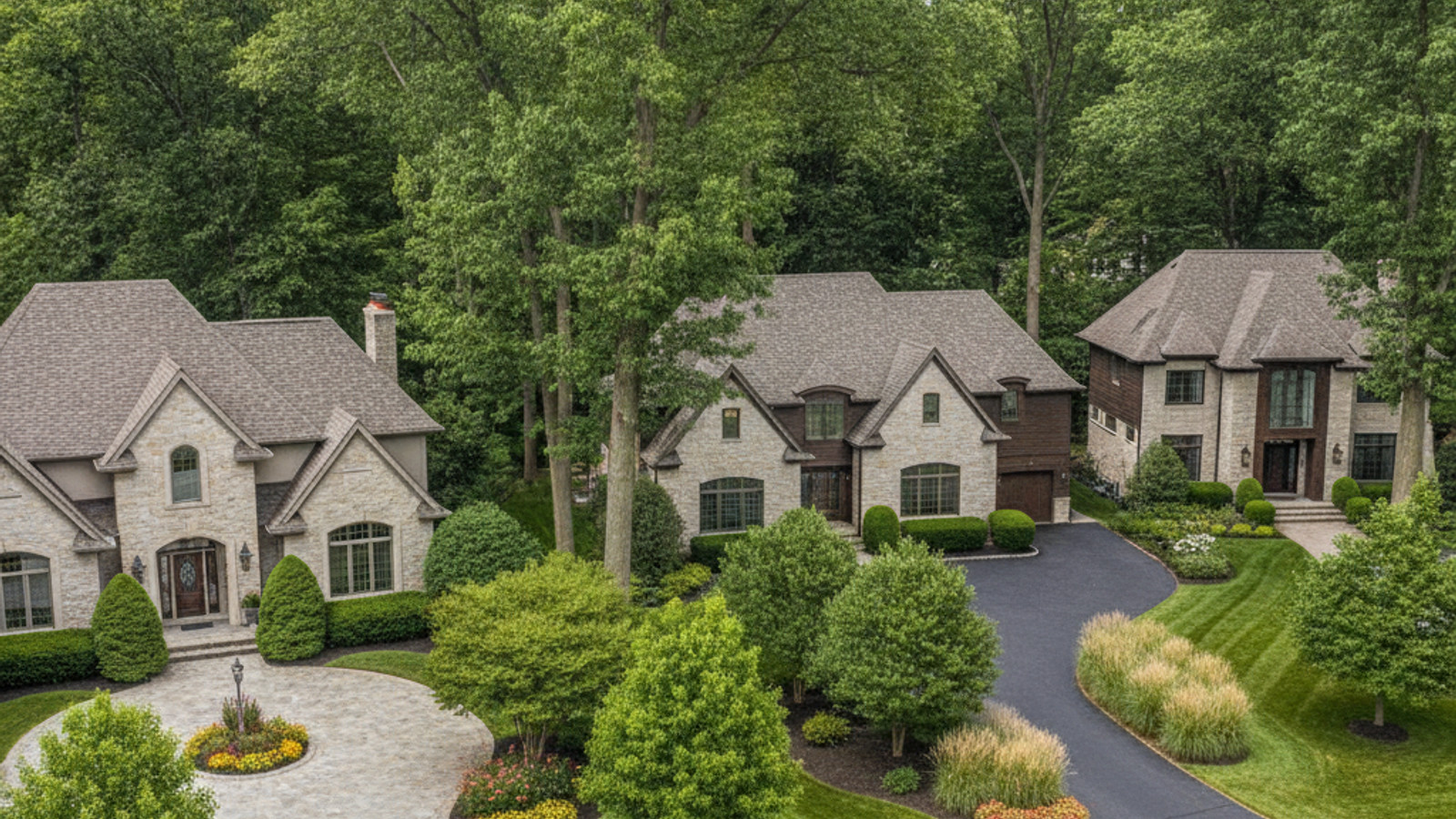
The market generally splits into two tiers. The Northwest side (often feeding into Troy High) tends to feature larger lots and higher price points, with homes in subdivisions like Emerald Lakes often commanding a premium. The Southwest side can offer slightly more affordable starter homes, though “affordable” is relative here.
- Median Home Value: generally lands in the $380,000 to $460,000 range, though luxury builds go much higher.
- Taxes: Property taxes here are higher than in neighbors like Sterling Heights. You are paying for the premium services and the school district reputation.
- Rentals: The rental market is tight and expensive. A decent two-bedroom apartment can easily run $1,600 or more per month.
Commuting & Location Benefits
One of the practical reasons people stay in Troy is the commute—or the lack of one. Because the Big Beaver corridor is a business hub itself, many residents actually work within city limits.
If you do commute, you are centrally located. With easy access to I-75, you are about 20 minutes from downtown Detroit and equally close to the automotive headquarters in Auburn Hills. You are rarely more than 20 minutes from anything you need in Metro Detroit.
Frequently Asked Questions
Does Troy, MI have a downtown area?
No, Troy does not have a traditional, walkable downtown with a “Main Street” vibe. It is a sprawling suburb defined by subdivisions and strip malls. If you want a walkable downtown, you might look at neighboring Birmingham or Rochester.
How are the property taxes in Troy compared to neighbors?
Troy taxes are generally higher than Sterling Heights but are comparable to other premium Oakland County suburbs. Most residents view the extra cost as a fair trade for the school quality and city services.
Is the Troy Community Center free for residents?
It is not free, but residents get significantly discounted membership rates compared to non-residents. You can buy daily passes or annual memberships.
What is the difference between Troy and Rochester Hills?
Both are excellent, but Troy is more central and commercial with a “busy” feel, while Rochester Hills offers a bit more nature, rolling hills, and a distinct downtown area. Troy feels closer to the city action; Rochester Hills feels slightly more removed.
Final Verdict: Who is Troy Best For?
After looking at the numbers and the lifestyle, here is the bottom line on who fits best in Troy.
- Best for: Families who put education above everything else. The premium you pay in housing and taxes is essentially tuition for the public school system.
- Best for: Professionals working in the automotive or tech corridors who want a short commute and high-end conveniences.
- Not for: Those seeking a walkable, small-town downtown vibe or bargain hunters looking for maximum square footage per dollar.
If you are ready to explore the subdivisions and see if the numbers work for you, Troy is a solid place to plant roots.