If you drive down Big Beaver Road today, looking at the gleaming glass of the Somerset Collection or the high-rise office towers, it’s almost impossible to imagine this land as a dense forest. But back in the early 1820s, that’s exactly what it was—a wilderness you could buy for just $1.25 an acre.
Troy has undergone one of the most dramatic transformations in Metro Detroit. It went from a quiet dairy farming community to Oakland County’s “Golden Corridor,” a corporate and retail powerhouse. For anyone thinking about living in Troy MI or investing here, understanding this history isn’t just trivia. It actually explains why the city has such a stable tax base, highly rated schools, and consistent property values today.
Let’s take a look at how a patch of woods became the City of Tomorrow, Today.
The Pioneer Era: Johnson Niles and Troy Corners (1820s)
The story really starts with a man named Johnson Niles. In 1821, he purchased 160 acres of land in what is now the intersection of Square Lake Road and Livernois. He didn’t just buy the land; he built a life there, establishing a settlement known as “Troy Corners.”
Niles was a true pioneer entrepreneur. He set up a general store and a tavern, eventually becoming the area’s first postmaster. As more settlers arrived—many hailing from New York state—the area needed a formal name. They chose “Troy” as a nod to Troy, New York, the hometown of several early residents.
For the next century, the area remained deeply agricultural. It wasn’t skyscrapers and steakhouses; it was dairy farms, gristmills, and orchards. The community grew slowly, anchored by hard work and the fertile land that drew those early families from the East Coast.
1955: The Critical Shift from Township to City
If you fast forward to the post-WWII era, the landscape began to change rapidly. The suburban boom was in full swing, and neighboring cities like Royal Oak, Birmingham, and Clawson were expanding. They started eyeing the undeveloped land in Troy Township for annexation.
This was the pivotal moment in Troy’s history. Residents had a choice: get absorbed by their neighbors or stand on their own. In 1955, they chose independence.
Incorporating as the City of Troy was a strategic defensive move. It established firm borders that prevented annexation, allowing the local government to control its own zoning, services, and future. This decision is the primary reason Troy exists as it does today. By securing its own boundaries, the city preserved its massive tax base. That revenue is what eventually funded the parks, the library, and the infrastructure that make the Troy MI real estate market so desirable right now.
Evolution of Big Beaver Road: The Golden Corridor
Once the borders were secure, the city planners made another move that defined the city’s future: the development of Big Beaver Road.
First, let’s address the name. It’s not just a quirky label; it’s historical. The road was named after a large beaver dam that early settlers encountered. But in the mid-20th century, this road transitioned from a rural path to a super-boulevard designed to move traffic and commerce efficiently.
This strip became known as the “Golden Corridor.” It attracted massive corporate investment, including the world headquarters for major brands like Kmart (a huge part of local history for decades). Today, the skyline is dominated by the PNC Center (often called the Top of Troy) and, of course, the Somerset Collection.
The arrival of Somerset turned Troy into a luxury retail destination for the entire Midwest. When you are shopping in Troy MI today, you are benefiting from zoning decisions made decades ago to prioritize high-end commercial development alongside residential neighborhoods.
Preserving Heritage: The Troy Historic Village
Despite all this concrete and glass, the city hasn’t paved over its past. If you want to see what life was like for Johnson Niles, you can visit the Troy Historic Village.
This isn’t just a dusty archive; it’s an interactive village green located right in the heart of the city. The city and the historical society have physically moved and preserved key structures here to keep the local heritage alive.
What you’ll see at the Village:
- The Niles-Barnard House: This helps connect you directly to the city’s founder, Johnson Niles.
- The 1800s Schoolhouse and General Store: These buildings give you a tangible sense of the pioneer lifestyle.
- The Troy Union Rail Depot: A reminder of the Detroit United Railway and the interurban lines that once connected the township to Detroit.
It’s a great spot to visit if you want to understand the community’s roots before heading back to the modern amenities of the city center.
How History Shapes Modern Troy Real Estate
So, why does a homebuyer care about 1820s dairy farms or 1950s incorporation votes? Because those historical pivot points created the stability we see today.
The decision to incorporate in 1955 rather than be annexed meant that Troy kept its commercial tax revenue. In many suburbs, the residential areas bear the brunt of the tax burden. In Troy, the massive commercial district along the Golden Corridor helps offset costs. This financial health allows for significant investment in the Troy School District and public amenities without overburdening homeowners.
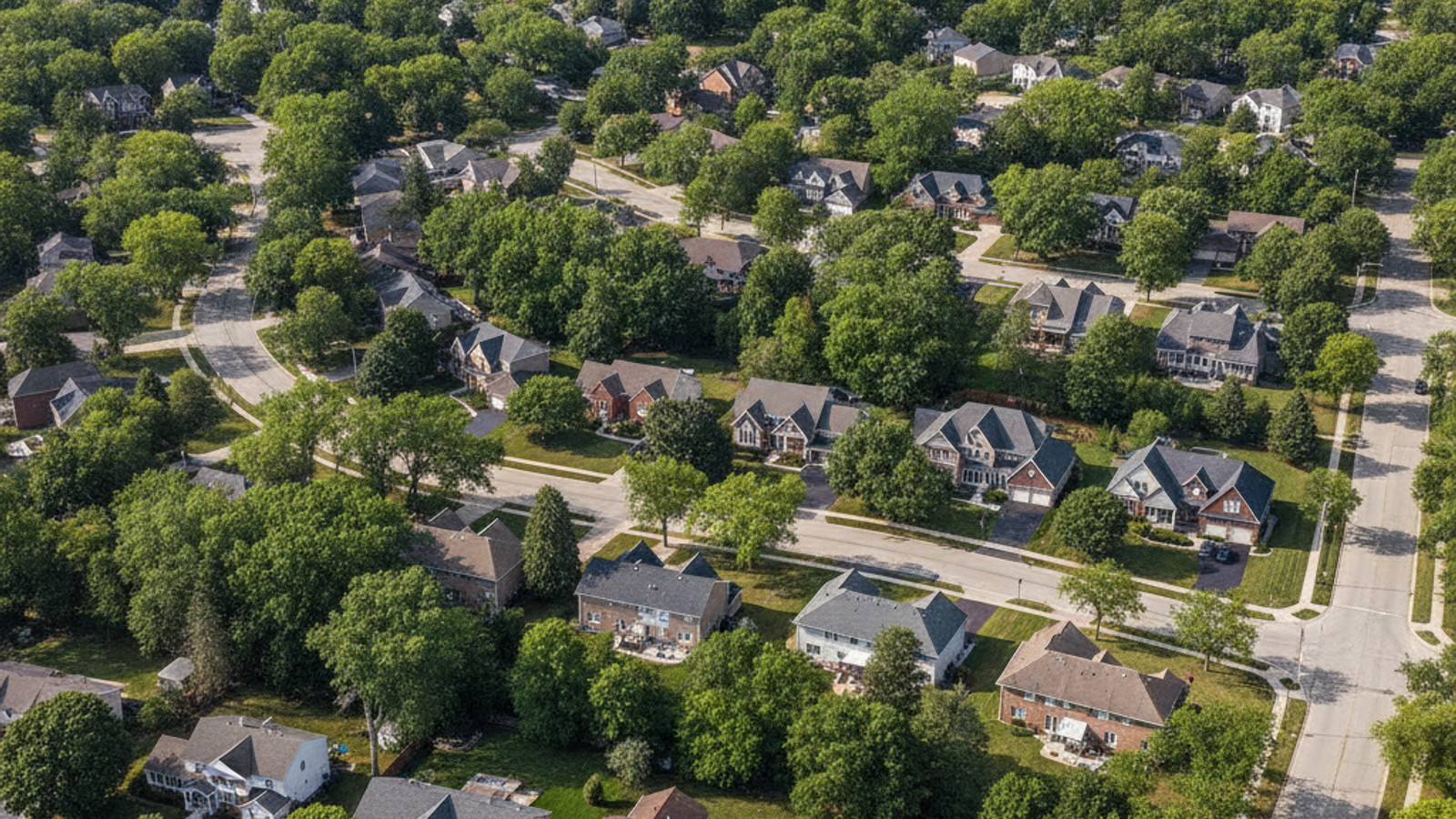
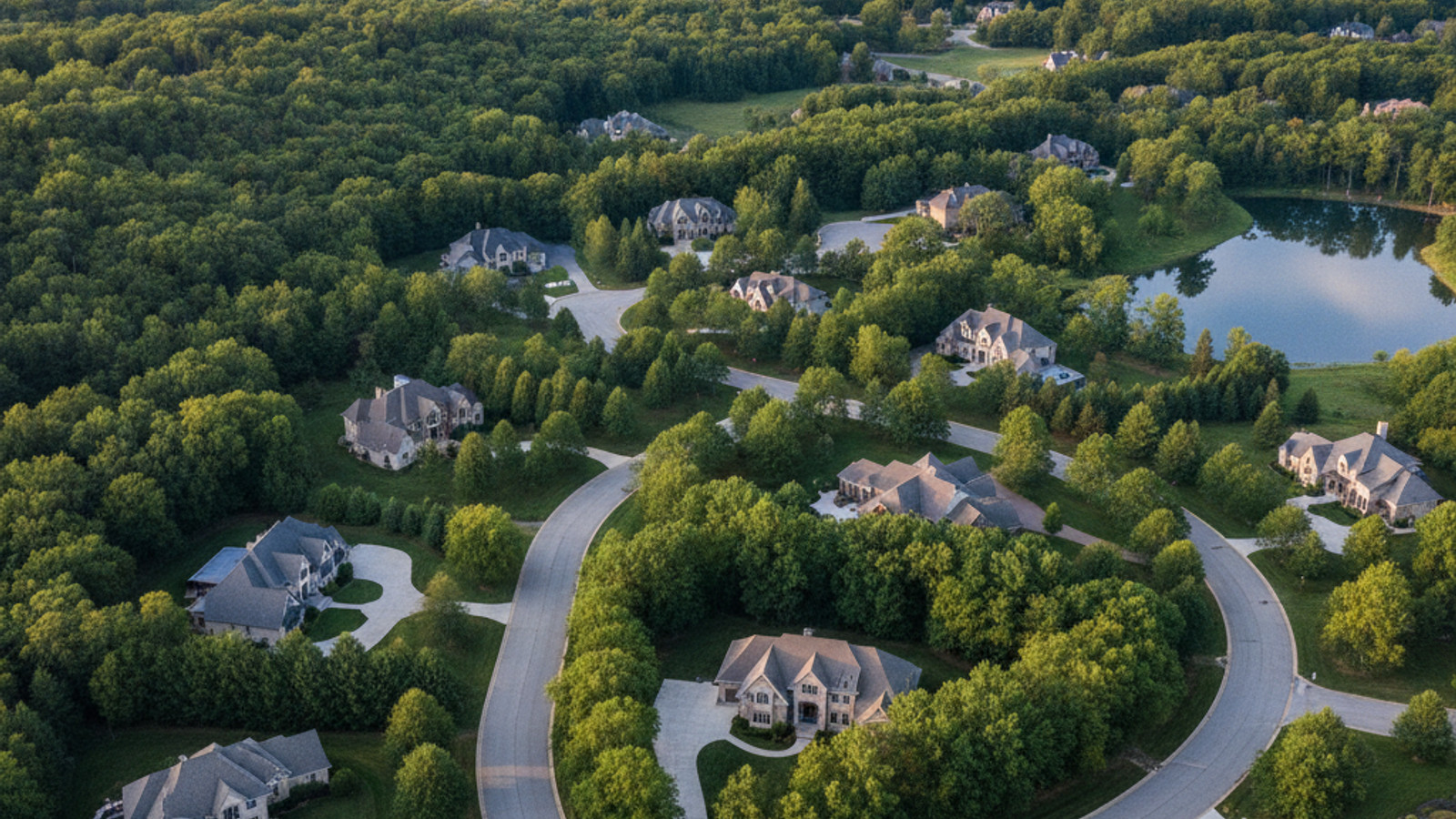
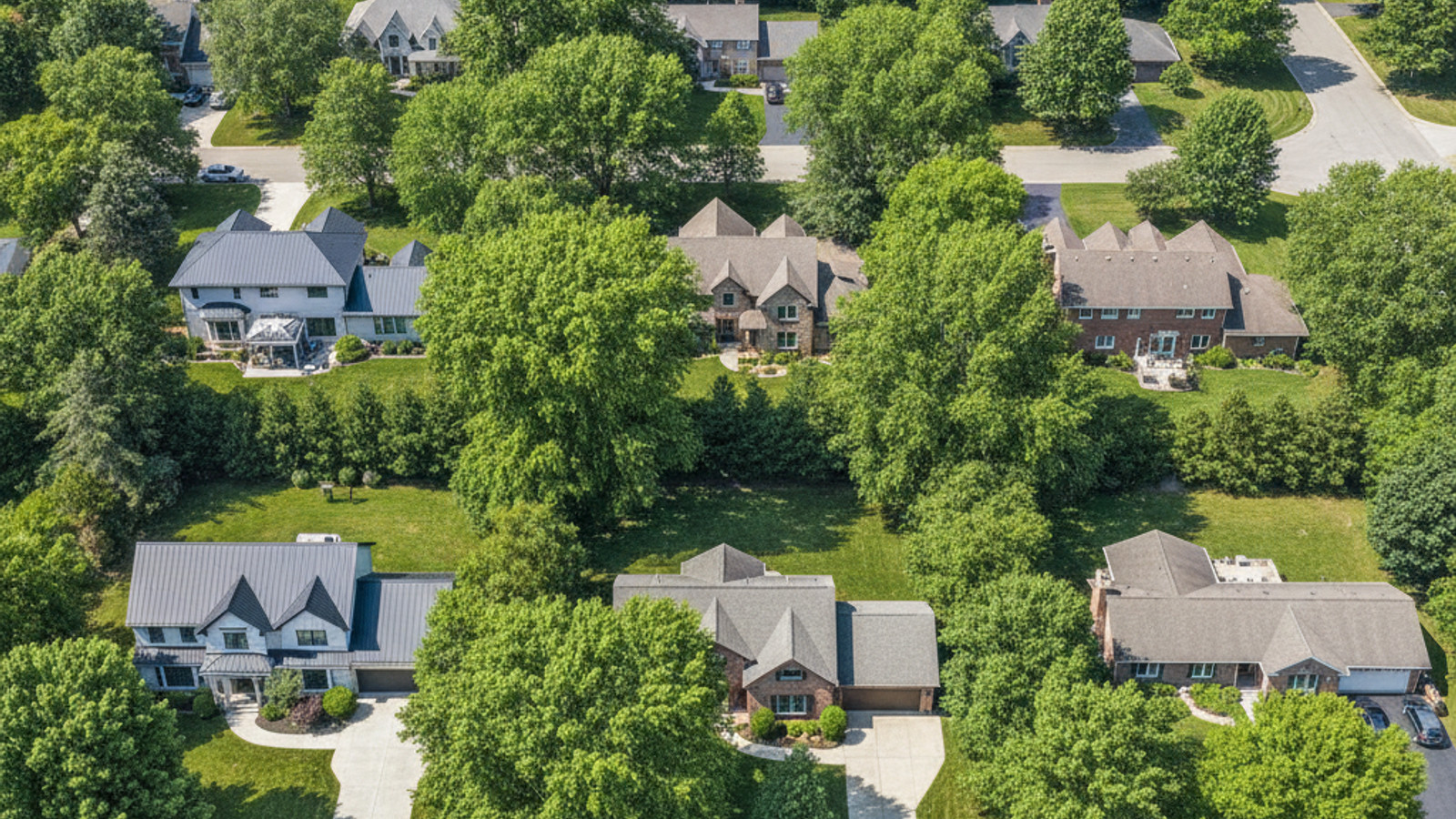
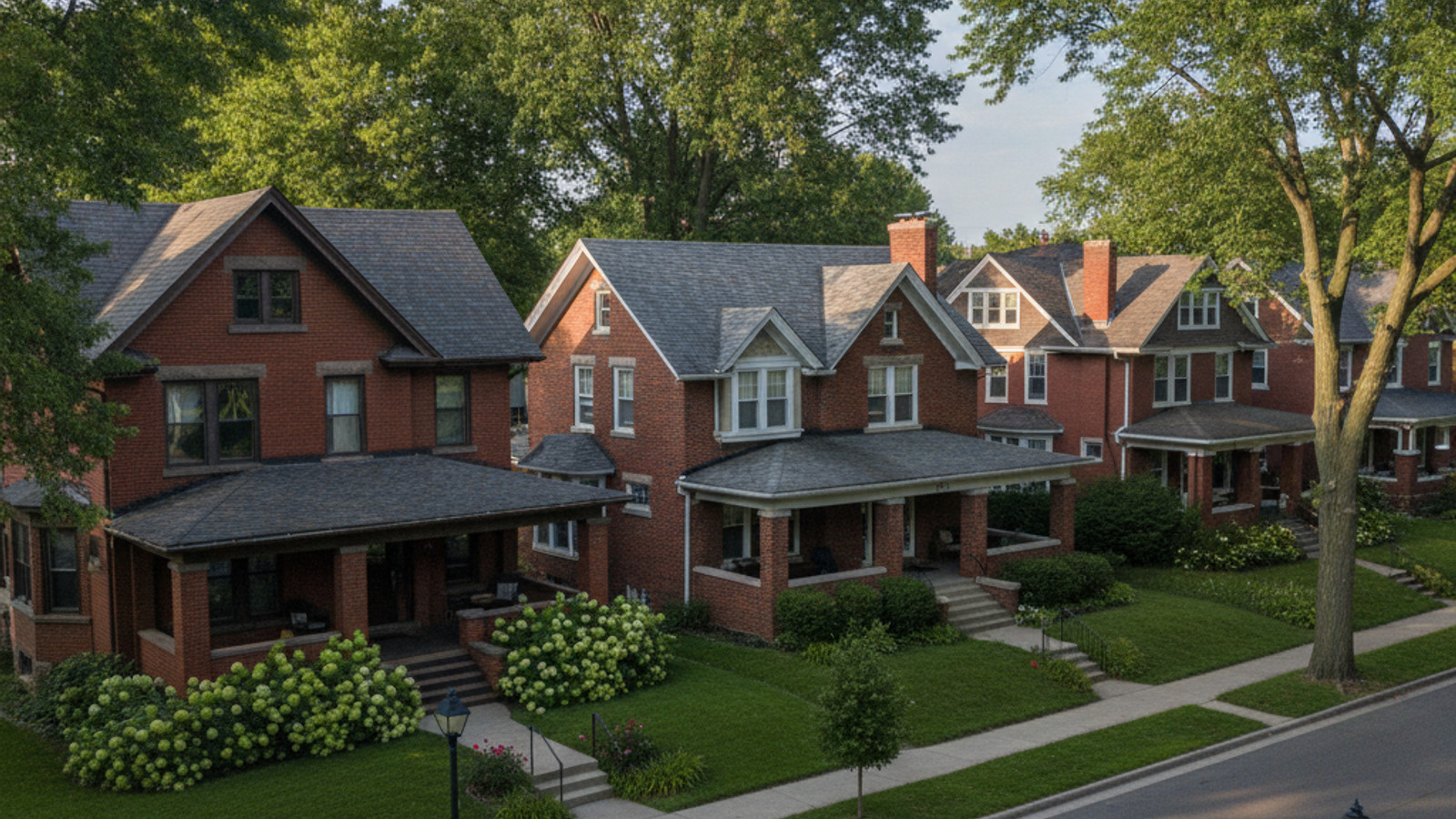
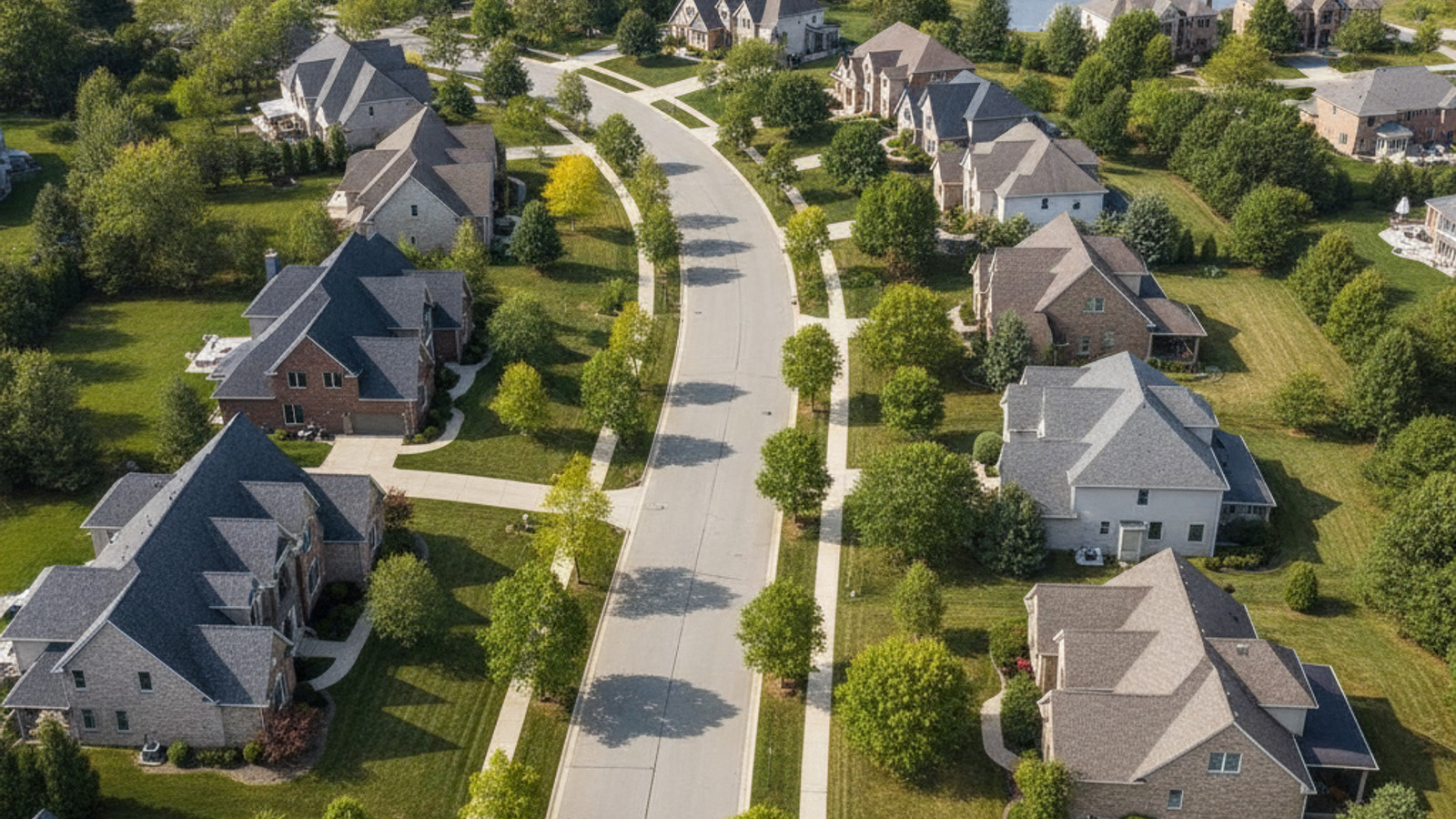
Furthermore, the city’s master planning kept industrial and commercial zones distinct from residential subdivisions. This separation preserved the quiet, tree-lined character of the neighborhoods while keeping the economic engine humming just a few miles away. When you look at homes for sale in Troy, you are buying into a system that was designed for long-term value decades ago.
Frequently Asked Questions about Troy’s History
When was Troy, Michigan founded?
The first land purchase by Johnson Niles happened in 1821, and the township was organized shortly after in 1827. However, it didn’t officially incorporate as the City of Troy until 1955.
Is Troy, MI known as the Collar City?
No, that nickname belongs to Troy, New York, due to its history of shirt collar manufacturing. Troy, Michigan is historically known for agriculture and, more recently, as the “City of Tomorrow, Today” or the home of the Golden Corridor.
Why is Big Beaver Road famous?
Big Beaver Road is famous for being the economic engine of Oakland County, often called the “Golden Corridor.” It is home to the Somerset Collection, numerous Fortune 500 offices, and serves as the main artery for the city’s business district.
Who was Johnson Niles?
Johnson Niles was the first settler to purchase land in the area in 1821. He established “Troy Corners,” served as the first postmaster, and was a central figure in the early political and religious life of the township.