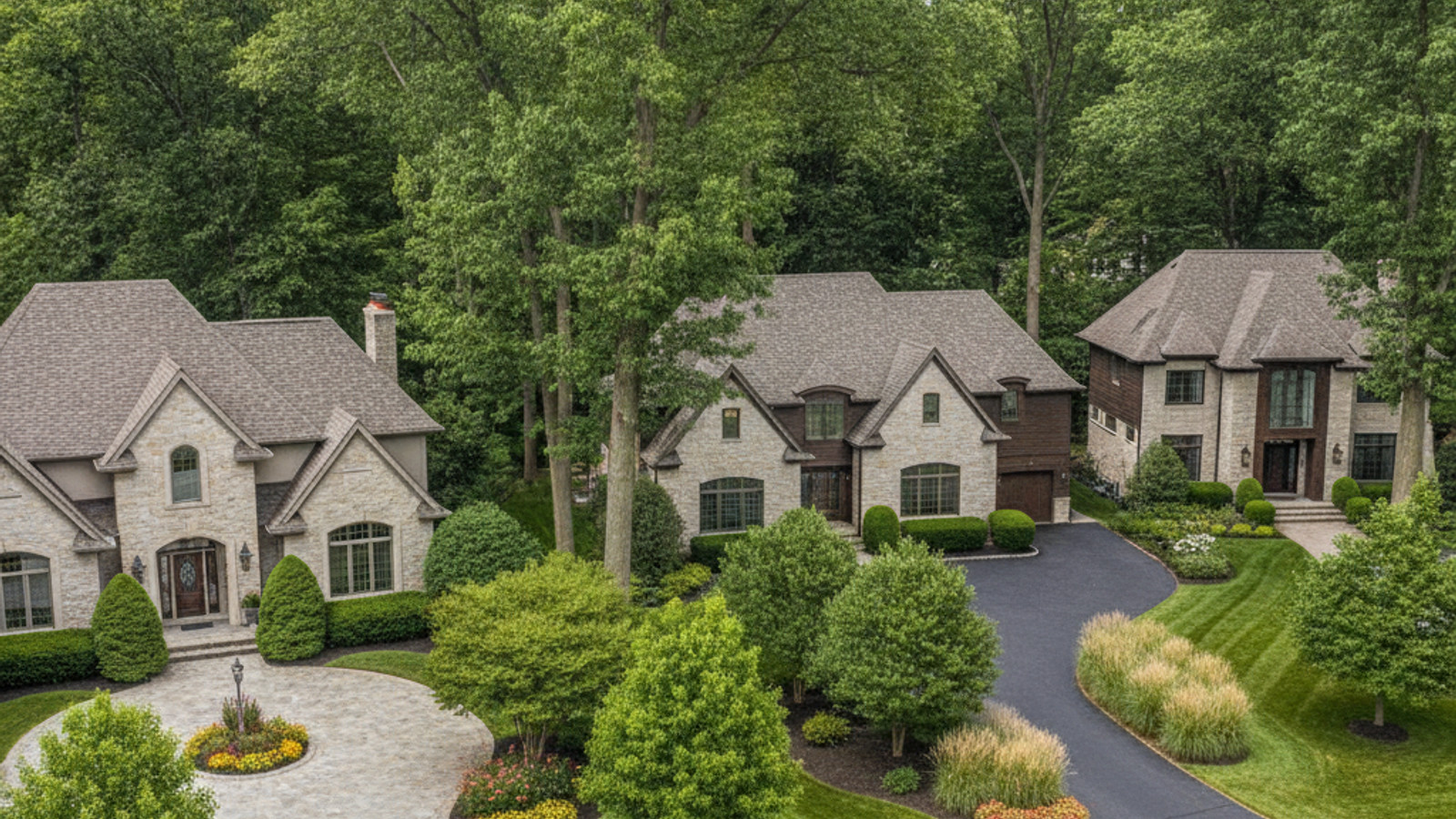
If you are looking to buy a home in Oakland County, there is a very good chance your search has narrowed down to two heavy hitters: Troy and Birmingham. Geographically, they are neighbors, but in terms of lifestyle, they feel like different worlds.
On one side, you have Birmingham, often called the crown jewel of Metro Detroit. It offers a walkable, “old-money” charm with a bustling downtown that feels more like a high-end village than a suburb. On the other side, you have Troy, the powerhouse of convenience. It’s a sprawling, business-centric hub where you get significantly more house for your money and access to just about everything within a ten-minute drive.
Choosing between them usually isn’t about which one is “better”—they are both top-tier communities. It comes down to a simple trade-off: do you prioritize a walkable luxury lifestyle, or do you prioritize value, space, and logistical convenience?
The Vibe: Walkable Downtown vs. Suburban Sprawl
The biggest differentiator between these two cities is how they are laid out and how you spend your weekends.
Birmingham is defined by its downtown area along Old Woodward Avenue. This is the closest thing Metro Detroit has to a true, walkable urban-suburban mix. If you live here, especially near the center, you can walk to farmers markets, art fairs, boutique coffee shops, and some of the best restaurants in the state. The vibe is historic, dense, and prestigious. It’s the kind of place where you might see high-end sports cars parked along the street and neighbors walking to dinner on a Friday night.
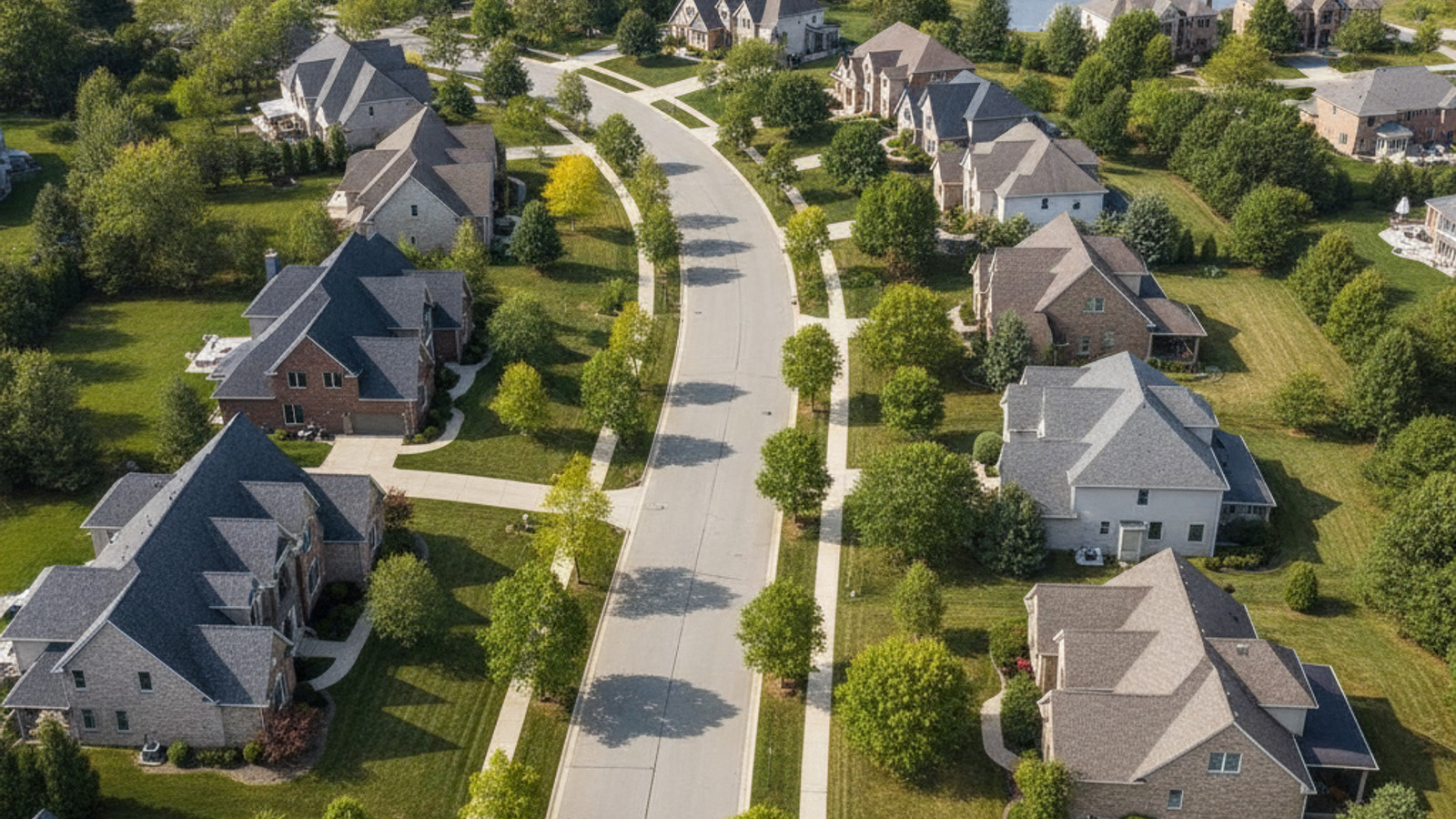
Troy, by contrast, is the ultimate modern suburb. It is defined by the “Big Beaver Corridor” and quiet, winding subdivisions. You likely won’t be walking to dinner here; Troy is a car-dependent city. However, it makes up for the lack of walkability with immense convenience. It is home to the Somerset Collection, a luxury mall that essentially functions as the city’s “downtown” for shopping and social gathering. While Birmingham feels like a tight-knit historic town, Troy feels like a spacious, well-oiled machine with expansive parks and wider roads.
Cost of Living & Housing Market Comparison
Let’s talk numbers, because this is usually where the decision is made. The financial gap between these two neighbors is significant.
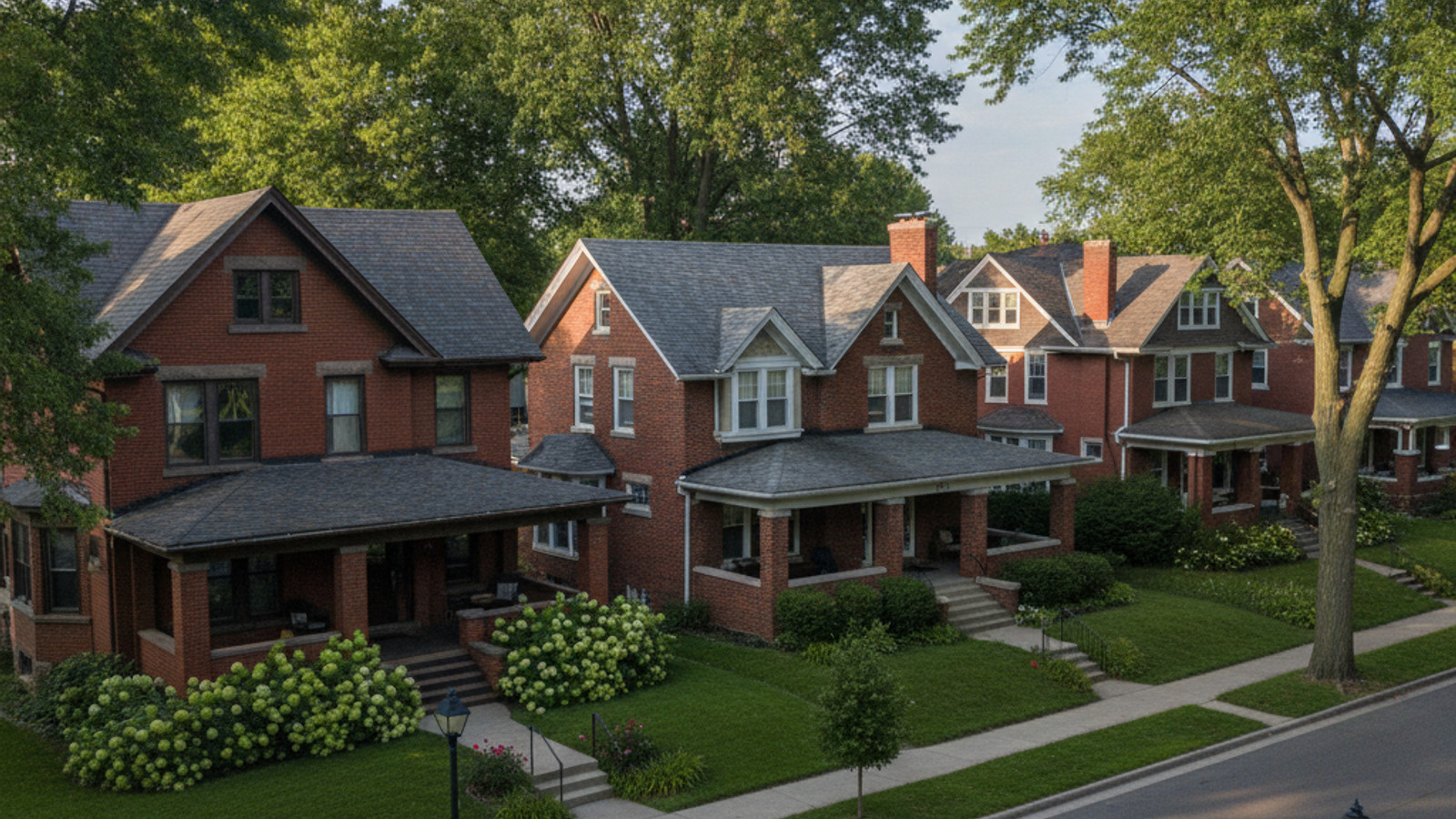
In Birmingham, you are paying a premium for the zip code and the walkability. The housing stock here is older, often requiring renovations unless you are buying a new build that replaced a tear-down. The luxury market here has a high ceiling; it is not uncommon to see homes listed well over $3M. If you have a budget of $500,000, you are likely looking at a small condo or a fixer-upper on the very edge of town.
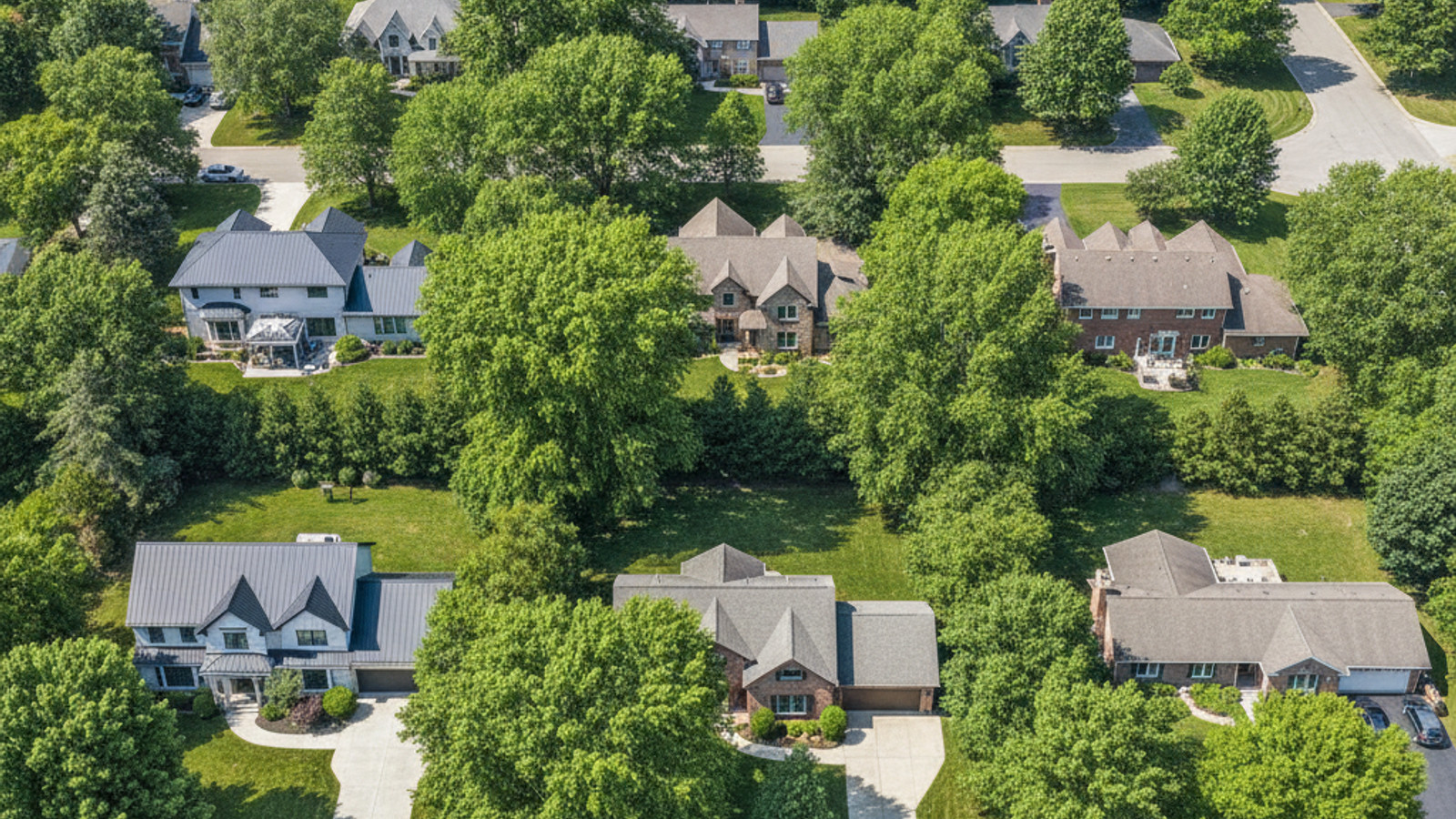
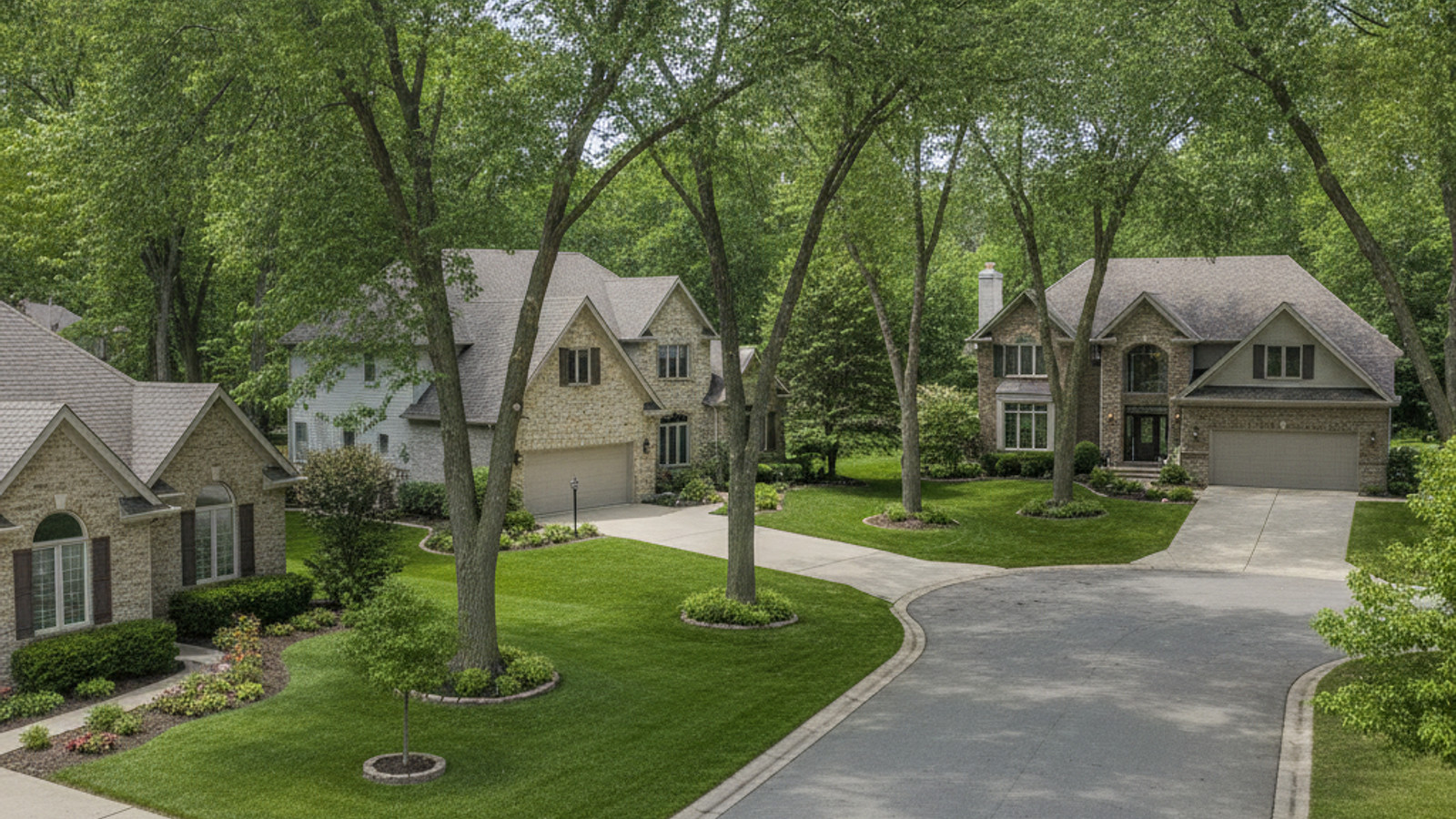
Troy is where you go for value. The housing stock is generally newer, consisting largely of subdivisions built from the 1970s through the 1990s. Here, your dollar goes much further. A budget of $450,000 to $600,000 can easily secure a 2,500+ square foot colonial with a two-car garage and a decent yard.
Here is a quick look at the market differences you can expect:
- Troy Median Sale Price: Approximately $434,000
- Birmingham Median Sale Price: Approximately $1.0M – $1.3M
- Price Per Square Foot: Birmingham is often 2x to 3x higher than Troy.
- Property Taxes: Birmingham generally has a higher total millage rate (approx 42.5 mills) compared to Troy (approx 34-37 mills), and because property values are higher in Birmingham, your actual tax bill will be significantly larger.
Troy School District vs. Birmingham Public Schools
For many buyers, the school district is the non-negotiable factor. The good news is that you cannot make a bad choice here. Both districts are consistently ranked in the top 10 in Michigan.
The Troy School District (TSD) is a massive draw for relocation clients. Anchored by Troy High and Athens High, the district is renowned for its diversity and its sheer volume of academic options. They offer a massive selection of AP courses and have award-winning music and language programs. It is a high-performing district that focuses heavily on academic metrics.
Birmingham Public Schools (BPS) carries a lot of historic prestige. Schools like Seaholm and Groves High School are institutions in Oakland County. While Troy might edge out slightly in some raw data rankings regarding diversity or test scores depending on the year, Birmingham is often praised for a slightly smaller-town feel within the classrooms and exceptional support for arts and athletics.
Ultimately, both districts send graduates to Ivy League and top-tier universities regularly. The choice often comes down to specific extracurricular needs rather than general academic quality.
Commuting: I-75 Convenience vs. The Woodward Corridor
If you commute to downtown Detroit or the automotive headquarters in Auburn Hills or Warren, your daily drive will look very different depending on where you sleep.
Troy is the “Commuter King.” The city is bisected by I-75, giving you immediate highway access from almost any subdivision. You can shoot south to Detroit or north to Rochester with ease. The Big Beaver corridor is also a major employment hub in itself, meaning many residents work just minutes from their driveway.
Birmingham relies heavily on Woodward Avenue (M-1). While Woodward is iconic and scenic, it is a surface street with traffic lights. Getting to the freeway can take a little longer depending on where in Birmingham you live. While the drive to downtown Detroit is roughly the same distance from both cities (about 25–30 minutes), Troy’s highway access tends to be more predictable during non-rush hours, whereas Woodward can get congested with local traffic and events like the Dream Cruise.
Quick Comparison: Pros and Cons
If you are still on the fence, here is a quick breakdown of the trade-offs.
Living in Troy
- Pros: Significantly lower price per square foot, larger lots, incredible highway access (I-75), and world-class shopping at Somerset Collection.
- Cons: Not walkable, generic suburban aesthetics, and heavy traffic on main arteries like Big Beaver.
Living in Birmingham
- Pros: unmatched walkable lifestyle, prestige and status, historic character, and generally high property appreciation.
- Cons: Very expensive entry point, smaller lots, older homes often require maintenance, and higher property tax bills.
Frequently Asked Questions
Is it cheaper to live in Birmingham or Troy?
Troy is significantly cheaper. Housing prices in Troy are roughly half the price of Birmingham for comparable square footage, and property taxes are also generally lower in Troy.
Which city has better schools, Troy or Birmingham?
Both districts are elite and rank in the top tier of Michigan schools. Troy often ranks slightly higher for diversity and academic metrics, while Birmingham is known for prestige and strong arts/athletics programs.
Does Troy, MI have a downtown?
No, Troy does not have a traditional, walkable downtown. The commercial hub of the city is the area surrounding the Somerset Collection and Big Beaver Road, which offers high-end dining and shopping but is designed for cars, not pedestrians.
How far is Troy MI from Birmingham MI?
They are direct neighbors. Depending on where you start in Troy and end in Birmingham, the drive is typically only 10 to 15 minutes.