Welcome to Troy, a bustling hub in Oakland County that blends major corporate centers with expansive residential neighborhoods. Whether you are searching for homes for sale in Troy or preparing to sign a new lease, understanding the local transportation network is essential. Moving to a new city requires a solid grasp of how long it takes to reach work, shopping, and entertainment.
While the city’s layout leans heavily on car travel, residents have access to a surprising variety of transit options. From navigating the busy stretches of Big Beaver Road to catching a train at the modern Troy Transit Center, getting around Troy MI requires a bit of local know-how. Knowing your route options can save you significant time during your daily routine.
Driving and Commuting: Navigating Major Roadways
The vast majority of residents rely on personal vehicles to navigate the city. The local infrastructure is purposely designed to accommodate heavy daily traffic flow across wide, multi-lane corridors. This setup makes driving the most direct and reliable way to reach your destination.
Interstate 75 serves as the primary artery for the area, offering multiple exits directly into the city. With a speed limit of 70 mph, this highway provides high-speed access to both northern suburbs and the broader Metro Detroit region. Commuters depend heavily on this route to bypass surface street congestion during longer trips.
Big Beaver Road and Rochester Road anchor the surface street network. Big Beaver Road operates as a massive 16-mile commercial corridor lined with office towers, high-end dining, and retail destinations. Navigating this street is a daily reality for anyone working or shopping in the central business district.
Secondary roads like Coolidge Highway and Crooks Road provide excellent alternative routes when the main thoroughfares back up. Learning these parallel streets is a rite of passage for new residents trying to optimize their drive times. These secondary routes often feature lower speed limits but significantly fewer traffic lights.
Planning your daily schedule around heavy rush hour traffic is absolutely necessary, especially near the Somerset Collection and major corporate headquarters. Traffic congestion peaks predictably during the morning and late afternoon workweek commutes, adding significant time to short trips. A drive that takes ten minutes at noon can easily double during the 5:00 PM rush.
Average Commute Times to Downtown Detroit and Oakland County Hubs
Driving to Downtown Detroit takes approximately 25 to 35 minutes during off-peak hours, covering roughly 22 miles. Morning rush hour traffic on I-75 South can easily push that commute closer to 45 minutes. Drivers should always check real-time GPS data before merging onto the interstate to avoid unexpected slowdowns.
Traveling to neighboring commercial centers is generally quick and straightforward. You can expect a 15 to 20-minute drive to reach hubs like Pontiac, Royal Oak, and Madison Heights under normal conditions. These short drive times make it easy to enjoy the amenities of surrounding cities without a grueling commute.
Weekend travel times drop significantly when commuter traffic subsides. Getting across town for Saturday errands or Sunday brunches is usually a breeze. The wide roads easily handle the lighter weekend volume.
Public Transport Options: Utilizing the SMART Bus System
For those who prefer to leave the driving to someone else, public transit is actively expanding in the area. The Suburban Mobility Authority for Regional Transportation (SMART) serves as the primary provider for Oakland County. This network offers an alternative to navigating busy highways during peak hours.
The SMART bus network operates several fixed-route services that connect the city to Detroit and Macomb County. The FAST Woodward 461 route is particularly popular, offering limited-stop service that makes longer regional trips more efficient. Riders appreciate the streamlined stops that cut down on overall travel time.
A standard one-way SMART bus fare is typically $2.00, making it a highly cost-effective way to travel. Riders can pay using cash, the transit app, or pre-purchased passes. Frequent commuters often buy monthly passes to further reduce their daily transportation expenses.
While the bus system is reliable, relying exclusively on it instead of owning a car can be challenging for daily suburban living. The sprawling layout means that a personal vehicle will almost always offer significantly more convenience and time savings. Buyers moving to the area should budget for a vehicle to fully enjoy everything the city has to offer.
Flex Microtransit and Accessibility Services
The SMART Flex microtransit program operates on demand within the local Troy and Clawson zone. This curb-to-curb service functions similarly to private rideshare apps, running seven days a week for maximum convenience. Users can request a ride directly from their smartphone and get picked up near their location.
The Troy R.Y.D.E. service also provides dedicated transportation for seniors and individuals requiring wheelchair accommodations. Operating Monday through Friday from 8:00 AM to 4:00 PM, this program ensures accessible travel for crucial daily tasks. It represents a vital community resource for residents who cannot drive themselves.
Residents can use advance reservation systems to schedule rides for medical appointments, grocery shopping, and visits to the community center. Calling several days ahead is highly recommended to secure a spot during busy weekday hours. Proper planning ensures that transportation is always available when it is needed most.
Regional Rail Connections at the Troy Transit Center
Beyond local buses, the city boasts excellent infrastructure for longer-distance travel. The Troy Transit Center serves as a vital intermodal passenger transport hub for the region. This facility connects local commuters to a much wider geographic network.
Opened in late 2014, this modern brick and glass facility spans approximately 2,000 square feet at 1201 Doyle Drive. It was designed to consolidate multiple modes of transit into one seamless, accessible location. The architecture reflects a commitment to modernizing suburban public transportation.
Inside the station, travelers will find a comfortable indoor waiting room, public restrooms, and ample adjacent parking. The layout prioritizes convenience for daily commuters and occasional travelers alike. Leaving your car in the designated lot makes boarding a train or bus completely stress-free.
This facility does a phenomenal job of integrating train, SMART bus, and taxi services into a single, cohesive hub. It elevates the regional travel experience, proving that suburban transit centers can be both highly functional and visually appealing. Having a dedicated station greatly improves the logistics of out-of-town travel.
Boarding the Amtrak Wolverine Line
The Amtrak Wolverine train provides a fantastic alternative to highway driving for regional trips. This route connects several major destinations across the Midwest without the hassle of navigating traffic.
Key details for the Wolverine line include:
- Major stops: The train travels through Pontiac, Detroit, Ann Arbor, and ultimately to Chicago.
- Service frequency: The route typically runs three times daily to accommodate both workweek and weekend schedules.
- Travel advantages: The trip to Chicago takes roughly 5.5 to 6 hours, allowing passengers to bypass stressful highway traffic and expensive downtown parking.
Active Transportation: Walkability and Local Bike Trails
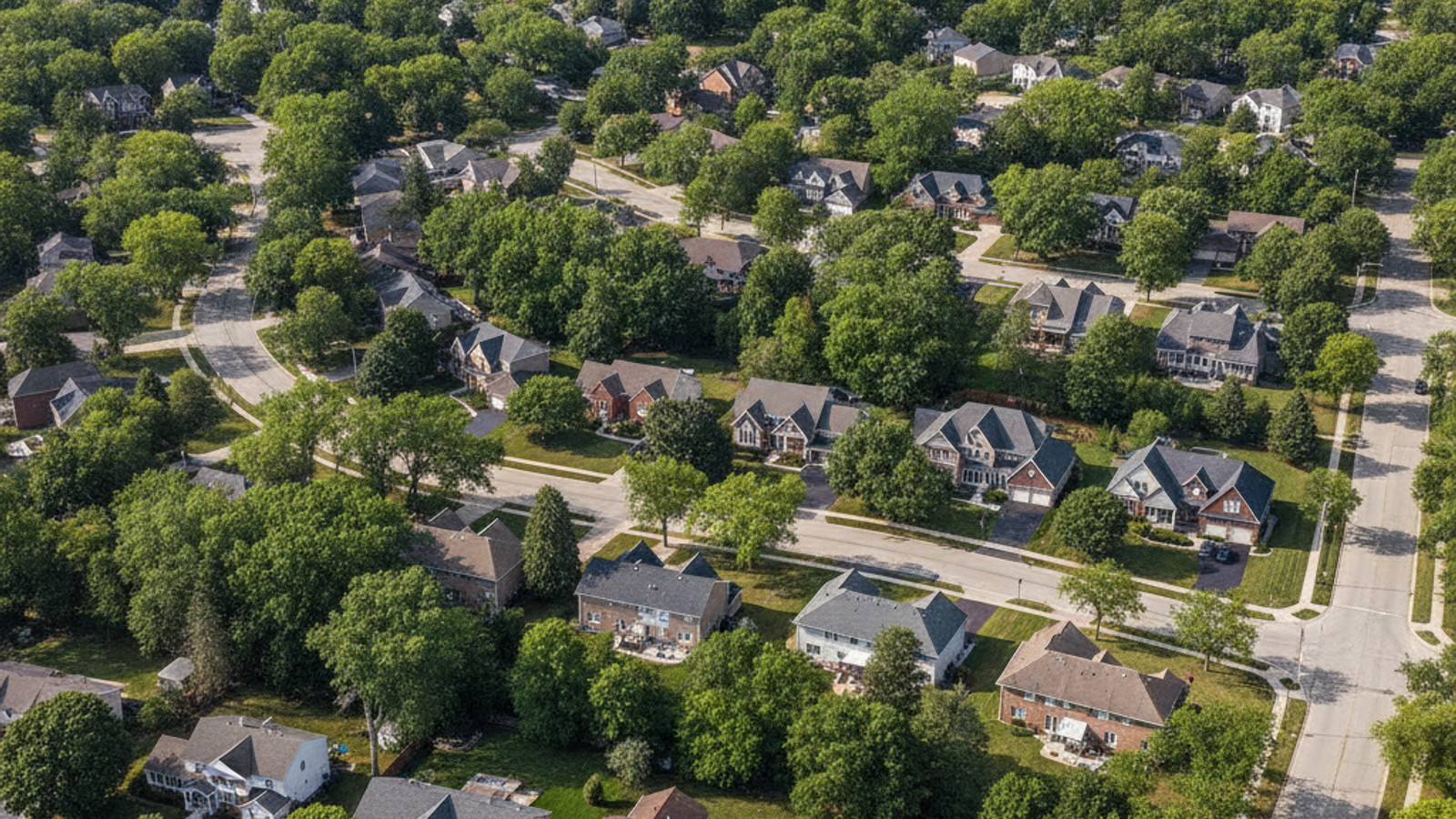
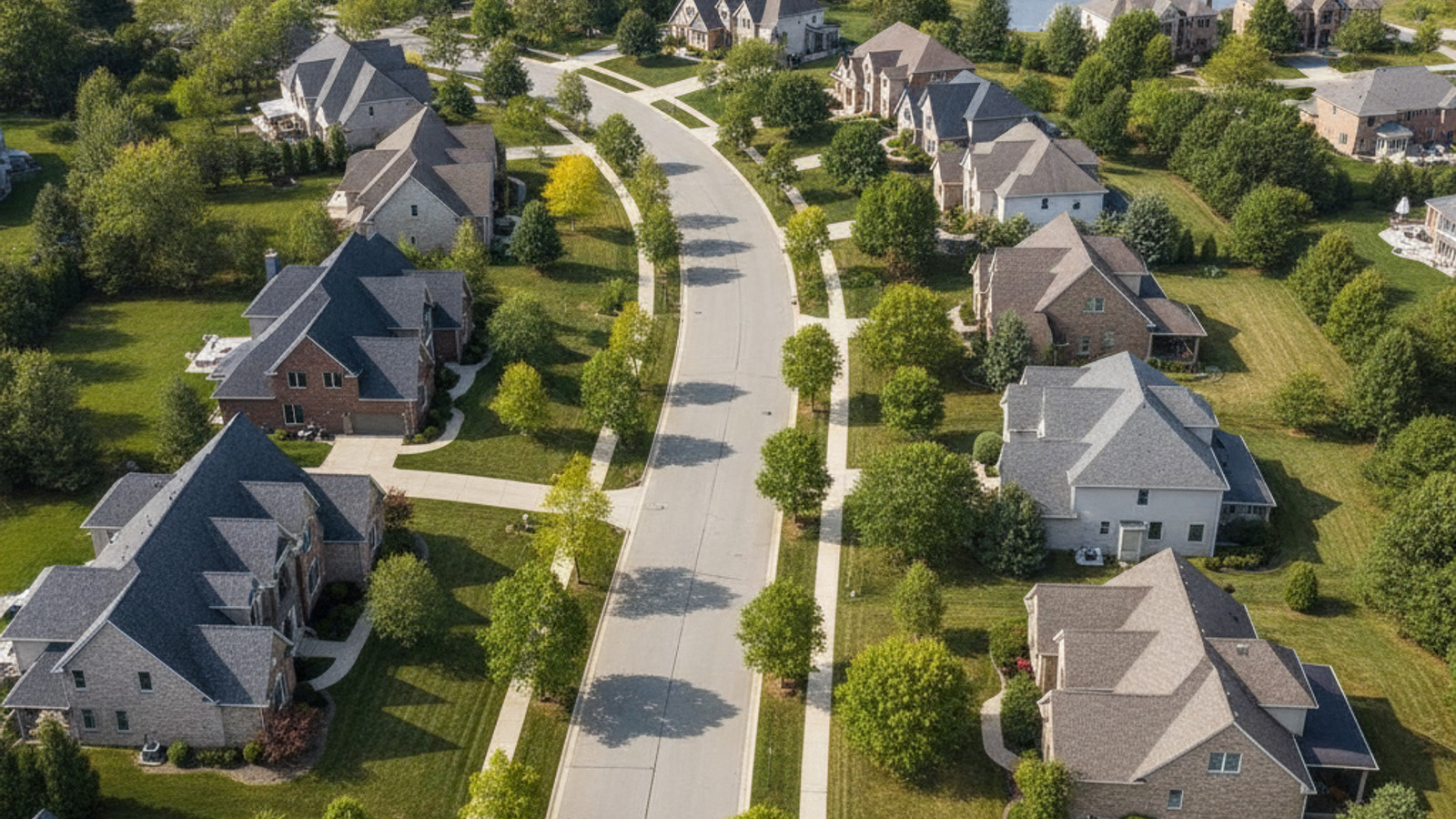
Navigating the city on foot or by bicycle requires careful route planning. The local infrastructure is distinctly suburban, prioritizing wide roads over dense pedestrian pathways. This design caters heavily to motorized vehicles rather than foot traffic.
Objective walkability scores for the area generally range between 20 and 30 out of 100, indicating a heavily car-dependent environment. Most daily errands and commutes cannot be reasonably completed by walking. Residents typically drive even for short trips to the grocery store or local pharmacy.
Despite the low walkability, the city maintains an expanding network of active transportation infrastructure. Local bike paths and trail networks provide excellent recreational routes connecting suburban subdivisions to large public parks. These trails are perfect for weekend exercise rather than daily commuting.
City planners continually work to improve non-motorized access where possible. New developments often incorporate better sidewalk connectivity to link residential blocks. However, these improvements do not change the fundamental reality of the city’s automotive-first layout.
The lack of a traditional, walkable downtown means that navigating commercial areas on foot is largely impractical. You will almost certainly need a vehicle or a rideshare to travel between different shopping centers and dining districts. Understanding this layout helps set realistic expectations for anyone considering living in Troy.
Getting to the Airport: DTW Access and Rideshare Options
Traveling out of state requires a reliable plan for reaching the airport. Fortunately, residents have multiple efficient ways to coordinate their departure. Coordinating a ride is usually straightforward regardless of the time of day.
Detroit Metropolitan Wayne County Airport (DTW) is the primary aviation hub for the region. It is located approximately 35 miles south of the city. Travelers should account for highway construction and weather conditions when planning their departure time.
Common travel methods to DTW include:
- Driving: The drive typically takes 40 to 50 minutes depending on traffic conditions along I-75 and I-94.
- Ridesharing: Companies like Uber and Lyft maintain an active presence, offering simple booking for both local trips and direct airport transfers.
- Car rentals: Multiple local rental agencies and traditional taxi services are available for visitors or residents who prefer not to use their personal vehicles.
Frequently Asked Questions About Getting Around Troy
Does Troy, MI have public transportation?
Yes, the city is served by the SMART bus network, which provides both fixed-route and on-demand transit. Residents can access local routes or take the FAST Woodward line directly into Detroit. The Troy Transit Center also offers regional Amtrak train service.
How do you pay the fare on the Troy SMART bus?
The standard base fare is approximately $2.00 per ride. Passengers can pay using exact cash at the farebox when boarding. Alternatively, riders can purchase digital passes through the designated transit mobile app for a seamless boarding process.
Can I get around Troy, Michigan without a car?
Getting around without a car is technically possible but highly inconvenient for daily living. The city features a walk score of roughly 20 to 30, meaning most errands require motorized transport. Relying on SMART Flex microtransit or rideshare apps is necessary if you do not own a vehicle.
Does Troy, MI have a downtown area?
The city does not have a traditional, centralized downtown district. Instead, commercial activity is spread along major corridors, with the 16-mile stretch of Big Beaver Road serving as the primary business hub. You will need transportation to navigate between the various shopping and corporate centers.