Relocating to a new city requires a clear understanding of both local employment opportunities and the surrounding housing landscape. Buyers moving to Oakland County often focus their home search around areas with robust economic foundations and steady corporate growth.
Troy, Michigan stands out as a major economic powerhouse within the Metro Detroit region. Understanding the job market Troy MI offers and the broader landscape of jobs in Troy is essential for anyone planning to purchase a home here in 2026.
Oakland County continues to attract individuals prioritizing a balance between career advancement and real estate investment. Navigating this specific market requires looking closely at how local wages interact with current property values.
Why the Job Market in Troy MI is a Magnet for Relocation
A strong local economy directly drives steady real estate demand across the city, as employment in Troy continues to expand. Corporate growth creates a continuous influx of out-of-state buyers seeking homes near their new workplaces.
The active job search environment attracts workers across multiple industries, keeping the local workforce highly engaged. In early 2026, the local unemployment rate is hovering between an impressive 3.2% and 3.8%.
Beyond the raw data, the sheer variety of available careers provides a strong safety net for the local economy. When one specific industry experiences a downturn, the broader employment base remains insulated and active.
This economic resilience makes the area highly desirable for long-term real estate investments. Buyers can feel confident that the strong employment base will continue to support steady property values over the coming years.
Major Industries and Corporate Headquarters in Troy
The local economy is anchored by a diverse mix of automotive, finance, technology, and healthcare sectors. Heavy presence from management and IT consulting firms adds another layer of stability to the employment landscape.
The Big Beaver Road corridor serves as the primary center for corporate headquarters in the area. Major corporations like Altair, Kelly Services, Flagstar Bank, and prominent automotive suppliers maintain massive operational footprints along this stretch.
The concentration of these businesses creates a localized economic ecosystem where vendors and suppliers also thrive. This secondary layer of business-to-business commerce generates even more employment opportunities just off the main thoroughfares.
The proximity of these headquarters significantly impacts surrounding property values. Buyers often pay a premium for homes located within a short drive of this bustling business district.
Top Employers: From Corporate to Retail Roles
Opportunities in the area range from specialized corporate careers requiring advanced education to accessible entry-level positions. Many local companies are recognized as an equal opportunity employer, offering strong employee benefits, training, structured onboarding, and comprehensive disability coverage.
Job seekers will find a wide variety of full-time positions and flexible full-time and part-time hourly roles across multiple sectors. The local hiring landscape currently features high demand for the following positions:
- Corporate and management roles requiring specific industry experience and advanced degrees.
- Healthcare and pharmacy positions supporting local health clinics and regional hospitals.
- Supply chain roles including warehouse worker, inventory management, stock handling, and production worker positions.
- Retail and service sector jobs such as retail sales associate jobs, team member roles focused on customer service, and Whole Foods Market jobs.
These diverse hiring needs mean that multiple members of a household can often find suitable work within the same city limits. Reducing the household commute by securing local jobs is a major priority for many incoming home buyers.
Average Salary and Economic Data for Residents
Local earning potential plays a massive role in shaping the real estate options available to relocating buyers. Objective data shows that the individual average salary across different sectors is approximately $57,800.
When looking at broader household finances, median household incomes in the area often exceed $110,000 to $120,000. This level of financial stability allows many residents to comfortably navigate the local cost of living and housing expenses.
Specific job descriptions and thorough background check requirements strongly influence the gap between entry-level and management compensation. Buyers moving into senior roles typically find that their elevated salaries easily support purchasing larger properties in the area.
Understanding this localized economic data helps incoming residents set realistic budgets for their upcoming home purchases. When average wages steadily increase, the local housing market typically sees a corresponding rise in property demand.
Commute Times and Transportation Infrastructure
How residents travel to work is a crucial factor when choosing exactly which neighborhood to buy into. The city offers immediate access to the I-75 corridor, allowing for quick regional transit across Oakland County, Michigan.
Traffic flow along the Big Beaver Road business district can be heavy during peak rush hours, but the grid system keeps vehicles moving efficiently. The average commute time for a local worker is typically a very manageable 20 to 25 minutes.
Many residents also commute outward to surrounding economic hubs on a daily basis. Driving to jobs in Sterling Heights, Michigan or Auburn Hills, Michigan is straightforward due to the interconnected highway system. Commuting slightly further north to Rochester Hills, Michigan is equally convenient for local residents.
During the winter months, efficient snow removal on these primary county roads helps maintain predictable travel times. Buyers relocating from warmer climates often find the local infrastructure well-equipped to handle seasonal weather changes.
While there are some local public transit options available, the vast majority of residents rely heavily on personal vehicles. Buyers should prioritize homes with adequate garage space or driveway parking when evaluating properties.
Troy Real Estate: Housing Market Overview for Relocating Buyers
The strength of the local workforce creates a highly competitive and fast-paced real estate landscape. In early 2026, median home prices are roughly ranging from $425,000 to $445,000.
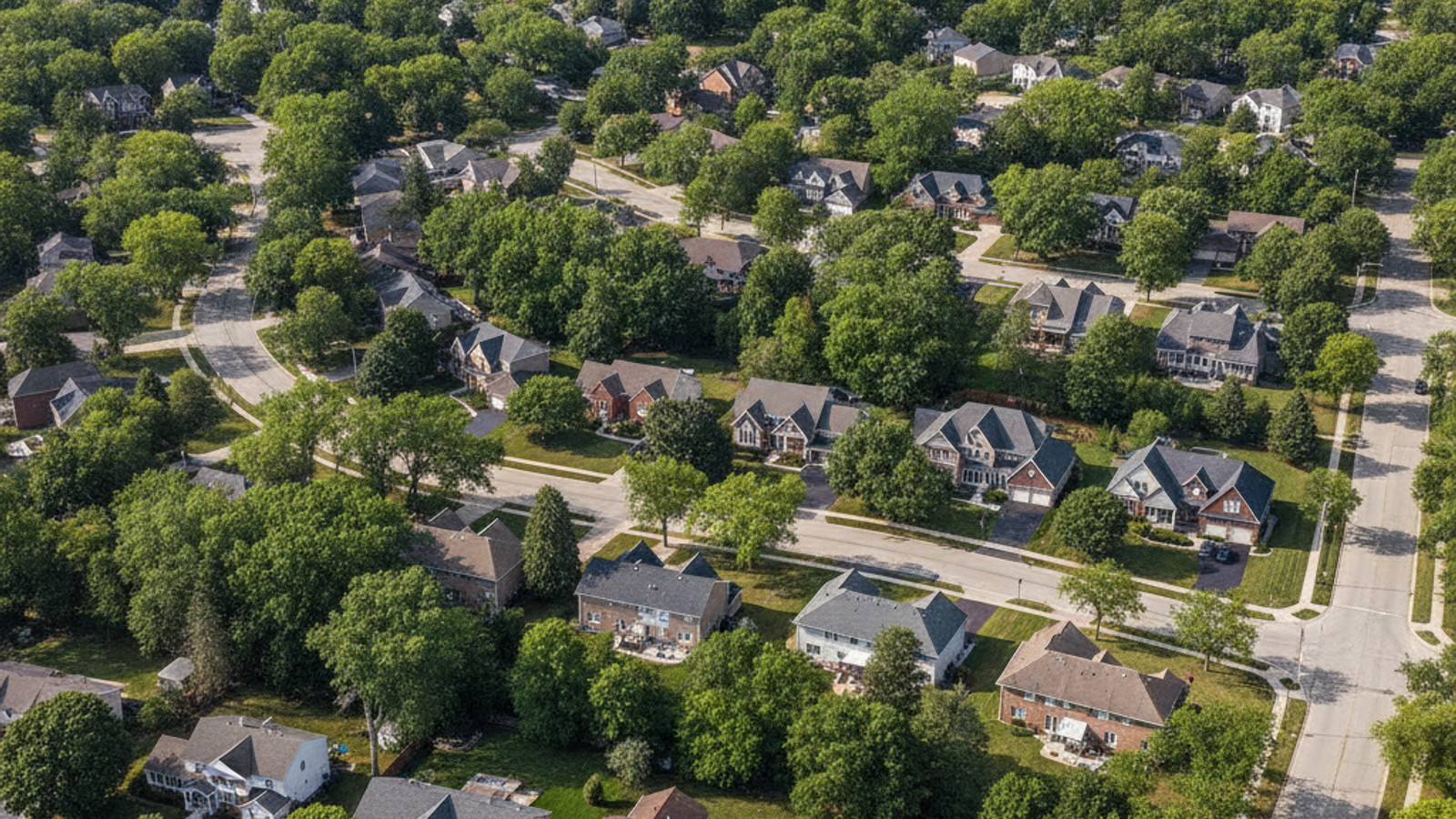
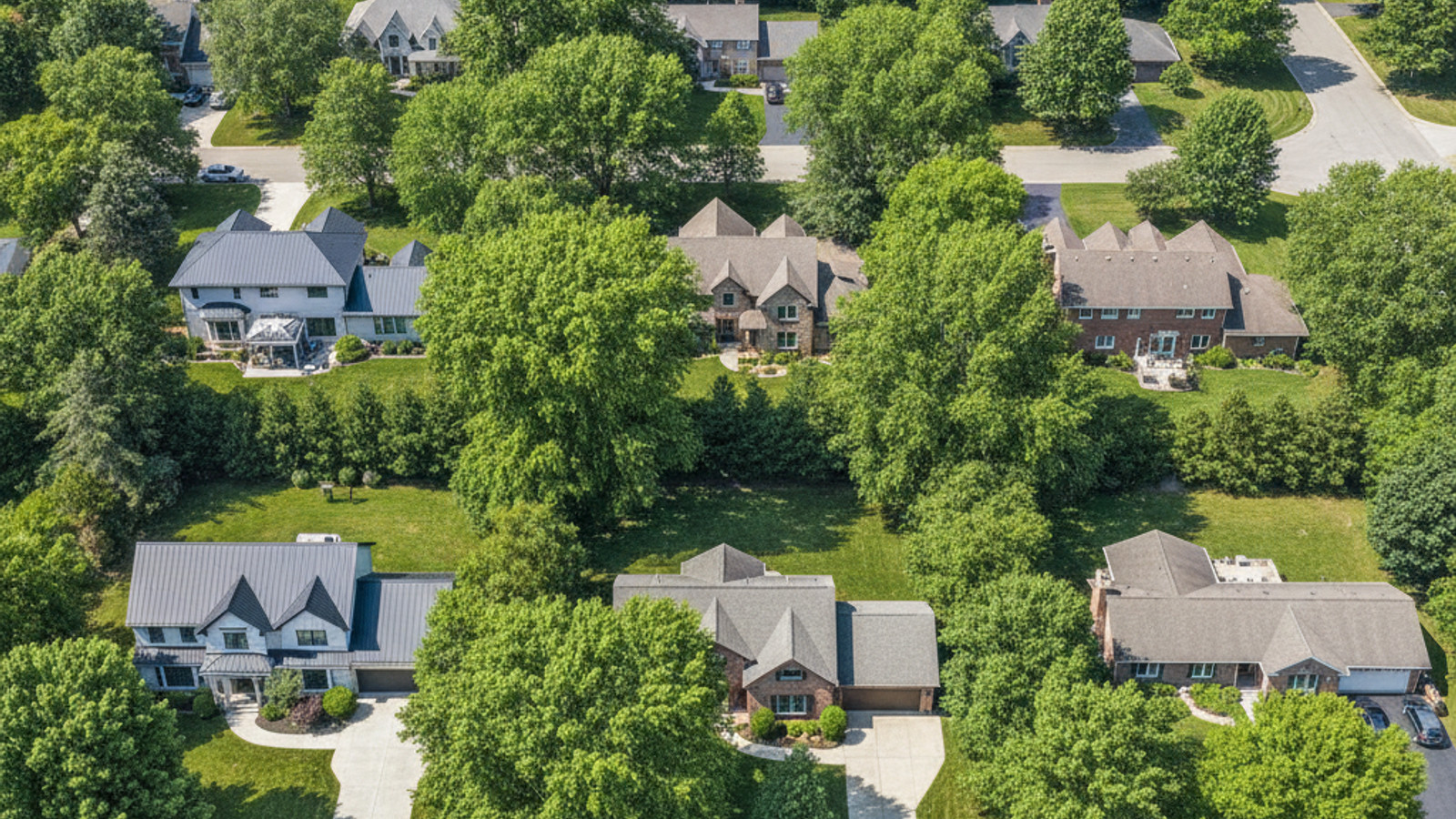
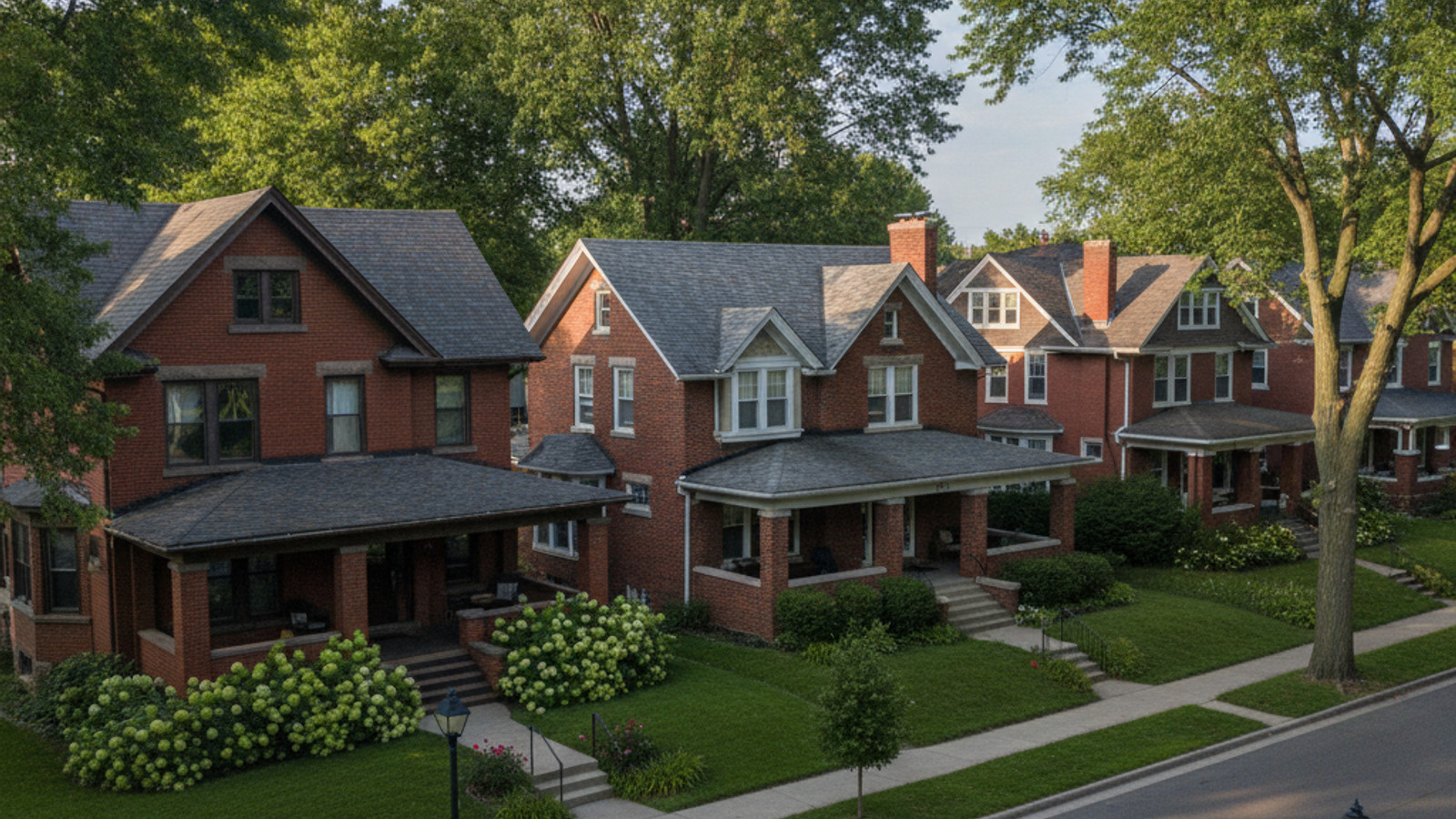
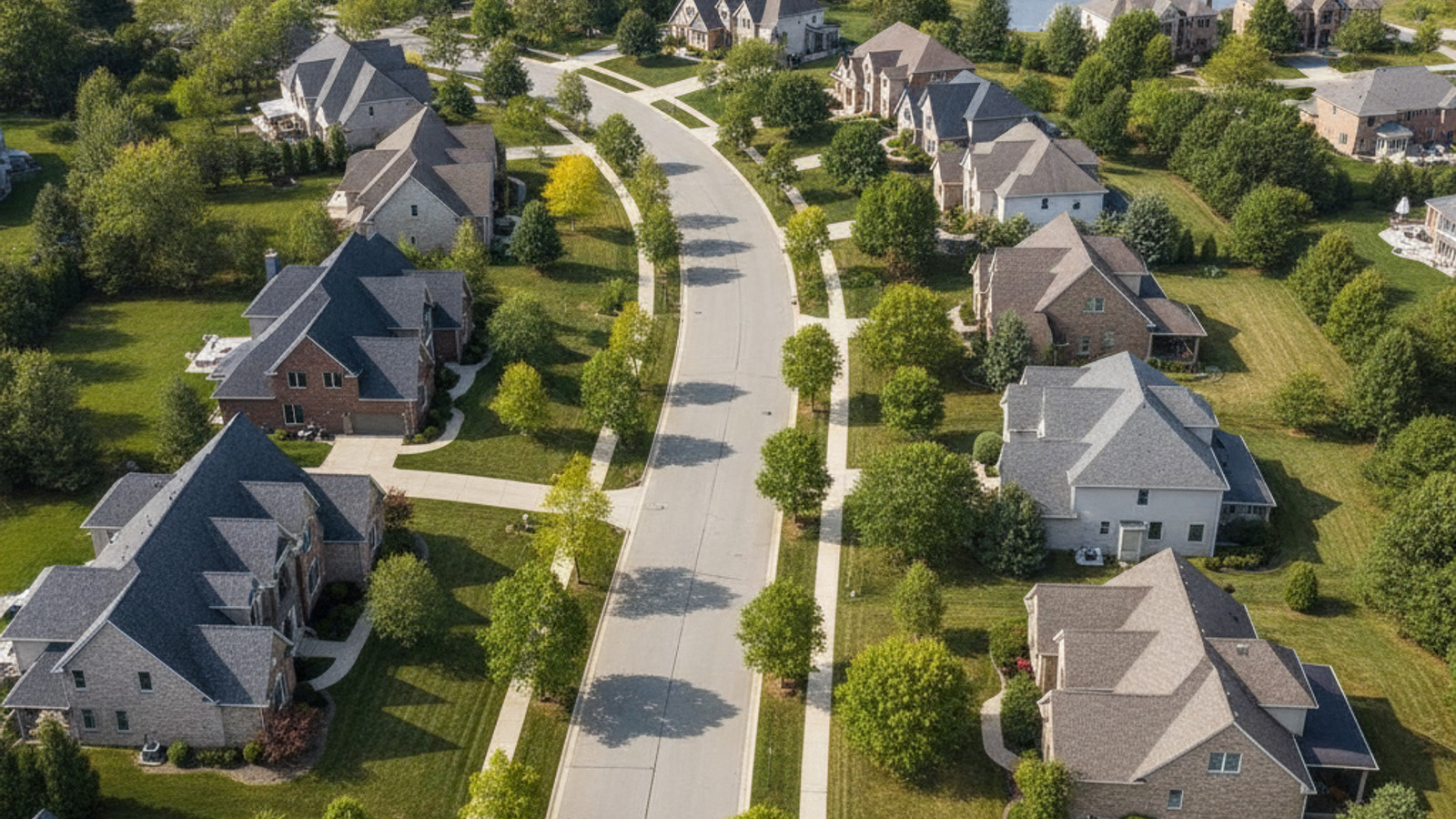
Buyers exploring homes for sale in Troy will find a variety of property types, including spacious single-family homes and modern townhomes with an HOA. The townhome communities often appeal to buyers who want low-maintenance exteriors while living close to major corporate offices.
Oakland County, Michigan property tax rates are another critical component of the overall housing budget. Buyers should review historical tax data on any property they tour to avoid unexpected increases after closing.
Inventory levels typically fluctuate with the seasons, but the steady influx of corporate relocations keeps demand high year-round. Because the market moves quickly, it is highly recommended to secure financing and a pre-approval letter before touring homes.
Frequently Asked Questions About Working in Troy
What are the primary industries driving employment in Troy, MI?
Employment in the area is heavily driven by the automotive, finance, technology, and healthcare sectors. Major management and IT consulting firms also maintain a massive presence along the Big Beaver Road corridor. This diverse corporate base keeps the overall unemployment rate exceptionally low.
Is it easy to commute from Troy to other Detroit suburbs for work?
Commuting to nearby cities is highly convenient due to immediate access to the I-75 corridor. Residents regularly drive to major employment centers for jobs in Sterling Heights or Auburn Hills within about 20 to 25 minutes. The grid layout of local roads also simplifies daily travel to adjacent suburbs.
How does the average salary in Troy align with local home prices?
The median household income of roughly $110,000 to $120,000 aligns well with the local median home prices of $425,000 to $445,000. Buyers earning strong wages in management or specialized roles generally find the housing market accessible. Relocating individuals should always consult with a lender to see exactly how their specific income translates into purchasing power.