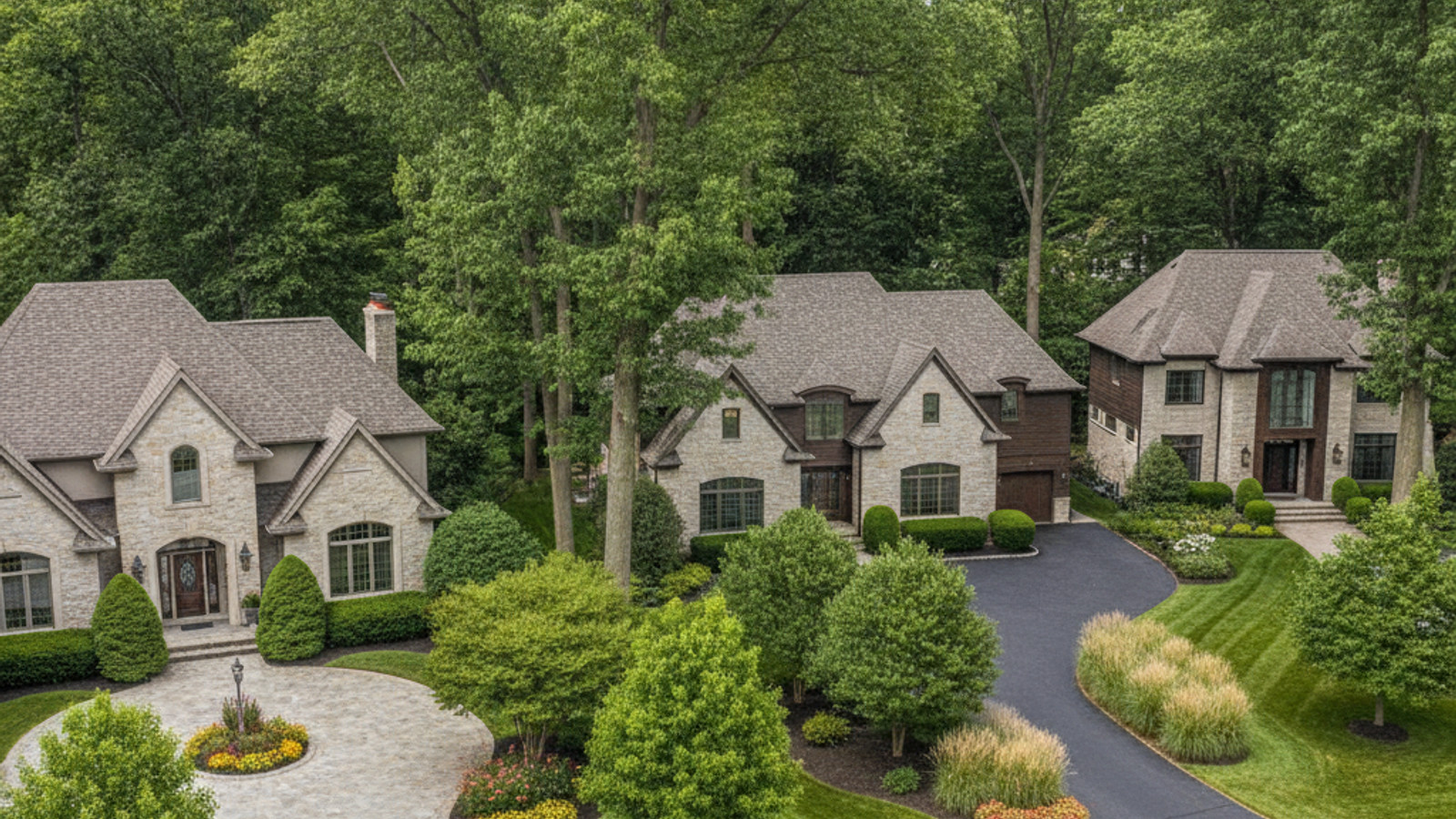
If you are relocating to Metro Detroit, you have almost certainly circled three names on your map: Troy, Bloomfield Hills, and Bloomfield Township.
On paper, they look like neighbors. They share borders, they share weather, and they are all considered premier locations in Oakland County. But once you drive the streets and look at the price tags, you realize they are three very different animals.
The confusion usually starts with the “Bloomfields.” It is vital to understand that Bloomfield Hills is an independent city known for exclusive estates, while Bloomfield Township is the larger charter township that wraps around it, offering a mix of luxury and approachable residential pockets. Troy, on the other hand, is the bustling, energetic powerhouse next door.
Here is the quick “vibe check” I give buyers:
- Troy: The Commercial & Practical Hub. It’s about efficiency, density, and amenities.
- Bloomfield Hills: Prestige & Privacy. Think gated estates and rolling hills.
- Bloomfield Township: Quiet Residential Luxury. Large lots and nature, but without the intense exclusivity of the City.
Let’s break down the real estate numbers, the tax differences, and the lifestyle factors so you can decide which one fits your move.
Housing Market & Cost of Living Comparison
When we look at housing costs, we are really looking at what kind of land and architecture your money buys.
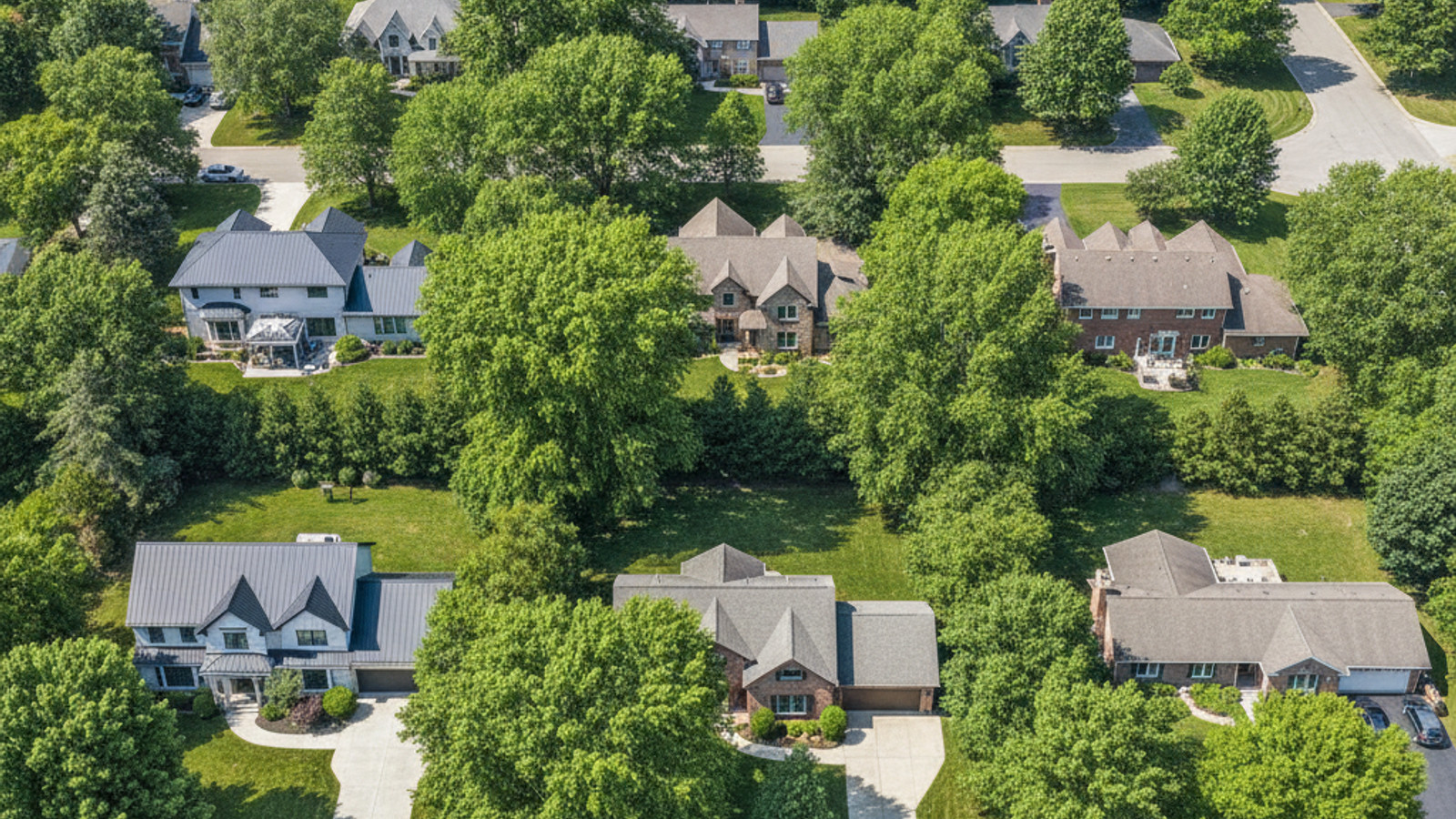
Bloomfield Hills is historically the most expensive market of the three. This is an area defined by strict zoning laws that often require massive lot sizes. You won’t find many cookie-cutter subdivisions here. Instead, you will see custom architectural estates tucked behind privacy landscaping. The median price here trends around $1.2M, but the ceiling is virtually unlimited.
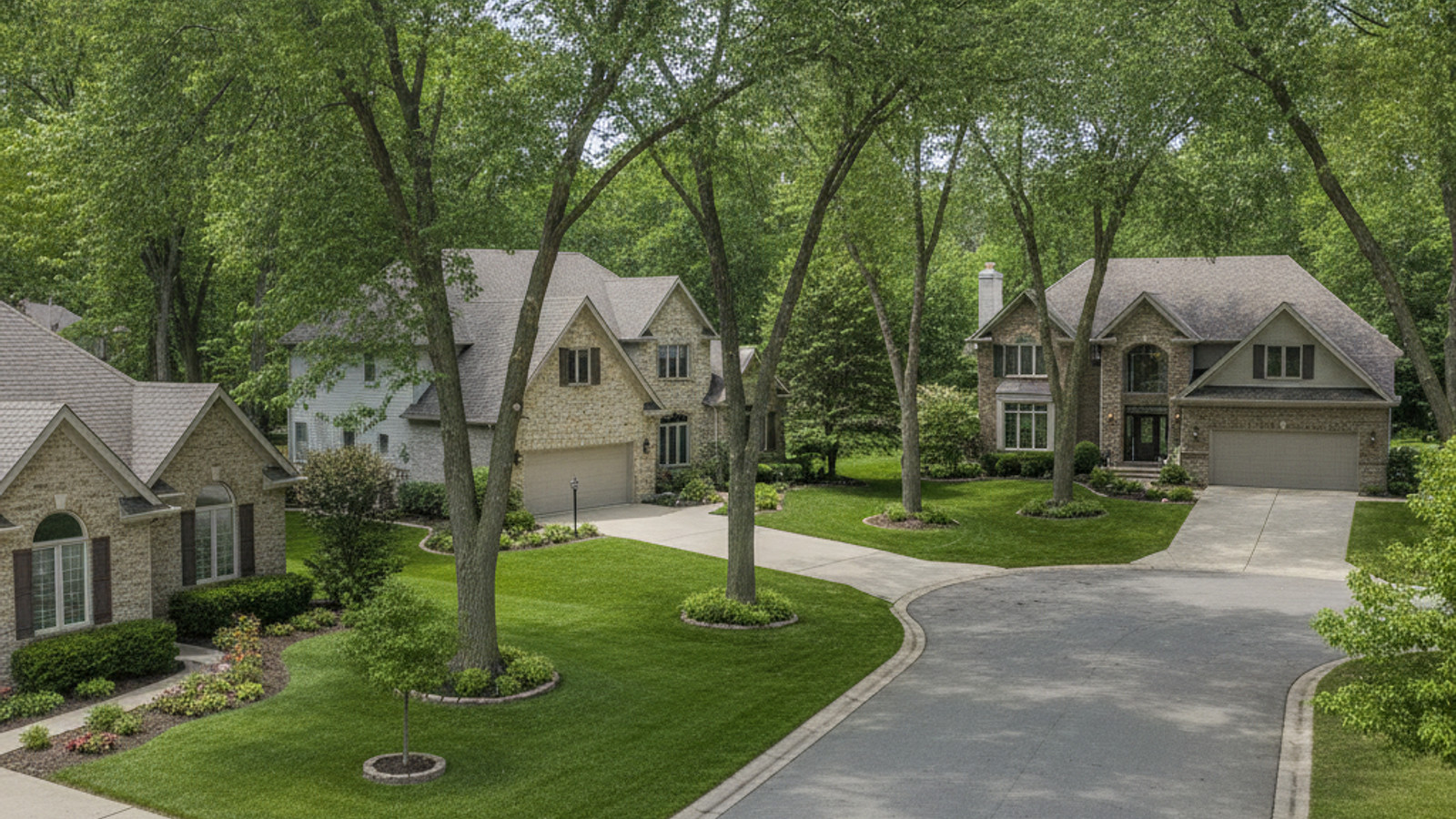
Bloomfield Township offers a middle ground. You still get the “Bloomfield” feel—winding roads, mature trees, and lots that are often an acre or more—but the pricing is more accessible. The housing stock is a mix of sprawling 1950s ranches and newer builds replacing older homes. The median price sits closer to $550K, making it a popular choice for those who want land without the seven-figure entry point of the City.
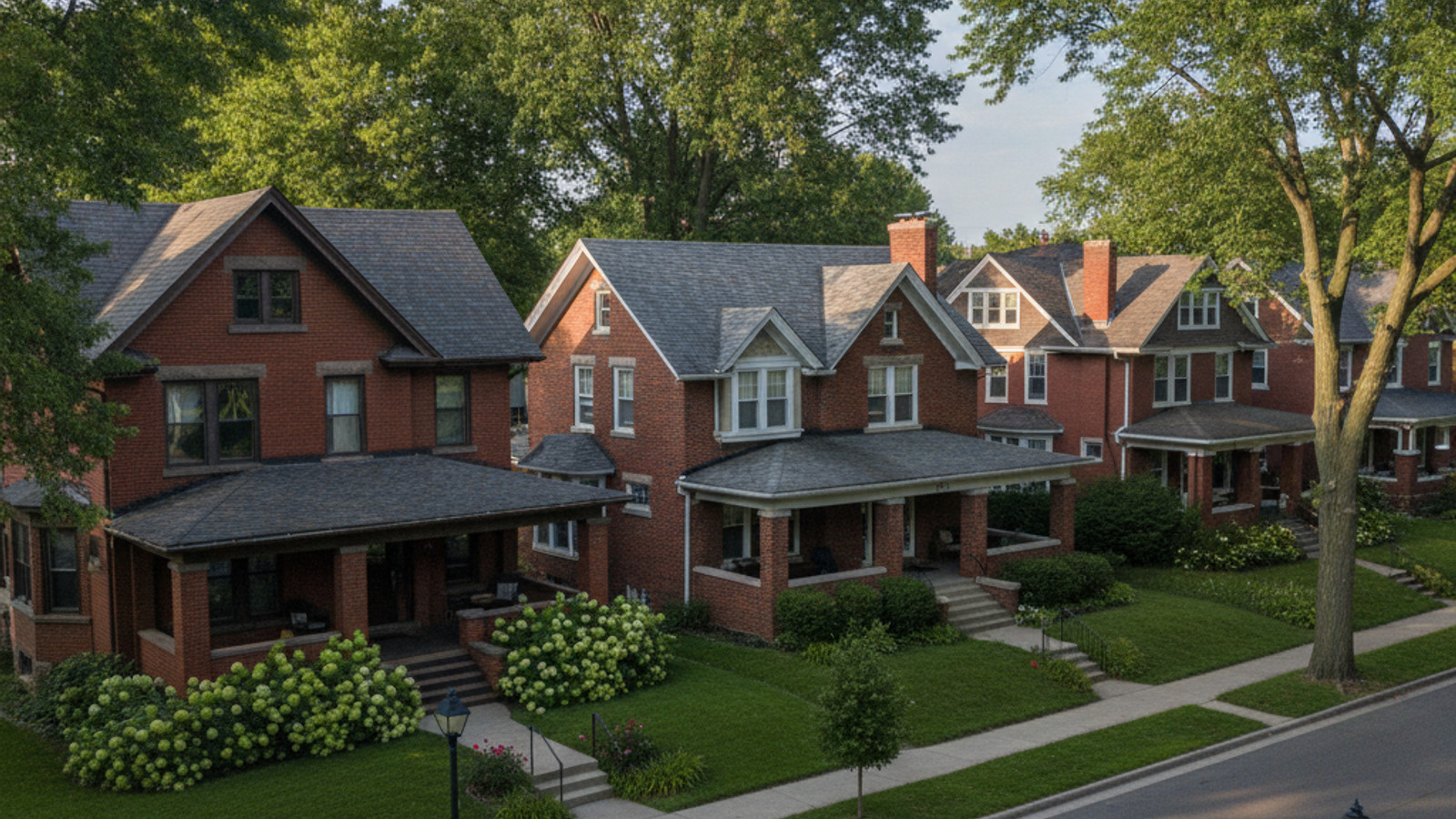
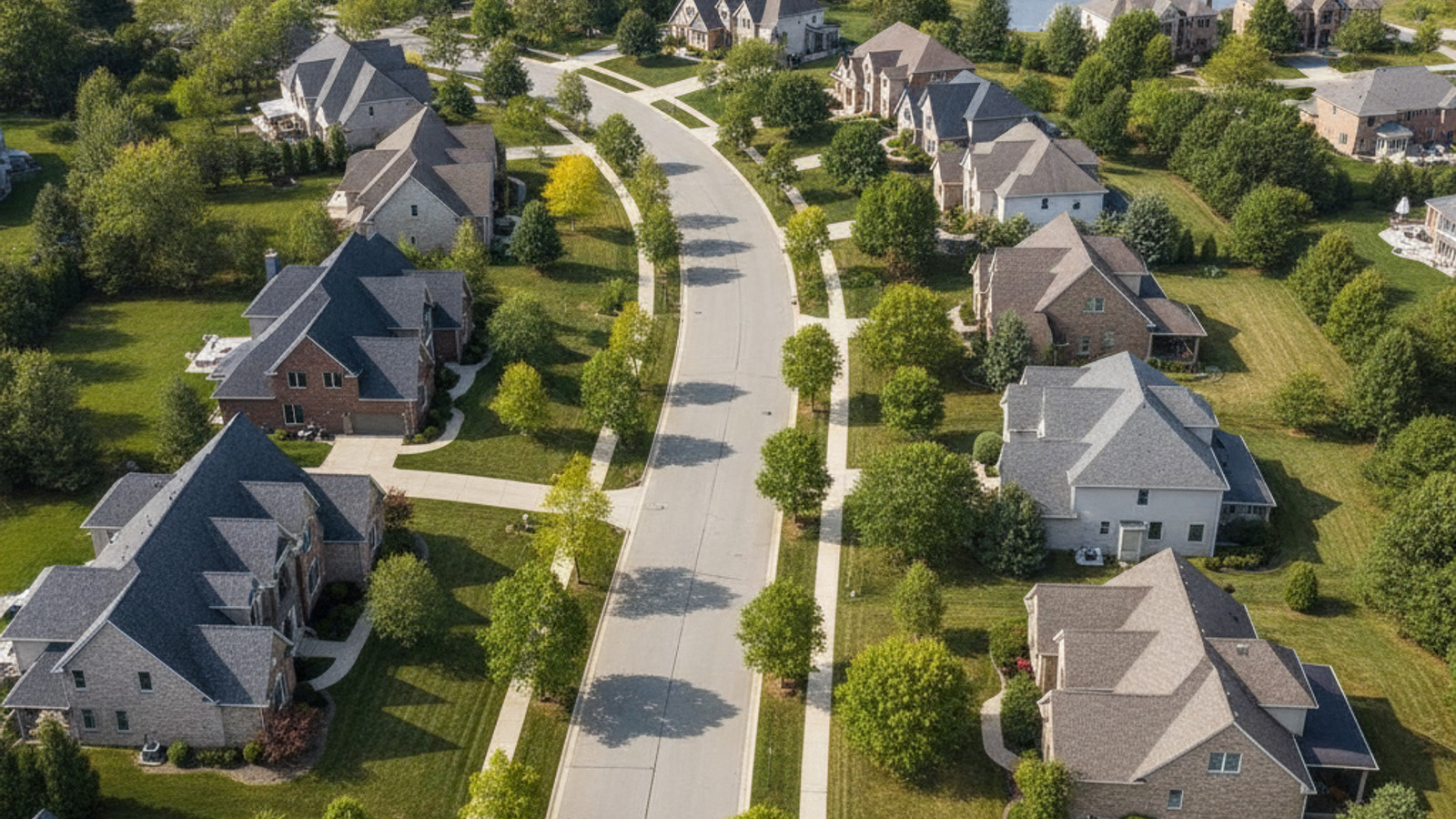
Troy is where you go for subdivision living. The density is higher, the lots are smaller (standard suburban quarter-acre), and there is significantly more new construction. It is often considered the best value play because you get access to top-tier amenities and schools at a median price of roughly $450K.
If you are looking to rent before you buy, Troy has a much larger inventory of luxury apartments and condos (averaging $1,600/month), whereas the Bloomfields have very few apartments, pushing renters toward single-family homes that average higher monthly costs.
Property Taxes & Millage Rates
If you are looking at homes for sale in Troy or the Bloomfields, you have to look past the list price and calculate the monthly escrow. The property tax structures here are distinct.
In Michigan, we look at the “Millage Rate” (the tax rate per $1,000 of taxable value).
Troy generally boasts a lower millage rate (an effective rate often around 1.4% of market value). How do they do this? Troy is a commercial powerhouse. The massive tax revenue generated by the Somerset Collection mall, the Big Beaver office corridor, and the hotels along I-75 subsidizes the residential tax bill. The businesses pay a huge chunk of the city’s operating costs, so the homeowners pay less.
Bloomfield Township has a higher millage rate (closer to 1.6% effective rate). The Township provides excellent services—top-tier police, fire, and road maintenance—but it is almost entirely residential. Without a massive commercial district to offset the costs, the tax burden falls more squarely on the homeowners.
Bloomfield Hills is interesting. While the millage rate itself isn’t always the highest, the assessed values of the homes are so high that the absolute tax bill is often the largest of the three.
School Districts: Boundaries & Ratings
For many buyers, the school district is the driving force behind the move. This is where you need to pay close attention to the boundaries, especially in the Township.
Troy is the simplest to navigate. If you live in the City of Troy, you are almost certainly zoned for the Troy School District. It is consistently rated in the top 5 statewide. Whether your home feeds into Troy High or Athens High, the academic metrics are generally comparable.
Bloomfield Hills (City) is served by Bloomfield Hills Schools, which is home to the renowned International Academy (IA) and the newly consolidated Bloomfield Hills High School.
Bloomfield Township is where it gets tricky. “Living in Bloomfield Township” does not guarantee you go to Bloomfield Hills schools. Depending on which street you live on, your home might be zoned for:
- Bloomfield Hills Schools
- Birmingham Public Schools (also a top-tier district)
- Avondale Schools
- Pontiac Schools
It is absolutely critical to verify the specific school district for any home you are interested in within the Township. Do not assume based on the zip code alone.
Additionally, this entire area is a hub for private education, with Cranbrook Schools (Bloomfield Hills) and Roeper (Birmingham/Bloomfield) drawing students from all three municipalities.
Lifestyle: Somerset Collection vs. Country Clubs
The lifestyle difference between these areas is the difference between a “15-minute city” and a “country retreat.”
Troy is designed for convenience. The Big Beaver corridor is the spine of the city, anchored by the Somerset Collection, one of the most luxurious shopping centers in the Midwest. Because of the commercial density, Troy has an incredible dining scene, particularly known for authentic Asian and Indian cuisine. If you want to be able to run errands, grab dinner, and hit the gym all within a two-mile radius, Troy is the spot.
The Bloomfields offer “Quiet Wealth.” There is no traditional downtown in Bloomfield Hills or the Township. Residents typically drive into neighboring downtown Birmingham for nightlife and walkable dining. Life here revolves more around privacy, nature preserves, and the private clubs—most notably the historic Oakland Hills Country Club. You will notice a lack of sidewalks in many Bloomfield neighborhoods; this is intentional to preserve a rustic, non-urban atmosphere.
Commute & Location: I-75 vs. Woodward Ave
How you get to work will dictate which area feels more convenient for you.
Troy is defined by the I-75 corridor. If you work at the GM Tech Center in Warren, the automotive HQs in Auburn Hills, or need to get to downtown Detroit quickly, Troy offers the most direct highway access. You are looking at a 20-25 minute drive to almost any major employment hub in the metro area.
Bloomfield Hills and the Township rely heavily on Woodward Avenue (M-1) and Telegraph Road. These are scenic, iconic boulevards, but they have traffic lights. The commute is generally slower and more scenic. If your life revolves around Birmingham, Pontiac, or Royal Oak, this location is ideal. However, getting to the east side or deep into the northern suburbs can take a bit longer without immediate freeway access.
Troy feels “connected” to the grid, while the Bloomfields feel intentionally “tucked away.”
Frequently Asked Questions
Is Troy MI more expensive than Bloomfield Township?
Generally, no. Troy is usually more affordable. The median home price in Troy hovers around $450K, while Bloomfield Township is closer to $550K. However, Troy has seen rapid appreciation due to high demand for its school district and lower taxes.
Do Bloomfield Township residents go to Bloomfield Hills schools?
Not necessarily. This is a common misconception. While many do, large sections of Bloomfield Township are zoned for Birmingham Public Schools, Avondale, or Pontiac. You must check the specific address against the district map before offering on a home.
What is the difference between Bloomfield Hills and Bloomfield Township?
Bloomfield Hills is an independent city with a focus on large estates and a population of about 4,000. Bloomfield Township is a larger charter township (population ~44,000) that surrounds the city, offering a wider variety of housing styles and prices while sharing similar geography.
Are property taxes lower in Troy or Bloomfield Township?
Property taxes are generally lower in Troy. Troy benefits from a massive commercial tax base (offices, retail, hotels) that helps subsidize the cost of city services, keeping the residential millage rate lower than in Bloomfield Township, which relies mostly on residential taxes.