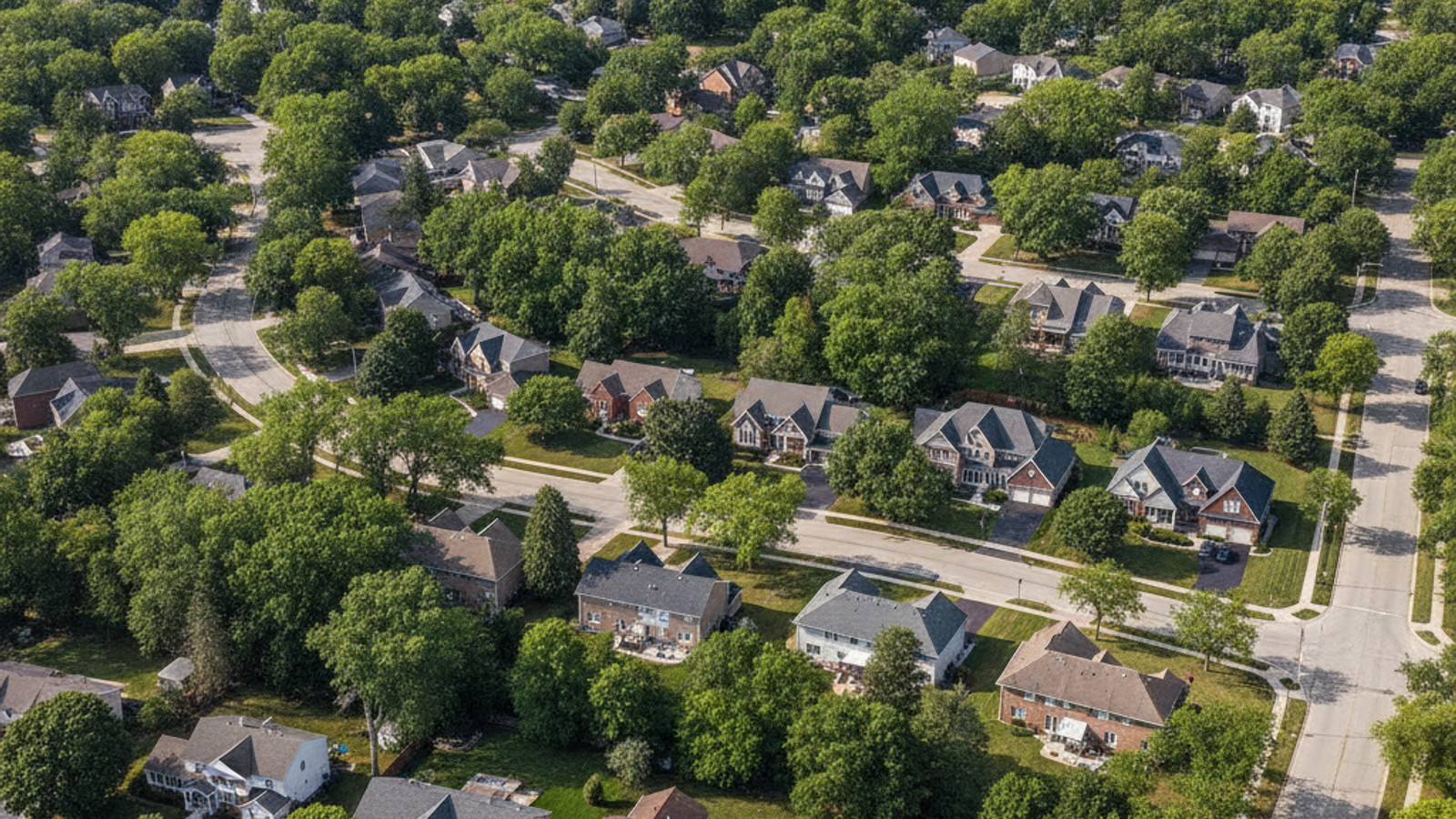
Buying a home in Oakland County requires a clear understanding of the carrying costs beyond the monthly mortgage payment. Property taxes in Troy MI are a major factor in that ongoing budget, especially as local property values have shifted over the last few years. Knowing exactly how these local assessments work prevents unexpected financial surprises after closing.
The system used across Michigan can feel complex to out-of-state buyers or first-time homeowners. Local taxes are based on a unique structure that caps annual increases but resets when a property changes hands. Mastering the difference between assessed and taxable values gives you a distinct advantage when evaluating homes in the current 2026 market.
Understanding Troy, MI Property Taxes in 2026
The foundation of your tax bill starts with the initial valuation of the real estate. The local assessor determines the true market value of a home and sets the Assessed Value at approximately 50 percent of that total. This figure is then reviewed alongside county and state data to establish the State Equalized Value, which usually mirrors the initial assessment.
Long-term ownership in Michigan comes with built-in protection against sudden tax spikes. Under Proposal A, your Taxable Value is strictly capped, meaning it can only increase by the rate of inflation or 5 percent, whichever is lower. This cap creates highly predictable carrying costs for residents who stay in their homes for many years.
However, new buyers face a completely different reality during their first year of ownership. The year following a purchase, the taxable value undergoes an uncapping process, resetting to match the current market-based State Equalized Value. My strongest advice for buyers is to never assume your future tax bill will match what the previous owner paid, as that uncapped adjustment reflects current market pricing rather than historical caps.
How to Calculate Your Property Tax Bill in Troy
Estimating your future tax liability requires looking at the current local millage rate and your expected purchase price. For a practical baseline, we can look at the 2026 median home price in Troy, which sits at approximately $435,000. When you buy that home, the initial Assessed Value and resulting Taxable Value for the following year will be roughly half of that, or $217,500.
The actual math relies on a straightforward formula using the local millage rate. You multiply your Taxable Value by the millage rate, and then divide that number by 1,000 to find your annual tax amount. Keep in mind that a primary resident will see a dramatically lower final number than an investor buying a rental property.
The Principal Residence Exemption (PRE)
The Principal Residence Exemption is the most powerful tool available to reduce your overall carrying costs. This exemption removes the burden of most local school district operating millages for owner-occupied primary homes. Non-homestead properties, such as investment rentals or second homes, pay the full 18 mills, while PRE-qualified properties skip that heavy assessment entirely.
Securing this massive discount requires deliberate action immediately after your closing. Buyers must file a PRE affidavit with the Troy Assessor’s Office to guarantee the exemption is applied to the upcoming billing cycle. Missing this paperwork deadline means paying the investor rate until the next tax year, which is an easily avoidable mistake.
Breakdown of Millage Rates: Where Do Your Taxes Go?
Paying your local property assessments involves two distinct billing cycles throughout the year. The summer tax bill is typically the larger of the two, covering major educational and municipal operations, while the winter bill handles remaining county and specialized regional services. Understanding this split helps homeowners budget their escrow accounts effectively across the calendar.
The funds collected are directly invested back into the immediate community and surrounding Oakland County infrastructure. A significant portion supports the highly rated Troy School District, which remains a primary driver of real estate demand in the area. Municipal taxes also maintain standout local amenities, including the expansive Troy Community Center and the athletic facilities at Boulan Park.
From a real estate perspective, these local investments justify the cost of the annual tax bill. Strong funding for emergency services, road maintenance, and public parks directly stabilizes property values over time. Buyers are paying for a well-maintained civic infrastructure that consistently protects their long-term equity.
Current Real Estate Market Conditions in Troy
The housing landscape in Troy during 2026 offers a steady mix of traditional single-family homes and newer townhouse developments. Demand remains consistent, with the average time on market hovering between 25 and 30 days for properly priced listings. Buyers are actively competing for homes near the $435,000 median price point, requiring decisive action when the right property appears.
Location plays a massive role in maintaining this strong buyer interest. The city provides incredibly efficient commute times to major business hubs via the nearby I-75 corridor, making it a highly practical base for daily travel. This accessibility, paired with robust local commercial centers, anchors the local economy.
Factoring property taxes into this market environment reveals a balanced value proposition. While the local millage rates require a solid financial commitment, the resulting community amenities and infrastructure deliver clear tangible benefits. Buyers who secure their property and file their homestead exemptions early are well-positioned to build wealth in this stable Oakland County market.
Frequently Asked Questions
How much are property taxes in Troy, Michigan?
The exact amount depends heavily on your property’s taxable value and current millage rates. For a median-priced home of $435,000 in 2026, a primary resident can expect their annual property taxes to be calculated on an assessed value of roughly $217,500. Rates vary slightly depending on your specific school district boundaries within the city.
When are property taxes due in Troy, Michigan?
Homeowners in this area pay their assessments in two separate installments each year. Summer taxes are typically due without penalty by mid-to-late summer, while winter taxes are due in the middle of February. Missing these specific deadlines results in immediate late fees added to your balance.
How do I look up or pay my property taxes in Michigan?
The most efficient way to review your tax history is through the statewide BS&A online portal. Residents can also check their balances and make direct payments through the City of Troy Treasurer’s Office website. Both platforms provide precise historical data on past payments and current assessed values.
What happens to my taxes if I buy a home in Troy this year?
Your tax liability will reset the year following your purchase due to the state’s uncapping law. The taxable value will adjust to match the current market-based State Equalized Value, removing the previous owner’s capped rate. Buyers must plan their 2026 budgets around this uncapped value rather than relying on historical tax records.