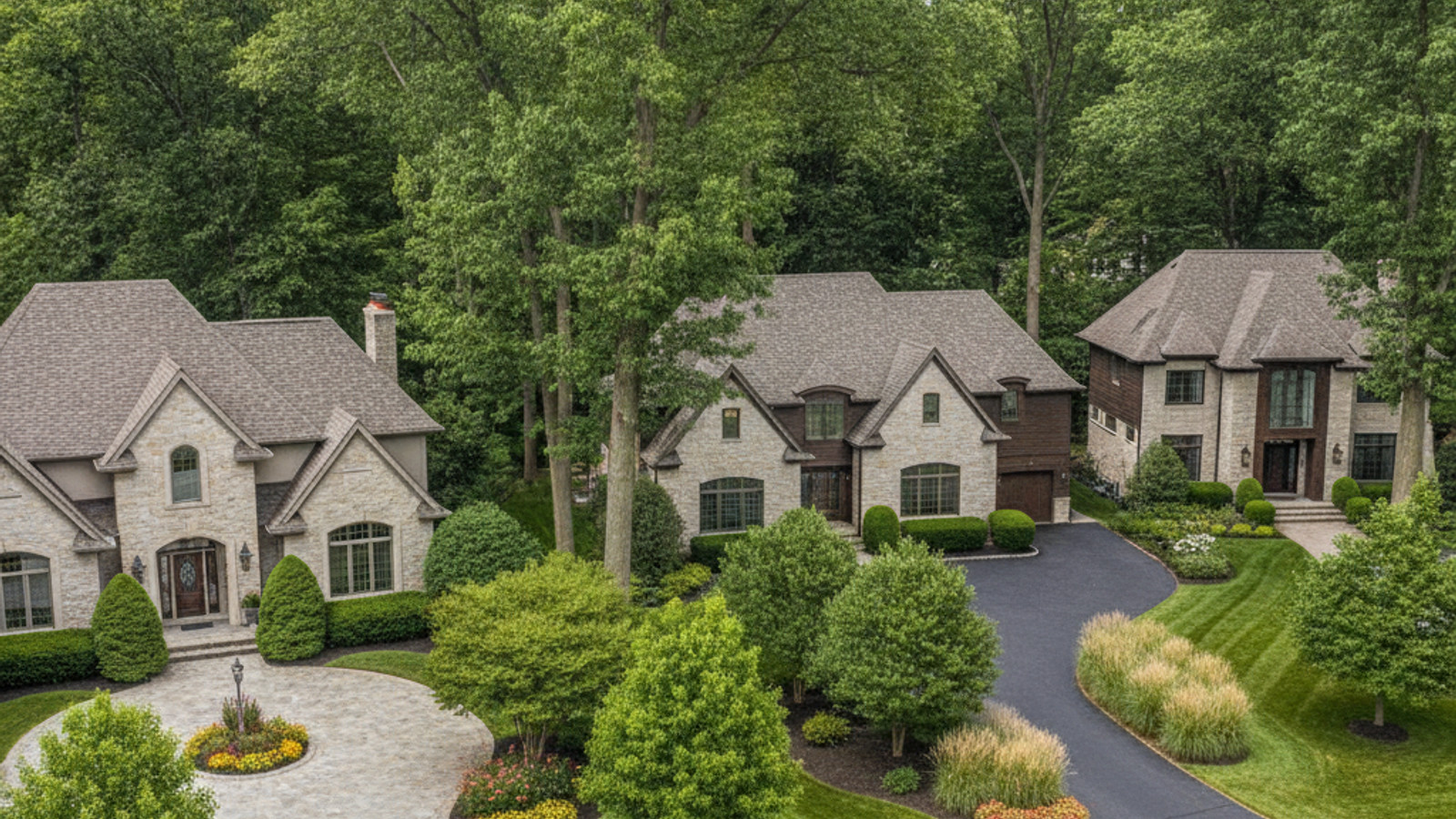
Oakland County continues to be a focal point for property acquisitions, and the current landscape makes investing in Troy MI real estate a calculated move for portfolio growth. Buyers looking at the local market in 2026 are finding a structured environment driven by sustained corporate presence and consistent tenant demand. The city operates as a primary economic engine for the Detroit metropolitan area, anchoring major technology and manufacturing corridors.
Evaluating this market requires looking past standard residential appeal and focusing strictly on the numbers. Inventory levels, localized tax rates, and specific rental yields dictate where the highest returns are hiding. Understanding how these objective factors interact across different zip codes allows investors to position their capital for reliable long-term appreciation and immediate cash flow.
The 2026 Troy MI Real Estate Market Overview
The current real estate investment climate in Troy is defined by steady transaction speeds and resilient property values. High-net-worth buyers and institutional investors are navigating a landscape where pricing reflects the strong local employment base. The market operates efficiently, meaning well-priced properties move quickly from listing to pending status without languishing on the Multiple Listing Service.
Taking a data-driven approach is essential for evaluating local investments this year. Broad county-level statistics often obscure the distinct performance of Troy properties, which typically command a premium due to location and infrastructure. Focusing on specific appreciation metrics and inventory types provides a clearer picture of where the actual value lies for prospective landlords.
Current Property Appreciation and Inventory
The median home price range in early 2026 sits between approximately $400,000 and $457,000, depending on the exact neighborhood and property condition. Single-family homes make up the bulk of the traditional inventory, though condominiums offer a lower barrier to entry for buyers focused purely on rental yield. This pricing tier reflects a mature market that consistently holds its value against broader economic fluctuations.
Transaction pacing remains brisk, with the median days to pending currently hovering around 25 to 35 days. This speed indicates that demand is absorbing the available inventory at a healthy rate. Investors must be prepared with financing or cash reserves, as properties requiring minimal renovation are highly contested.
Average Rental Rates and Cash Flow Potential
Establishing accurate cash flow expectations requires a close look at current lease agreements across distinct property types. The local economic stability ensures consistent occupancy demand, minimizing the vacancy periods that typically erode an investor’s bottom line. Both multi-family units and detached residential properties generate reliable monthly revenue streams.
Average rental rates in the area provide clear targets for projecting gross income. Investors analyzing potential acquisitions should benchmark their expected returns against the following approximate 2026 figures:
- Studio and one-bedroom apartments average between $1,437 and $1,499 per month.
- Two-bedroom units command higher premiums, often pushing past the $1,800 mark depending on proximity to commercial centers.
- Single-family houses rent for an average of $2,300 to $2,795 per month, offering the highest gross revenue potential.
Local Economic Drivers Fueling Troy Real Estate
Troy’s status as a major corporate hub directly underpins the strength of its housing market. The city hosts a dense concentration of technology, engineering, and advanced manufacturing businesses that draw a highly skilled workforce. This consistent influx of professionals creates a structural economic foundation that supports long-term residential property investments.
Low unemployment rates across Oakland County drive consistent housing demand, ensuring a steady pool of qualified prospective tenants. When the local employment base expands, the immediate ripple effect is felt in both the rental and resale markets. Buying property here is essentially an investment in the sustained commercial viability of the region.
Major Corporate Hubs and Commute Times
A significant portion of the local economy revolves around the Automation Alley corridor, a non-profit technology and manufacturing business association. With its headquarters located on Bellingham Drive right in Troy, this hub attracts numerous high-tech and defense employers to the immediate vicinity. Properties located near these employment centers experience robust leasing interest from relocating professionals.
Commuting access further amplifies the value of real estate in the area. The strategic advantage of proximity to I-75 provides a direct, efficient route into downtown Detroit for the local workforce. Average commute times to the city center run approximately 25 to 35 minutes, making Troy an exceptionally convenient base for regional commuters.
Objective Community Features Impacting Property Values
Property appreciation in this market is heavily insulated by specific infrastructural and commercial amenities. Savvy buyers recognize that objective community features – rather than subjective neighborhood labels – are what maintain Troy’s property value resilience. Access to robust municipal services, high-end retail, and well-maintained public spaces creates a baseline of demand that persists through varying economic cycles.
Relying strictly on data and location attributes allows for a more accurate valuation of prospective acquisitions. Proximity to major commercial footprints and established school district boundaries directly correlates with higher price per square foot metrics. These physical and administrative borders define the premier investment zones within the city limits.
Troy School District and Local Amenities
The administrative boundaries of the Troy School District provide significant property value stabilization for the homes located within them. The district’s 2026 enhancement millage generates approximately $781 per pupil, reflecting strong localized funding that supports the area’s infrastructure. Homes zoned within this district historically maintain tighter days on market and higher resale values.
Beyond educational infrastructure, the economic footprint of the Somerset Collection anchors the local retail sector. This massive commercial center, combined with recreational infrastructure like Boulan Park, adds tangible lifestyle value to surrounding residential properties. Tenants and buyers alike prioritize these objective proximity metrics when selecting a location for a long-term lease.
ROI and Tax Breakdown by Troy Zip Code
Understanding the local effective property tax structure in Oakland County is critical for calculating accurate net operating income. The median effective property tax rate in Troy currently sits around 1.28% to 1.36%, which is a significant line item for any landlord. Failing to account for these localized assessments can rapidly diminish the projected cash flow of an otherwise promising asset.
Varying millage rates across the city mean that a property’s exact location dictates its tax burden. Investors must analyze the zip code-specific tax breakdown to ensure their acquisition strategy aligns with their financial models. A slightly lower purchase price in one sector may be offset by higher annual carrying costs associated with municipal taxes.
Comparing 48083, 48084, and 48098
Tax bills range significantly by area, requiring careful comparison between the northern and southern zip codes. For example, the median property tax bill in the 48083 zip code is roughly $3,402, while properties in the 48098 zip code see a median bill closer to $5,542. This variance directly impacts the monthly reserves an investor must hold for escrow and maintenance.
The 2026 average median sale price per square foot across the city is approximately $221. Investors seeking higher immediate cash flow often target the 48083 area due to lower carrying costs, while those focused on maximum long-term equity growth lean toward 48098. Identifying localized value requires balancing these property tax realities against the expected appreciation rate of the specific neighborhood.
Frequently Asked Questions About Investing in Troy MI Real Estate
What are the current real estate market trends in Troy, MI?
The local market in 2026 is characterized by steady appreciation and efficient transaction speeds. Median home prices range from approximately $400,000 to $457,000, with properties typically pending within 25 to 35 days. This brisk pace indicates strong, sustained demand from both owner-occupants and investors.
What is the 3-3-3 rule in real estate?
The 3-3-3 rule is a financial guideline suggesting investors maintain cash reserves equal to three months of mortgage payments, three months of expected vacancy loss, and three months of maintenance costs. Applying this rule to a Troy investment property ensures sufficient liquidity to handle unexpected repairs. It acts as a necessary buffer against the carrying costs associated with a $2,300 average monthly single-family rental.
Are there any signs of house prices dropping in 2026 in Michigan, specifically Troy?
There are currently no data-backed indicators of significant price drops in the localized Troy market for 2026. The strong employment base anchored by the Automation Alley corridor continues to drive housing demand. Low unemployment rates and consistent population stability keep inventory tight and property values resilient.
What are the different strategies for investing in real estate in Troy, MI?
Investors typically choose between active single-family rentals and more passive condominium investments. Acquiring a detached home offers higher average monthly rent, often reaching $2,795, but requires more hands-on maintenance. Condominiums provide a lower barrier to entry and reduced exterior upkeep, making them suitable for out-of-state buyers seeking steady leasehold income.