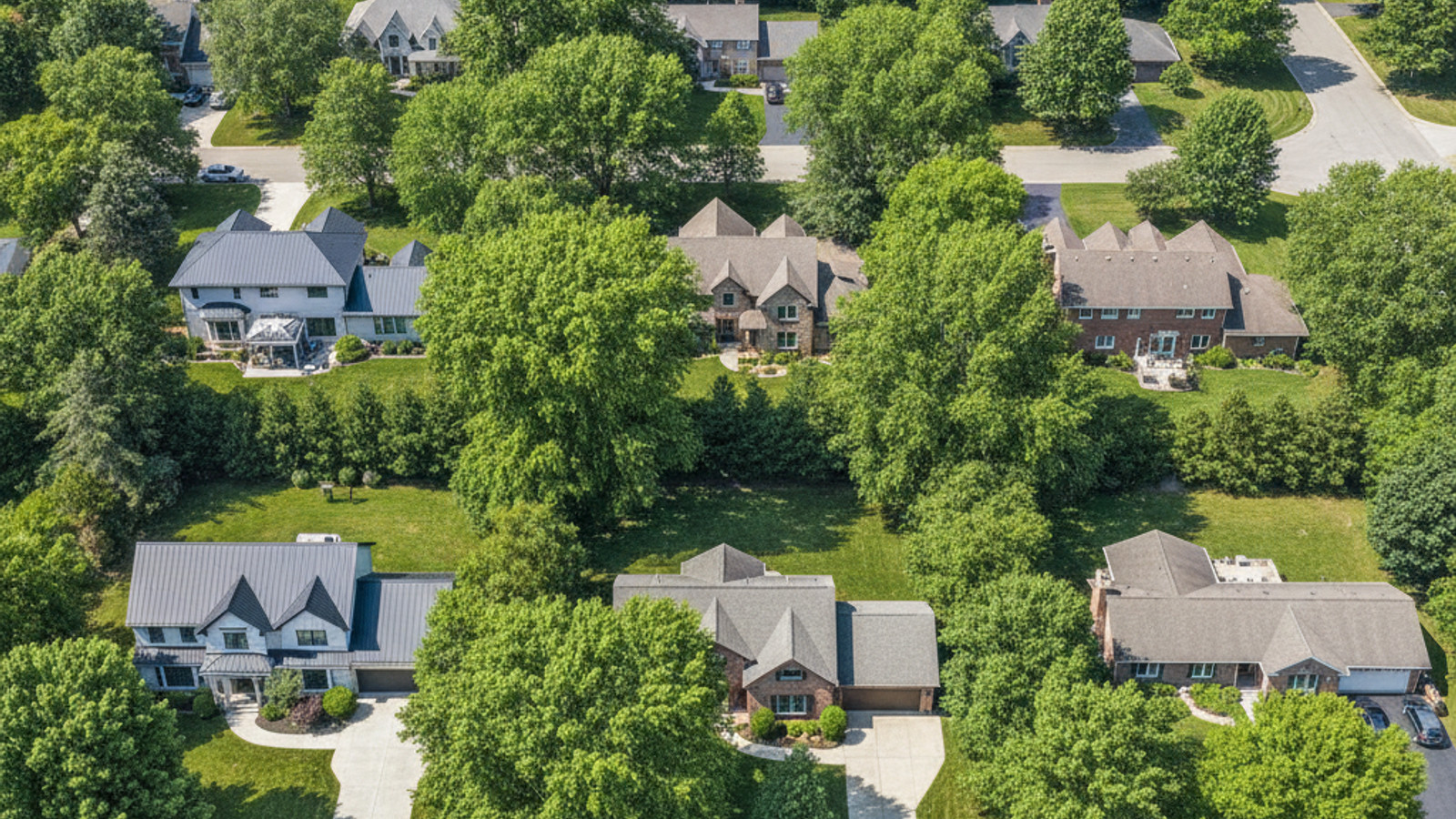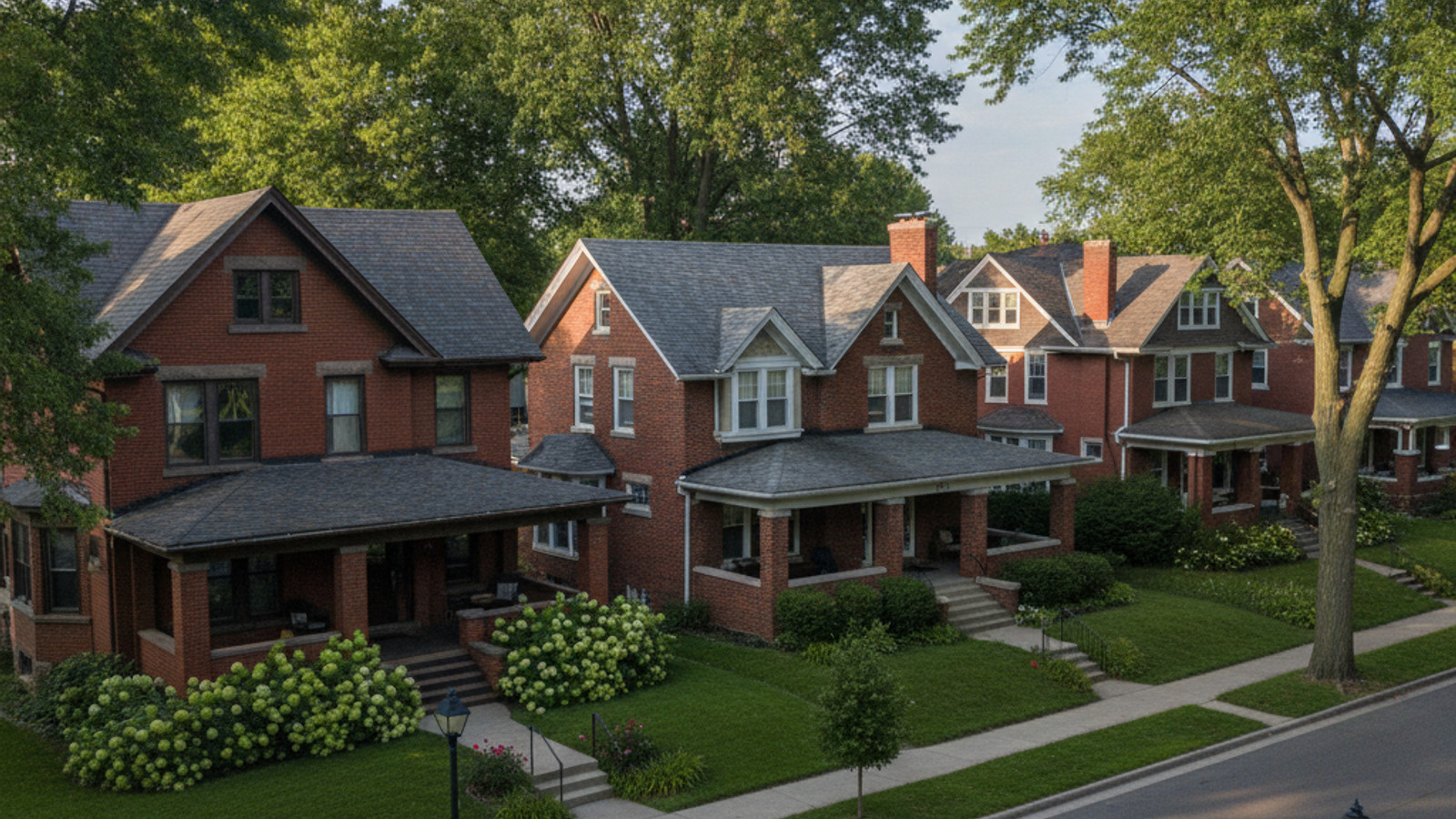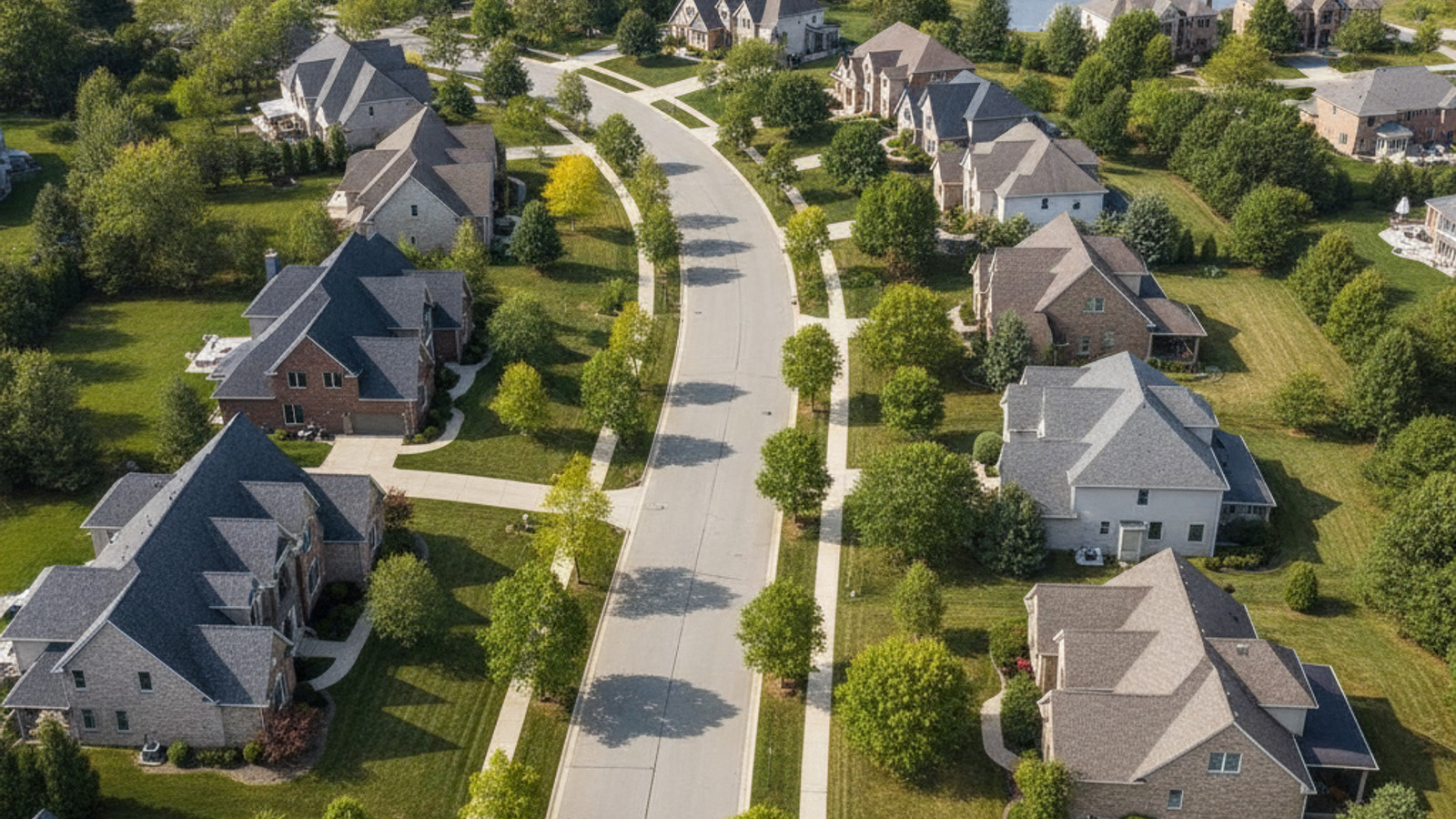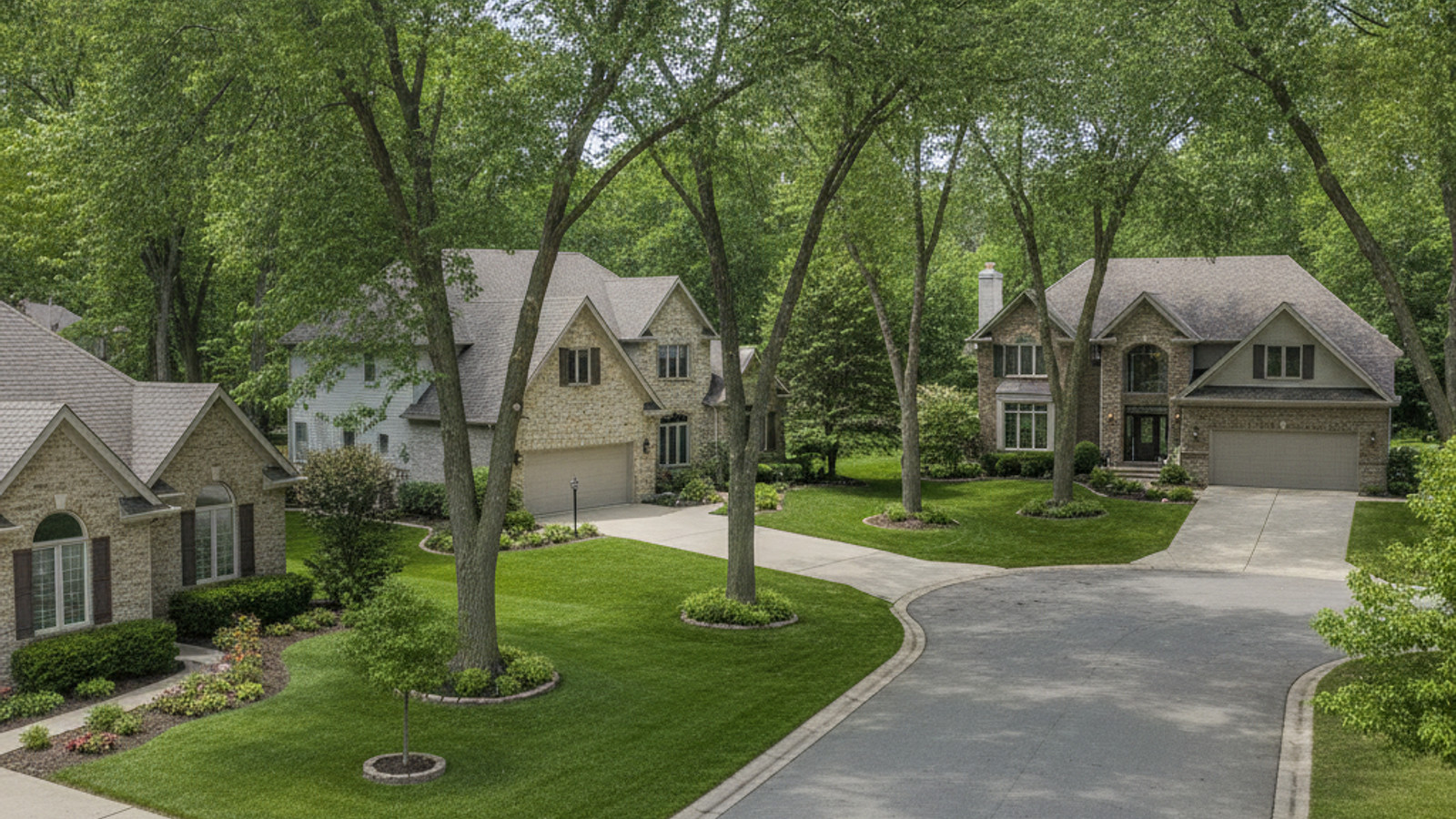
Navigating the rental landscape in Oakland County requires a clear understanding of current market data. As of early 2026, prospective tenants evaluating the average rent in Troy MI will find a highly active market driven by major employment corridors and robust local infrastructure. Troy offers a diverse mix of housing options, ranging from dense apartment complexes along major thoroughfares to sprawling single-family suburban homes.
Understanding local rent prices is critical for anyone planning a move to the area this year. The local rental market operates at a premium compared to surrounding municipalities, reflecting the heavy concentration of corporate headquarters and retail centers. Renters need to look beyond the surface-level median rent to see how specific property types, unit sizes, and neighborhood boundaries impact their monthly housing costs.
2026 Rental Market Trends in Troy, MI
The current rental landscape in Troy shows steady demand across all property types. General median rent across the city spans from roughly $1,612 to $2,342 per month, heavily dependent on the exact square footage and building amenities. This pricing reflects the ongoing demand for available space near major employment hubs along the Big Beaver Road corridor.
Landlords and property managers are maintaining strict tenant screening processes as the available rental inventory remains highly competitive. The local housing stock provides a fairly even split between large-scale apartment buildings and individual residential houses. Renters prioritizing immediate access to highway infrastructure generally face higher monthly lease rates than those looking further into the residential subdivisions.
Average Rent for an Apartment by Unit Size
Apartment hunters will find a wide spectrum of monthly rental prices based on the number of bedrooms. Studio apartments offer the most accessible entry point into the city, while larger units command significant price premiums for the extra living space.
- Studio apartments: $810 to $1,206 per month
- 1-bedroom units: $985 to $1,460 per month
- 2-bedroom units: $1,682 to $2,241 per month
- 3-bedroom apartments: $2,056 to $2,342 per month
The sharp price jump between one and two-bedroom units reflects the high demand for shared living arrangements and dedicated home office space. Renters should note that these figures represent base rent, and additional fees for parking or utilities often apply.
Houses for Rent in Troy, MI
Moving out of an apartment and into a detached single-family home changes the financial equation significantly. The average monthly cost for single-family houses for rent is approximately $2,795. Some larger properties easily exceed $3,000 per month depending on the specific neighborhood and lot size.
These single-family rentals generally offer substantially more square footage and private outdoor space than standard apartments. Prospective tenants should also prepare for stricter HOA regulations and potentially higher utility burdens when leasing a detached home.
Comparing Troy Rent Prices to the National Average
When evaluating the overall cost of living, Troy rent prices sit noticeably higher than the national average. General housing costs in the city run approximately 7.6 percent more expensive than broader US market data. This premium is a direct reflection of the robust local economy and extensive municipal services available to residents.
Interestingly, while the overall housing index is higher, apartment-specific averages in certain older complexes can sometimes track slightly below the national median. However, once you factor in the cost of living index adjustments for local utilities and transportation, the total monthly expenditure aligns with premium suburban markets.
Renters are consistently willing to pay these prevailing rates in Oakland County because of the infrastructure and employment proximity. Paying a higher monthly lease often offsets the hidden costs of long commutes and limited access to essential services found in cheaper rural markets.
Commute Times and Local Infrastructure
Proximity to major employment hubs is a primary driver of rental demand throughout Troy. The city is anchored by the Big Beaver Road corridor, which houses a massive concentration of corporate offices, financial institutions, and automotive headquarters. Renters living near this central artery benefit from immediate access to thousands of local jobs.
For those working outside the city limits, the I-75 corridor provides a direct route to surrounding economic centers. The average commute to downtown Detroit via I-75 is typically 25 to 30 minutes under normal traffic conditions. This efficient highway access makes Troy a highly strategic location for relocating professionals.
The area is also supported by robust healthcare infrastructure. Corewell Health William Beaumont University Hospital is located just south of the city border, providing world-class medical facilities within a short drive. Access to this level of infrastructure helps justify the higher rental statistics seen across the local market.
Troy School District Boundaries and the Rental Market
One of the most complex aspects of the local real estate market involves municipal zoning and educational boundaries. Seven different public school districts intersect the City of Troy boundaries, creating a highly fragmented map. Renters absolutely cannot assume that a Troy zip code guarantees placement within the Troy School District.
This zoning reality heavily influences rent ranges and property demand across different neighborhoods. Properties located within the primary Troy School District boundaries often command higher monthly lease rates and lease up much faster than identical homes zoned for neighboring districts.
Prospective renters must verify exact property addresses with the City of Troy Tax Assessor before signing a lease. Furthermore, landlords will require proper lease documents and utility bills to prove legal residency for any district enrollment. Always confirm the local zoning data independently rather than relying solely on a rental listing description.
Amenities Near Popular Rental Districts
The highest-density rental areas in Troy are strategically positioned near major retail and recreational hubs. The Somerset Collection serves as the primary retail anchor, offering millions of square feet of premium shopping and dining options. Apartment complexes located within a two-mile radius of this mall consistently show the highest rent prices by neighborhood.
Beyond commercial retail, the city maintains an extensive network of public green spaces and municipal facilities. Boulan Park features expansive walking trails, tennis courts, and sports fields that serve the surrounding residential subdivisions. The nearby Troy Community Center provides residents with comprehensive fitness facilities, indoor pools, and meeting spaces.
Proximity to these objective, physical amenities directly influences neighborhood rent variations. Tenants are paying for the convenience of having extensive recreational infrastructure just minutes from their front door.
Frequently Asked Questions
Is Troy, MI expensive to live in compared to other Michigan cities?
Yes, Troy is generally more expensive than many other municipalities in Michigan. With a median rent hovering around $2,342 for all property types, it carries a premium over the state average. This higher cost is driven by the dense concentration of corporate employment and extensive local infrastructure.
What is the average income needed to rent an apartment in Troy, Michigan?
Most local landlords require tenants to demonstrate a gross monthly income that is three times the monthly rent. For an average 1-bedroom apartment costing roughly $1,460, a renter would need an approximate annual income of $52,560. Renting a larger single-family home at $2,795 per month pushes that required household income closer to $100,000 annually.
How do I verify if a rental property is in the Troy School District?
Because seven different school districts operate within the city limits, you must check the specific address with the City of Troy Tax Assessor. Do not rely on the mailing address or zip code to determine the assigned district. You will need your official lease agreement and local utility bills to prove residency once the correct district is confirmed.