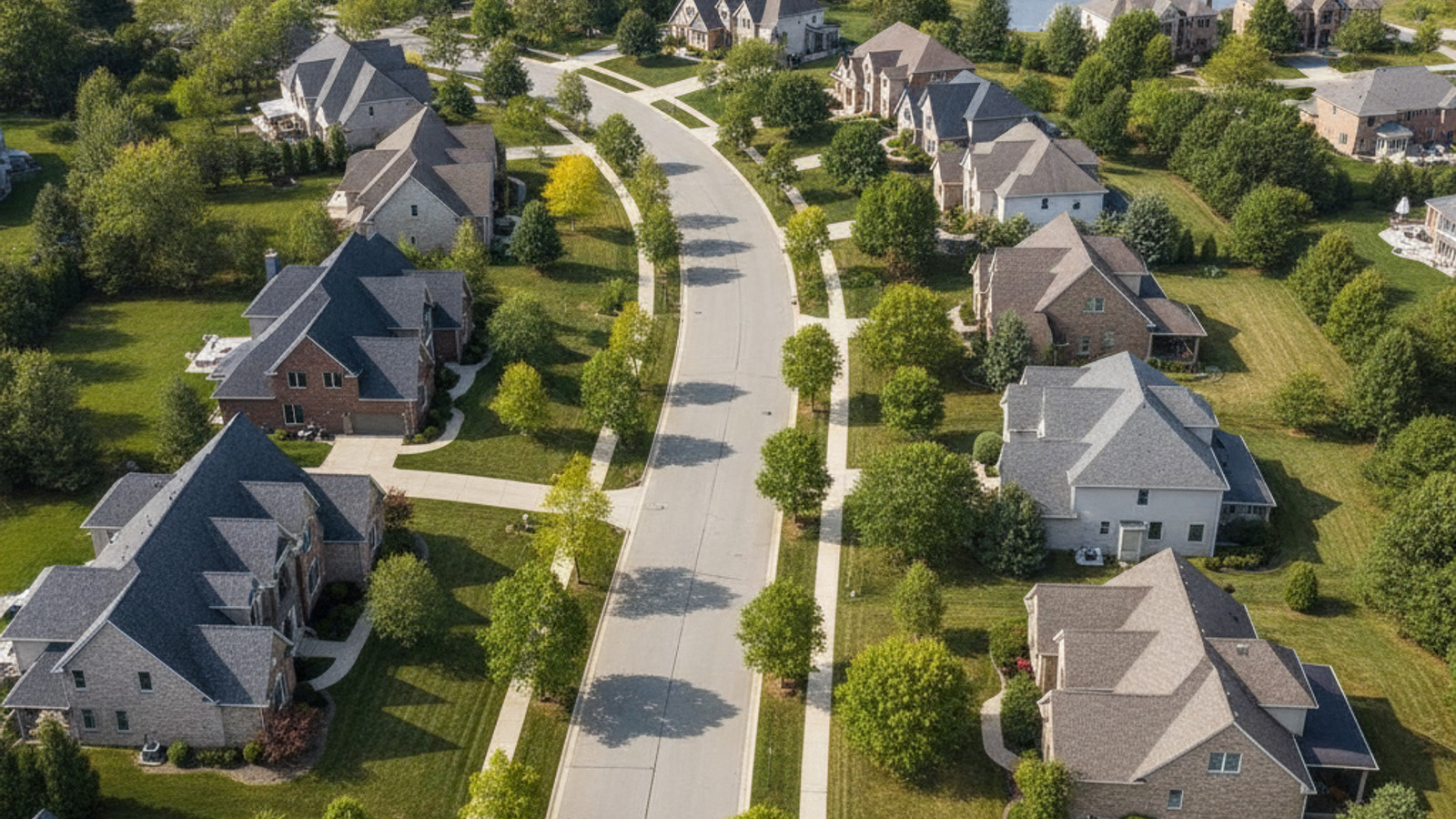
Oakland Township offers a distinct lifestyle choice within the broader Metro Detroit region. Buyers looking at homes for sale in Oakland Township often seek properties with substantial acreage and preserved natural surroundings. The municipality carefully manages its development to maintain a rural estate atmosphere while keeping modern amenities within a short drive.
Understanding the local market is crucial before planning a move to this part of Michigan. The township relies on adjacent cities for commercial centers, which heavily limits commercial traffic in residential zones. Navigating the nuances of well and septic systems, local school boundaries, and commuting routes will help you determine if living in Oakland Township aligns with your goals.
Why Relocate to Oakland Township, Michigan?
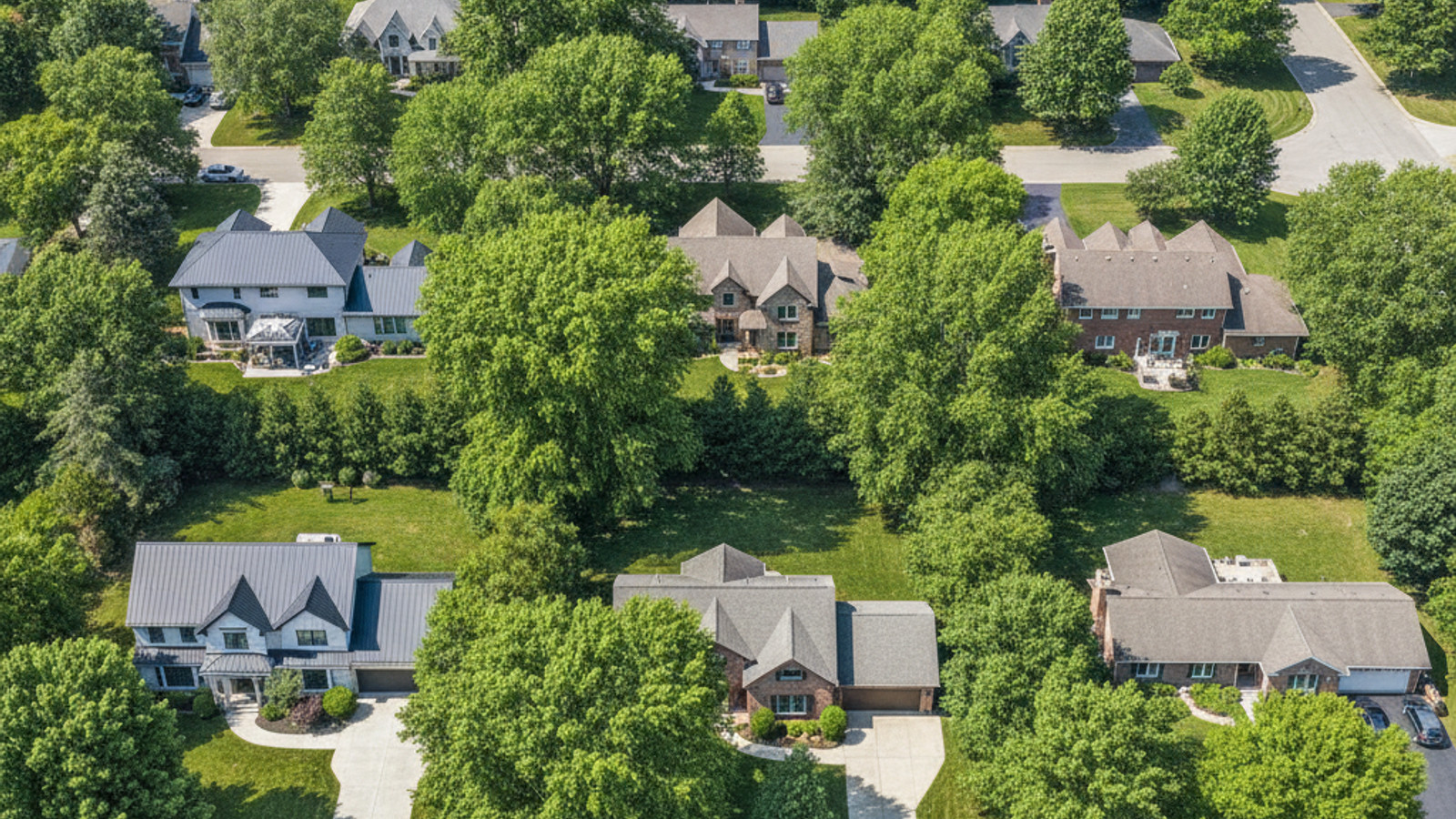
With a population of approximately 20,000 residents, Oakland Township stands out for its commitment to land preservation. Strict zoning laws govern much of the area, frequently requiring lot sizes of one acre or more for new construction. This municipal strategy effectively limits dense commercial development and preserves the rolling topography that defines the region.
The result is a high rate of homeownership and an exclusive, preserve-like environment. Buyers are drawn to the balance of a rural estate lifestyle paired with immediate proximity to Metro Detroit amenities. You can enjoy expansive, private grounds without sacrificing access to premier shopping and dining in neighboring communities.
The clear takeaway for anyone relocating here is that you are buying into a low-density environment by design. If you want a walkable urban core right outside your front door, this township will not be the right fit. However, if you prioritize space, custom architecture, and natural buffers between properties, the area delivers exactly that.
Oakland Township Real Estate & Housing Market Trends
The housing market in Oakland Township is firmly positioned in the luxury tier. Median home prices in 2026 range broadly from $700,000 to well over $1,000,000 for newer luxury estates. This pricing reflects the cost of acquiring large parcels of land and the high concentration of custom-built properties.
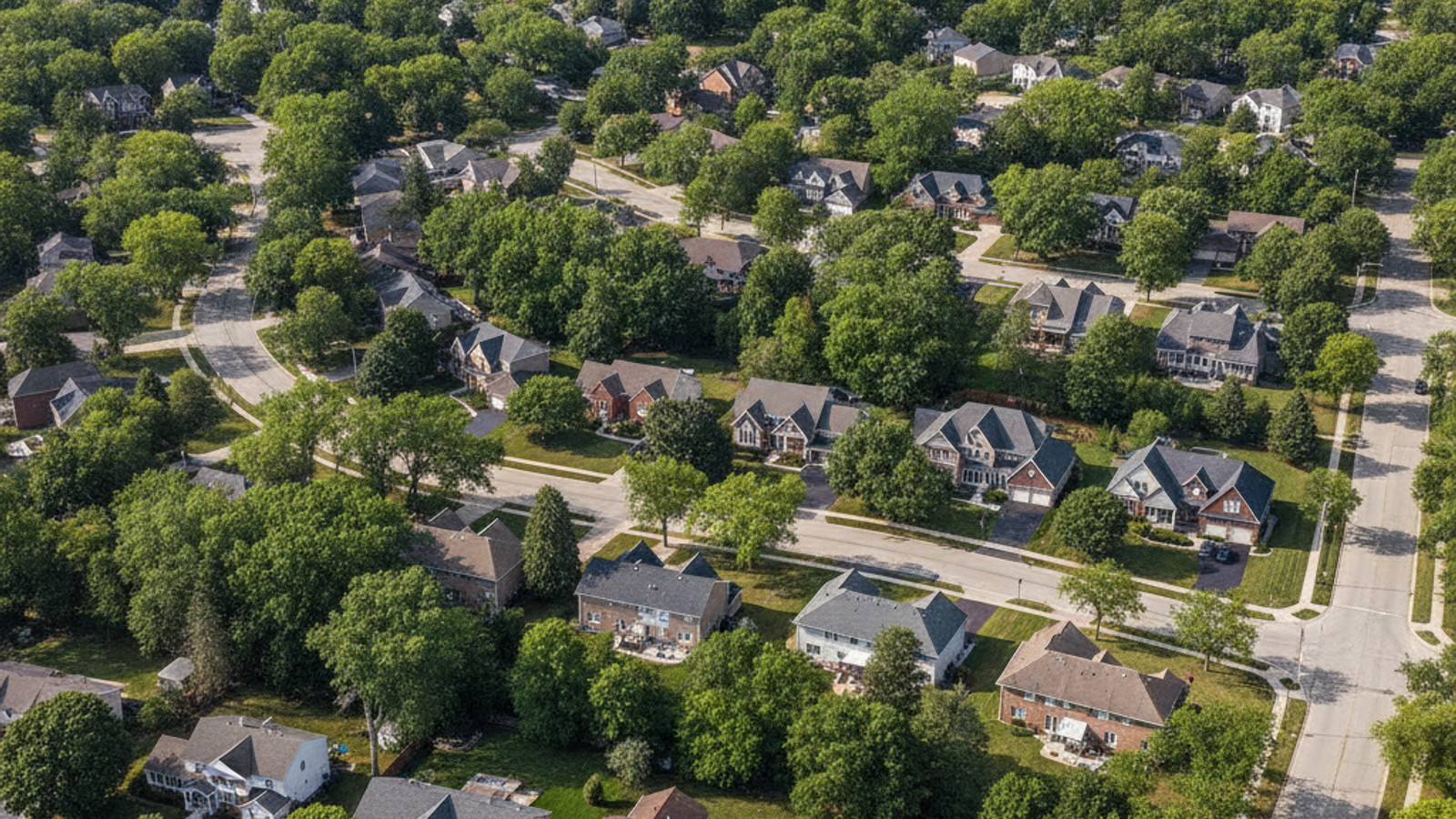
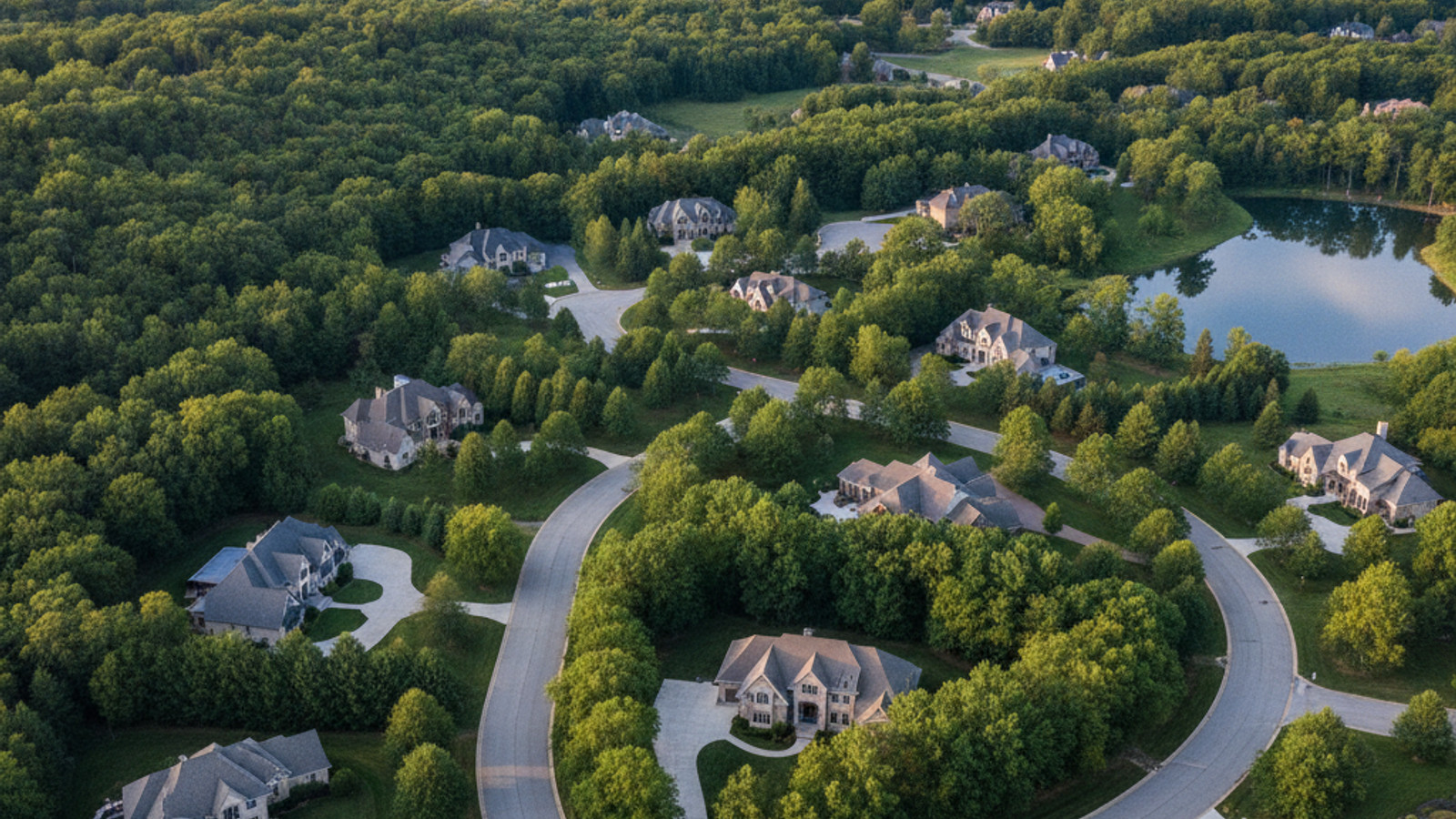
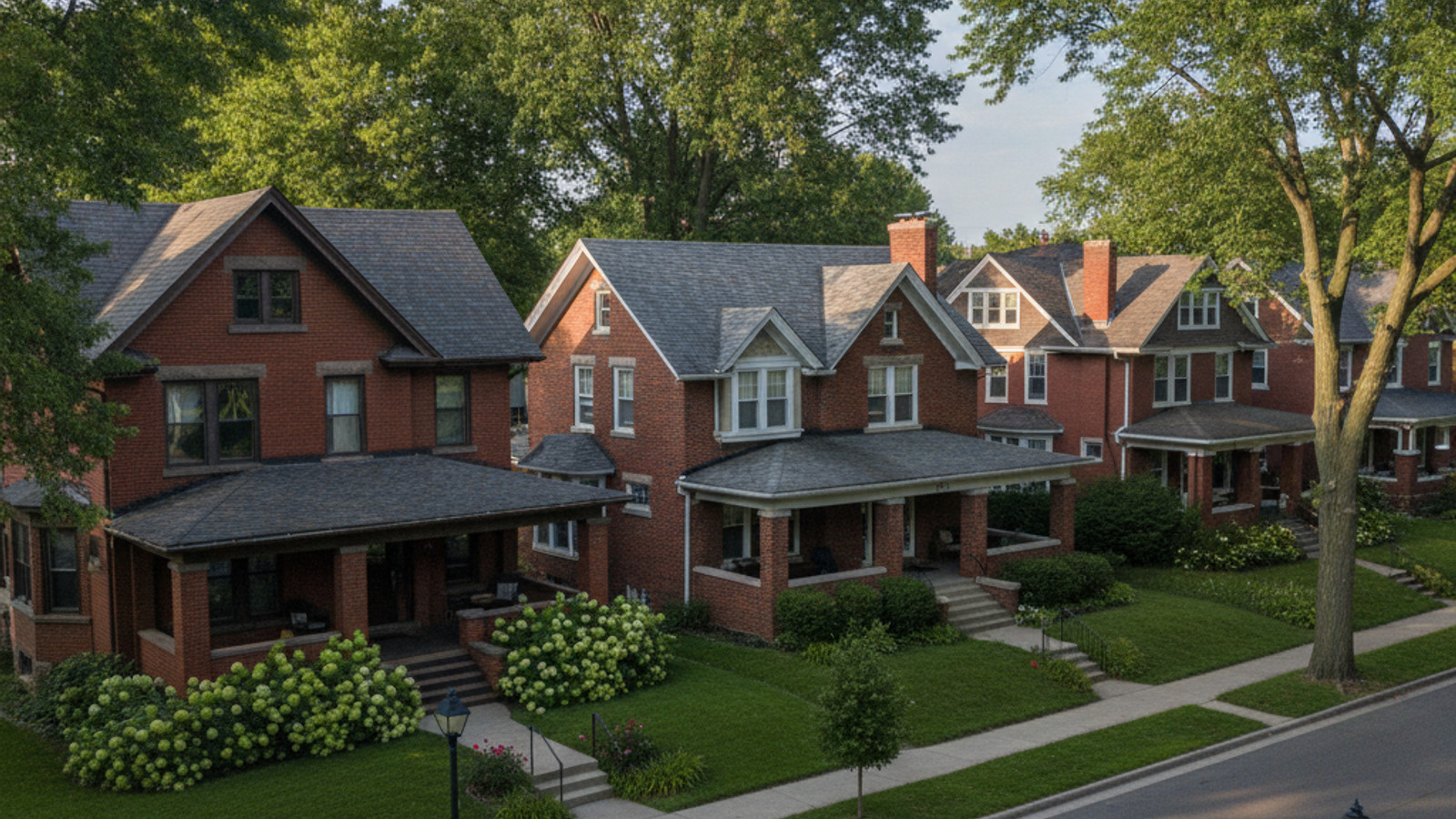
Housing inventory varies significantly depending on which part of the township you explore. The southern sections feature established subdivisions with classic brick colonials and manicured lawns. Moving north, the landscape shifts to sprawling rural estates, equestrian properties, and newly developed luxury gated communities.
Buyers should expect a competitive market for updated homes on premium lots. The lack of dense residential zoning means new inventory enters the market slowly. Securing a property often requires moving decisively when a home that matches your specific acreage and layout requirements becomes available.
Municipal Water vs. Private Well and Septic
Utility infrastructure is a major consideration when purchasing property in this municipality. Homes in the southern subdivisions closer to Rochester typically connect to municipal water and sewer lines. This setup offers a standard suburban utility experience with monthly billing based on usage.
In contrast, homes in the northern half of the township generally rely on private wells and modern septic systems. This is standard for the large-lot estate zoning areas where running municipal lines is geographically impractical. Buyers must factor in periodic septic maintenance costs and well inspections when budgeting for homeownership here.
Top School Districts Serving Oakland Township
Oakland Township does not operate its own independent public school district. Instead, geographical boundaries determine which neighboring district a property falls into. This is a vital detail for buyers, as your specific street address dictates your assigned schools.
Rochester Community Schools serves as the primary district for the southern and central sections of the township. This district is frequently noted for its comprehensive educational programming and modern athletic facilities. Many buyers specifically target neighborhoods within these boundaries when searching for homes.
The northern and eastern edges of the municipality are served by Romeo Community Schools and Lake Orion Community Schools. Both districts provide distinct academic and extracurricular opportunities for local students. Verifying the exact district assignments through county records is a necessary step before finalizing any real estate transaction.
Outdoor Recreation, Parks, and Trails
Access to green space is a defining feature of the local lifestyle. The township maintains over 1,500 acres of parkland, ensuring that outdoor recreation is always close to home. These municipal spaces are heavily integrated into the residential landscape.
The parks system offers diverse environments for hiking, cycling, and nature observation. Residents frequently utilize these spaces for daily exercise and weekend recreation.
- Paint Creek Trail: An 8.9-mile linear rail trail that connects local communities, popular for cycling, running, and walking.
- Bear Creek Nature Park: Features extensive hiking paths, boardwalks, and open green spaces for observing local wildlife.
- Cranberry Lake Park: A historic site offering scenic trails, agricultural history, and heavily wooded natural surroundings.
Beyond the township borders, residents are just minutes from Stony Creek Metropark. This massive regional park provides opportunities for boating, swimming, and golfing.
Cost of Living: Property Taxes and Everyday Expenses
Living in Oakland Township requires a clear understanding of the local cost structure. While the millage rate may be lower than in some adjacent cities, the high property values result in substantial annual property tax bills. The effective property tax rate is approximately 1.04 percent, with millage rates typically falling around 30 to 34 mills.
Daily expenses are heavily influenced by the township’s reliance on neighboring municipalities. Residents travel to Rochester and Rochester Hills for major retail shopping, dining, and healthcare services. This means factoring in driving time and transportation costs for most errands.
Homeowner association fees are another standard expense in this market. HOA fees in planned communities often range from $500 to $1,200 annually. These fees typically cover the maintenance of common areas, private road upkeep, and entrance landscaping.
Commute Times and Major Transportation Routes
Navigating to and from Oakland Township requires using a network of major surface streets before reaching the interstates. Rochester Road, Adams Road, and Silverbell Road act as the primary thoroughfares moving traffic through the municipality. Commuters must plan for slower speeds on these local roads before hitting highway on-ramps.
Drive times to major regional employment centers are generally manageable but require planning. Reaching the automotive and tech hubs in Auburn Hills takes roughly 15 to 20 minutes. Commuting to corporate offices in Troy requires about a 25-minute drive under standard traffic conditions.
For those traveling to downtown Detroit, expect an approximate 45 to 60-minute commute depending on the time of day. Broader regional travel is facilitated by access to M-53, M-59, and I-75. The distance from the highways is a deliberate tradeoff residents make to secure a lower-density living environment.
Frequently Asked Questions
Is Oakland Township different from Oakland County?
Yes, Oakland Township is a specific local municipality located within the much larger Oakland County. The county encompasses dozens of cities and townships across Metro Detroit. The township has its own local government, zoning laws, and municipal services separate from the county level.
Does Oakland Township have a downtown area?
The township does not have a traditional commercial downtown, relying instead on adjacent downtown Rochester for shopping and dining. It does maintain the historic Goodison area, which features local landmarks like the Paint Creek Cider Mill. This intentional lack of commercial zoning preserves the rural character of the community.
Why are some roads in Oakland Township unpaved?
Gravel roads are intentionally maintained in the northern sections to preserve the rural estate character of the area. These unpaved routes also serve a practical purpose by naturally managing traffic speeds near large residential properties. Buyers looking at northern estates should expect to drive on dirt roads daily.