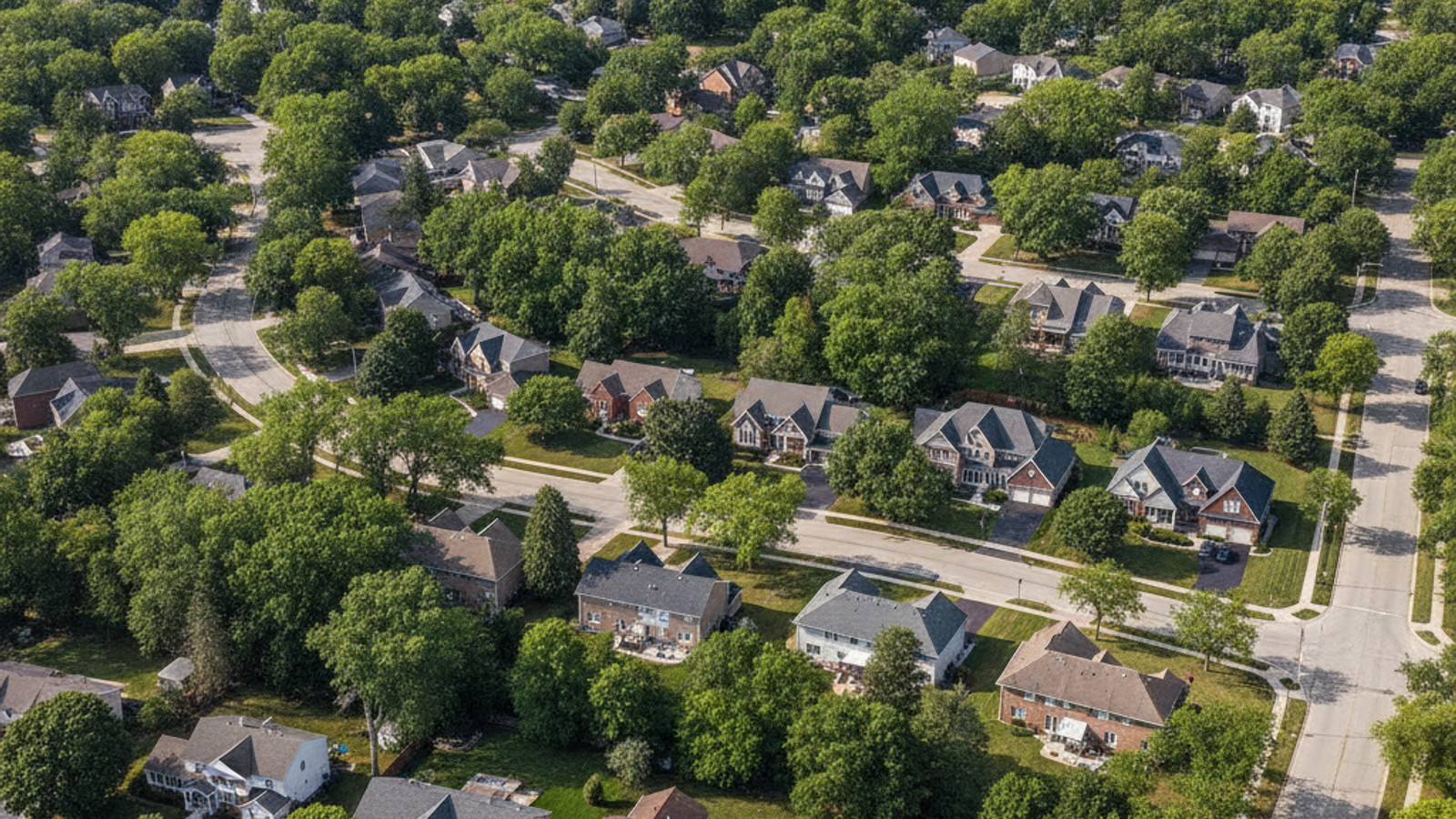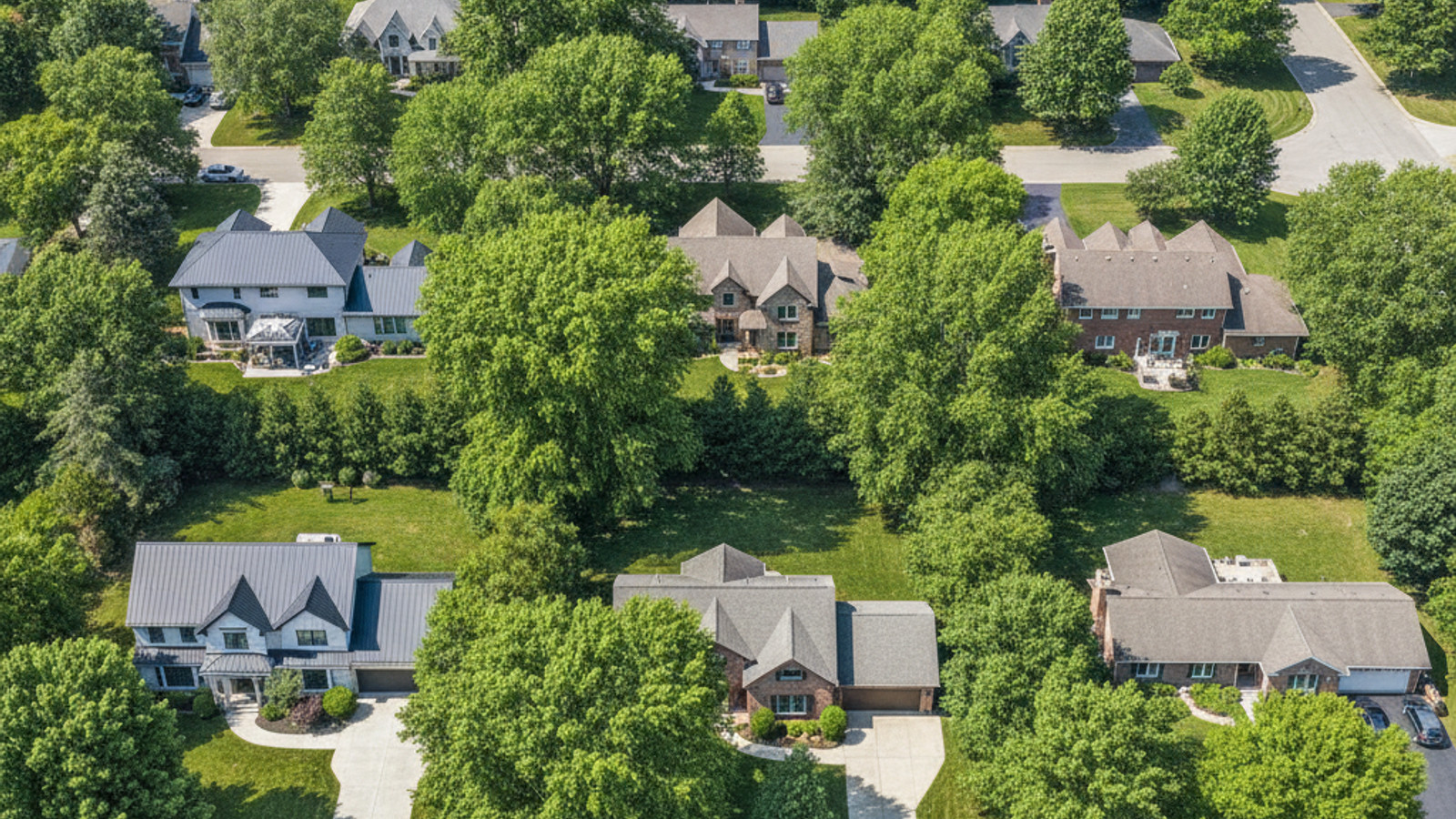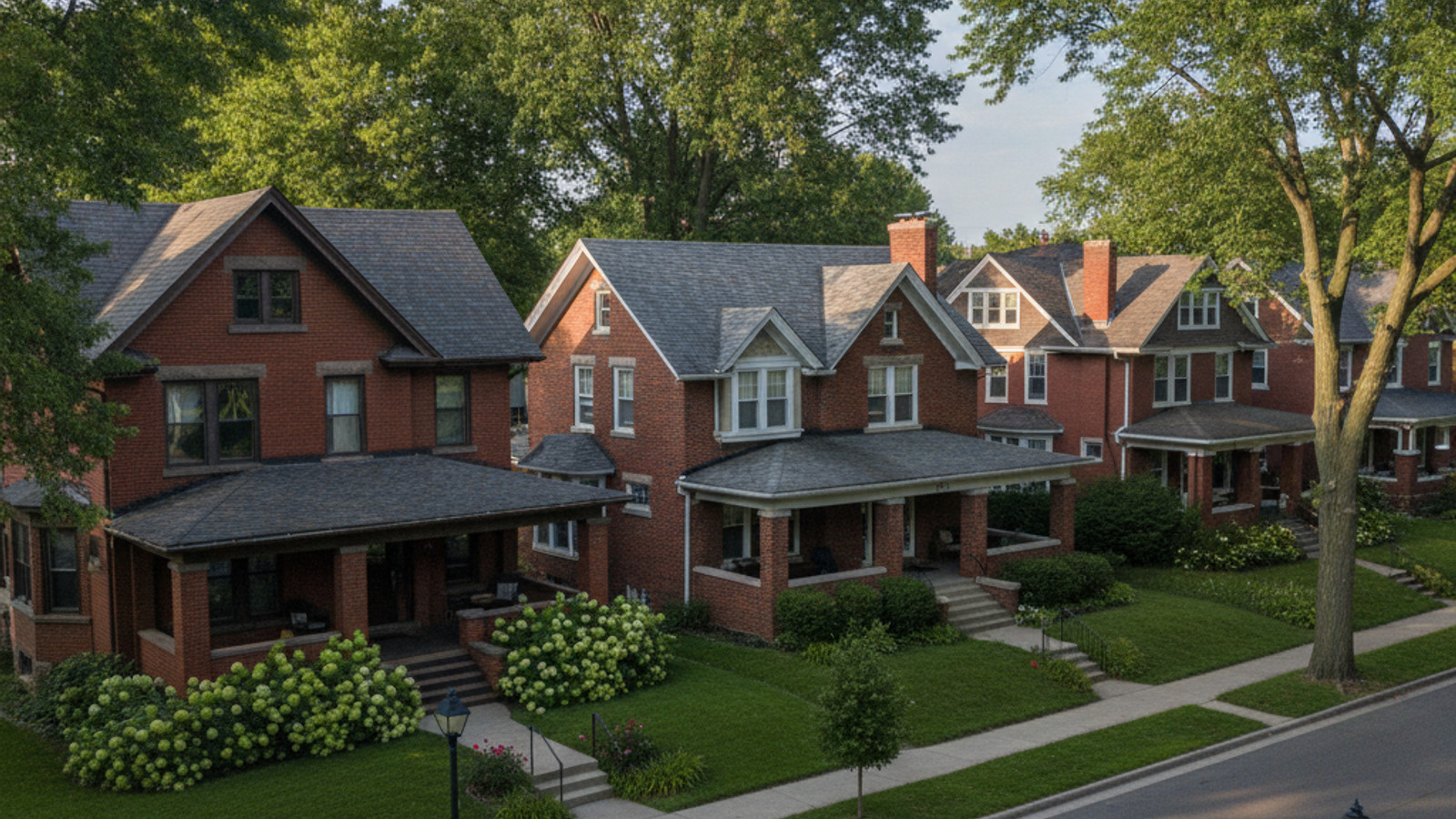
Buyers moving to northern Oakland County often ask about the logistics of daily travel. Oakland Township offers a spacious, rural-leaning environment, which means understanding the local road network is crucial before you look at homes for sale in Oakland Township.
Unlike the tightly gridded streets of closer-in suburbs, this area relies on a few key corridors to move residents efficiently. We will look at typical drive times, the expanding public transit services, and the local trail systems that shape daily commutes.
Major Highways and Daily Commuting Routes
The road network here is designed to preserve the area’s natural landscape while still connecting residents to major economic hubs. Daily travel leans heavily on a few primary north-south arteries rather than a dense grid of surface streets.
Rochester Road and Adams Road serve as the main thoroughfares for heading south toward neighboring cities. These roads provide a straight shot into downtown Rochester and offer natural access points to the broader interstate system. For regional travel, residents typically drive about 10 to 15 minutes from the center of the township to reach the I-75 ramps.
This interstate access is vital for efficient northbound trips toward Flint or southbound journeys into the heart of Metro Detroit. Alternatively, M-53 sits roughly 15 minutes to the east. This straightforward highway is highly useful for reaching the eastern suburbs without dealing with cross-county surface traffic.
The township’s strategic road layout intentionally minimizes local congestion compared to denser adjacent suburbs. You trade a grid of stoplights for sweeping, uninterrupted roads, making the daily drive feel much less chaotic.
Average Commute Times to Regional Employment Centers
Understanding exactly how long it takes to reach major corporate hubs is a major factor when evaluating a relocation. Drive times vary predictably based on morning rush hour patterns along the I-75 corridor.
The commute to major automotive and tech employers in Auburn Hills is highly efficient. Residents can expect a drive of roughly 15 to 25 minutes depending on traffic and exact starting location. Reaching the commercial center of Troy via I-75 takes slightly longer, generally averaging 20 to 30 minutes during peak morning hours.
Commuting to Downtown Detroit requires a bit more planning. The drive typically takes between 45 to 60 minutes when factoring in typical morning rush hour congestion.
Taking on a slightly longer commute to Detroit is a worthwhile tradeoff for buyers prioritizing expansive acreage and privacy. The extra 15 minutes on the highway buys a level of space and natural surroundings that simply cannot be found closer to the city center.
Public and Community Transportation Options
Recent county-wide funding changes have significantly expanded the availability of affordable public transportation. While you still need a personal vehicle for most daily tasks, local transit providers are more robust than in past decades.
The recent Oakland County transit millage played a massive role in expanding public transit services across the region. This funding brought enhanced Suburban Mobility Authority for Regional Transportation – or SMART – bus accessibility to the broader area. The system now includes improved flex options and expanded ADA paratransit for residents who need specialized travel accommodations.
Within its specific service area, the North Oakland Transportation Authority (NOTA) directly serves Oakland Township residents. NOTA provides demand response rides, ensuring locals can easily reach medical appointments and grocery stores. Meanwhile, the Western Oakland Transportation Authority (WOTA) covers the western portion of the county but operates as part of the newly integrated county-wide transit network.
Older residents and adults with disabilities also benefit heavily from the Older Persons’ Commission (OPC) transportation services. The OPC focuses heavily on community transit, offering scheduled minibus rides directly from local neighborhoods to essential services.
Biking, Walking, and Non-Motorized Transit
Beyond motorized vehicles, the area features excellent infrastructure for cyclists and pedestrians. Non-motorized travel here is heavily tied to the region’s expansive trail networks rather than traditional urban sidewalks.
The crown jewel of local recreation and commuting is the Paint Creek Trail. This premier non-motorized route spans 8.9 miles and directly connects the City of Rochester to the Village of Lake Orion. The crushed limestone path provides a scenic, traffic-free corridor for both casual walkers and dedicated bicycle commuters.
On the main roads, cyclists rely on paved shoulders and a growing network of local pathways. While not every subdivision has extensive sidewalks, the primary connecting roads are continually being updated to improve travel conditions for cyclists traversing the township.
The recreational and commuting benefits of the trail network are unmatched for those traveling between Rochester and Lake Orion without a car. It transforms a standard bike ride into a highly efficient, nature-immersed transit route that bypasses road traffic entirely.
Frequently Asked Questions
Does Oakland Township have public transportation?
Yes, the township is served by several transit authorities following the recent county transit millage. Residents can utilize NOTA for demand response rides and connect to the broader SMART network for regional travel. These options provide a reliable alternative to driving for essential trips.
What senior transportation services are available in Oakland County, Michigan?
The Older Persons’ Commission (OPC) provides dedicated minibus and paratransit services directly to residents of the township. Additionally, NOTA offers specialized transportation services for seniors and individuals with disabilities. These local transit providers ensure older adults can easily reach medical facilities and community centers.
How far is Oakland Township from the Detroit Metropolitan Airport (DTW)?
The drive to Detroit Metropolitan Airport typically takes about 55 to 70 minutes depending on I-75 traffic. The route covers approximately 45 miles from the center of the township. Buyers relocating to the area should plan for an hour-long trip when scheduling flights.