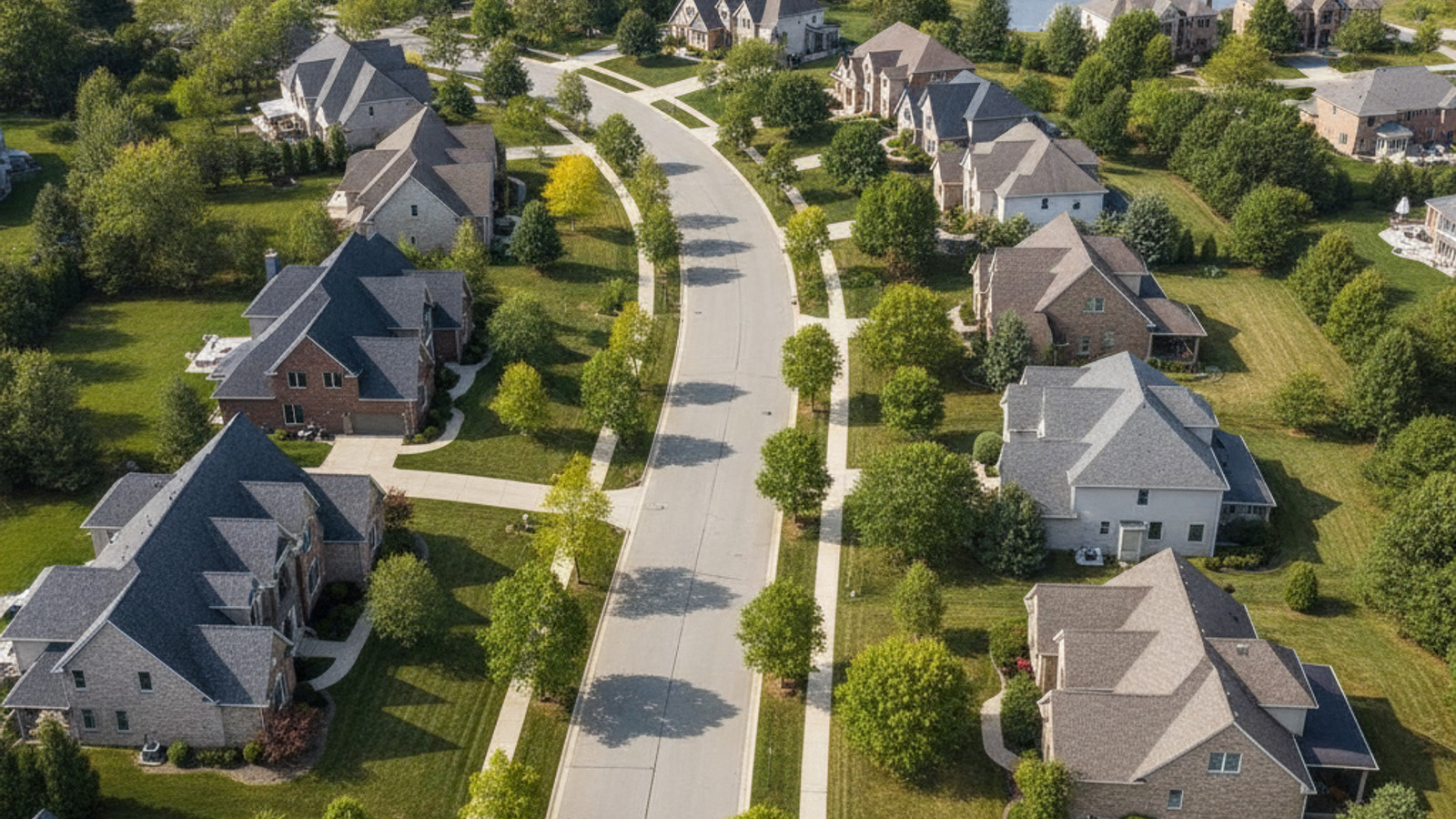
Buying a home in Oakland Township often means joining a community association, which brings specific financial expectations. Buyers navigating the local market in 2026 need a clear understanding of how these dues impact their total monthly carrying costs.
Whether you are looking at a detached home in a sprawling subdivision or a low-maintenance condominium, association dues are a standard part of the transaction. Knowing the typical HOA fees Oakland Township MI residents pay helps you budget accurately and avoid surprises at the closing table.
Average HOA Fees Across Oakland Township Subdivisions
The cost of living in a managed community varies significantly based on the type of neighborhood you choose. Typical annual HOA fees range from $500 to $1,200 for detached single-family homes in standard subdivisions. This relatively low annual cost generally covers basic neighborhood upkeep rather than extensive private maintenance.
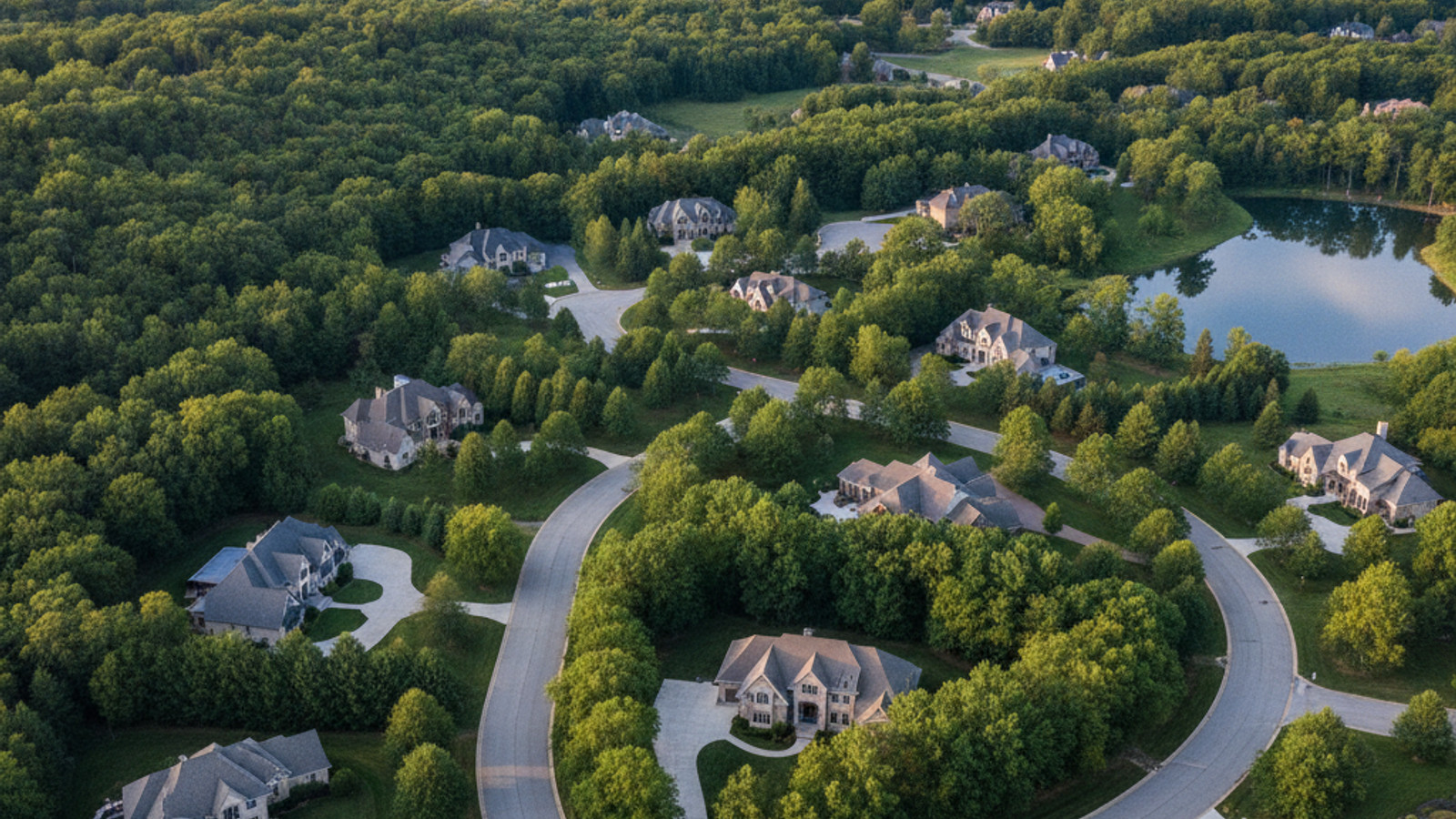
Condominium communities operate on a different financial model, charging monthly fees that typically range from $150 to $350. Luxury estate communities on larger acreage often see annual dues exceeding $1,500 to maintain high-end infrastructure and extensive private grounds.
My straightforward takeaway for buyers is that single-family association dues here are highly manageable compared to the steep monthly condo fees found in neighboring urban centers. Paying a few hundred dollars a year is a small price for maintaining the aesthetic standards of a premium neighborhood.
What Do Typical HOA Fees Cover in Oakland Township?
Buyers often wonder where their association money actually goes each year. In most single-family subdivisions throughout Oakland Township, dues are strictly allocated toward maintaining shared community spaces. This collective pooling of resources keeps the neighborhood looking pristine without placing the financial burden on a single property owner.
Condominium associations take on a much heavier maintenance load, which justifies their higher collection rates. The specific services provided will dictate the final cost of your community association dues. Here is a breakdown of what standard HOA fees typically cover in this part of MI:
- Routine landscaping, lawn care, and pond maintenance for common areas.
- Snow removal for community roads and shared sidewalks.
- Trash collection and recycling services negotiated at the subdivision level.
- Upkeep of community amenities like clubhouses, swimming pools, and tennis courts.
The real value of these fees lies in the bulk negotiation power of the association. Paying $800 annually for an HOA that handles neighborhood snow removal and trash collection is often cheaper than securing those individual private contracts yourself.
Correlating Property Types with HOA Fee Ranges
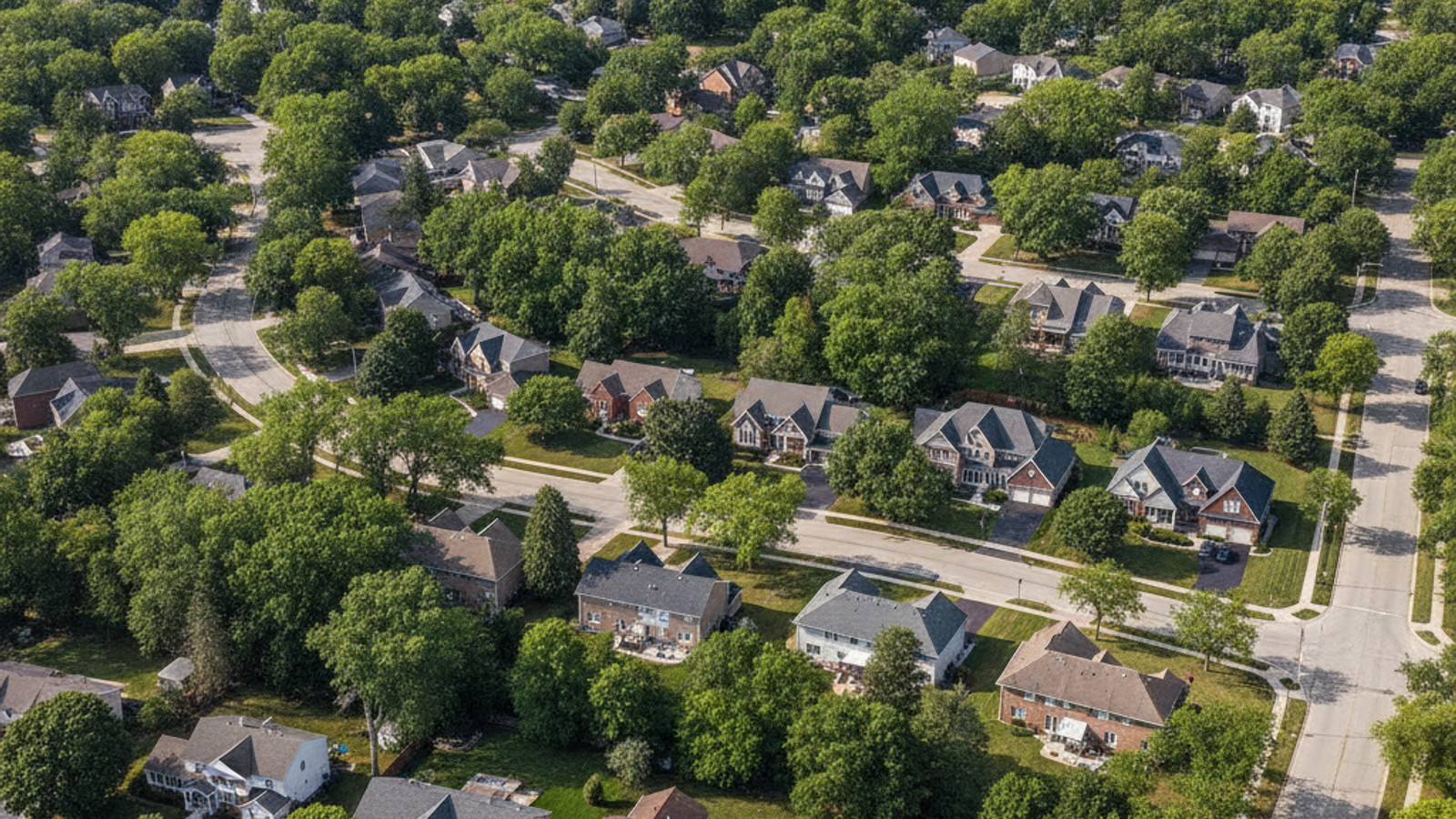
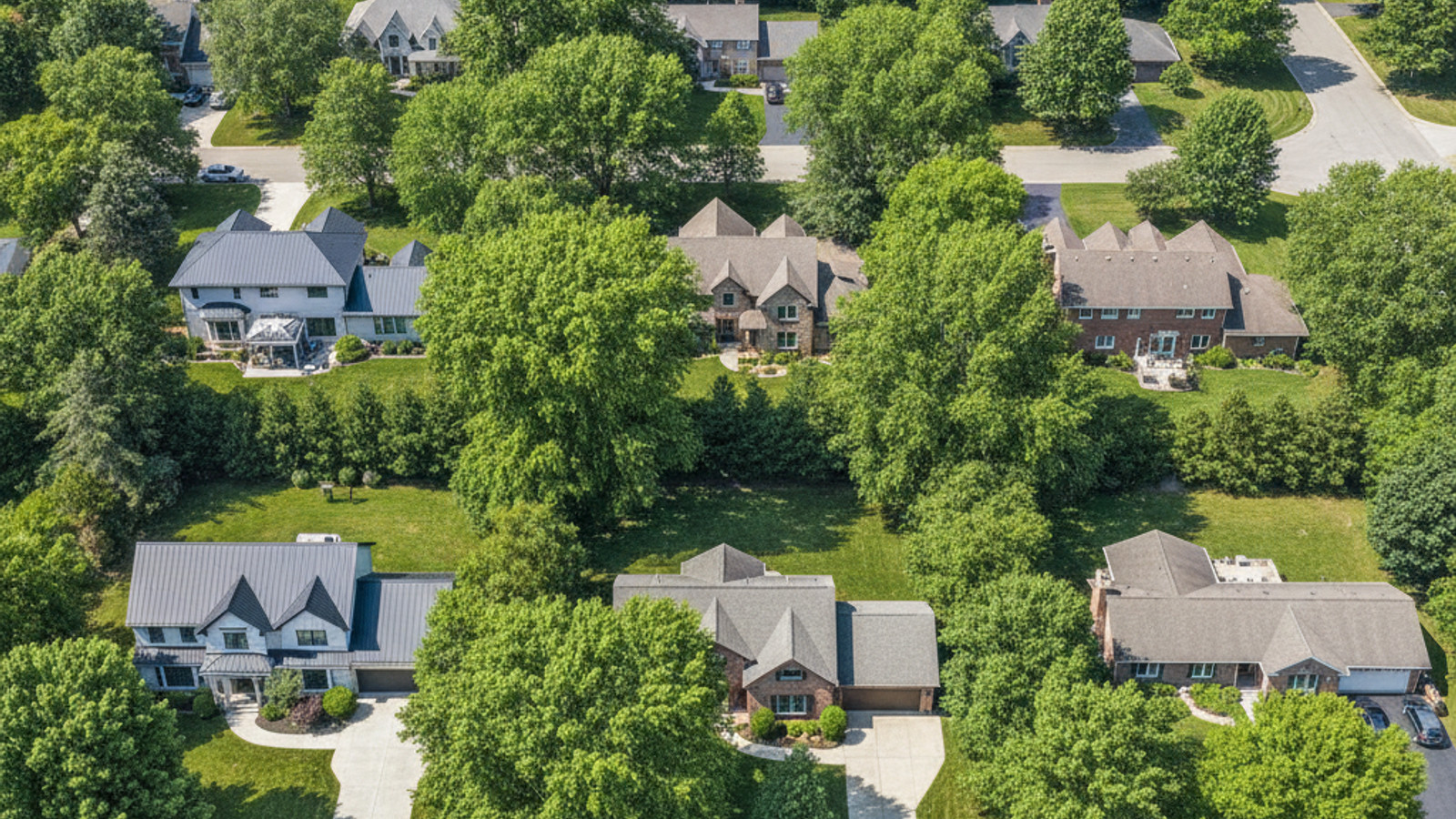
The architectural style and density of a neighborhood directly dictate the financial obligations of its residents. Detached single-family homes generally feature lower annual fees because owners are responsible for their own roofs, exterior paint, and private lawns. The association simply steps in to manage the entrance signs, common green spaces, and shared retention ponds.
Condominiums and townhomes have higher monthly fees that cover exterior building maintenance, roof replacement, and master insurance policies. Luxury estates often mandate higher annual dues to cover private road upkeep, gated entrances, and expansive landscape requirements. Buyers should never let condo fees immediately deter them, as these predictable dues directly offset massive future capital expenditures like a $15,000 roof replacement.
Local Amenities, Schools, and Commute Times
Beyond the direct services provided by the association, the location of these subdivisions offers significant objective value. Many neighborhoods provide close proximity to the Paint Creek Trail and Bear Creek Nature Park, giving residents immediate access to miles of paved and unpaved recreation paths. Furthermore, a large portion of these subdivisions falls within the highly rated Rochester Community Schools district.
Commuting from Oakland Township is relatively streamlined despite its secluded, wooded feel. Commute times average 15 to 25 minutes to major employment hubs in Auburn Hills and Troy. This balance of natural amenities and reasonable drive times justifies the property values and associated community fees found throughout the township.
Cost of Living and Property Taxes in Oakland County
Evaluating association dues is just one piece of the broader financial puzzle when purchasing real estate in Oakland Township. Home prices generally range from the mid-$400,000s for older properties to over $1,500,000 for new construction or custom estates. As of 2026, the median home price hovers roughly between $630,000 and $650,000, reflecting a steady baseline for the area.
Property taxes represent a significant portion of the annual carrying cost, adding to the overall neighborhood affordability calculations. Michigan caps the annual increase on a property’s taxable value, but a transfer of ownership resets this value to the current state equalized value. Buyers must factor this tax reset into their monthly payment estimates before writing an offer.
Smart buyers weigh the value of HOA amenities against local tax rates and potential special assessments. A neighborhood with a $1,000 annual fee and a community pool might offer better long-term value than a non-HOA property that requires a private pool installation and higher individual maintenance costs.
Frequently Asked Questions
Are HOA fees mandatory in Oakland Township?
Yes, if you purchase a home within a deed-restricted community, the association fees are legally mandatory. Voluntary associations are incredibly rare in modern Oakland Township subdivisions. Failing to pay these required dues can result in the association placing a legal lien on your property.
Can HOA fees increase over time in Michigan?
Association boards can and regularly do increase dues to keep up with inflation and rising vendor costs. Michigan community association law allows boards to raise fees or levy special assessments to cover unexpected expenses like a $50,000 private road repair. Reviewing the association’s reserve fund balance before buying helps predict the likelihood of sudden fee hikes.
How do I find the exact HOA fees for a property?
The most accurate way to find current fees is to have your real estate agent pull the data directly from the local MLS. Sellers are also required to provide the condominium or HOA documents during the transaction process. You can expect to see exact figures, such as a $250 monthly condo fee, clearly outlined in these mandatory disclosures.