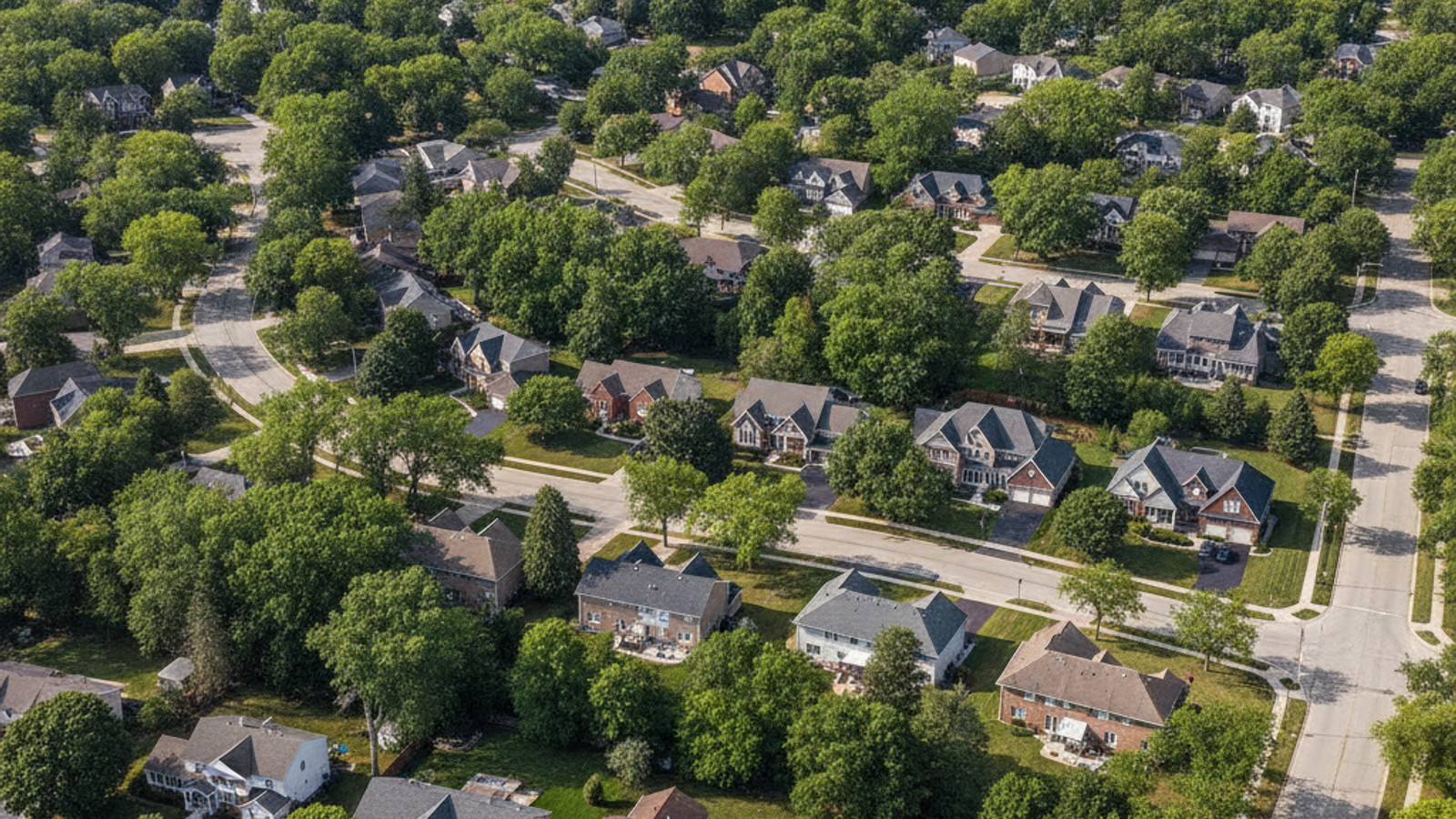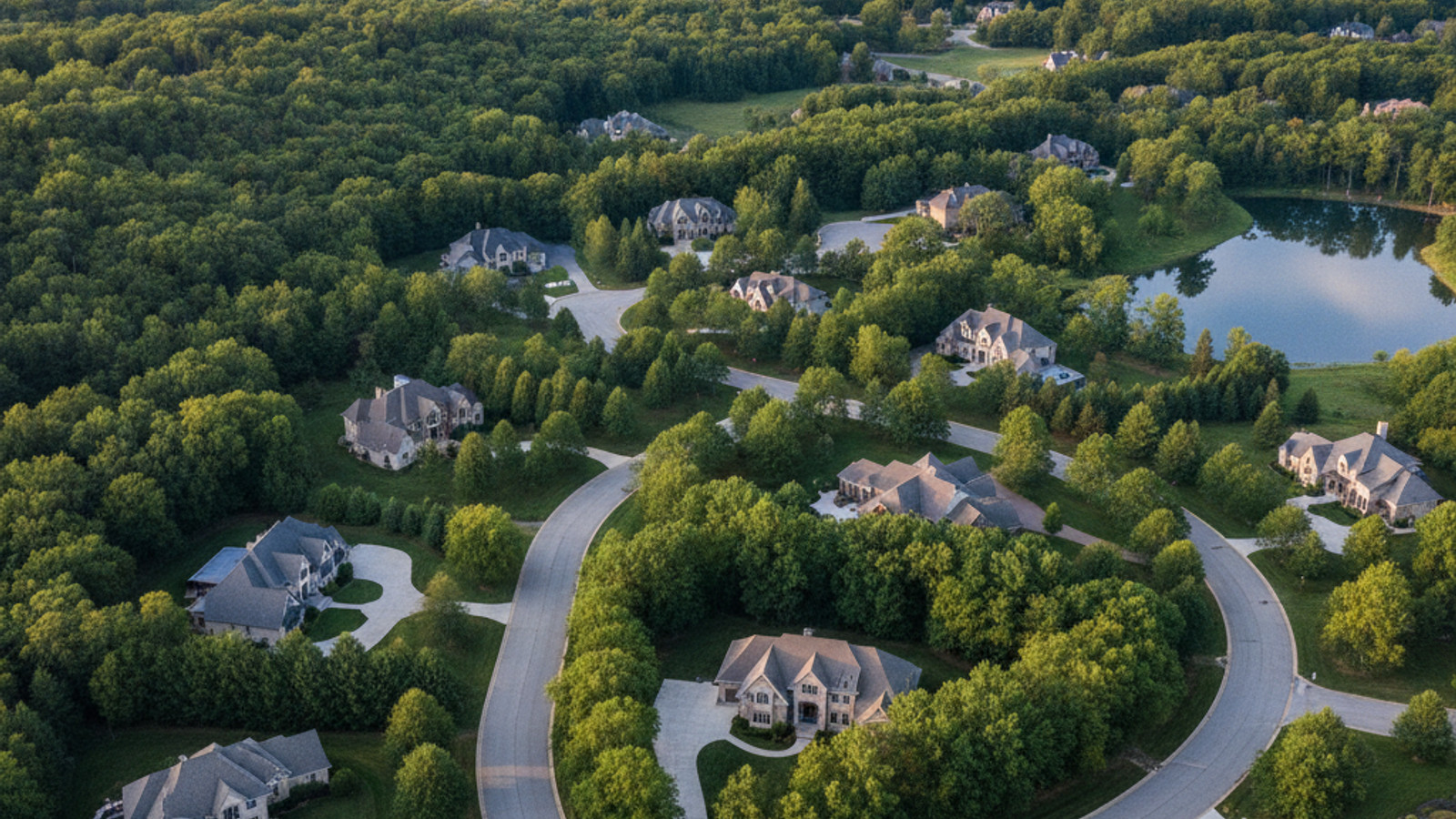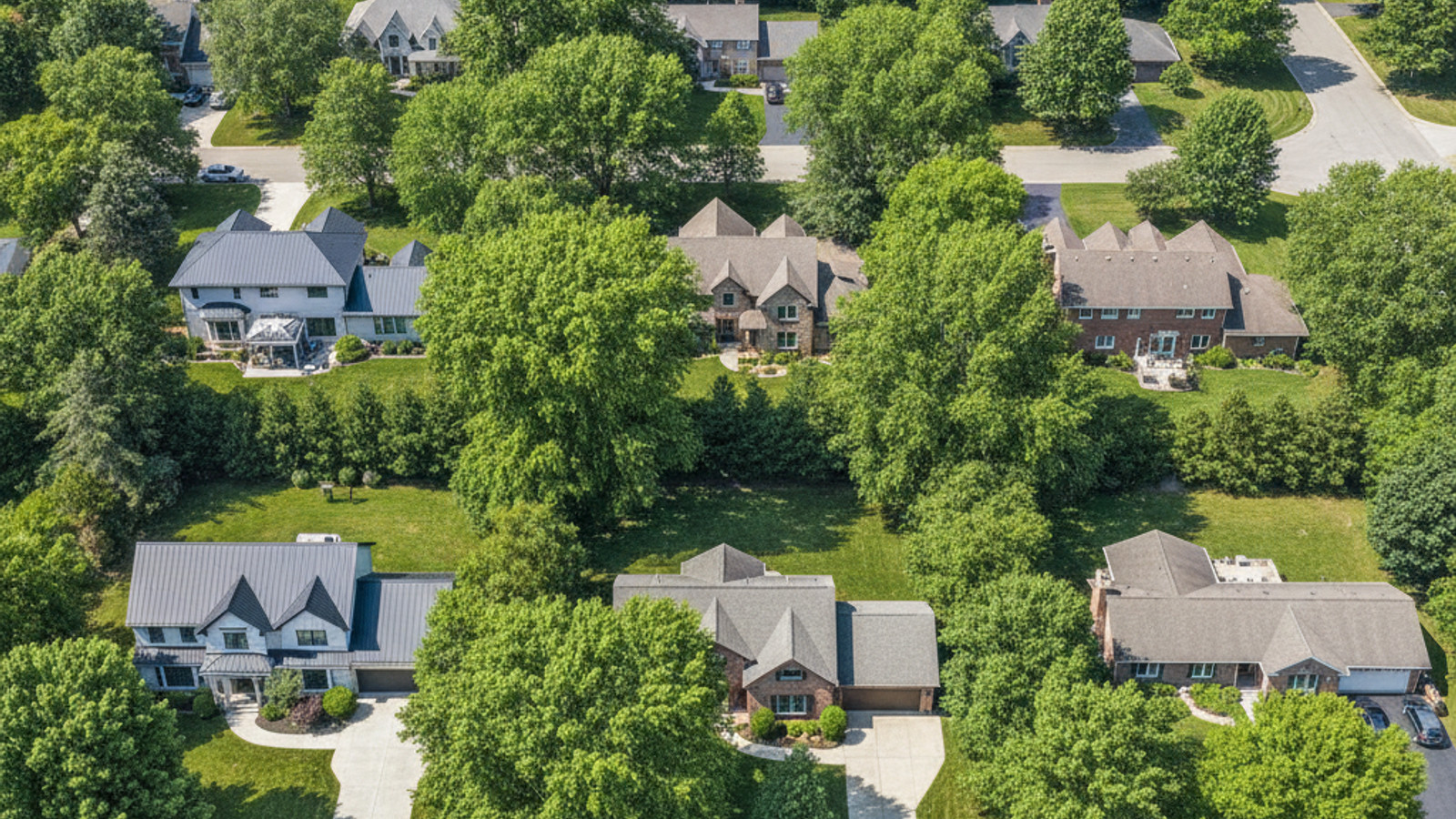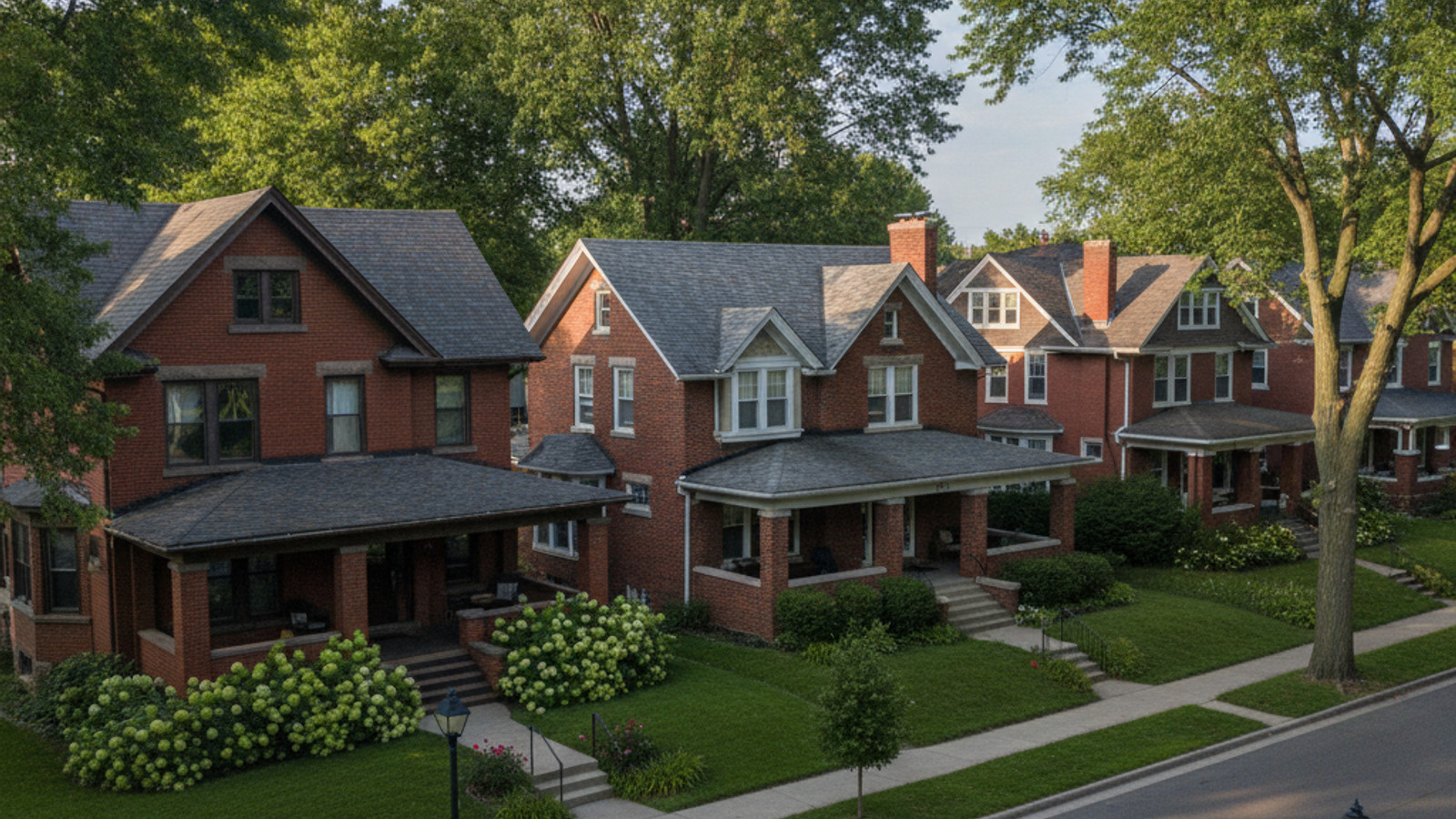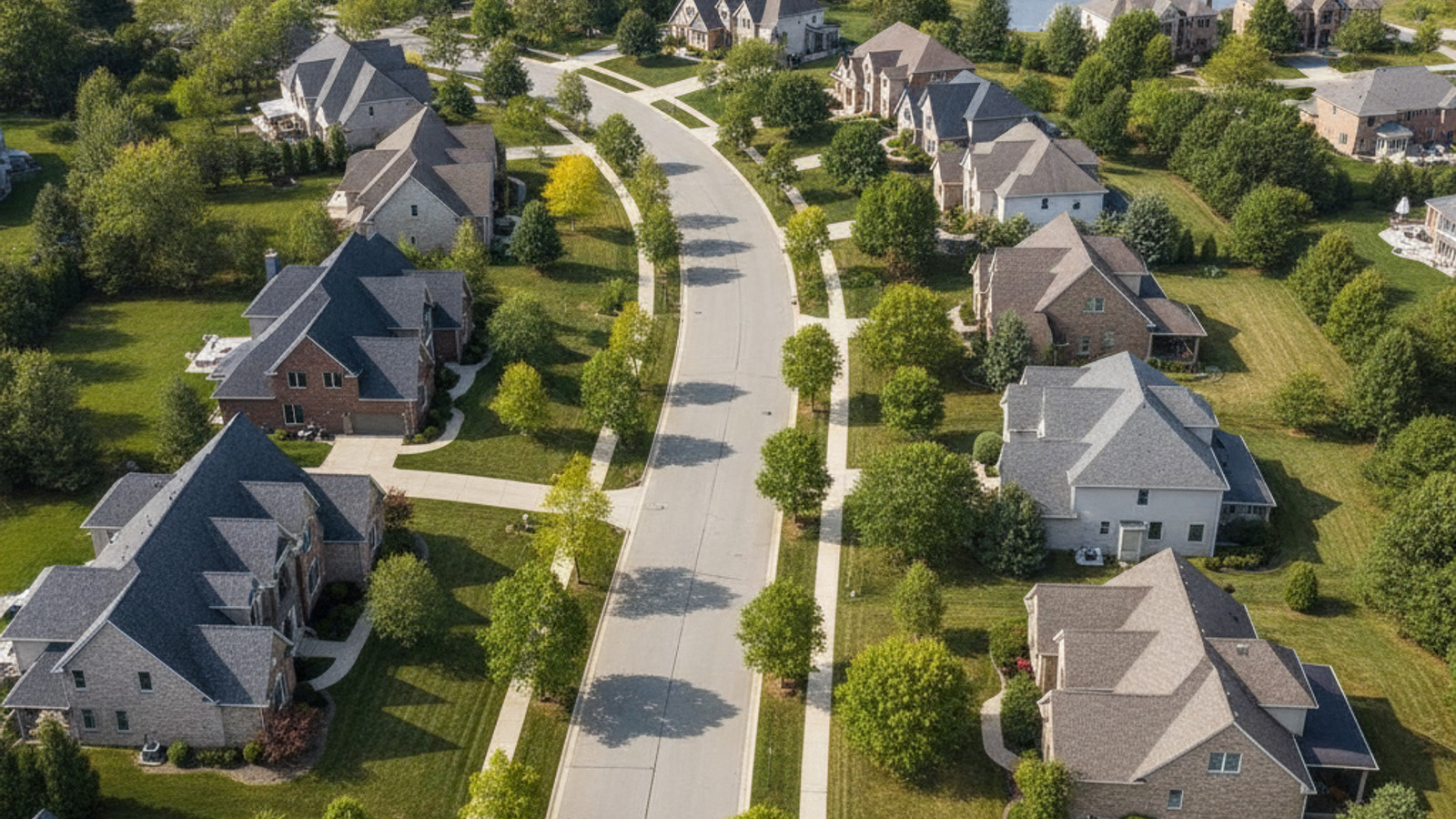
Buyers looking at the northern Detroit suburbs quickly discover that Oakland Township offers a distinct rural character compared to its neighbors. The local real estate landscape is defined by sprawling acreage, preserved green spaces, and a lack of dense commercial development. This commitment to open land directly influences property values and inventory availability.
Navigating the average cost of a home in Oakland Township MI requires understanding how lot size and community amenities drive market premiums. In 2026, the township remains a high-demand destination for buyers prioritizing square footage and privacy over walkability. Knowing the current pricing tiers helps set realistic expectations for your property search.
Understanding the Average Cost of a Home in Oakland Township, MI
The baseline pricing in this market reflects the area’s strict zoning laws and emphasis on larger parcels. In 2026, the median home price typically ranges between $700,000 and $1,042,500, depending heavily on the specific subdivision and zip code. Homes in the 48306 and 48363 zip codes consistently command premium prices due to strong buyer demand.
Finding entry-level options requires patience, as smaller footprints are rare. Buyers can occasionally find older, modest homes starting in the mid-$400,000s, but these listings move quickly. The overarching takeaway is that you are paying a premium for land and space, setting a high floor for the local market.
Single-Family Homes and Acreage Properties
Established single-family residences on half-acre to full-acre parcels form the backbone of the local housing supply. These properties generally hit the market between $600,000 and $1,500,000, depending on age and recent updates. The northern and eastern sections of the township offer more semi-rural acreage properties with mature trees and unpaved roads.
The larger land footprint directly influences both the final listing price and subsequent property taxes. Buyers targeting these acreage properties should expect higher maintenance costs associated with well and septic systems.
New Construction and Luxury Subdivisions
Master-planned gated communities and newly built custom homes represent the highest tier of local real estate. New construction prices routinely exceed $1,000,000, with luxury properties regularly pricing above $250 per square foot. These neighborhoods often feature strict architectural guidelines to maintain uniform property values.
Common features driving these premium costs include three-car garages, extensive brick or stone exteriors, and specialized landscaping. Buyers entering this segment are paying for modern floor plans and the exclusivity of a managed community.
Additional Homeownership Costs: Taxes and HOA Fees
Beyond the principal mortgage, buyers must budget for ongoing municipal and community expenses. Property taxes in MI are calculated based on the taxable assessed value, which is generally lower than the open market value. The median effective property tax rate in Oakland Township sits at approximately 0.71%.
This relatively moderate rate helps offset the higher purchase prices, but the large assessed values mean the actual tax bills are still substantial. Buyers should always review the current tax assessment rather than relying on what the previous owner paid.
Homeowners Association fees add another layer to the monthly budget for residents in managed subdivisions. Annual HOA fees in typical planned communities range from $500 to $1,200, covering common area maintenance and snow removal. In new luxury developments, these fees can reach approximately $2,000 annually, or roughly $167 per month.
Proximity to Employment Hubs and Commute Times
Geographic location plays a massive role in supporting local real estate values. The township serves as a low-density retreat while maintaining convenient access to major economic centers. Buyers are willing to pay higher prices for the ability to live in a wooded setting without sacrificing career mobility.
Connectivity via M-53 and I-75 makes regional travel straightforward, though residents do rely heavily on personal vehicles. The daily commute is a primary consideration for anyone moving to the area. Typical drive times to major employment centers include:
- Auburn Hills: 20 to 25 minutes to reach the automotive and technology sectors.
- Troy: 25 to 30 minutes to access corporate headquarters and financial institutions.
- Detroit: 30 to 35 miles south, requiring a 45-minute drive depending on traffic patterns.
Local Amenities Impacting Real Estate Values
Infrastructure and recreational features heavily justify the higher cost of housing in this municipality. A major factor for property values is the public school assignment, as district boundaries divide the township. Properties are zoned for either Rochester Community Schools or Lake Orion Community Schools, both of which strongly influence buyer demand.
The local park system is another significant draw, prioritizing environmental preservation over commercial development. The Paint Creek Trail and Bear Creek Nature Park offer extensive hiking and outdoor recreation right in the neighborhood. These green spaces ensure the area retains its rural charm and prevents overdevelopment.
Because the township lacks a dedicated commercial center, residents rely on neighboring municipalities for retail. Locals typically drive into the City of Rochester for downtown dining, shopping, and entertainment. This intentional lack of commercial zoning keeps traffic low but requires a short drive for daily errands.
Comparing Oakland Township to Neighboring Municipalities
Contrasting housing costs with surrounding towns gives buyers a clearer picture of regional values. Rochester Hills offers a higher density environment with median home prices ranging between $465,000 and $700,000. Buyers choosing Rochester Hills often trade acreage for closer proximity to shopping centers and shorter commutes.
To the north, Addison Township provides a more rural alternative with median homes offering entry points between $600,000 and $700,000. This area attracts buyers who want maximum land value but are willing to accept a longer drive to major highways.
Washington Township presents similar luxury new construction options, often competing directly for the same buyer pool. The ultimate choice usually comes down to a tradeoff between property size, commute times, and the final purchase price. Oakland Township remains the premium choice for those wanting large estates closest to the Troy and Auburn Hills business corridors.
Frequently Asked Questions
What is the average price of a house in Oakland County, Michigan?
The broader county features a highly diverse real estate market with prices varying wildly by city. In 2026, the overall median home price in the county sits closer to $350,000 to $400,000. This starkly contrasts with Oakland Township, where median prices routinely exceed $700,000 due to larger lot sizes and luxury builds.
Are property taxes high in Oakland Township?
The median effective property tax rate is approximately 0.71%, which is relatively moderate for the state of MI. However, because home values frequently surpass $700,000, the actual annual tax bill is substantial. Buyers must calculate their specific tax burden based on the township’s assessed taxable value.
Is Oakland Township part of Rochester?
No, they are separate municipalities with distinct local governments and zoning laws. However, they share a border, and many township residents use a Rochester mailing address. The township relies heavily on the City of Rochester for commercial amenities and downtown dining.
What salary is needed to live comfortably in Oakland County, MI?
Income requirements depend heavily on the specific city you choose within the county. To comfortably afford a median-priced $700,000 home in the township, a household income exceeding $180,000 is typically necessary. This assumes a standard 20 percent down payment and accounts for current 2026 property taxes and insurance rates.