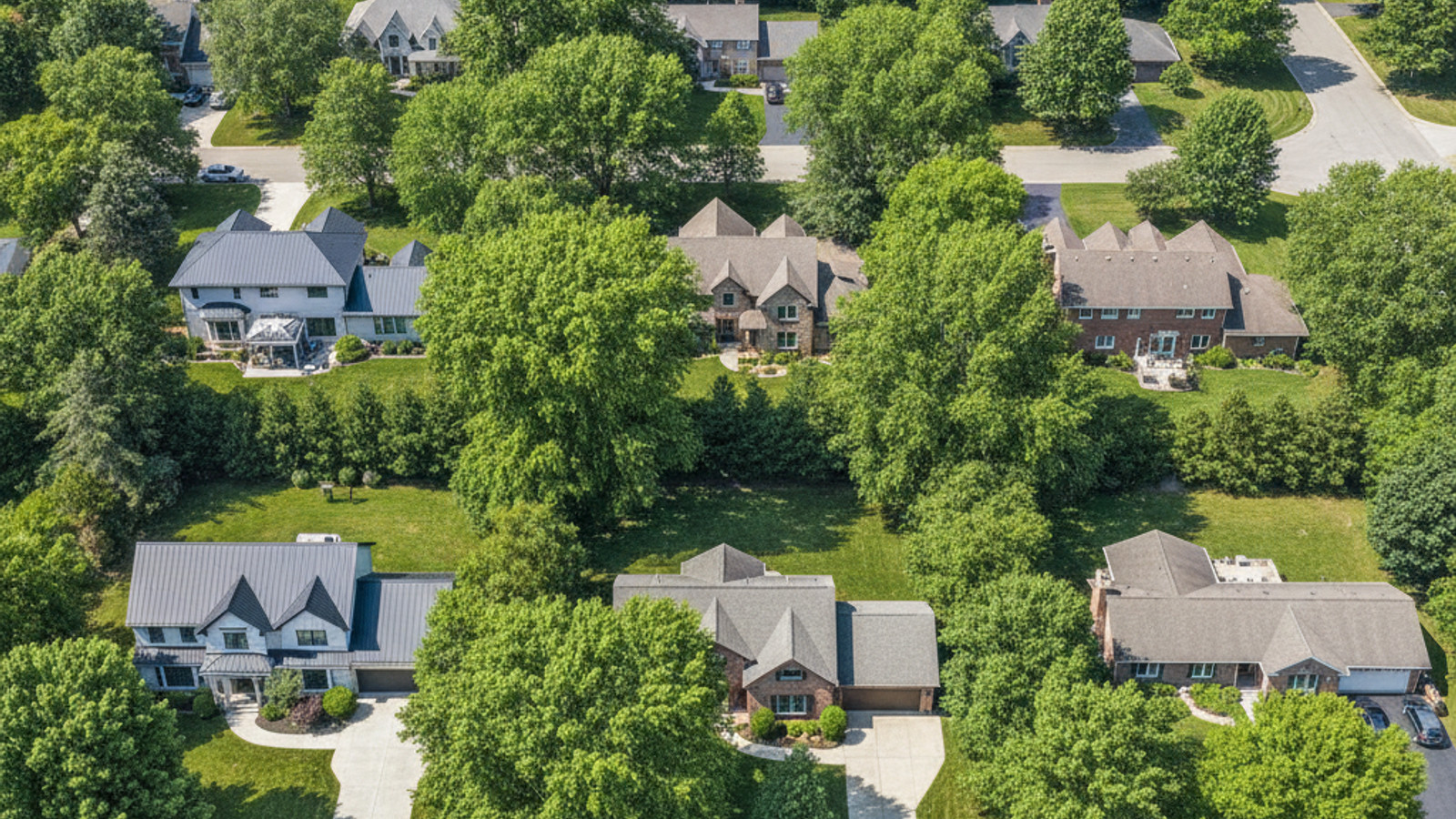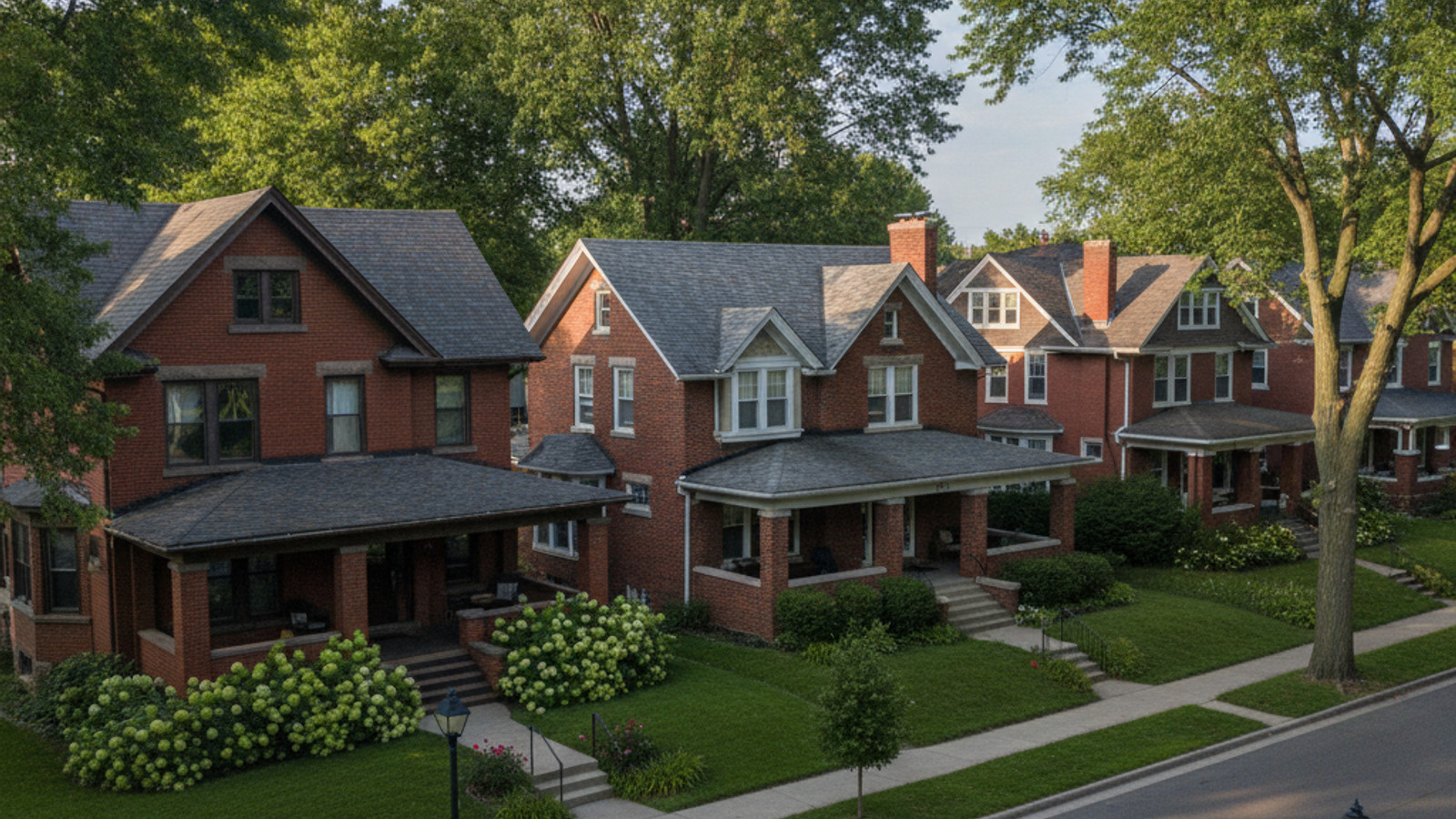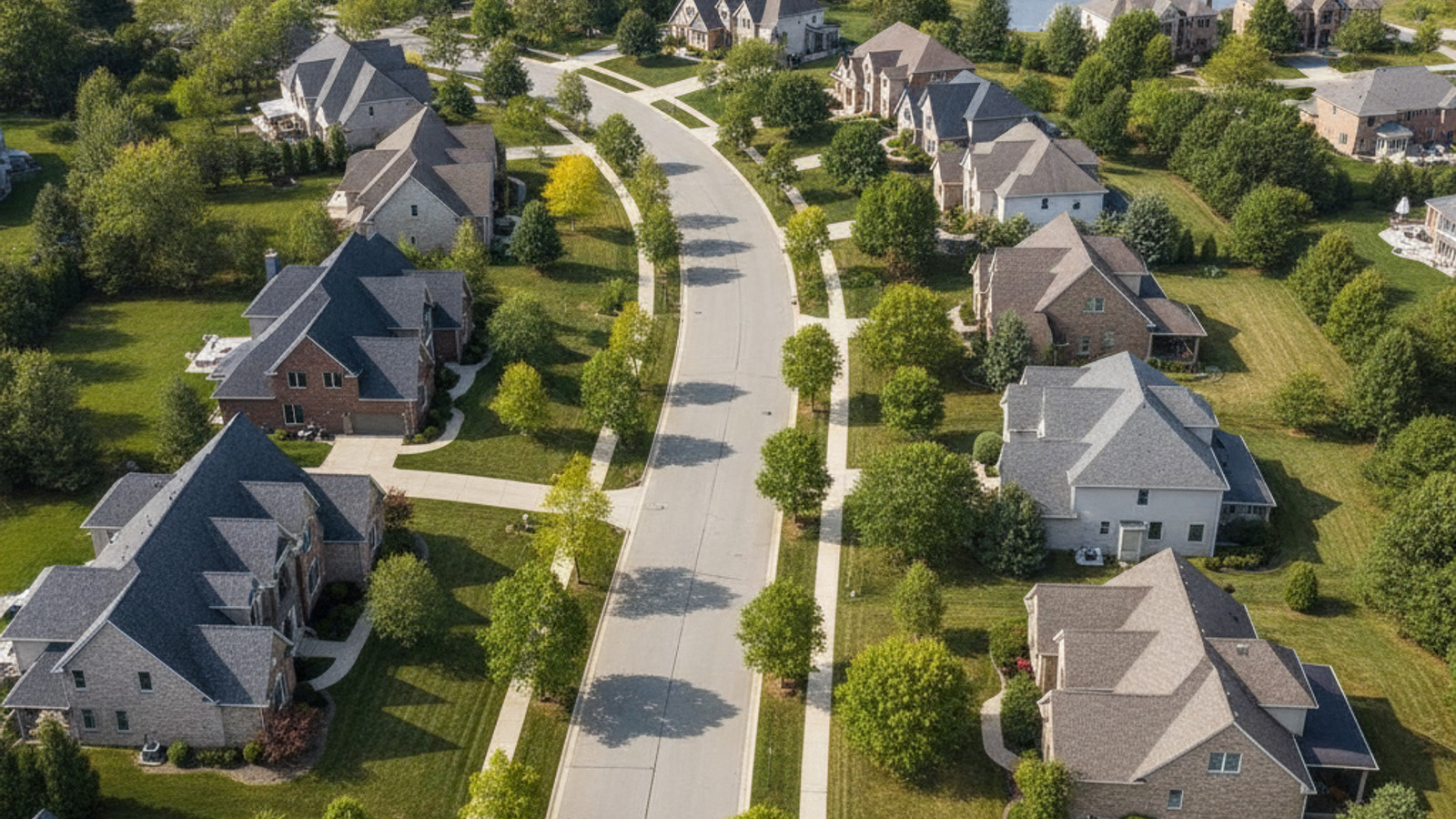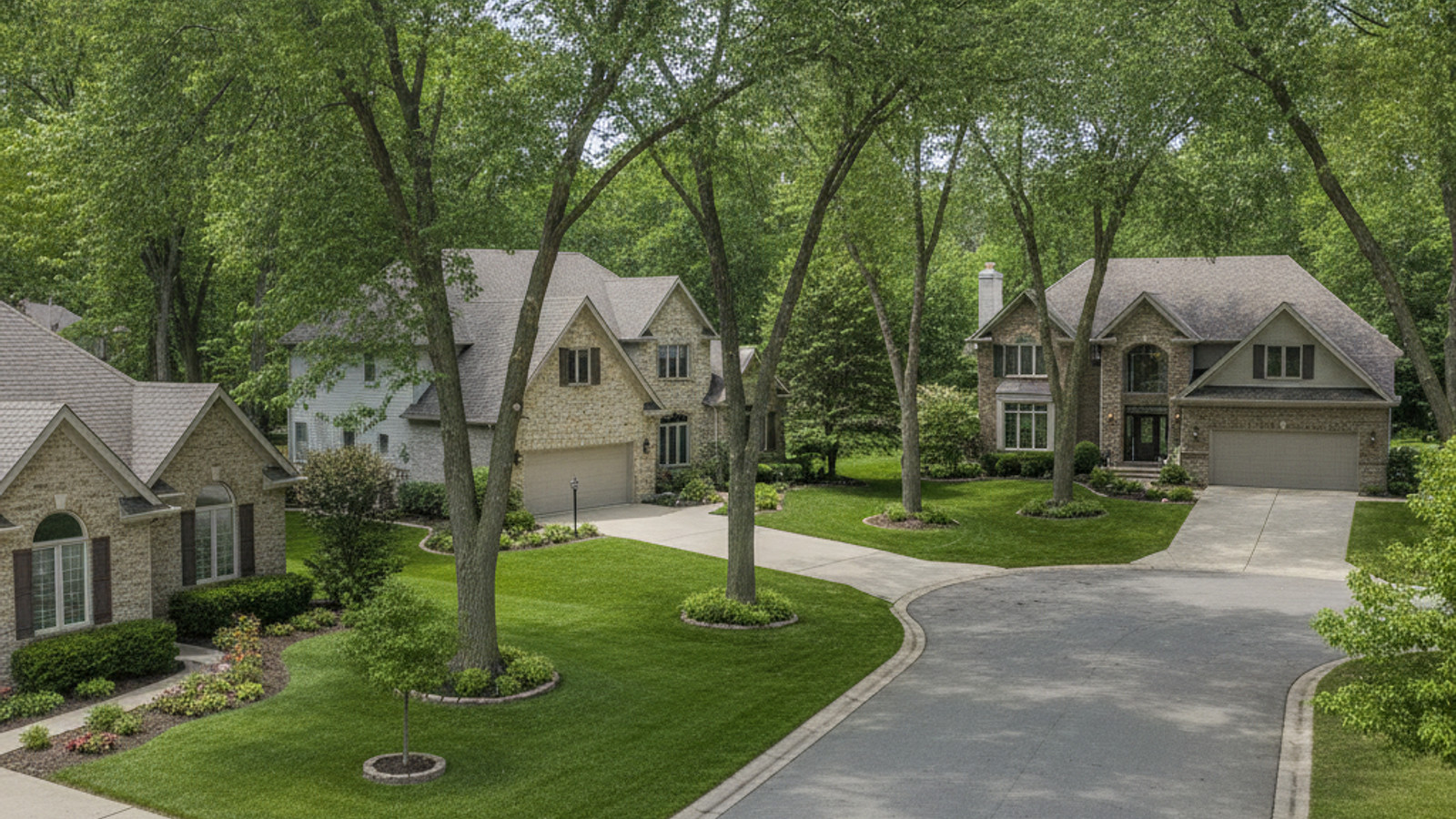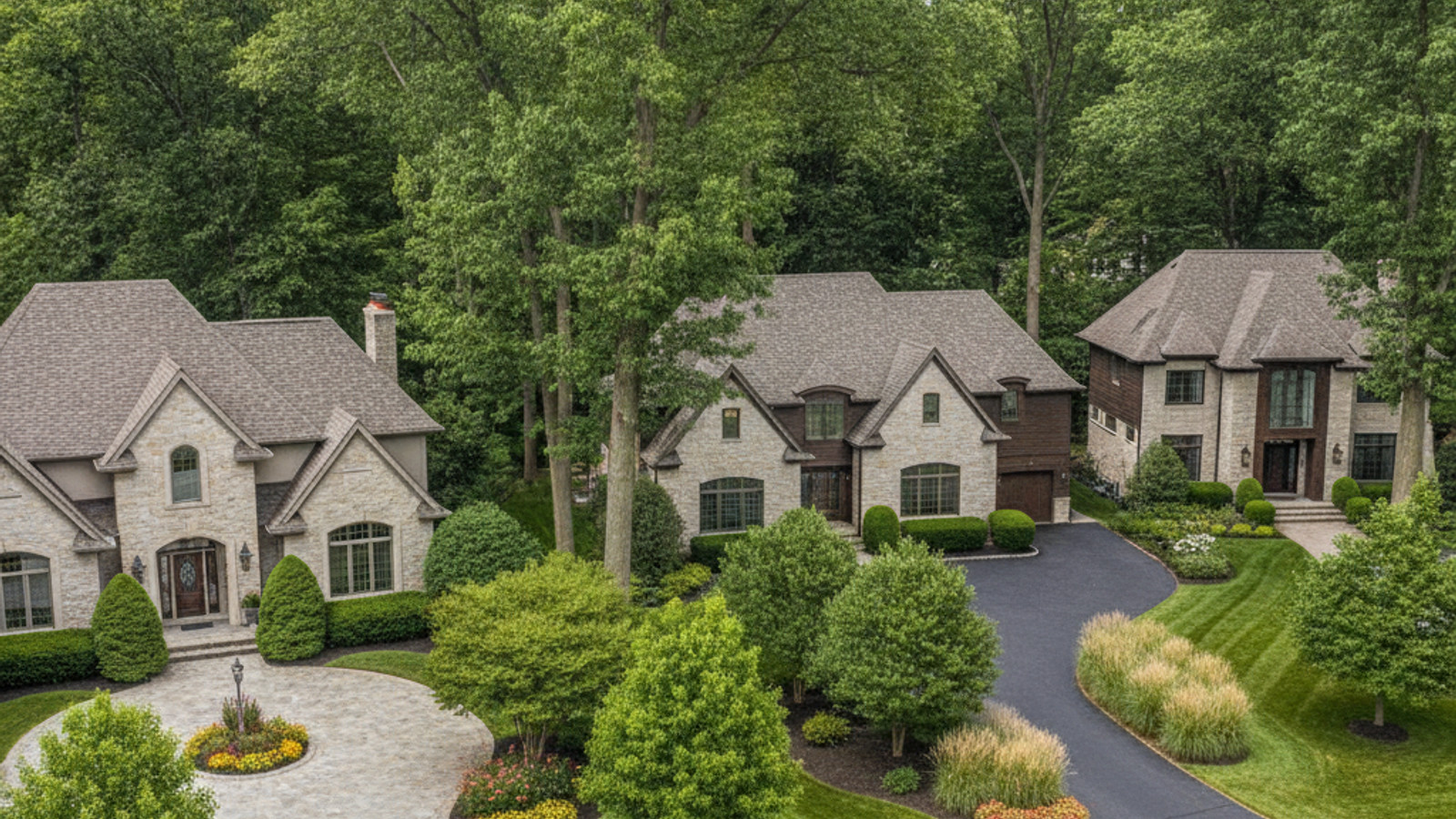
Buyers and investors looking at Metro Detroit often seek out locations with strong property values and strict zoning. Investing in Oakland Township, MI real estate offers a unique opportunity in 2026 due to its distinct low-density layout and sustained demand. This area operates as a specialized micro-market within Oakland County, prioritizing large lots and natural preservation over rapid suburban sprawl.
Navigating this environment requires an understanding of the higher entry points and specific holding costs associated with acreage properties. The inventory here is highly intentional, meaning you will not find large tracts of high-density housing or commercial strip malls. For those evaluating long-term appreciation and solid rental yields, the township presents a stable, albeit premium, investment landscape.
Oakland Township Housing Market Trends for 2026
The current market in early 2026 is defined by steady buyer demand pressing against a persistently limited supply of homes for sale. Average days on market are hovering around 35 to 40 days, indicating a relatively balanced pace for a luxury-leaning township. Sellers are seeing consistent interest, but buyers have enough breathing room to conduct thorough inspections and appraisals without the frenzy of past cycles.
The rate-lock effect continues to impact the availability of existing housing inventory throughout MI. Many current homeowners secured highly favorable mortgage terms years ago, making them hesitant to list their properties today. This dynamic keeps overall inventory tight and ensures that well-maintained homes command strong offers shortly after hitting the market.
Median Home Prices and Property Appreciation
Baseline costs in this municipality are significantly higher than broader Metro Detroit averages. The median listing price sits at approximately $874,900, creating a formidable price floor that filters out speculative short-term flipping. Instead, this high barrier to entry rewards long-term investors with stable, predictable year-over-year price growth of roughly 1.5% to 3%.
This steady appreciation proves highly attractive for those focused on wealth preservation rather than rapid, volatile gains. Properties that feature modern updates and high-end finishes rarely sit idle, reflecting the overall health of the Oakland Township housing market.
Evaluating Property Types and Inventory Options
The township maintains a strict emphasis on low-density zoning to protect its extensive natural spaces and historical character. You will notice an intentional lack of high-density apartment complexes or large multifamily housing developments. This regulatory environment directly influences the turnkey rental market, driving strong competition among renters who want to live in the area but are not ready to purchase.
Investors focusing on single-family rentals can expect robust returns if they acquire the right property. The median rent currently sits at approximately $2,900 per month, reflecting the premium nature of the local housing stock. Securing reliable property management is essential, as tenants paying these rates expect pristine maintenance and rapid service.
Acreage Properties, Luxury Estates, and New Construction
The dominant architectural styles in the area revolve around large-acreage lots, custom homes, and expansive luxury estates. Entry points for traditional subdivisions generally start in the $600,000 range, while sprawling acreage estates regularly climb well over $1,500,000. Features that consistently drive premium valuations include a fully finished basement, premium outdoor living spaces, and multi-car garages.
Beyond existing homes, there is substantial demand for new construction developments that offer modern floor plans. Buyers often prefer these newer builds over older traditional subdivisions because they require less immediate renovation.
Infrastructure, Commute Times, and Local Amenities
A major factor supporting property values in this township is its strategic regional positioning within Metro Detroit. Residents benefit from a quiet, rural neighborhood atmosphere while remaining just minutes away from major commercial centers. Downtown Rochester is located immediately to the south, providing access to premium dining, boutique shopping, and seasonal community events.
Outdoor recreation is a cornerstone of the local lifestyle and a major draw for prospective buyers. Properties located near the Paint Creek Trail, Bear Creek Nature Park, or Stony Creek Metropark hold their value exceptionally well. These amenities offer miles of paved and unpaved trails, boating, and year-round outdoor activities that enhance the appeal of nearby real estate.
Proximity to Metro Detroit Employers and Highways
Commuting from the township is streamlined by easy access to major transportation corridors like I-75, M-59, and M-24. This connectivity is crucial for those working at major automotive and tech employers located in nearby Auburn Hills and Troy. A typical commute to these economic anchors ranges from 15 to 30 minutes, making the area highly practical for professionals.
Additionally, the sought-after Rochester Community Schools district serves a large portion of the township. Access to top schools is a well-documented driver of home buyer demand and long-term value retention. Homes within these specific boundaries consistently draw strong interest during the spring and summer selling seasons.
Objective Investment Metrics: Taxes and Zoning
Financial holding costs in this municipality are dictated by a combination of high property values and local tax formulas. The baseline homestead millage rate currently hovers around 30 to 34 mills, depending on the specific school district and local assessments. Non-homestead properties, such as investment rentals, face an additional 18 mills, which must be factored into any cash flow analysis.
Zoning regulations strictly favor single-family acreage, which limits the potential for dividing lots or adding accessory dwelling units. Investors must carefully review local ordinances before planning any major property expansions or outbuilding construction. This strict regulatory environment preserves the low-density character of the township but requires buyers to conduct thorough due diligence.
Understanding Property Tax Rates and Assessments
Higher assessed property values naturally result in a substantial annual tax burden for homeowners and investors. For example, the annual tax bill on an $850,000 home often exceeds $10,000, depending on the exact taxable value and available exemptions. Buyers must budget for these carrying costs when evaluating their long-term investment strategy.
Working with a local real estate agent is critical to calculate estimated taxes based on your anticipated purchase price rather than the previous owner’s historical taxable value. Michigan property taxes uncap upon the transfer of ownership, meaning the taxable value will reset to the current state equalized value in the year following your purchase. Failing to account for this uncapping can severely impact your projected returns.
Frequently Asked Questions About Oakland Township Real Estate
Are there any signs of house prices dropping in 2026 in Michigan?
Current market data does not indicate a broad drop in house prices across the state this year. In premium areas like Oakland County, median prices remain supported by steady demand and limited inventory. Properties continue to see a stable year-over-year appreciation rate of roughly 1.5% to 3%.
What is the 3 3 3 rule in real estate?
The 3 3 3 rule is a helpful guideline for new buyers adjusting to their local market. It suggests preparing for three months of initial research, viewing at least three properties in person, and maintaining three months of mortgage payments in reserve. This framework helps investors navigating high-value markets stay disciplined with their cash flow.
How do I know if I should rent or buy in Oakland Township?
The decision to rent or buy depends heavily on your timeline and available capital for carrying costs. With a median rent of roughly $2,900 per month, renting offers flexibility without the burden of maintenance and uncapped property taxes. However, buying a median-priced home at $874,900 allows you to build equity in a market known for strong long-term value retention.