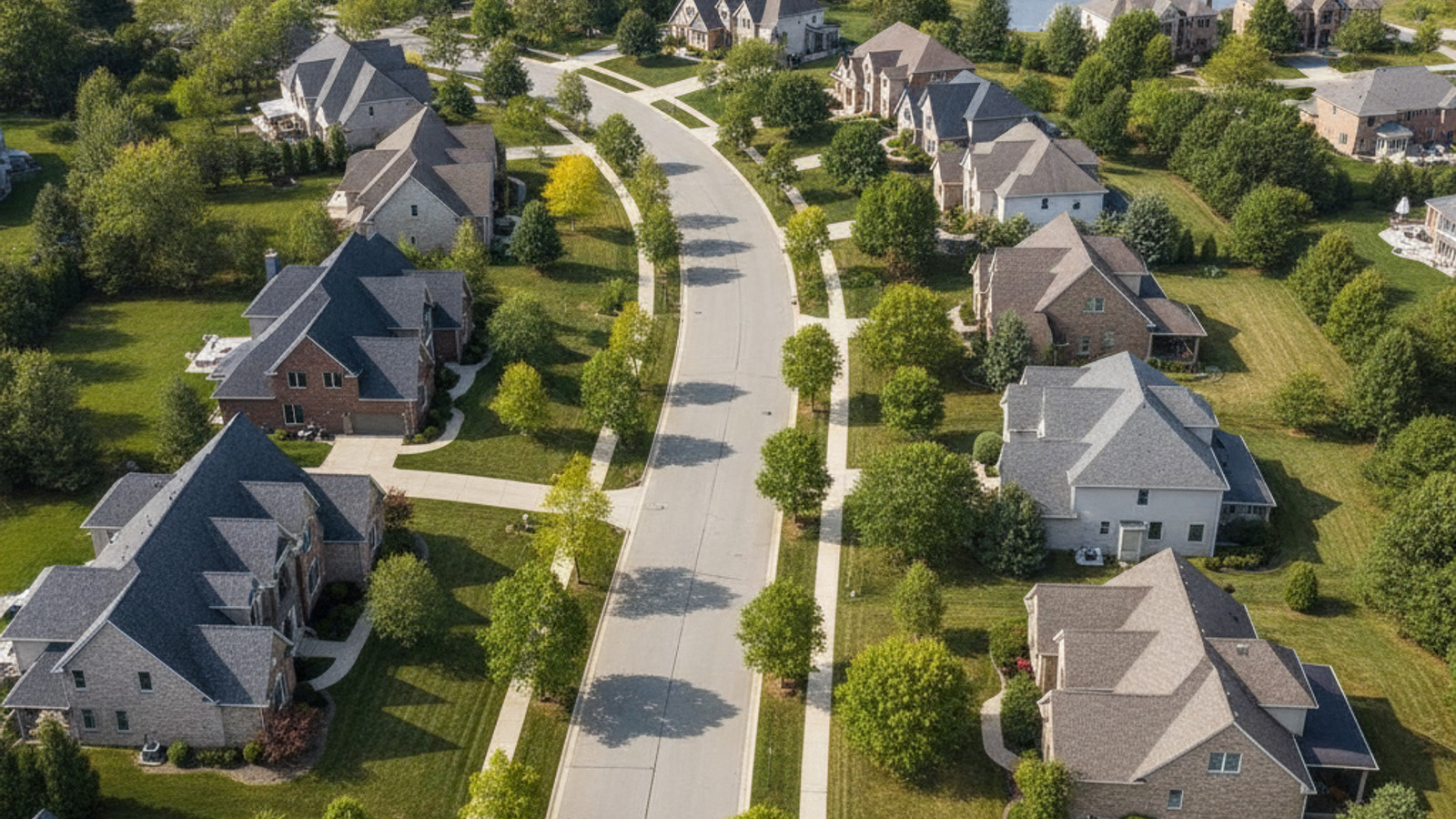
Many buyers start with the thought, “I want to build my own home in Auburn Hills MI,” and quickly realize they are entering a city that balances major commercial hubs with quiet residential pockets. Taking the leap to construct a new property in Oakland County requires careful planning, especially in a dynamic market like this one. The 2026 real estate landscape here offers unique opportunities for buyers who want custom floor plans instead of settling for existing inventory.
Understanding the local terrain means getting familiar with zoning regulations, site preparation costs, and specific municipal codes. Southeast Michigan has a strong network of custom home builders, but navigating the process from raw land to a finished dream home requires a solid strategy. This guide covers the essential steps, costs, and geographic details you need to confidently start your construction project this year.
The Step-by-Step Process for Building a Home in Auburn Hills
The timeline for a new build relies heavily on an organized, chronological approach to land acquisition and design. Before you finalize any blueprints for your dream home, you must secure the right piece of property. The physical characteristics of the lot will dictate the structural possibilities, foundation requirements, and overall architectural design.
Working closely with professionals who understand local municipal codes is the best way to keep your project on schedule. The local Community Development Department enforces strict zoning regulations that must be addressed early in the planning phase. Taking shortcuts during the initial feasibility studies often leads to expensive delays later in the construction timeline.
Securing Vacant Land and Site Preparation
Finding available parcels often requires searching the local MLS or working directly with a real estate agent specializing in vacant land. Many buyers also purchase teardown properties as an alternative to raw, undeveloped lots. A teardown can sometimes offer easier access to existing utility hookups, though demolition costs must be factored into the budget.
Once a property is identified, site preparation becomes the first major physical hurdle. Buyers must conduct soil testing and perc tests to ensure the ground can support the foundation and necessary drainage systems. Clearing the land and grading the lot will carry varying costs depending on the density of trees and the natural slope of the terrain.
Navigating City Building Permits and Zoning
Submitting construction plans to the local government requires patience and exact attention to detail. The municipal building department typically needs two to four weeks to process residential building permits once the full application is submitted. You must also verify the residential zoning setbacks for your specific lot to ensure the footprint of the house complies with city ordinances.
Beyond the primary building permit, your contractors will need to secure distinct trade permits for the mechanical, electrical, and plumbing work. These specific trade approvals are generally processed online via the municipal portal. Ensuring your builder handles these submissions correctly keeps the inspection process moving smoothly.
Hiring Local Southeast Michigan Contractors
Selecting the right Michigan home builder is arguably the most critical decision in your entire project. Hiring a contractor with specific experience operating in Oakland County ensures they are familiar with local soil conditions, weather constraints, and municipal inspectors. You can choose a comprehensive design-build firm that handles everything internally, or you can hire a separate architect and general contractor.
Always review a prospective builder’s past projects to verify their level of craftsmanship and reliability. Walking through completed homes or active job sites provides a tangible sense of their attention to detail. A reputable custom home builder will gladly share references from recent clients in the area.
Average Cost to Build a Custom Home in Oakland County
Construction budgets in 2026 are heavily influenced by the level of finish, square footage, and current material supply chains. Standard custom homes in Oakland County currently average $300 to $500 per square foot for the vertical build. Buyers looking for luxury custom properties should expect those figures to climb to $500 to $700 or more per square foot.
These baseline figures strictly cover the physical construction and do not include the cost of land acquisition or extensive site work. Total custom build budgets in this region frequently range from $1,000,000 to well over $3,000,000 depending on the scope of the project. Managing your budget effectively requires locking in material choices early to avoid mid-project price fluctuations.
Materials, Utility Hookups, and Additional Fees
Beyond the basic framing and foundation, specific line items will quickly escalate your total investment. Upgraded finishes and essential infrastructure connections require careful financial planning.
- Connecting to municipal water and sewer systems typically carries different upfront municipal fees compared to drilling a private well and installing a septic field.
- Premium interior materials, such as imported stone countertops or custom millwork, add significant premiums to the final cost.
- Architecture and engineering fees are often billed separately from the physical construction contract and can represent a substantial percentage of the budget.
Establishing a contingency fund of at least ten to fifteen percent is vital for absorbing unexpected expenses. Even the most meticulously planned projects encounter minor surprises once the ground is broken.
Property Types, Lot Sizes, and School District Boundaries
Auburn Hills contains a diverse mix of property zoning, ranging from dense residential neighborhoods to sprawling acreage on the outskirts. The geographical layout of the city means that your daily commute and local property taxes can vary depending on which corner of the municipality you choose. Buyers must carefully evaluate the long-term utility of a lot before committing to a purchase.
It is also crucial to understand that there is no single school district that covers the entire city. The municipality is split primarily among four different districts, with Avondale and Pontiac being the most prominent. Your specific property location will entirely dictate the public school assignments for that address.
Available Vacant Land and Lot Characteristics
Current market conditions offer a few different avenues for purchasing land in the city. Smaller residential lots, typically ranging from 0.2 to 0.3 acres, can start in the $20,000 to $30,000 range. These compact parcels are often located in established subdivisions where utility connections are readily accessible at the street.
Buyers seeking more privacy or room for outbuildings will need to look for larger acreage. Parcels of one acre or more, as well as mixed-use lots, frequently exceed $130,000 to $199,000. Securing a larger lot provides more architectural freedom but generally increases the cost of initial land clearing and driveway installation.
Avondale School District vs. Pontiac School District
The Avondale School District covers the majority of the central and eastern sections of the city. This includes many of the residential areas situated near the downtown corridor and along the I-75 interstate. Properties falling within these boundaries are highly sought after by buyers prioritizing proximity to the city center.
Conversely, the Pontiac School District covers specific pockets on the western and southern edges of the municipality. Because district lines can occasionally cut through individual neighborhoods, you should never assume the assignment based on the street name alone. Always verify the exact property address with the county assessor to confirm the designated school boundaries.
Local Infrastructure and Auburn Hills Amenities
The city is engineered to support a massive daily influx of corporate employees while maintaining distinct residential zones. This balance of major commercial hubs and local neighborhoods creates a highly functional environment for permanent residents. The local infrastructure is robust, featuring well-maintained arterial roads and reliable municipal services.
Access to major retail and recreation is a defining characteristic of living in this part of Oakland County. The presence of large-scale shopping venues like the Great Lakes Crossing Outlets anchors the local economy. Building a home here means placing yourself in a highly connected regional center with immediate access to everyday conveniences.
Proximity to Commuter Routes and Retail Centers
The city provides exceptional accessibility for daily travel across Southeast Michigan. Immediate access to major interstates, specifically I-75 and M-59, allows for rapid transit to Detroit or neighboring suburban centers. This highway connectivity is a major draw for buyers who commute to different parts of the state for work.
The area is also home to several large corporate headquarters, which drives the continuous development of local infrastructure. Alongside the corporate presence, residents have access to a dense concentration of retail and dining options. You rarely have to leave the city limits to find specialty goods, professional services, or entertainment.
Outdoor Recreation and the Clinton River Trail
Beyond the commercial developments, the municipality maintains a strong network of municipal parks and trail systems. The Clinton River Trail provides a 16-mile multi-use pathway that connects multiple Oakland County communities. A 2.1-mile section of this crushed-stone trail passes directly through the city, offering a dedicated route for cycling and walking.
Several public parks are situated along the banks of the Clinton River, providing green spaces integrated into the urban layout. These recreational areas feature sports fields, picnic pavilions, and paved walking paths. The integration of these outdoor spaces adds significant value to the surrounding residential properties.
Frequently Asked Questions
Is it cheaper to buy an existing house or build a new house in Michigan?
Buying an existing home is generally more cost-effective upfront than pursuing new construction. Building a custom property involves premium material costs, architectural fees, and land preparation that existing homes have already absorbed. However, a new build eliminates immediate renovation needs and offers long-term savings on energy efficiency and maintenance.
Is $200,000 enough to build a custom home in Auburn Hills, MI?
In 2026, a $200,000 budget is not sufficient to cover a complete custom home build in this area. With average construction costs running $300 to $500 per square foot, a modest 2,000-square-foot house would require at least $600,000 for the vertical build alone. That $200,000 might successfully cover your land acquisition and the initial site preparation.
Can I build a custom home on my own lot in Auburn Hills?
Yes, you can purchase vacant land and hire independent contractors to construct a custom residence. You must ensure the property zoning allows for residential development and that your blueprints meet all local municipal setbacks. Securing the proper city permits and hiring an experienced builder will ensure your private lot is developed correctly.