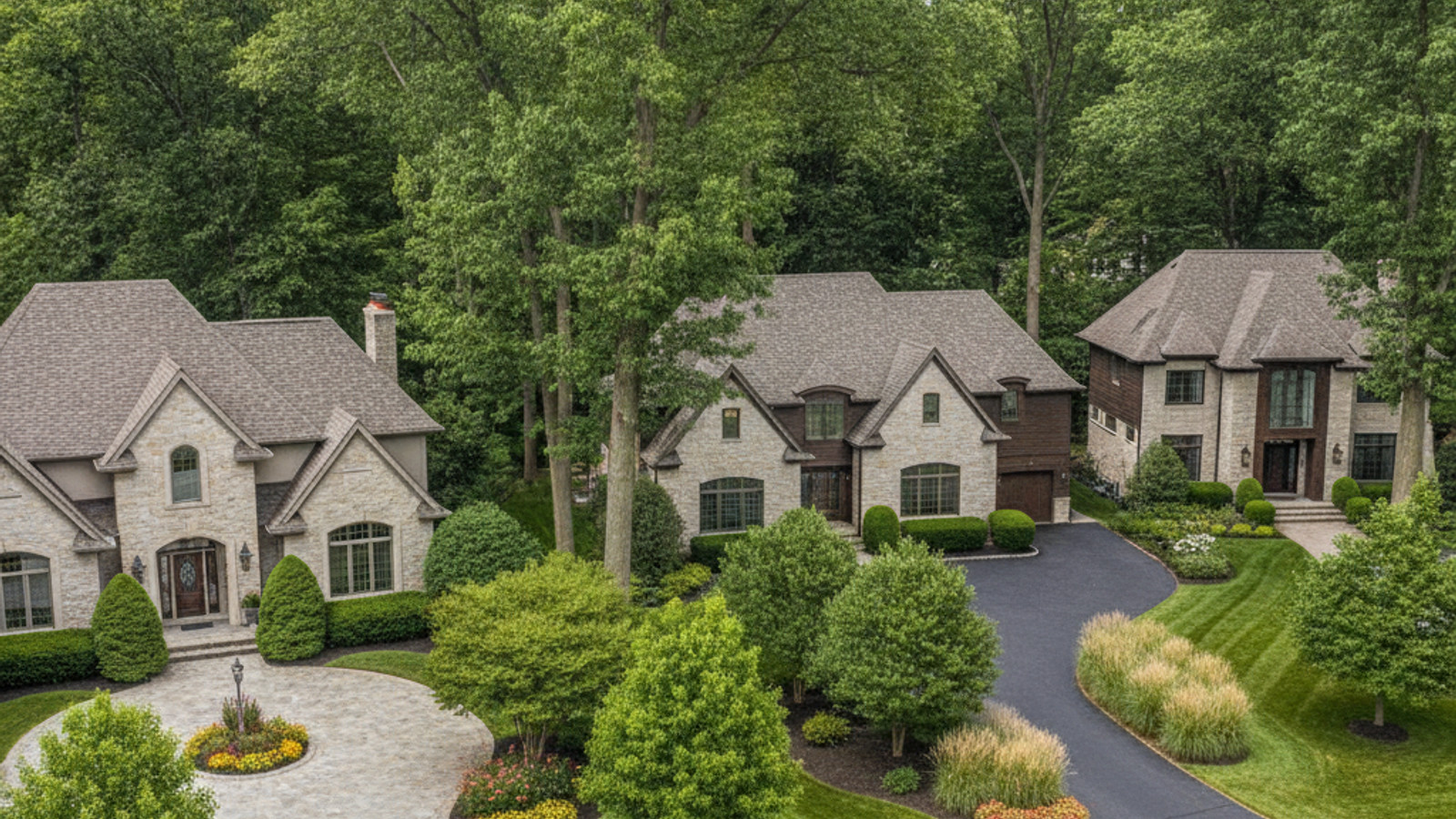
Southeast Michigan real estate requires buyers to look closely at local municipal data before writing an offer. Auburn Hills stands out as a major economic hub in Oakland County, drawing buyers who want immediate access to massive employment centers and extensive retail corridors. Understanding the exact financial requirements to purchase property here is the first step toward a successful transaction.
The average cost of a home in Auburn Hills MI has stabilized after a few years of rapid shifts, giving buyers a clearer picture of their purchasing power. Current inventory shows a mix of detached properties, townhomes, and low-maintenance condominiums spread across varying price tiers. Knowing how these price points interact with local property taxes and school district boundaries will dictate exactly what your monthly payment looks like.
Relocating professionals evaluating living in Michigan often focus on this specific area due to its blend of suburban infrastructure and corporate convenience. Real estate trends here move independently from neighboring Rochester Hills or Pontiac. You must analyze the hyper-local data to make an informed investment.
2026 Auburn Hills Real Estate Market Trends
The median home value in Auburn Hills currently hovers between $290,000 and $305,000. This price range reflects a highly active suburban market where correctly priced inventory moves quickly. Buyers entering the Michigan market this year should expect steady competition, as properties spend an average of 28 to 31 days on the market.
Current interest rate trends play a massive role in how buyers structure their mortgage calculations. While the pace of appreciation has normalized compared to the spikes seen a few years ago, sellers still hold the negotiating leverage due to limited housing supply on the local MLS. Buyers need to secure their financing pre-approvals early to compete effectively for well-maintained listings.
A competitive seller’s market means that contingency-heavy offers often get pushed to the bottom of the pile. You should expect to pay at or slightly above the listing price for turnkey homes in highly sought-after subdivisions. Working closely with a local brokerage ensures you structure a compelling offer that aligns with current neighborhood comparable sales.
Comparing Single-Family Homes, Condos, and Townhouses
Property classification directly impacts your total monthly financing obligations and long-term maintenance costs. Single-family homes in established Auburn Hills subdivisions typically command prices at or above the $305,000 median, depending on square footage and lot size.
- Detached single-family homes often represent the highest entry price but offer maximum land ownership and no shared walls.
- Townhouses serve as a middle-ground option, providing more interior space than an apartment while reducing exterior upkeep responsibilities.
- Condominiums offer the lowest base purchase price, though buyers must factor in monthly HOA dues that cover shared exterior maintenance.
Buyers must weigh the base purchase price against these ongoing monthly carrying costs. A cheaper condominium might actually cost more per month than a detached home if the association fees are exceptionally high. You should always review the HOA financial documents before finalizing your loan terms.
Cost of Living and Property Taxes in Oakland County
The localized cost of living index in Auburn Hills remains relatively balanced when compared against the broader national average. Housing costs are the primary driver of monthly expenses, but property taxes represent a significant portion of long-term holding costs. Oakland County levies an effective property tax rate of approximately 1.32 percent, which buyers must factor into their mortgage escrow calculations.
A critical distinction for buyers to understand is the difference between a property’s assessed tax value and its open-market sale price. Michigan caps the annual increase on taxable value, meaning a long-time owner pays taxes on a much lower amount than a new buyer will. You should always calculate your estimated annual tax bill based on your actual purchase price rather than the previous owner’s tax history.
The median property tax bill in this region scales directly with the purchase price, making accurate calculations essential for your budget. Failing to account for the post-sale tax reassessment is one of the most common mistakes new buyers make. Your lender will adjust your escrow requirements once the city updates the property valuation, which alters your total monthly payment.
School District Boundaries and Millage Impacts
Specific school district lines within the city boundaries directly affect annual property tax bills. Auburn Hills is primarily split between the Avondale School District and the School District of the City of Pontiac.
Individual school millages cause tax rates to vary drastically from one neighborhood to another, even within the exact same zip code. Prospective buyers must verify the specific school district assessment on public tax records before drafting an offer to avoid unexpected monthly payment increases. Working with a local agent ensures you accurately project these localized tax variations.
Major Employers Driving the Auburn Hills Housing Market
Corporate anchors and academic institutions provide a massive foundation for local employment and housing demand. Auburn Hills features a substantial automotive industry presence, highlighted by the massive Stellantis North America headquarters complex. This corporate footprint draws a steady stream of relocating professionals who need housing close to the office.
The advanced manufacturing sector also plays a vital role, with companies like BorgWarner operating significant facilities within the city limits. Beyond corporate manufacturing, Oakland University contributes to a robust job market and drives consistent regional rental demand. This localized employment stability ultimately supports long-term property values across Southeast Michigan.
Investors closely monitor these employment opportunities because a strong labor market directly correlates with sustained housing demand. When major employers expand their operational footprint, the resulting influx of workers tightens the available housing supply. This dynamic creates a highly resilient local real estate market that weathers broader economic shifts better than purely residential suburbs.
Transportation Infrastructure and Regional Commutes
Highway accessibility is a major factor driving property demand and pricing near major interchanges. Auburn Hills offers direct access points to the I-75 and M-59 corridors, making it a highly connected hub for commuting across Southeast Michigan. Residents can easily navigate to major commercial centers, with the Troy business district located just minutes down the freeway.
Commuting to downtown Detroit typically takes about 35 to 45 minutes, depending on peak traffic conditions. The area also boasts close proximity to prominent regional healthcare facilities, ensuring residents have immediate access to extensive medical networks. Properties located within a two-mile radius of the I-75 ramps consistently command premium pricing due to this sheer transportation convenience.
Buyers evaluating the average home often prioritize commute times over maximum square footage. Proximity to these major transit arteries reduces daily travel friction and enhances the long-term resale value of the property. You must balance your desire for a quiet street against the practical need for efficient highway access.
Local Amenities and Recreational Offerings
Auburn Hills maintains a wide inventory of parks, trail networks, and massive retail centers. The geographic layout of the Clinton River Trail provides miles of paved pathways that weave directly through the city. The downtown center has also seen steady commercial and civic development, offering a walkable district with local dining and public gathering spaces.
Beyond the trail systems, the city operates several dedicated recreational areas designed for outdoor enthusiasts. Riverside Park and Hawk Woods Nature Center offer distinct outdoor facilities, from canoe launches to heated wilderness cabins.
- Hawk Woods Nature Center features 80 acres of woods, groomed nature trails, and a two-story lodge.
- Riverside Park provides immediate access to the Clinton River, a splash pad, and covered picnic pavilions.
- Great Lakes Crossing Outlets serves as the primary retail hub, housing extensive shopping and entertainment venues like the Sea Life Michigan Aquarium.
Having these large-scale attractions within the city limits adds significant baseline value to local real estate. Buyers consistently prioritize neighborhoods that offer immediate access to both outdoor recreation and indoor entertainment options. The presence of these amenities justifies the current pricing structure and supports continued market growth.
Frequently Asked Questions
What is the cost of living in Auburn Hills, Michigan?
The cost of living in Auburn Hills aligns closely with the national average, making it a financially viable option within Oakland County. Housing is the largest expense, with median home values sitting near $305,000 in 2026. Everyday expenses like groceries, healthcare, and utilities remain highly comparable to the broader Southeast Michigan region.
Are home prices dropping in Auburn Hills, MI?
Home prices are not dropping, but the rapid appreciation seen in previous years has leveled off into a more predictable market. With an average market time of 28 to 31 days, buyer demand remains strong enough to sustain current property values. Sellers still maintain a slight edge due to the limited inventory of move-in ready homes.
How much money should I make to buy a house in Auburn Hills, MI?
To comfortably afford the median home price of $290,000 to $305,000, buyers should aim for a household income between $85,000 and $100,000. This estimate assumes a standard 20 percent down payment and accounts for current 2026 interest rates. You must also factor in the 1.32 percent effective property tax rate and any potential HOA fees when calculating your required income.