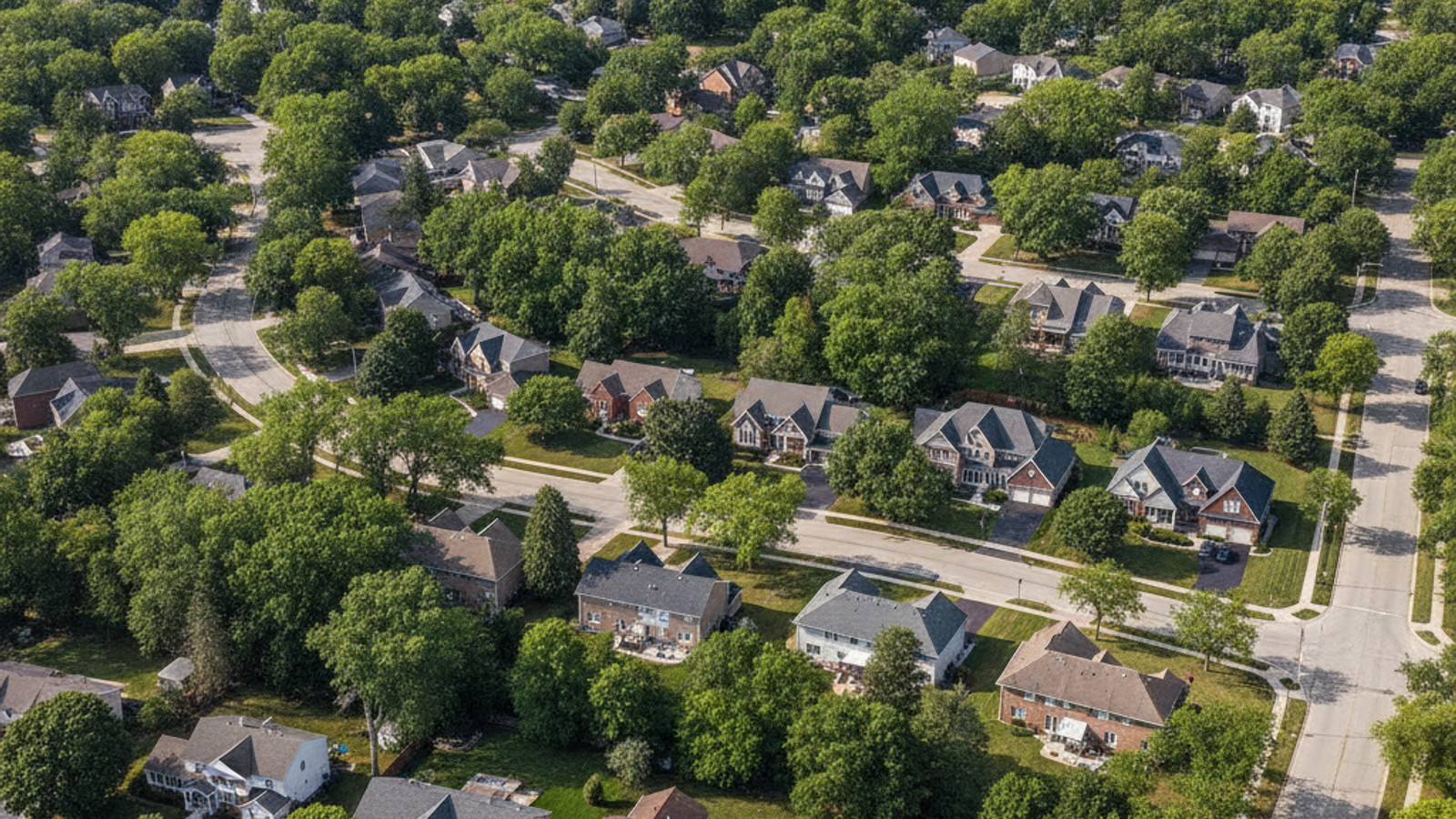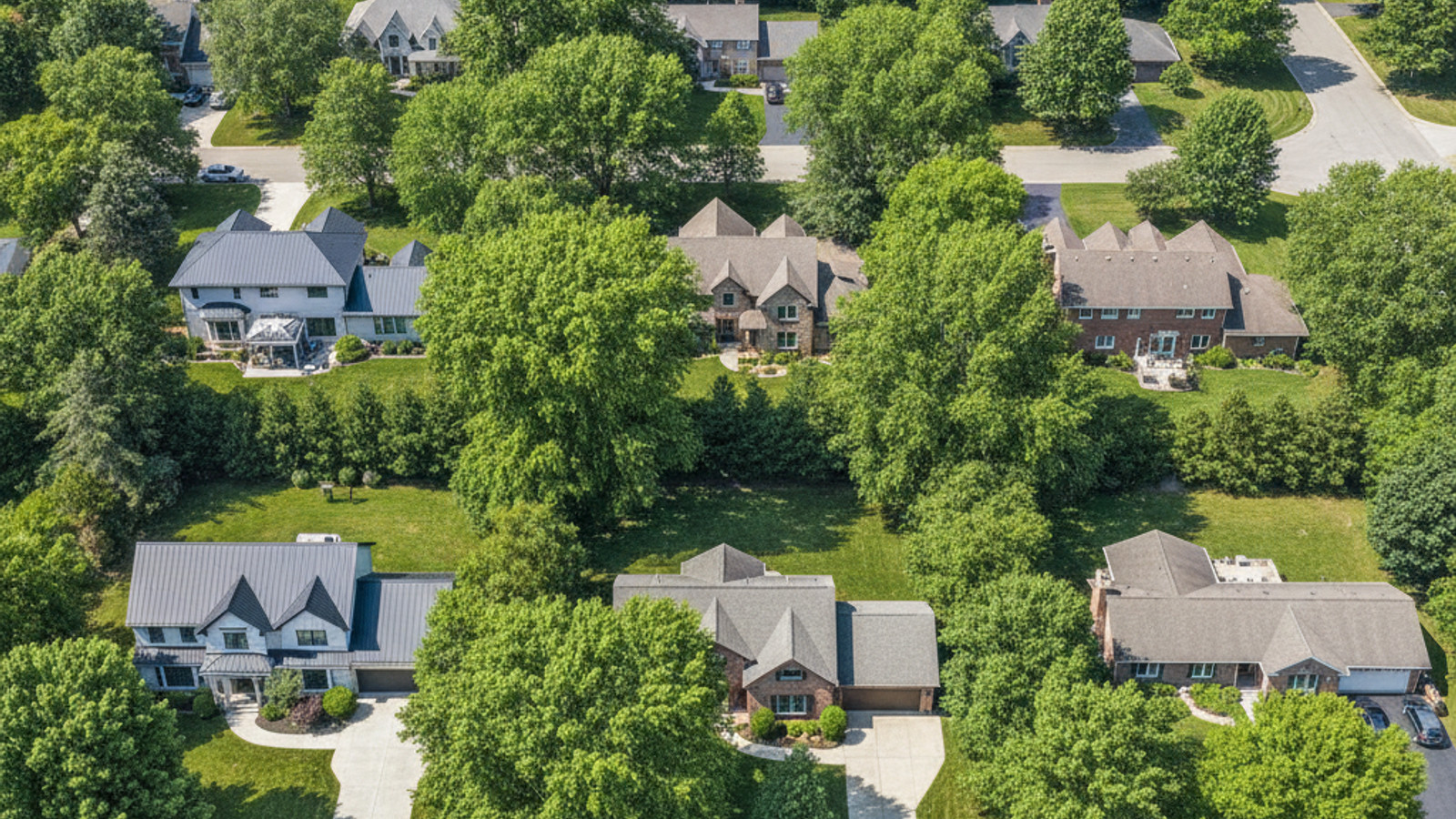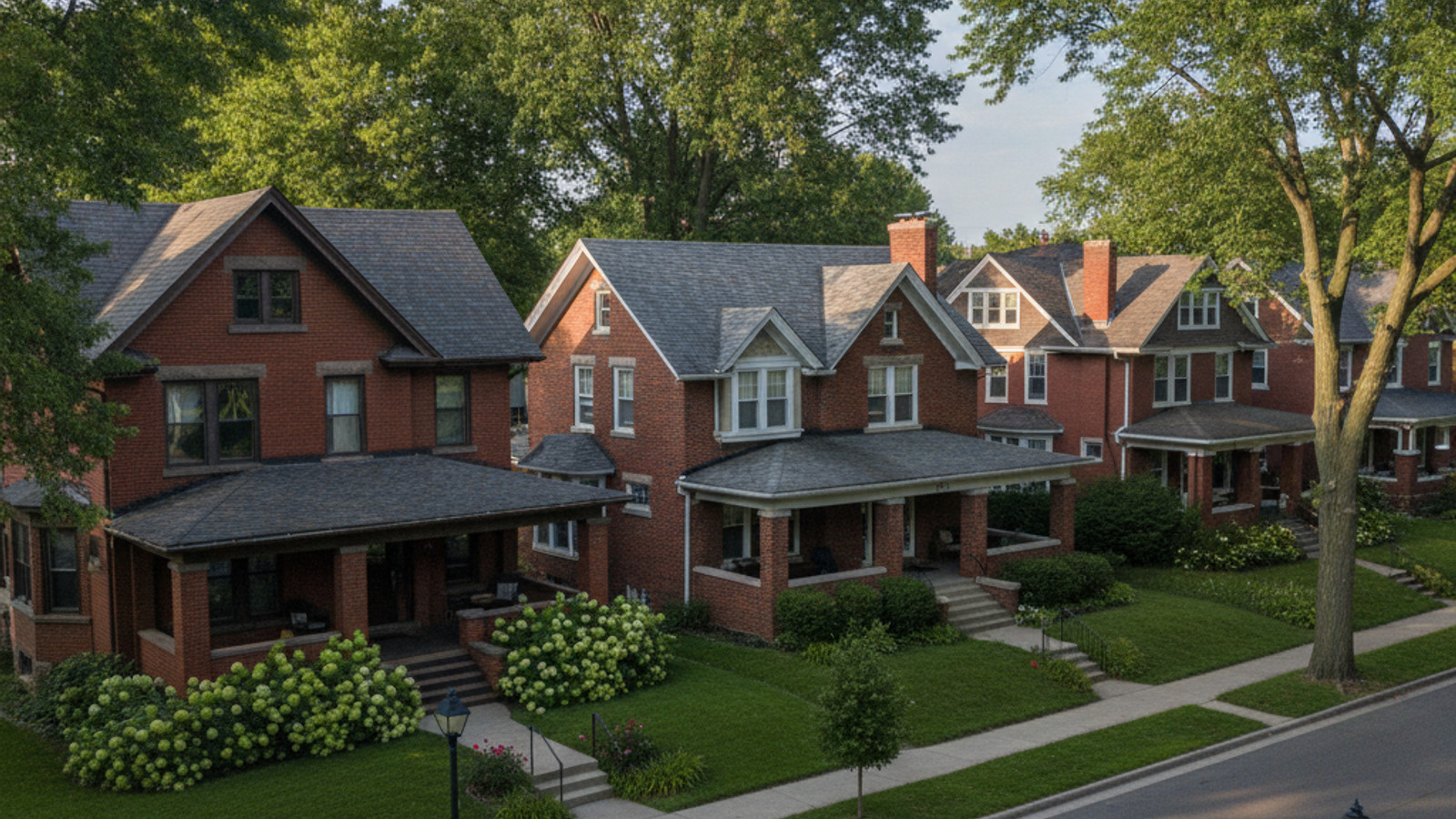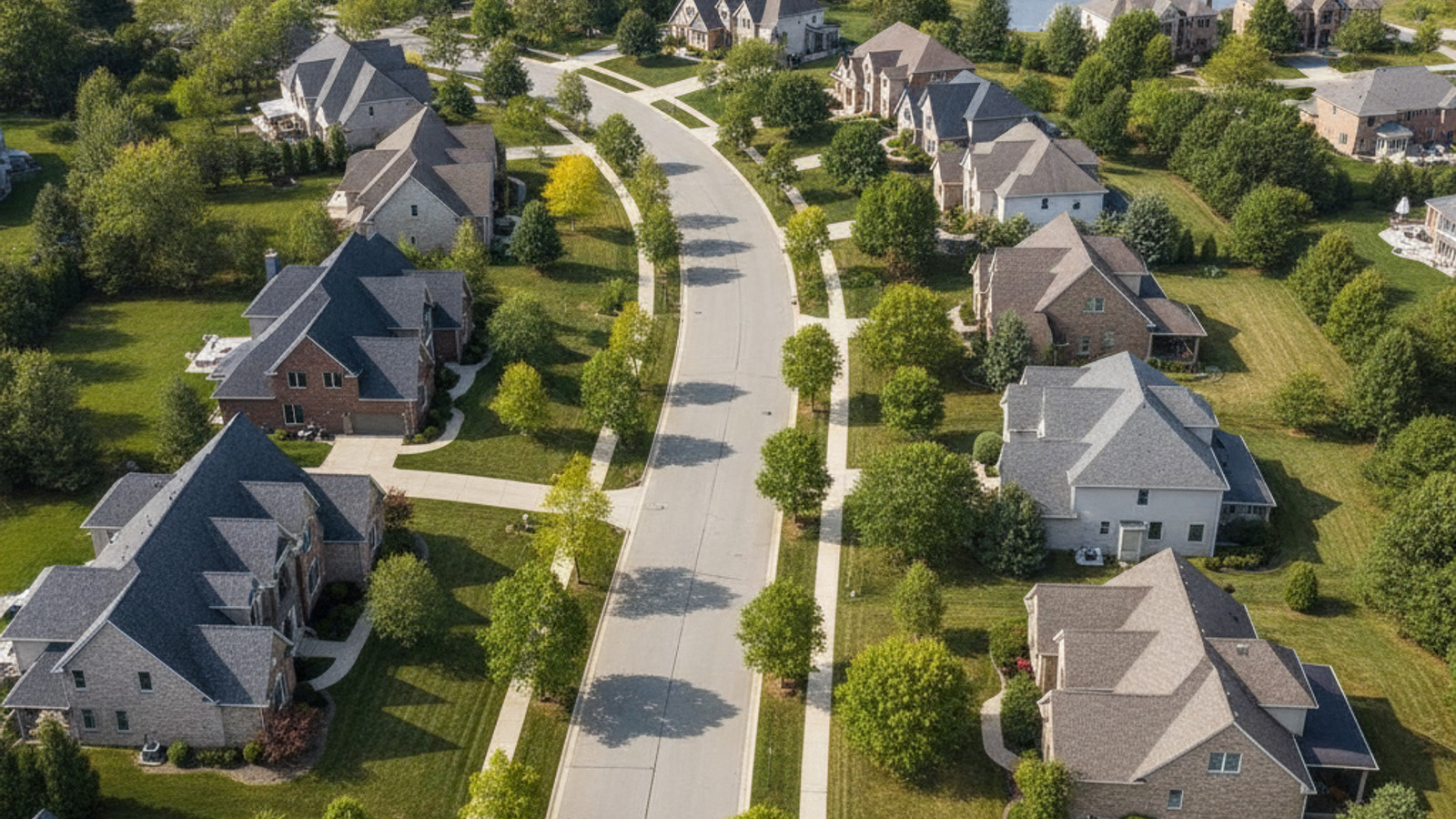
If you have been keeping an eye on homes for sale in Auburn Hills lately, you have probably noticed a pattern: they don’t stick around very long. As we settle into early 2026, the local market is moving at a brisk pace, and understanding the numbers is crucial whether you are looking to buy your first place or sell and move up.
Right now, Auburn Hills remains firmly in “seller’s market” territory. Inventory is tight, with only about 80 active listings on any given day across the city. Because supply is low and demand is steady, homes are selling fast—typically spending just 21 to 30 days on the market before going under contract.
The pricing reflects this competition. The median sale price sits around $362,000, with sellers consistently getting about 98% of their list price. It’s a competitive environment, but it’s not unmanageable if you go in prepared. The appeal here is obvious: you have major corporate headquarters like Stellantis right next door, Oakland University driving local culture, and a location that makes commuting easy.
Home Price Trends & Forecast
Let’s look closer at what those prices mean for your wallet. While we aren’t seeing the skyrocketing, double-digit appreciation of a few years ago, we are seeing steady, moderate growth. Year-over-year, home values in Auburn Hills have appreciated by roughly 3-4%. This is healthy growth—it means your investment is safe, but the market isn’t so overheated that it’s about to pop.
The market splits a bit when you look at single-family homes versus condos. The condo and townhome market is very active here, especially with the university nearby. The median price for these attached units is hovering around $277,500. This creates a nice entry point for buyers who might be priced out of the larger detached homes.
Looking ahead at the rest of 2026, I expect this trend to hold. Mortgage rates have stabilized around 6%, which has given buyers more confidence to jump back in. However, because builders can’t put up new houses fast enough to meet demand, prices will likely continue that slow, upward climb.
Auburn Hills vs. Nearby Cities: A Value Comparison
One of the main reasons people land in Auburn Hills is the “bang for your buck.” When you compare the costs here to our neighbors, the value proposition becomes really clear. Auburn Hills offers a strategic middle ground in the Oakland County real estate landscape.
Take Rochester Hills, for example. Just a stone’s throw away, the median price pushes well over the $500,000 range. In fact, buying a similar home in Rochester Hills is often about 76% more expensive than buying it here. For many buyers, crossing that municipal border saves heavily on the mortgage while keeping access to the same regional amenities.
On the flip side, you have Pontiac. While homes there are much cheaper—often with medians between $90,000 and $100,000—the housing stock is generally much older and the market dynamics are completely different. Auburn Hills commands a premium over Pontiac because the housing stock is newer, and the commercial development provides a different tax base and amenity set. It really is that “sweet spot” between the high-end luxury of Troy or Bloomfield and the rehab-heavy market of Pontiac.
What Drives Demand in Auburn Hills?
So, why are people buying here? It isn’t just about the price tag. The local economy and lifestyle factors are huge drivers keeping the vacancy rates low and buyer interest high.
- Major Employers: This is a corporate hub. With the Stellantis Headquarters and massive tech centers like BorgWarner nearby, thousands of people want to live within a short drive of the office.
- The Education Hub: Oakland University isn’t just a school; it’s a rental engine. Faculty, staff, and students create consistent demand for housing, particularly for condos and rentals.
- Retail & Amenities: Having Great Lakes Crossing Outlets in your backyard is a draw, as is the developing downtown area. You don’t have to drive 20 minutes to find dinner or shopping.
- Commutability: If you work elsewhere, the access is unbeatable. Sitting right on I-75 and M-59 means you can get to Detroit or the northern suburbs easily.
Property Taxes & Cost of Living Context
When you are calculating your monthly payment, you can’t forget the taxes. Michigan property taxes can be tricky, so let’s simplify it. Auburn Hills has a generally reasonable tax structure compared to the national average, though it is standard for Michigan.
The effective property tax rate is approximately 1.24%. If you are buying a $360,000 house, you need to budget for that annually. It is slightly higher than the national average but competitive for Oakland County.
For investors, it is critical to understand the difference between “Homestead” and “Non-Homestead” millage rates. If you live in the home as your primary residence (Homestead), your tax rate is significantly lower. If you rent the house out (Non-Homestead), your taxes will jump—sometimes by 30-40%. Make sure you run your numbers based on the correct status.
Key Neighborhoods & School Districts
Auburn Hills is geographically unique because it is long and narrow, meaning your experience can change depending on which exit you take off I-75. The area is generally split into the North, which feels a bit more rural with larger lots, and the South, which is closer to the corporate centers and denser housing developments.
The most confusing part for newcomers is the school district map. Auburn Hills does not have one single “Auburn Hills” school district. Instead, homes here are served by three different districts depending on the specific street address:
- Avondale School District (Serves the majority of the city).
- Pontiac School District.
- Rochester Community Schools.
Because home values can fluctuate based on which district a house falls into, never assume the district based on the city name alone. Always verify the specific address if school zoning is a priority for your search.
Strategies for Buyers and Sellers in 2026
Given everything we know about the market right now, how should you approach it?
- For Buyers: Speed is your friend. With homes selling in about three weeks, you cannot afford to “wait and see” for too long. Get pre-approved before you step foot in a house. If you see something you like, be ready to write a clean, strong offer.
- For Sellers: You are in the driver’s seat, but don’t overplay your hand. Data shows that homes priced correctly sell at 98% of the list price. If you try to price significantly over market value, you risk sitting stale on the market, which is the “kiss of death” in a fast-moving environment like this.
- For Investors: There is a strong play here for rental properties. Between the corporate workforce at Stellantis who may want short-term leases and the student population at Oakland University, rental demand is built-in. Look for townhomes or smaller single-family homes near the university for the best occupancy rates.
Frequently Asked Questions
Is Auburn Hills, MI a good place to invest in real estate?
Yes, Auburn Hills presents a strong case for investors due to high rental demand. The presence of Stellantis World Headquarters and Oakland University provides a steady stream of potential tenants, ranging from corporate professionals to students and faculty.
What is the average house price in Auburn Hills, MI?
As of early 2026, the median sale price for a home in Auburn Hills is approximately $362,000. Condos and townhomes offer a more affordable entry point, with a median price closer to $277,500.
Which school districts serve Auburn Hills?
This depends entirely on your specific address. The city is primarily served by the Avondale School District, but significant portions also fall within the Pontiac School District and Rochester Community Schools. It is vital to check the district map for any specific property you are considering.