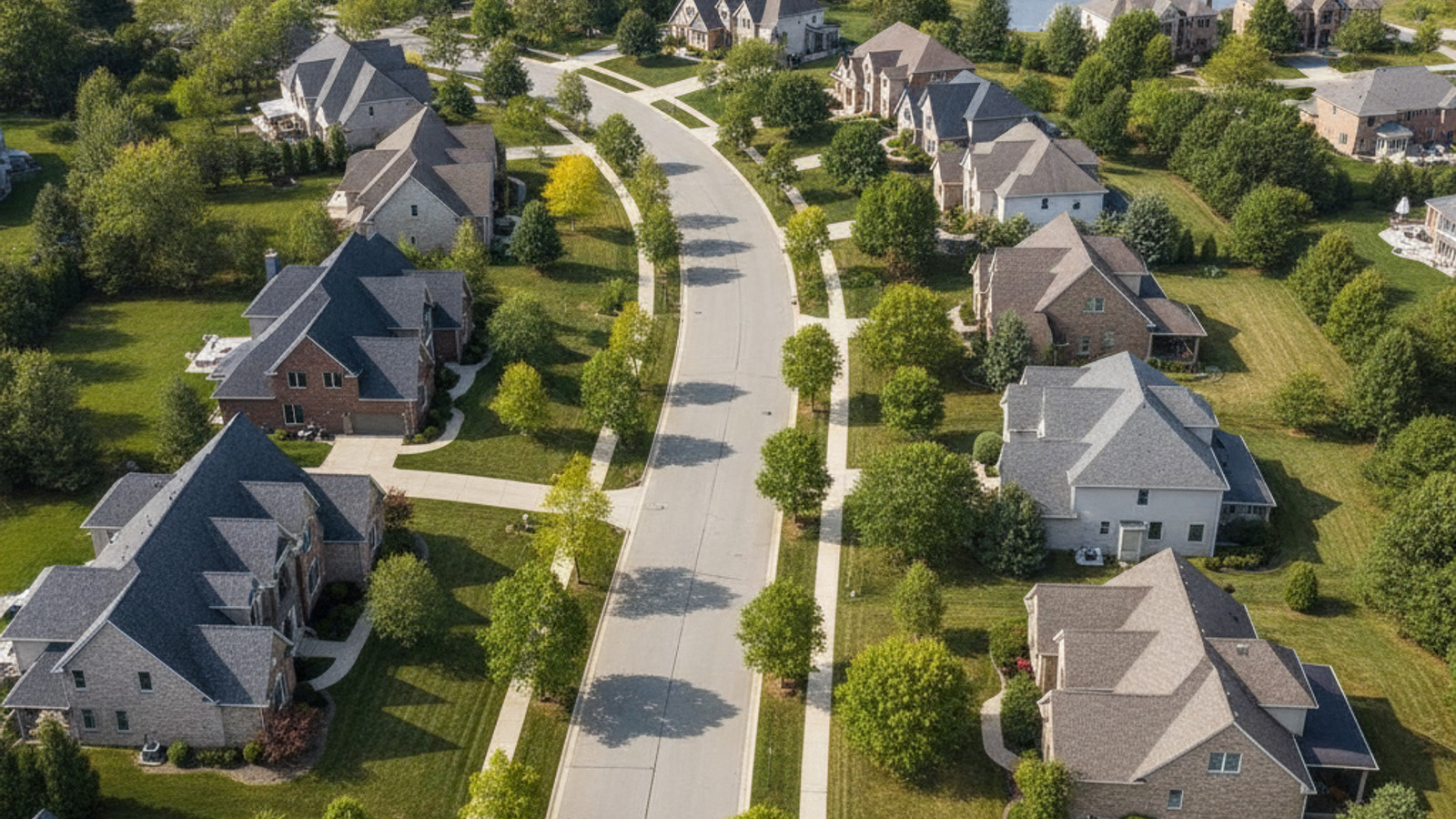
Sellers entering the Oakland County market this year generally see their properties go under contract within 12 to 28 days. The exact timeframe depends on the property type, the asking price, and the condition of the home. Homes that hit the market with professional marketing and competitive pricing consistently move toward the shorter end of that window.
Once a seller accepts an offer, the closing process typically adds another 30 to 45 days before the keys change hands. Buyers and sellers should account for this entire window when planning their move. Preparing the property, managing showings, and moving through the escrow period requires a clear understanding of local market pacing.
Current Timelines for Selling in Rochester Hills
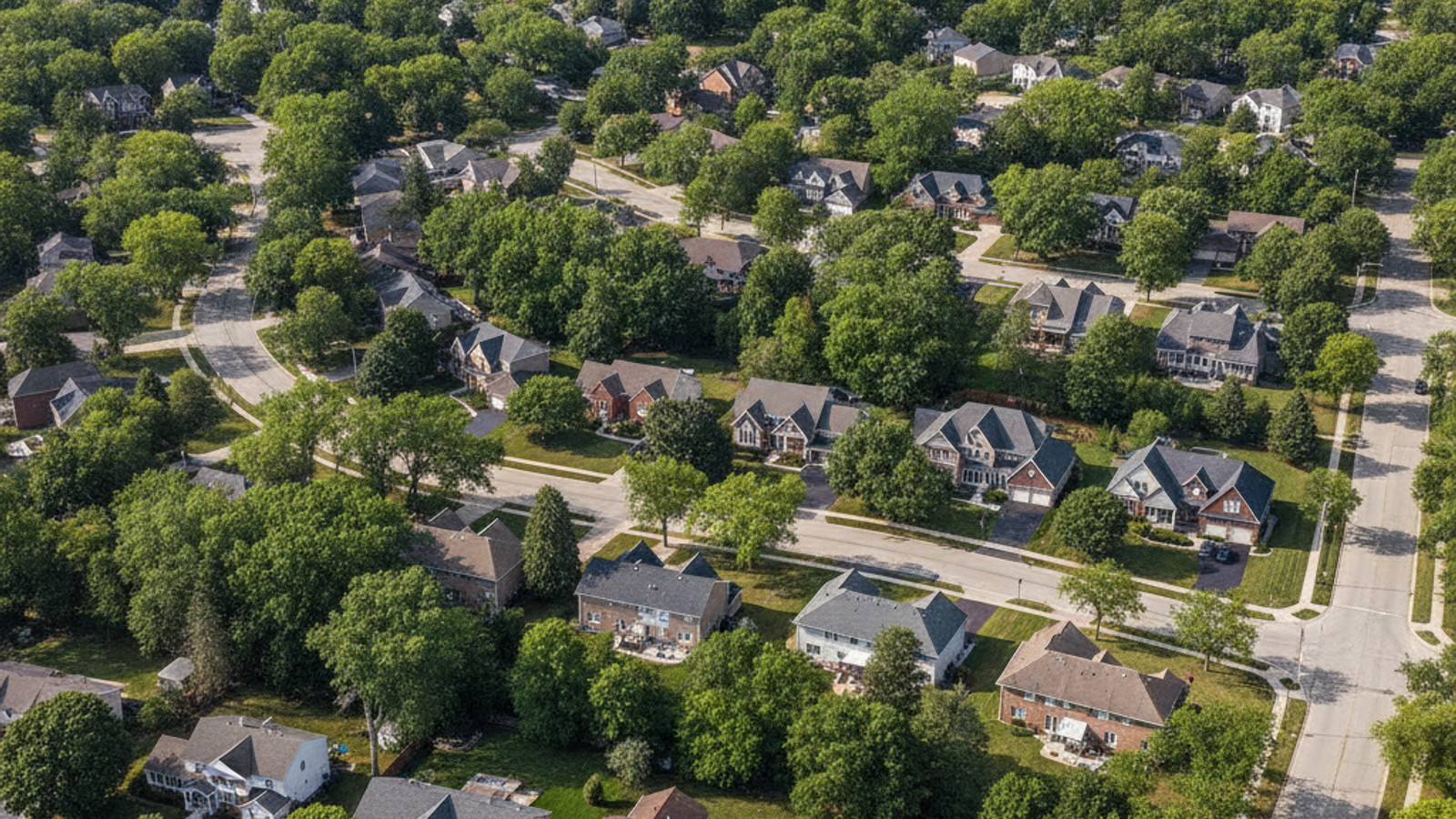
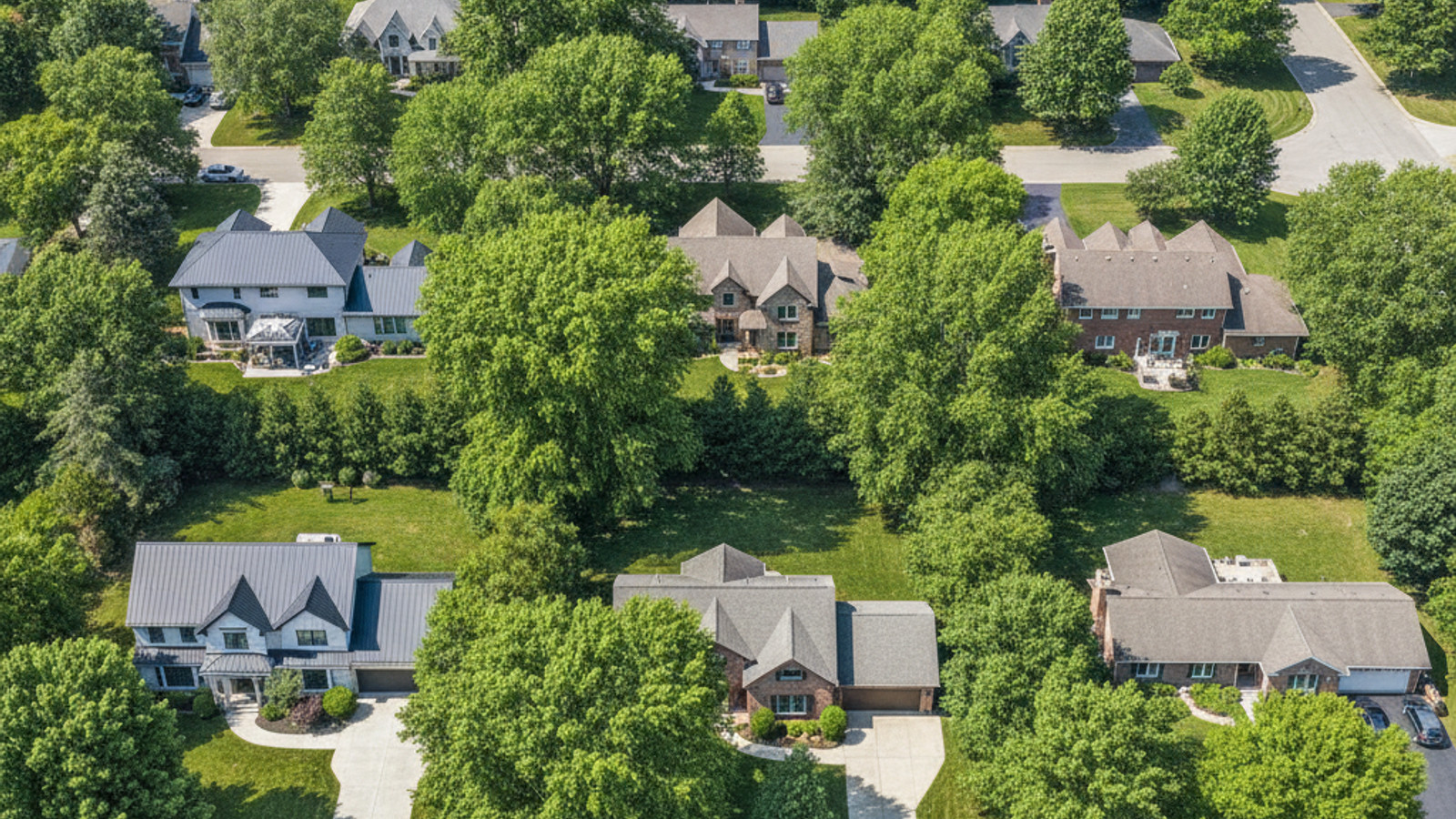
A standard single-family home in Rochester Hills, MI spends roughly two to four weeks on the active market before securing a buyer. Properties priced accurately often see multiple offers after a single weekend of open houses. Homes that require extensive updates or sit at a premium price point tend to stay active closer to the 28-day mark as buyers weigh the cost of future renovations.
Accepting a contract is only the midpoint of the transaction. The subsequent closing period takes 30 to 45 days, depending on the buyer’s mortgage lender and the title company’s schedule. Cash transactions can compress this timeline to just a week or two, but financed offers require time for underwriting and the real estate appraisal.
Sellers who want to minimize their days on market should focus on proper preparation before the listing goes live. Buyers in this area respond quickly to homes that look move-in ready. A well-prepared property limits the chance of a listing stalling and accumulating days on the MLS.
2026 Real Estate Market Data
The median sale price for single-family homes in the area currently sits in the mid-to-high $400,000s. Condominium prices are slightly lower, offering a more accessible entry point for buyers looking to avoid exterior maintenance. Both property types are experiencing strong demand due to a persistent shortage of available listings across Oakland County.
Inventory remains under two months of supply, keeping the area in a distinct seller’s market. A balanced real estate market typically features four to six months of supply. Because available homes are scarce, sellers maintain a strong negotiating position during the initial offer review.
The current list-to-sale ratio is hovering around 98 to 99 percent. This means most sellers are receiving offers very close to their original asking price. Properly priced homes rarely require deep discounts to attract a buyer in the current environment.
When Is the Best Time to Sell in Michigan?
Spring and early summer remain the peak seasons for buyer activity in Michigan. Many buyers start their search in April and May, aiming to close and move before the new school year begins. The warmer weather also makes it easier for buyers to tour neighborhoods and inspect exterior features without dealing with snow accumulation.
The fast-paced spring market contrasts with the slower late winter months. Snow and ice can dampen showing attendance, and shorter days mean fewer daylight hours for evening tours. However, winter listings face fewer competing properties on the MLS, which can work to a seller’s advantage.
Listing in January or February can sometimes attract motivated buyers who need to relocate immediately for work. Sellers who brave the winter market should ensure their heating, ventilation, and air conditioning systems are running efficiently. A warm, well-lit home creates a welcoming environment during cold-weather showings.
What Makes a House Sell Faster in This Area
Location within specific school boundaries or near major amenities drives early interest from buyers. Homes located within the Rochester Community Schools boundaries consistently see high demand from purchasers prioritizing education access. Proximity to the Village of Rochester Hills and outdoor recreation at Bloomer Park also shortens the time a property spends on the market.
Beyond location, specific property conditions dictate how fast a home will sell. Buyers prefer homes that do not require immediate repair work or cosmetic overhauls. Sellers should focus on a few specific updates to speed up the sale:
- Applying fresh, neutral paint to interior walls and trim.
- Servicing or updating the heating, ventilation, and air conditioning systems.
- Spreading fresh exterior mulch to boost curb appeal before photos are taken.
Professional photography is the final component of a fast sale. Listings with high-quality images and bright lighting stand out on Realtor.com and the local MLS. Buyers often decide whether to request a tour based entirely on the initial digital presentation.
How to Price Your Home for a Fast Sale
Overpricing a property is the most common reason a home sits on the market for months. Buyers have access to extensive sales data and quickly recognize when a listing is priced above comparable neighborhood sales. A home that starts too high often requires a price drop, which can signal to buyers that the seller is struggling to find interest.
Sellers should review a comparative market analysis with their real estate agent to find the right asking price. This analysis looks at recently sold homes of similar size, age, and condition. Using local data ensures the listing price aligns with current buyer expectations.
An accurate initial price helps attract more tours during the first weekend the home hits the market. This concentrated buyer activity often leads to multiple offers and a faster timeline. Setting the right pricing strategy from day one is the most effective way to secure a premium sale price.
Your Step-by-Step Selling Timeline
The process of selling a home involves several distinct phases, starting weeks before the listing becomes public. The preparation phase includes decluttering, staging, and completing any minor repair work that might flag on an inspection. Sellers should also focus on their yard and exterior to maximize curb appeal before the photographer arrives.
Once the home is ready, the active listing phase begins. Sellers need to accommodate showings and keep the home clean for prospective buyers on short notice. After reviewing offers with a real estate agent, the seller signs a contract and moves into the escrow period.
- The buyer conducts a formal home inspection to check for hidden defects.
- The mortgage lender orders a real estate appraisal to verify the home’s value.
- The title company finalizes title insurance and prepares the closing documents.
The entire process from hiring an agent to handing over the keys takes about two to three months. Sellers should plan their own housing transition around this standard timeline. Clear communication with the buyer’s agent helps keep the closing date on track.
Frequently Asked Questions
How much do sellers pay in closing costs in Rochester Hills, MI?
Sellers in Oakland County typically pay between 6 and 8 percent of the final sale price in closing costs. This total includes the real estate agent commissions, state and county transfer taxes, and title insurance fees. For a home selling at $450,000, sellers should budget roughly $27,000 to $36,000 for these expenses.
Do I have to pay capital gains tax when selling my house in Michigan?
Most homeowners do not pay capital gains tax on their primary residence due to federal exclusion rules. Single filers can exclude up to $250,000 in profit, and married couples filing jointly can exclude up to $500,000, provided they have lived in the home for two of the past five years. Investment properties and second homes do not qualify for this standard exclusion.