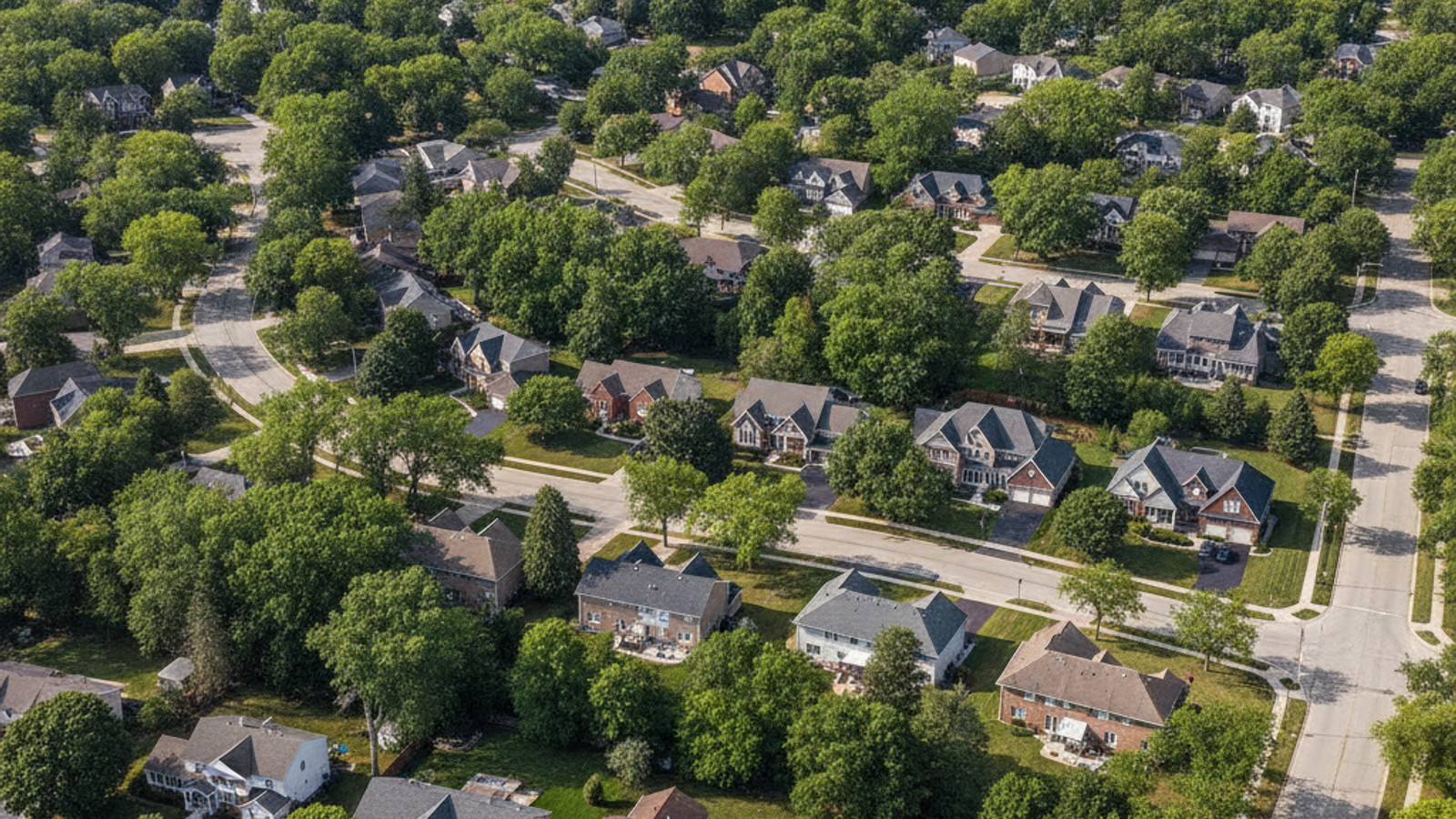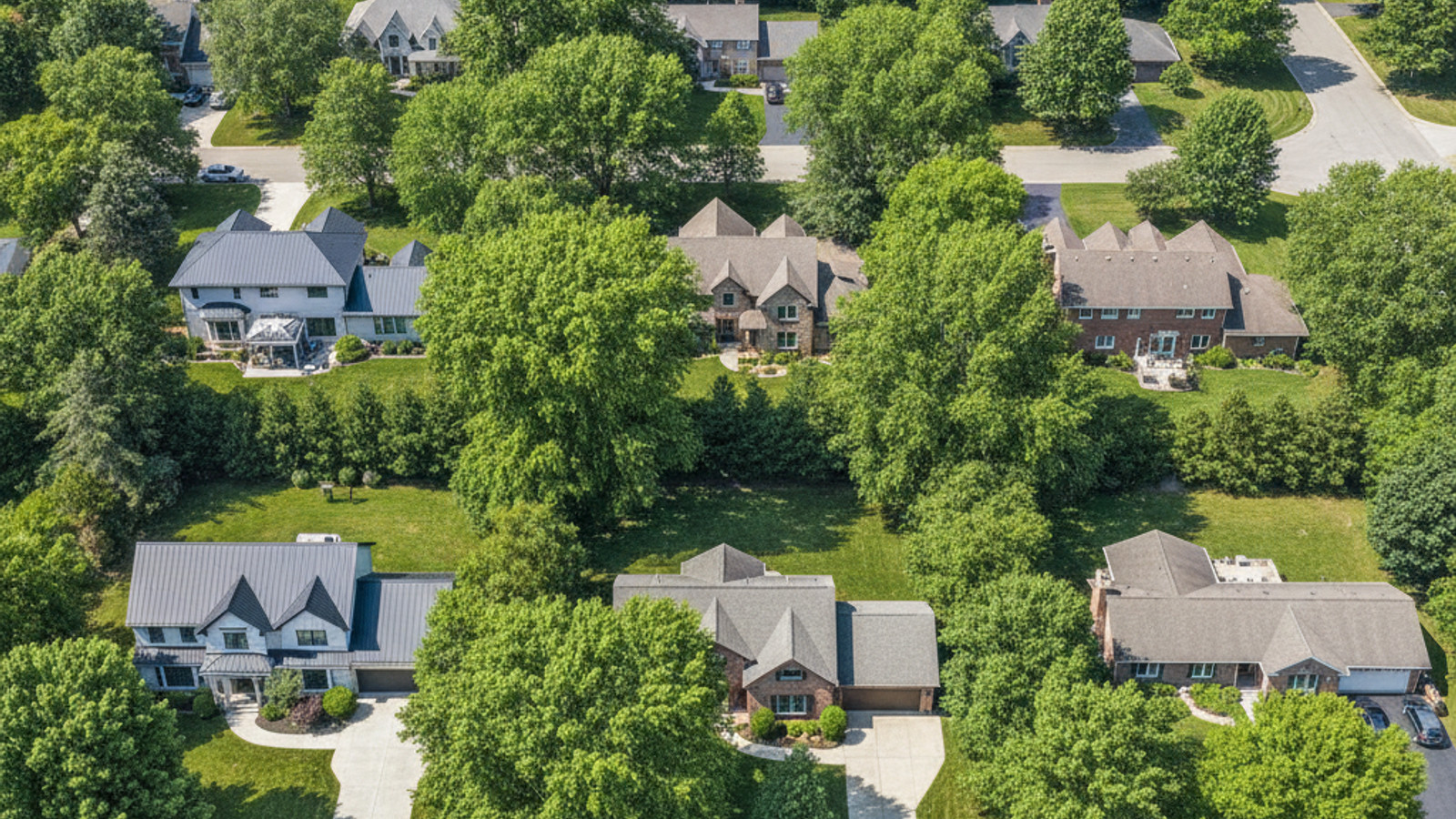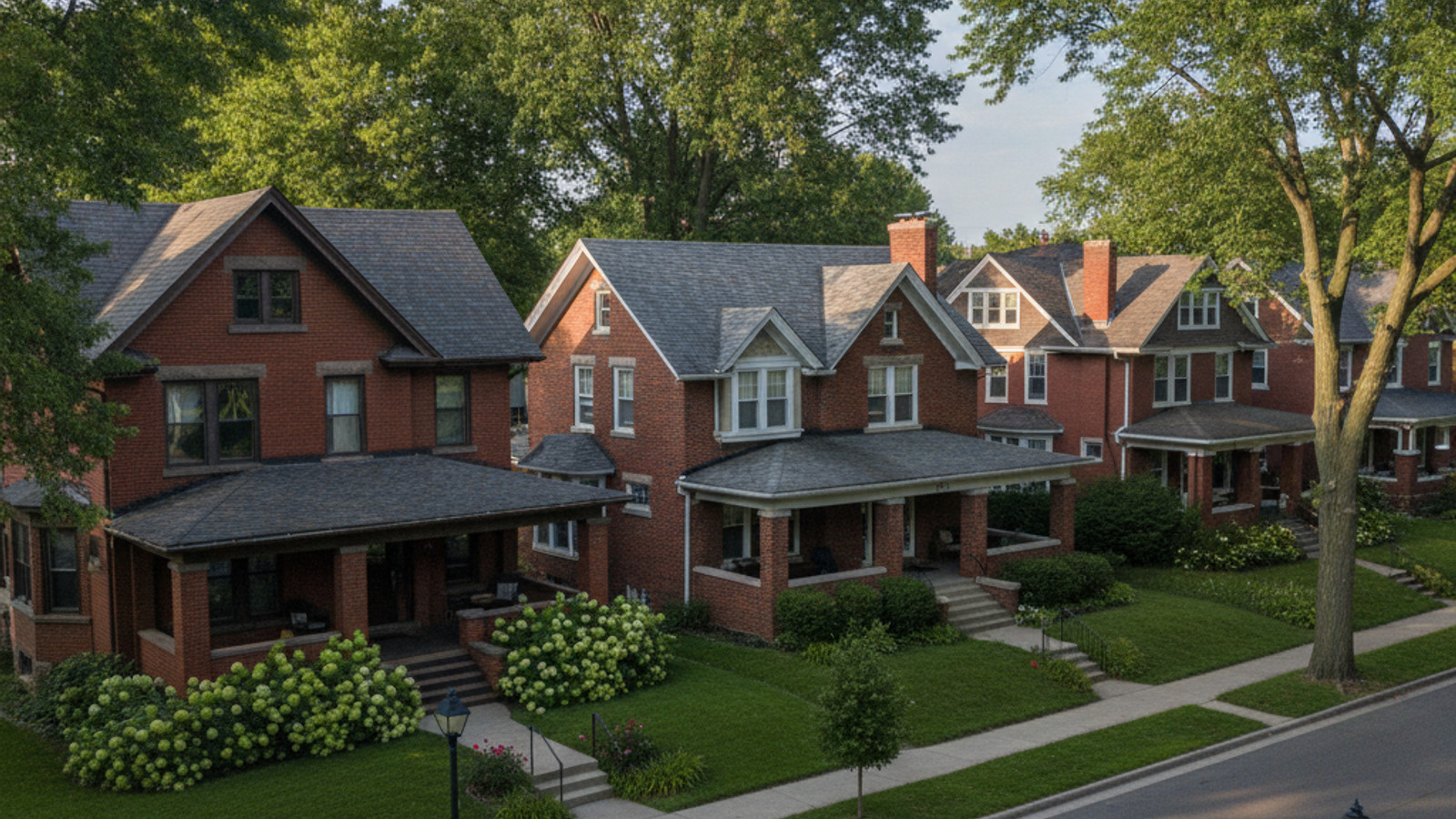
The median home price in Rochester Hills, MI sits around $460,000 this spring. Buyers in this price bracket expect clear documentation about the condition of the property before they hand over earnest money. Local buyers are careful with their investments and want to know exactly what they are purchasing.
Completing a disclosure statement protects both parties from post-sale disputes. A detailed record of the home’s condition prevents buyers from claiming they were blindsided by a leaky roof or a broken furnace after closing.
Michigan Seller Disclosure Act Requirements
State law mandates a standardized written form for residential properties with one to four units. Sellers must deliver this document to the buyer before anyone signs a binding purchase agreement. Missing this step can stall the entire transaction.
The Michigan Seller Disclosure Act requires you to report the known condition of the property in good faith. You are not expected to hire an inspector to find hidden flaws, but you must share what you already know. An honest assessment builds trust with potential buyers from the start.
This legal requirement applies to almost all standard residential sales under MCL 565.951 through 565.966. Providing this paperwork early in the process keeps the transaction moving and helps buyers secure their financing without delays.
What You Need to Disclose to Buyers
The standard form asks for specific details about the property’s condition and legal status. Completing this document requires gathering records on recent repairs and ongoing maintenance. Sellers must provide accurate information across several major categories:
- Structural integrity: You will need to note the age and condition of the roof, basement, and foundation.
- Environmental hazards: You must disclose known issues with radon, asbestos, and soil contamination, while federal law requires a lead-based paint form for homes built before 1978.
- Legal and financial encumbrances: Sellers must list pending litigation, outstanding utility assessments, and any property tax liens attached to the home.
- Water systems: The form asks whether the property connects to city water or relies on a private well and septic system, along with any history of water damage.
Filling out these sections completely prevents confusion during the buyer’s inspection period. Buyers appreciate clear details about past water damage or recent roof replacements before they schedule their own contractors.
Pricing and Property Types in Rochester Hills, MI
Homes near the Clinton River Trail or within the Rochester Community Schools boundaries often attract multiple offers. Commute times to Detroit average 40 to 50 minutes via I-75 or M-59, making the area a popular choice for buyers working in major Metro Detroit employment hubs.
The type of property you own changes how you handle disclosures. Selling a single-family home requires detailing the entire structure and lot. A townhouse sale, by contrast, involves noting shared walls and mandatory HOA fees.
Buyers paying current market prices expect thorough paperwork during their due diligence period. A missing or incomplete disclosure form can stall a sale, even if the property is priced correctly for the neighborhood. Buyers want assurance that they are making a sound financial decision.
When You Can Skip the Disclosure Form
Certain property transfers are exempt from standard disclosure rules. Court-ordered transfers, including foreclosures and probate sales, do not require the standard Michigan form.
Transfers between family members or spouses resulting from a divorce decree are also exempt. In these specific legal situations, the state assumes the receiving party accepts the property without a formal condition report. No standard paperwork is required to finalize these internal transfers.
Real estate investors and house flippers do not share this exemption. Even if an investor never lived in the property, they must complete the disclosure statement to the best of their knowledge before selling it to a new buyer.
The Risks of Withholding Property Information
Failing to provide the disclosure form gives the buyer the legal right to walk away and cancel the sale. This applies right up until the closing table if the document is never delivered.
Intentionally hiding known defects exposes sellers to future lawsuits for fraud or misrepresentation. If a buyer discovers a patched foundation crack that was left off the form, they can sue for the cost of repairs. Courts often side with buyers when evidence shows a seller knowingly concealed a major problem.
Checking “unknown” on the document is acceptable if you genuinely do not have the answer. Sellers should work with a local real estate agent or attorney to ensure the form accurately reflects their knowledge of the property. Professional guidance helps avoid accidental omissions that could complicate the closing.
Frequently Asked Questions
Do I need a point-of-sale inspection to sell my house in Rochester Hills, MI?
Rochester Hills, MI does not have a general municipal point-of-sale inspection requirement. However, Oakland County regulates well and septic evaluations, so properties with private systems will need county approval before transferring ownership.
Can I skip the seller’s disclosure if I am selling a home “as-is”?
Selling a home “as-is” means you will not make repairs, but it does not waive the disclosure requirement. You must still fill out the form and list any known defects so the buyer understands what they are taking on.
Does the disclosure form replace a home inspection?
The seller’s statement only covers issues the current owner knows about. Buyers should still hire a licensed professional to inspect the roof, HVAC, and foundation for hidden problems that the seller never noticed.