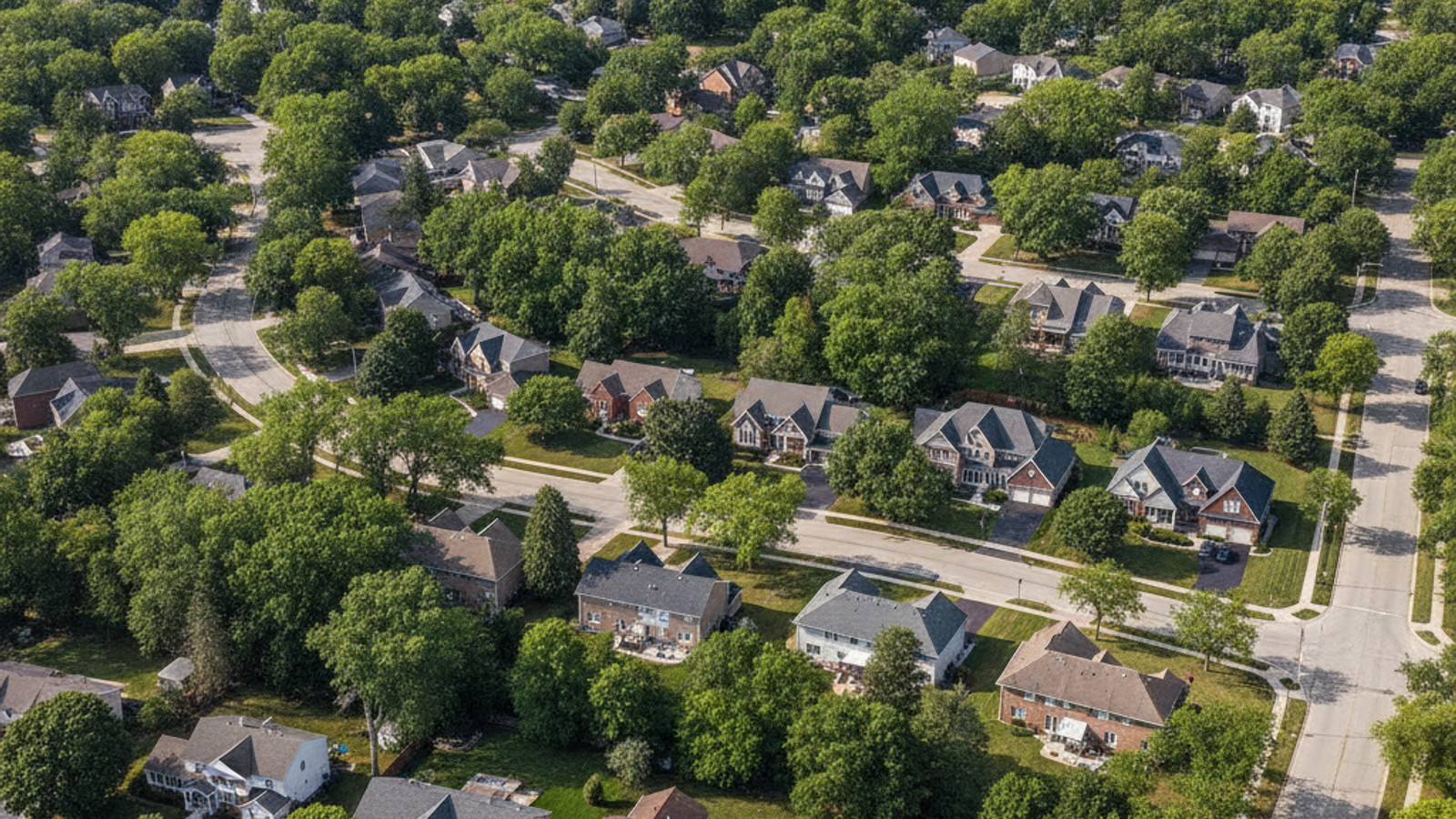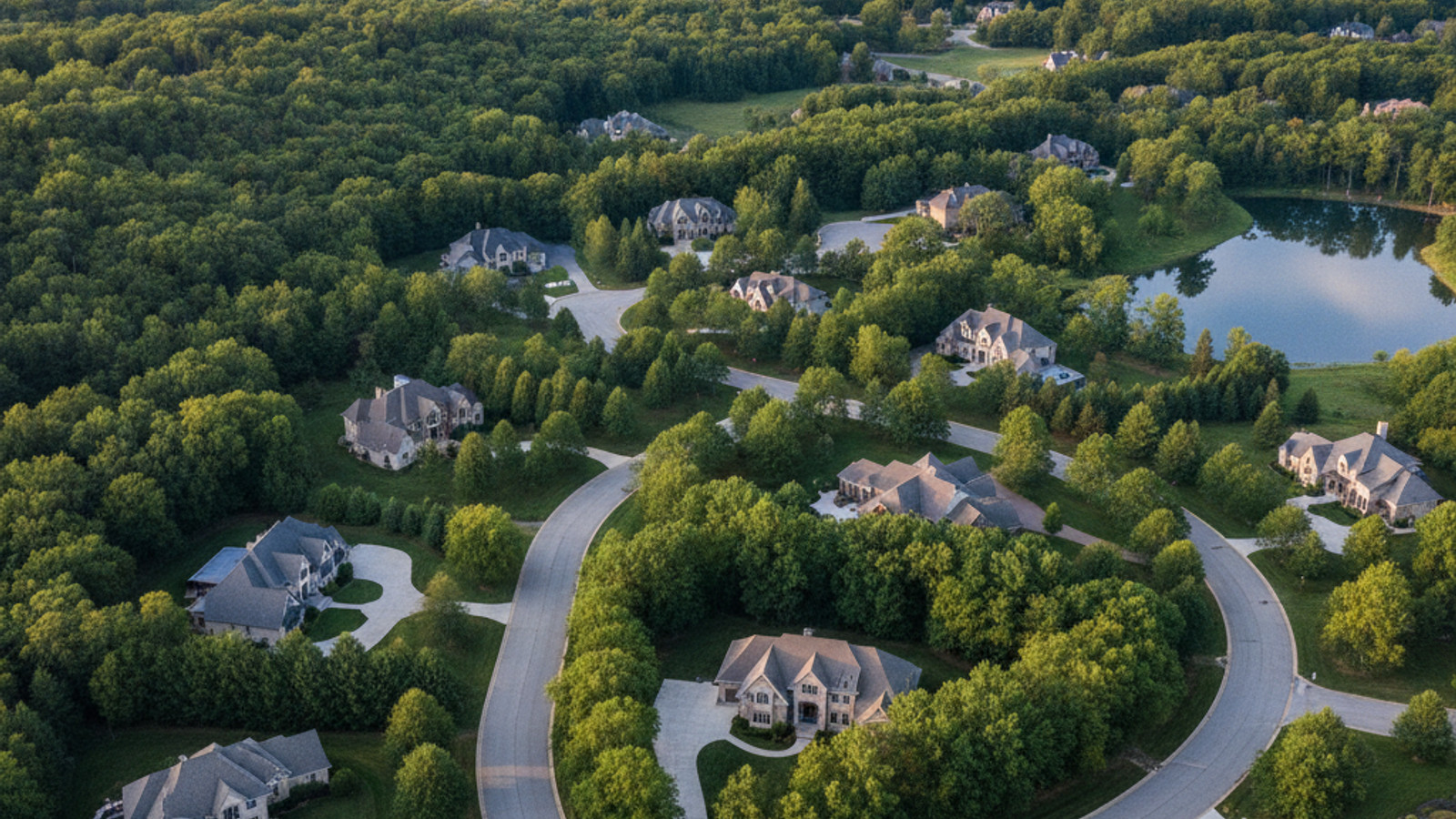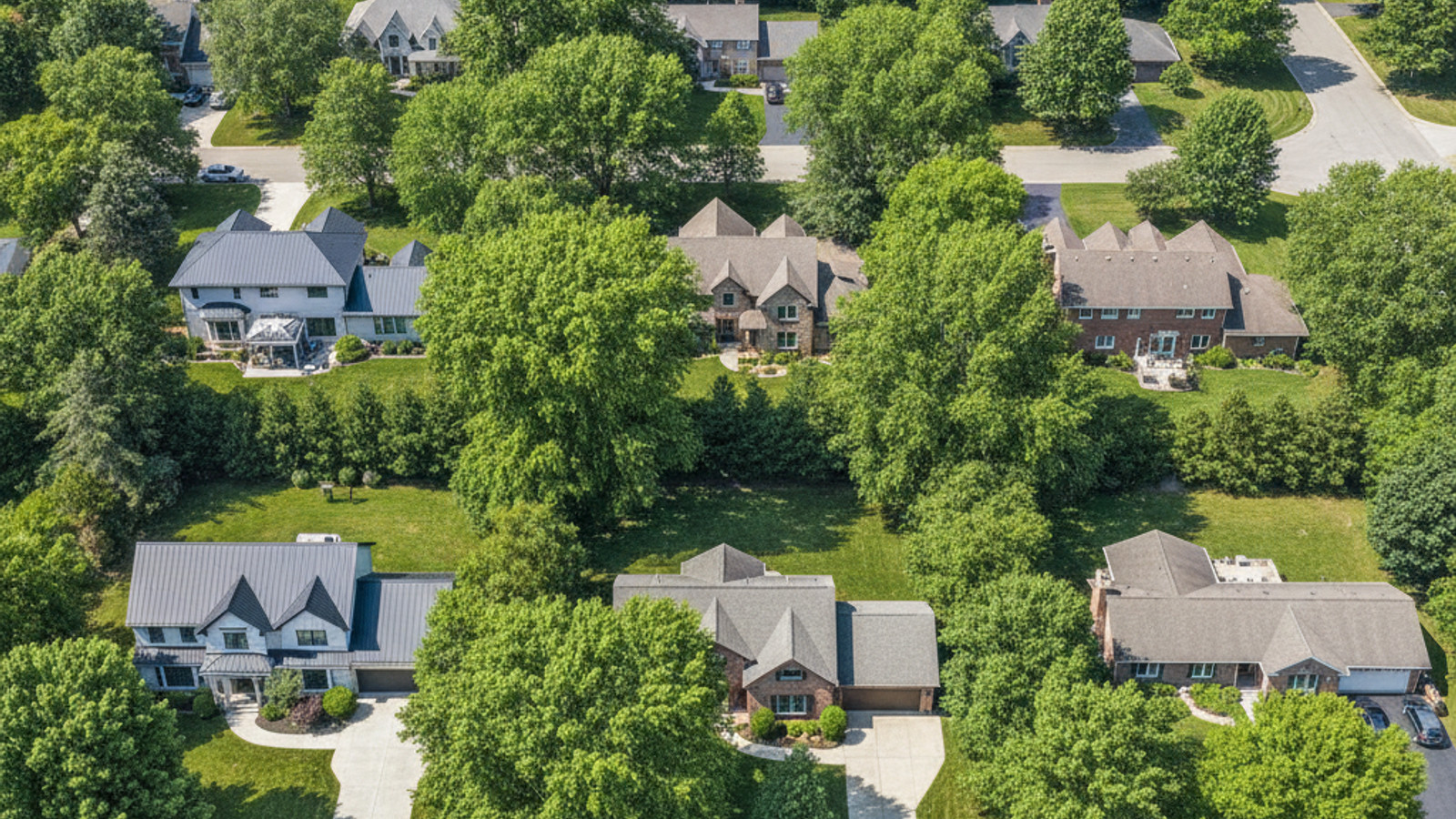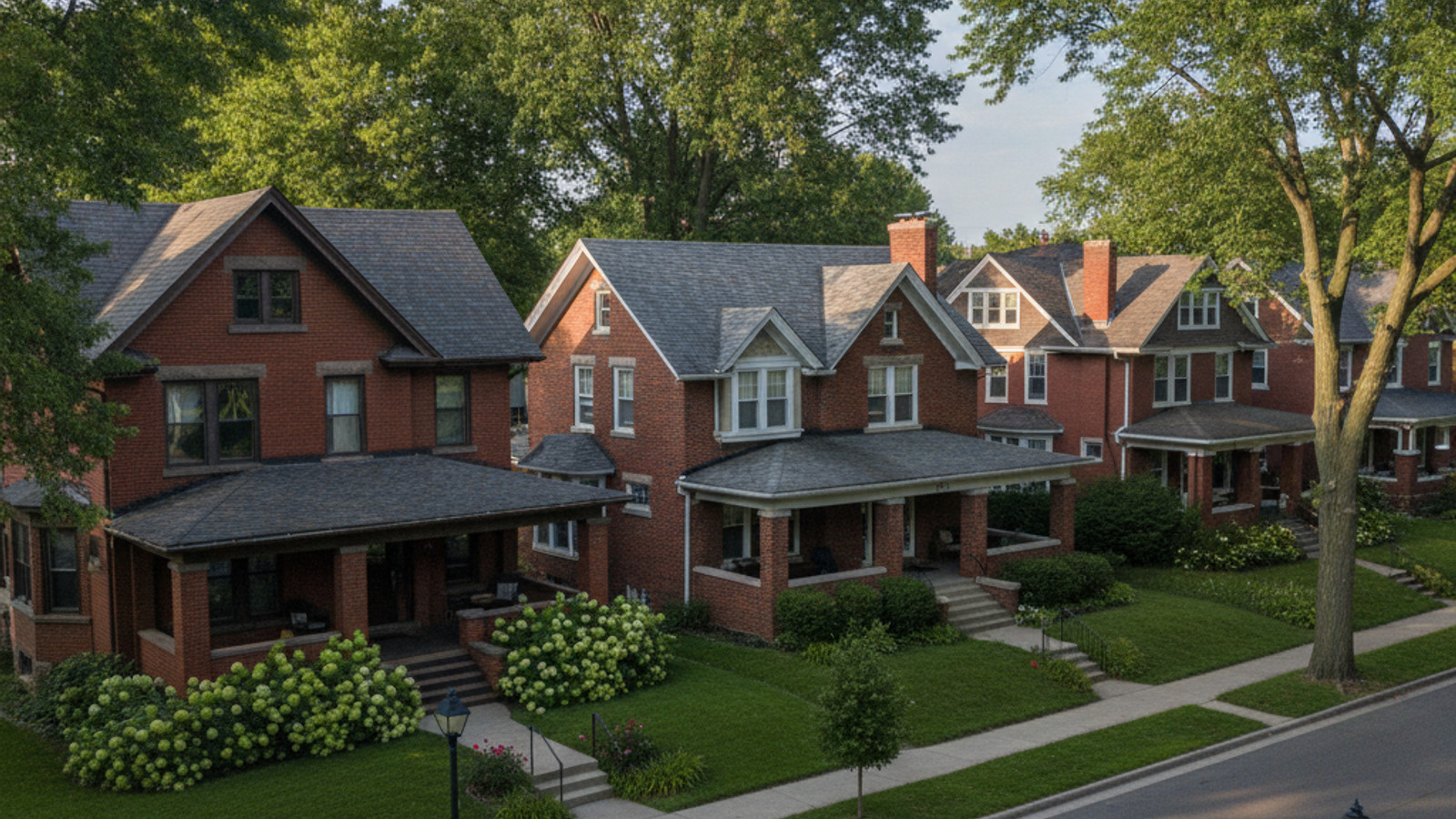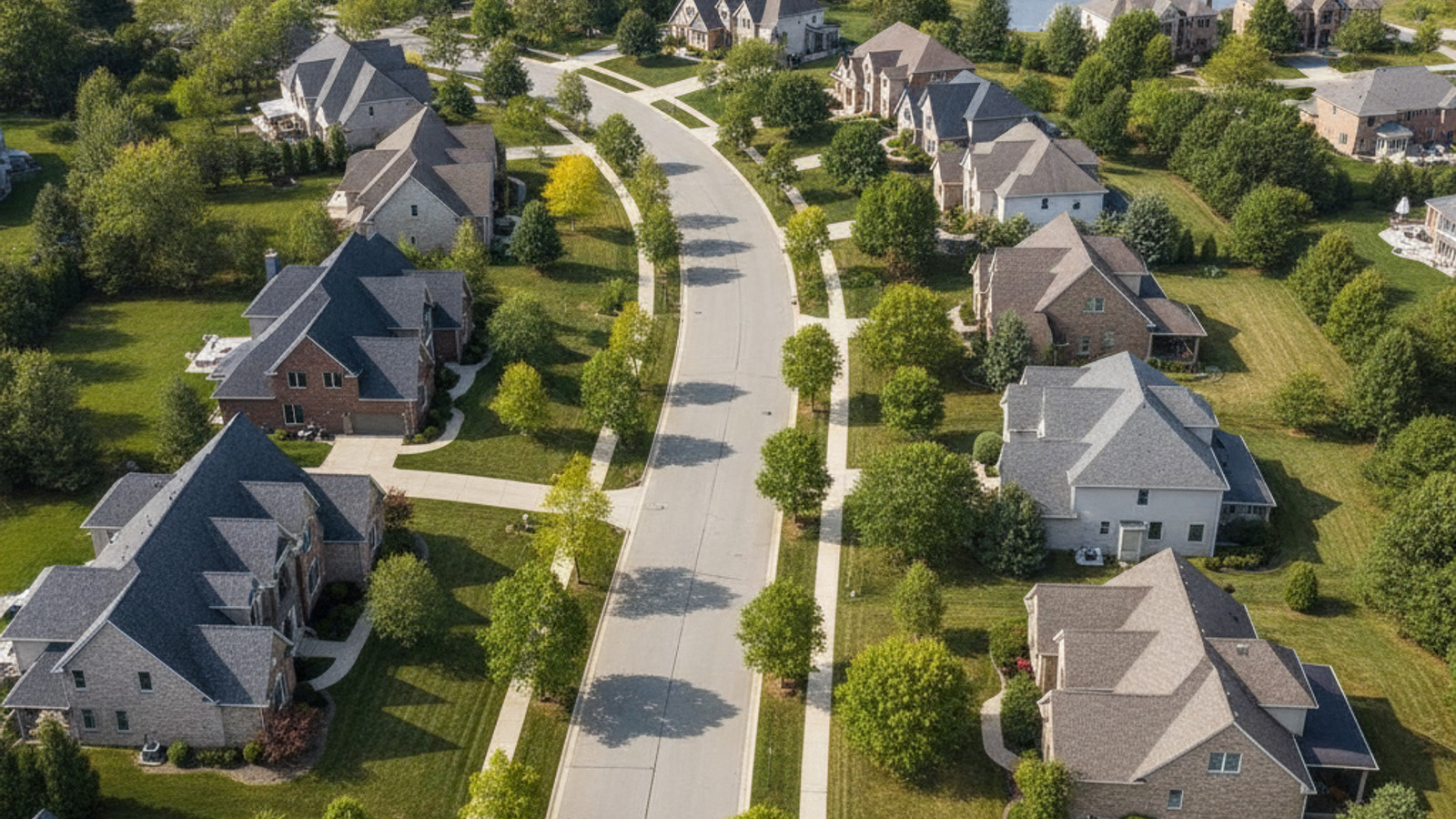
The median home sale price in Rochester Hills, MI sits around $460,000 right now. While that number looks great on a listing agreement, the gross sale price is never the amount that lands in a homeowner’s bank account after a transaction.
Home sellers are responsible for a specific set of fees, taxes, and service charges required to transfer ownership. Knowing exactly what these expenses entail helps you estimate your final net proceeds accurately before accepting an offer.
Standard Fees When Selling Your Home in Oakland County
Real estate agent commissions make up the largest portion of the expenses deducted from a home’s final sale price. These fees typically range from 5 to 6 percent of the total transaction amount. Sellers generally pay the commission for both the listing agent and the buyer’s agent out of the sale proceeds.
Beyond commissions, homeowners cover several administrative and legal charges required to finalize a real estate transaction. You will see a deed recording fee on your closing disclosure, which Oakland County usually sets around $30. Escrow fees, wire transfer charges, and document preparation fees also appear on the seller’s side of the ledger.
These administrative costs usually amount to a steady percentage of the home’s final sale price. Sellers should review a preliminary net sheet with their real estate agent early in the listing process to budget for these baseline expenses.
State and Local Transfer Taxes Explained
Michigan state law requires sellers to pay a real estate transfer tax whenever a property changes hands. The state levies a tax of $7.50 per $1,000 of the final sale price. This fee goes directly to the state government to process the transfer of the deed.
Oakland County adds its own transfer tax on top of the state requirement. The local county rate is $1.10 per $1,000 of the sale price. Sellers are legally responsible for paying both of these taxes at the closing table.
When you add the state and county rates together, the combined transfer tax equals 0.86 percent of the home’s gross sale price. These taxes are a standard legal requirement, and title companies automatically deduct them from your proceeds before issuing your final wire.
Running the Numbers on a $460,000 Sale
A practical example helps clarify how these taxes impact your bottom line. If your house sells for the local median price of $460,000, you apply the 0.86 percent combined tax rate to that figure.
The total transfer tax on a $460,000 sale comes out to $3,956. The State of Michigan takes $3,450 of that total, while Oakland County collects the remaining $506.
How Summer and Winter Property Taxes Are Prorated
The City of Rochester Hills issues property tax bills twice a year, splitting the annual obligation into summer and winter cycles. Summer tax bills go out on July 1 and cover the period from July 1 through June 30 of the following year. Winter tax bills are mailed on December 1.
The exact date you close on your house determines who owes what portion of these tax bills. Property taxes are prorated at closing, meaning the seller pays only for the days they owned the home during the billing cycle. If you already paid the summer bill in full but sell the home in October, the buyer owes you for the remainder of that billing period.
These prorations show up as either credits or debits on your closing disclosure. A skilled title agent calculates the exact daily breakdown to ensure the property tax burden is split fairly between the buyer and the seller.
Handling the Title Insurance Policy
In Michigan real estate transactions, the seller traditionally covers the cost of the owner’s title insurance policy. This policy protects the new buyer against any past defects, liens, or legal claims against the property’s deed. Providing this insurance is a standard local custom that gives the buyer confidence in a clear transfer of ownership.
The buyer is responsible for purchasing a separate lender’s title insurance policy if they are financing the home with a mortgage. The cost of the owner’s policy scales with the final purchase price of the home.
For a median-priced home in Rochester Hills, MI selling for $460,000, the owner’s title insurance premium generally falls between $1,500 and $2,500. This is a one-time fee paid at closing rather than an ongoing annual premium.
Calculating Your Final Net Proceeds
Subtracting your outstanding mortgage balance from the gross sale price is just the first step in determining your final payout. Sellers also need to account for any seller concessions negotiated during the inspection or appraisal periods. These concessions appear on the closing disclosure as a direct deduction from the seller’s side of the ledger.
It is smart to review a detailed seller net sheet with your real estate agent before listing the property. This document estimates all the closing costs, transfer taxes, and fee prorations we have discussed.
Keep in mind that preparing the home for the market also impacts your overall profit. Pre-listing repairs, staging costs, and professional cleaning services reduce the cash you take away from the transaction, even if they do not appear on the official closing documents.
Frequently Asked Questions
Are seller closing costs negotiable in Michigan?
Some closing costs are flexible, while others are fixed by law. Real estate agent commissions can be negotiated between the seller and the broker before signing a listing agreement. Transfer taxes and county recording fees are legal requirements that cannot be changed.
Do sellers get a property tax credit at closing in Rochester Hills?
Sellers receive a credit if they have already paid property taxes for a time period extending past the closing date. The title company calculates a daily rate based on the Rochester Hills summer and winter billing cycles. The buyer reimburses the seller for the days they will own the home during that prepaid cycle.
How much are closing costs on a $460,000 house in Michigan?
A seller paying a 6 percent commission on a $460,000 sale will owe $27,600 in agent fees alone. Adding the $3,956 in transfer taxes and an estimated $2,000 for title insurance brings the baseline costs to around $33,556. Prorated property taxes and minor administrative fees will adjust that final total slightly.