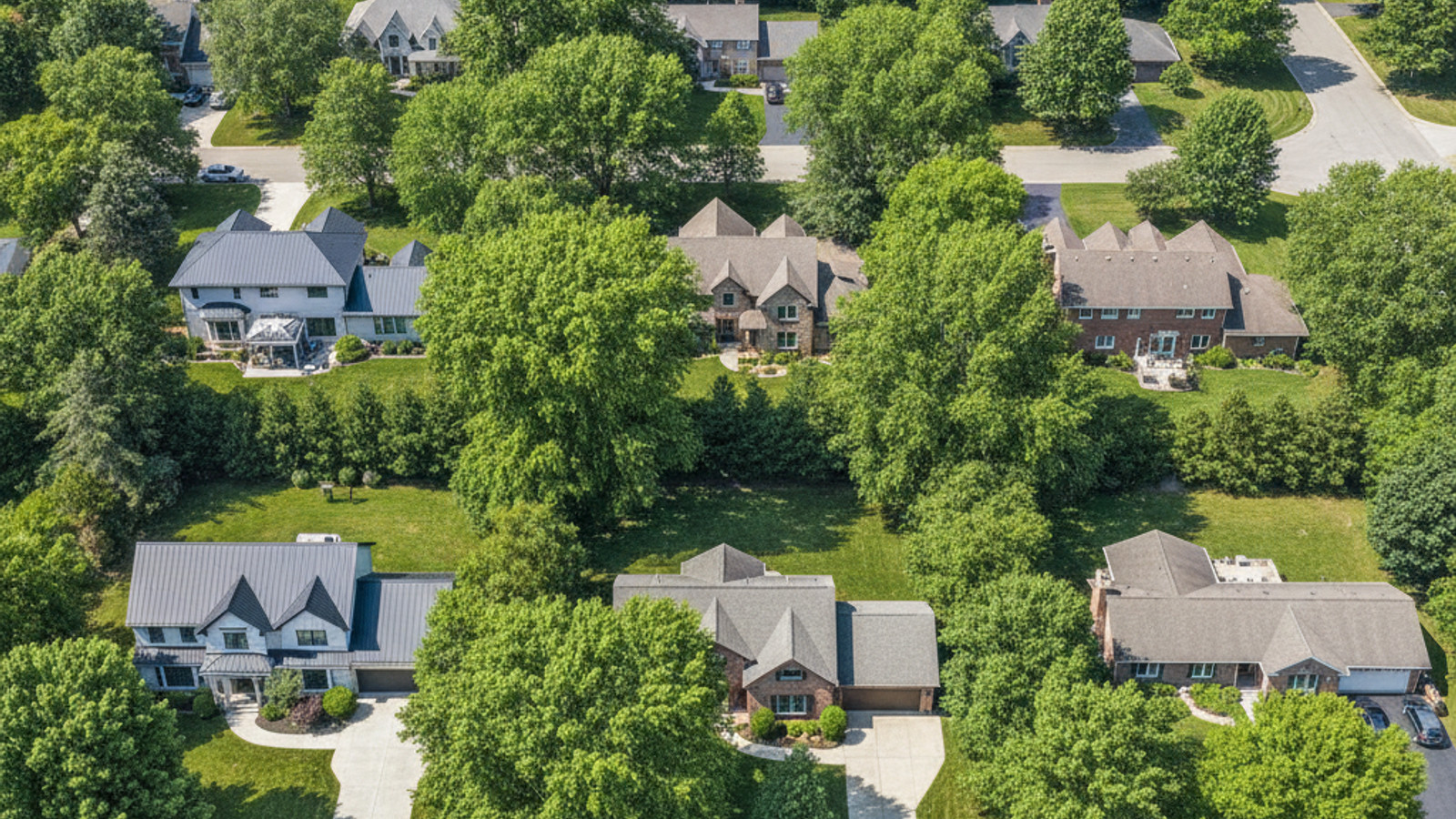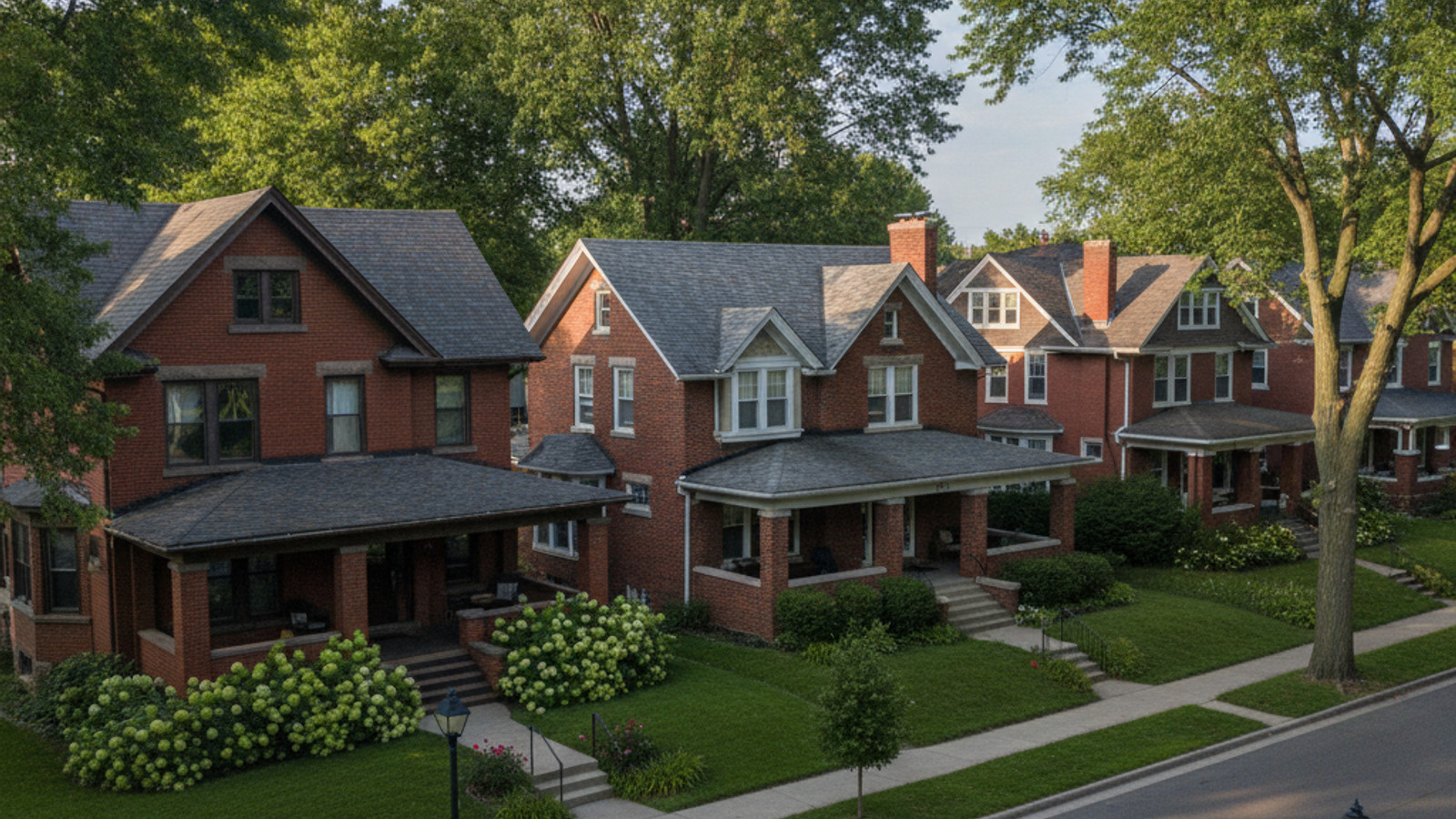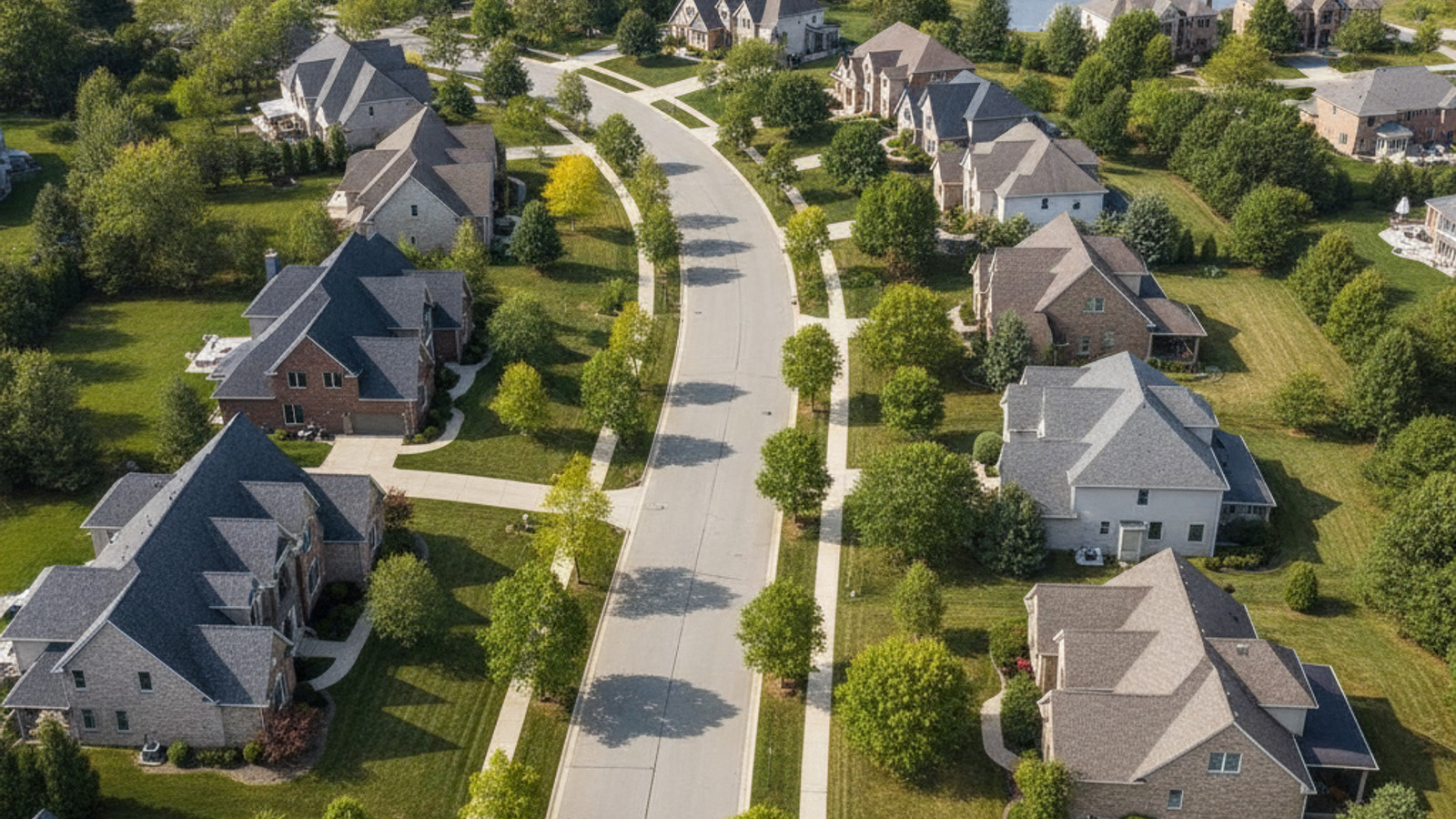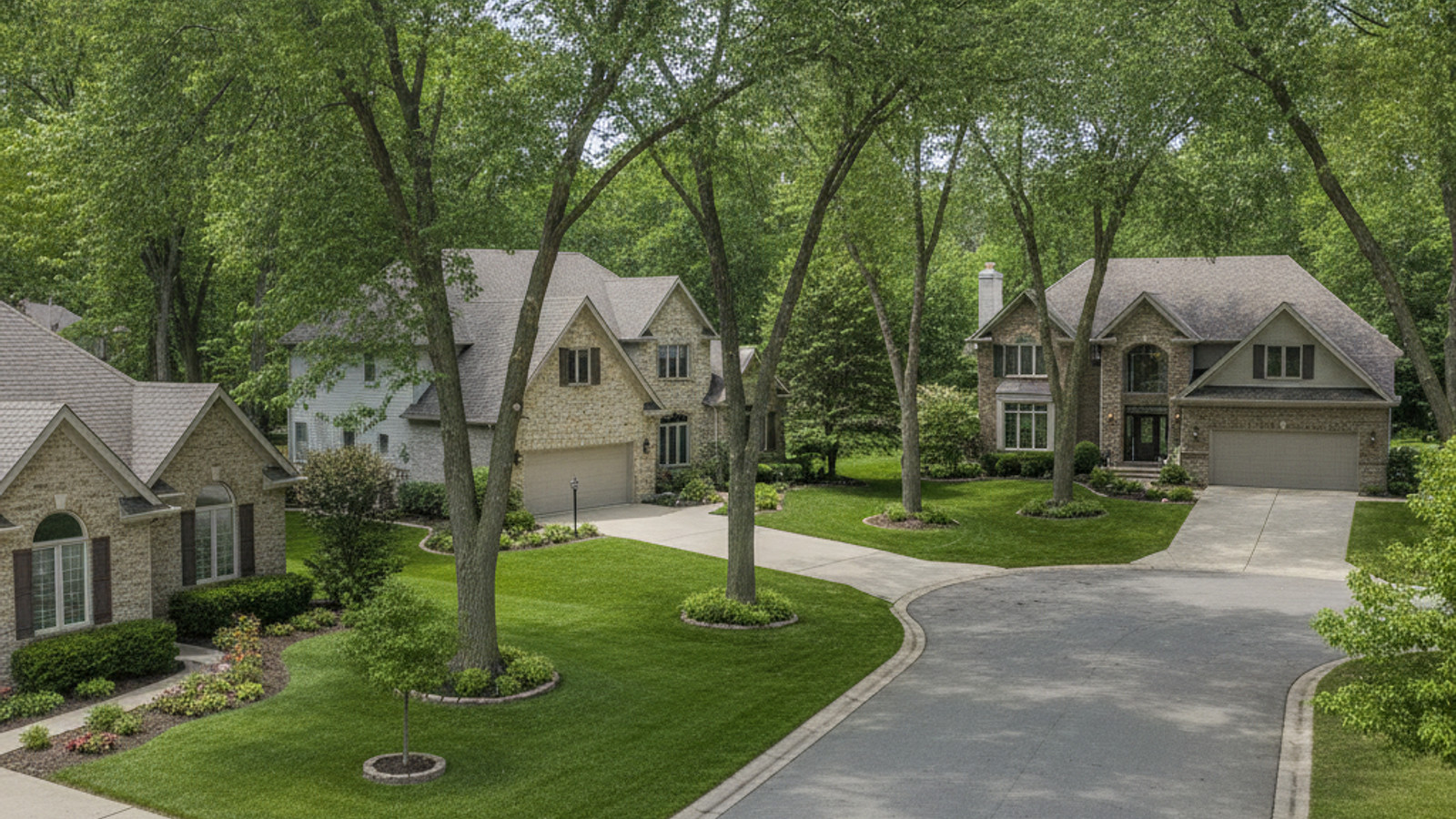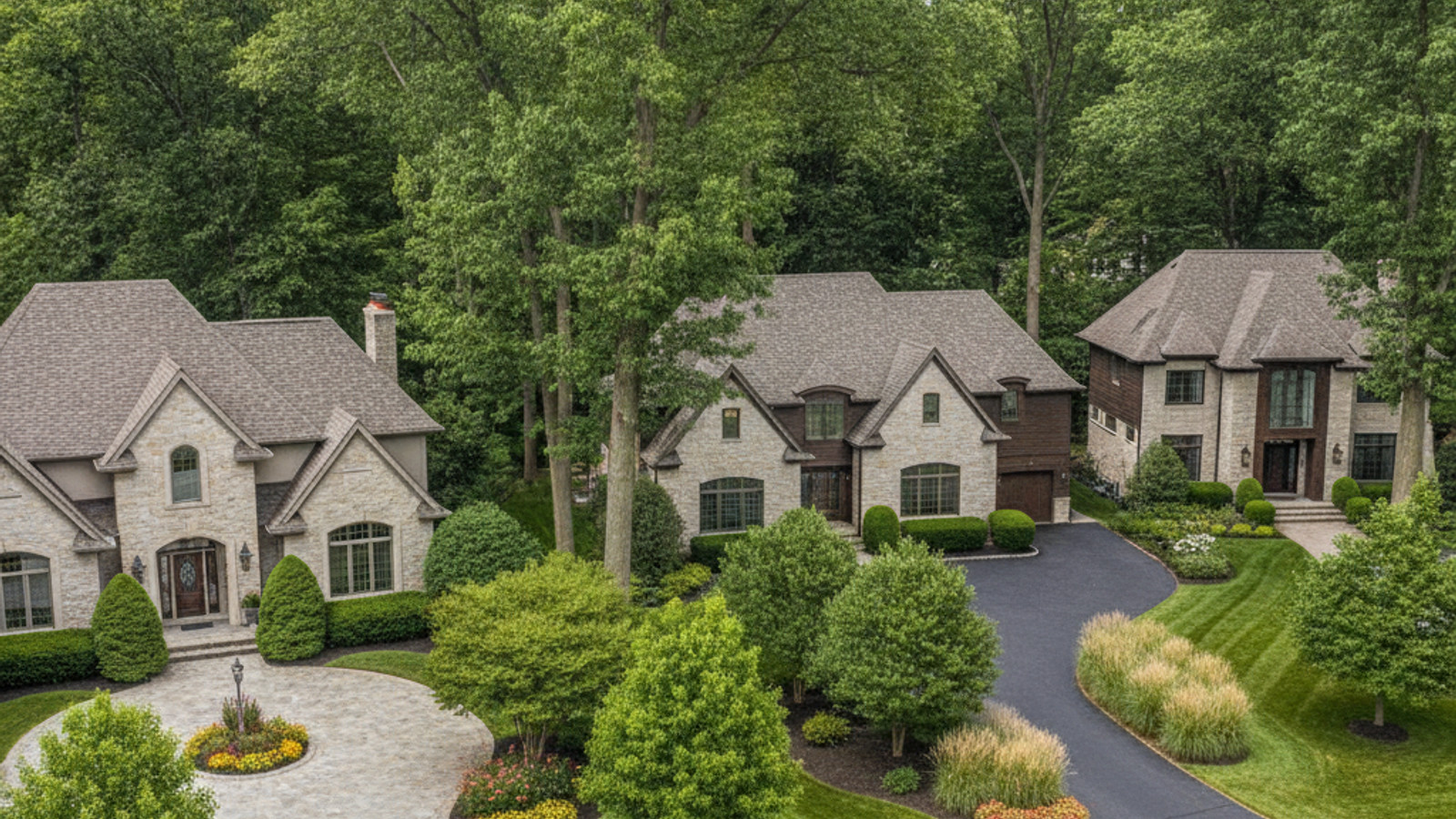
Constructing a custom residence in southeast Michigan requires careful planning, especially in highly sought-after areas. Buyers looking to build a new construction property often focus on Oakland Township for its blend of open space and proximity to major suburban hubs. The local landscape offers a mix of established luxury subdivisions and raw acreage ready for development.
Navigating this process involves understanding local zoning laws, estimating construction costs, and securing the right parcels of land. Taking a project from an empty lot to a finished house demands a realistic grasp of the current market constraints. This guide will walk you through the essential steps to successfully complete a building project in this part of Oakland County.
Understanding the nuances of southeast Michigan real estate ensures you avoid common construction pitfalls. A successful custom build requires assembling a reliable team of architects, contractors, and local officials. By planning ahead, you can transform a vacant parcel into a permanent residence.
Navigating the Oakland Township Custom Home Market in 2026
The local real estate landscape heavily favors luxury and semi-custom builds right now. Demand for larger acreage lots remains strong, driving a fast-moving market for the best parcels. Most buyers find that building a custom home here is a significant financial commitment rather than a budget-friendly alternative to buying existing inventory.
Current data shows that typical custom home values in the township generally range from $650,000 to well over $1,500,000. These figures reflect both the rising cost of high-end materials and the premium placed on local land. Buyers must enter the market with a solid financing strategy to account for these premium price points.
You will find two main avenues for new construction: securing a lot within a partially developed subdivision or purchasing raw, unrestricted land. Subdivisions often come with builder tie-ins, meaning you must use the developer’s approved construction company. Raw land provides total freedom in choosing your home builders, though it requires much more legwork regarding utilities and site preparation.
Market momentum from last year has carried over, keeping inventory for premium lots exceptionally tight. Buyers must be prepared to act quickly when an excellent piece of property hits the MLS. Working with an agent who actively monitors off-market land opportunities provides a distinct advantage.
Finding and Pricing Available Land
Securing the right parcel is the most critical first step in your building journey. Lot prices in Oakland Township currently range from $250,000 to $500,000 or more, depending heavily on the total acreage and topography. Wooded lots or parcels backing up to protected nature reserves command the highest premiums on the market.
Utility access drastically alters the true cost of any piece of land. Buyers must verify whether a lot connects to municipal water and sewer lines or if it requires a private well and septic system. Installing a new well and engineered septic field can add tens of thousands of dollars to your initial site preparation budget.
A cheaper piece of raw land often ends up costing more overall once you factor in clearing, grading, and utility installation. Working with a real estate agent who understands land acquisition is essential to avoid purchasing an unbuildable parcel. Always make your land offers contingent on a satisfactory soil test and site evaluation.
The physical characteristics of the land also dictate your site preparation expenses. Parcels with steep grades may require expensive retaining walls and extensive soil balancing before pouring a foundation. Flat, cleared lots generally offer the most straightforward and cost-effective path to breaking ground.
Factoring in Local Infrastructure and Location
Location dictates both daily convenience and long-term property value. Commute times remain a major consideration, with most residents expecting a 20 to 30 minute drive to employment centers in Troy. Reaching downtown Detroit typically takes 45 to 60 minutes depending on traffic patterns along Interstate 75.
Access to local amenities also drives land selection. Properties situated within the Rochester Community Schools district boundaries consistently hold strong resale value. Additionally, lots located near the Paint Creek Trail offer immediate access to miles of outdoor recreation.
Access to high-speed internet and reliable cellular service is another crucial infrastructure consideration. Some of the more rural acreage lots in the township still face connectivity challenges. Verifying broadband availability during your due diligence period prevents frustrating technological limitations after move-in.
Understanding Building Permits and Zoning Regulations
Clearing the regulatory hurdles is a mandatory phase before any dirt gets moved. The Oakland Township Building Department serves as the primary authority for all new construction projects within the municipal limits. They enforce strict zoning ordinances that dictate everything from property setbacks to maximum lot coverage percentages.
Environmental regulations also play a massive role in where and how you can build on your lot. The township enforces stringent tree preservation rules and mandatory setbacks from protected wetlands. Navigating these rules properly requires the following sequence of regulatory approvals:
- Initial site plan review and approval by the township planning commission.
- Issuance of the primary building permit to authorize structural construction.
- Securing specialized permits for electrical, mechanical, and plumbing systems.
- Final environmental sign-offs confirming compliance with wetland and tree ordinances.
Failing to secure the proper environmental clearances can halt your building project indefinitely. Always budget extra time into your schedule for the municipal review process, as permit approvals frequently take several months.
Scheduling municipal inspections at the correct intervals keeps your project moving forward without legal interruptions. The local building inspector must sign off on the foundation, rough framing, and final mechanicals before you can proceed. A missed inspection often requires tearing out finished work to expose the underlying structural elements.
Estimating Your Custom Construction Costs
Building a custom house involves complex financial planning beyond the initial land purchase. Construction materials and specialized labor expenses in Oakland County have stabilized this year, but they remain at premium levels. The architectural style you choose directly impacts your final price per square foot.
A sprawling ranch with a complex roofline will generally cost more to build than a traditional two-story colonial of the same square footage. High-end finishes, custom cabinetry, and smart home technology further elevate the baseline construction costs. Buyers should maintain a contingency fund of at least ten percent to cover inevitable overages and material upgrades.
Holding costs during the construction phase also require careful budgeting. You will be responsible for property taxes on the land, with local millage rates typically sitting between 30 and 34 mills. If you are building within a planned community, expect annual HOA fees ranging from $500 to $1,200, which are often payable even before the house is finished.
Upgrades to exterior elevations also drive up the final price tag considerably. Brick and natural stone facades require specialized masonry labor, which adds significant expense compared to standard vinyl siding. Balancing your desired aesthetic with your total budget requires constant communication with your general contractor.
Selecting Top Custom Home Builders in Oakland County
Assembling the right professional team dictates the success or failure of your new home. Hiring builders who are deeply familiar with Oakland Township’s specific building codes prevents costly delays during the inspection process. An experienced local crew knows exactly what the municipal inspectors expect to see at every phase of construction.
Buyers must choose between a design-build firm or hiring an independent architect. A design-build company handles both the blueprints and the construction, offering a streamlined process with a single point of contact. Conversely, hiring an independent architect allows for maximum creative control before you bid the floor plans out to various general contractors.
Always verify a builder’s credentials before signing a contract or handing over a deposit. Check their state builder’s license and ask to tour their previous neighborhood projects to inspect the finish quality firsthand. Speaking directly with past clients provides the most accurate picture of how a contractor handles delays and communication.
A reputable builder will provide a transparent construction timeline with built-in buffers for weather delays. Supply chain issues for specialty items like custom windows or premium appliances can still impact completion dates. Establishing clear expectations regarding project management software and weekly progress updates ensures you remain informed throughout the build.
Frequently Asked Questions
Is it cheaper to build or buy a house in Michigan?
Buying an existing home is almost always cheaper than building a custom residence. New construction requires purchasing land, paying for site preparation, and covering premium labor costs. However, building allows you to avoid bidding wars and guarantees a house tailored to your exact specifications.
How much does it cost to build a house in Oakland County, Michigan?
The total cost varies widely based on size and finish level, but custom builds frequently range from $650,000 to over $1,500,000. This estimate includes both the land acquisition and the physical construction. High-end materials and complex architectural designs will push costs toward the upper end of that spectrum.
What size house can you build for $250,000?
In 2026, a budget of $250,000 will not cover the construction of a standard single-family home in this area. That amount is more closely aligned with the cost of purchasing a vacant acreage lot in Oakland Township. Buyers need a significantly higher budget to cover both land and a complete custom build.
What permits are needed to build a home in Oakland Township, MI?
You must obtain a primary building permit from the local township office before beginning any structural work. The project also requires distinct electrical, mechanical, and plumbing permits pulled by licensed tradespeople. Additional environmental clearances for well, septic, and wetland setbacks are often mandatory depending on the parcel.