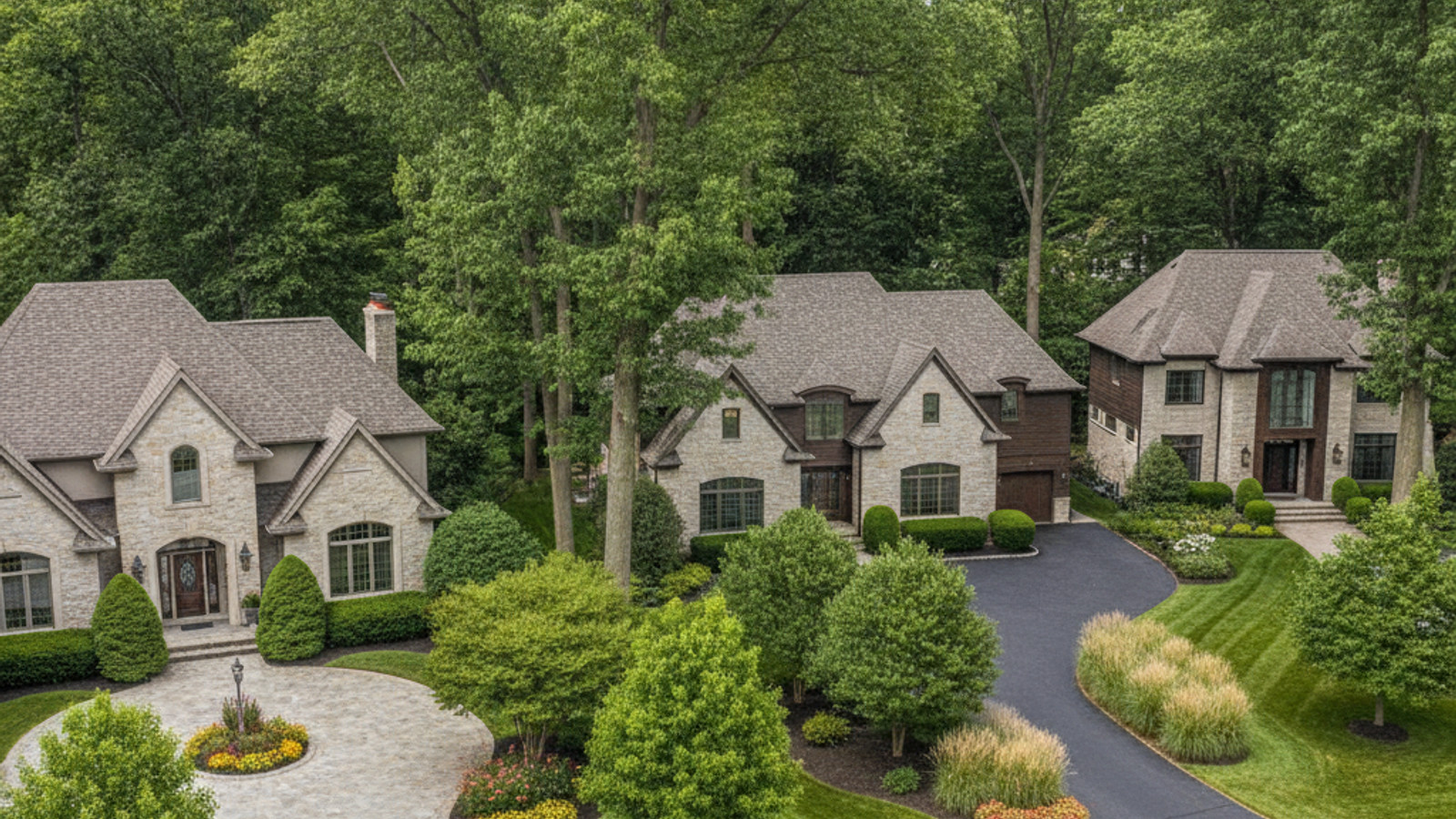
Buyers looking at homes for sale in Southeast Michigan often find themselves choosing between two distinct neighboring communities. Oakland Township and Shelby Township sit side-by-side, divided by Dequindre Road, yet they offer entirely different living experiences.
While they share a border, the local zoning laws, housing inventory, and daily commute patterns vary significantly. Understanding these structural differences is crucial for making an informed real estate investment in 2026.
One municipality prioritizes sprawling acreage and strict rural preservation, while the other leans heavily into master-planned convenience and retail access. Navigating the oakland township vs shelby township decision comes down to matching your budget and lifestyle preferences with the right county.
Real Estate Landscapes and 2026 Home Prices
The housing markets in these two areas cater to fundamentally different buyer profiles. Oakland Township is synonymous with luxury custom estates, whereas Shelby Township provides a broader mix of accessible master-planned developments.
Heading into the spring of 2026, the pricing divide between the two communities remains substantial. The median home price in Oakland Township sits at approximately $875,000, reflecting the premium placed on large lots and high-end construction.
In contrast, Shelby Township offers a median home price of roughly $500,000. Buyers looking for maximum square footage and neighborhood amenities on a standard budget will find Shelby Township to be the more practical market.
Oakland Township: Custom Homes and Acreage
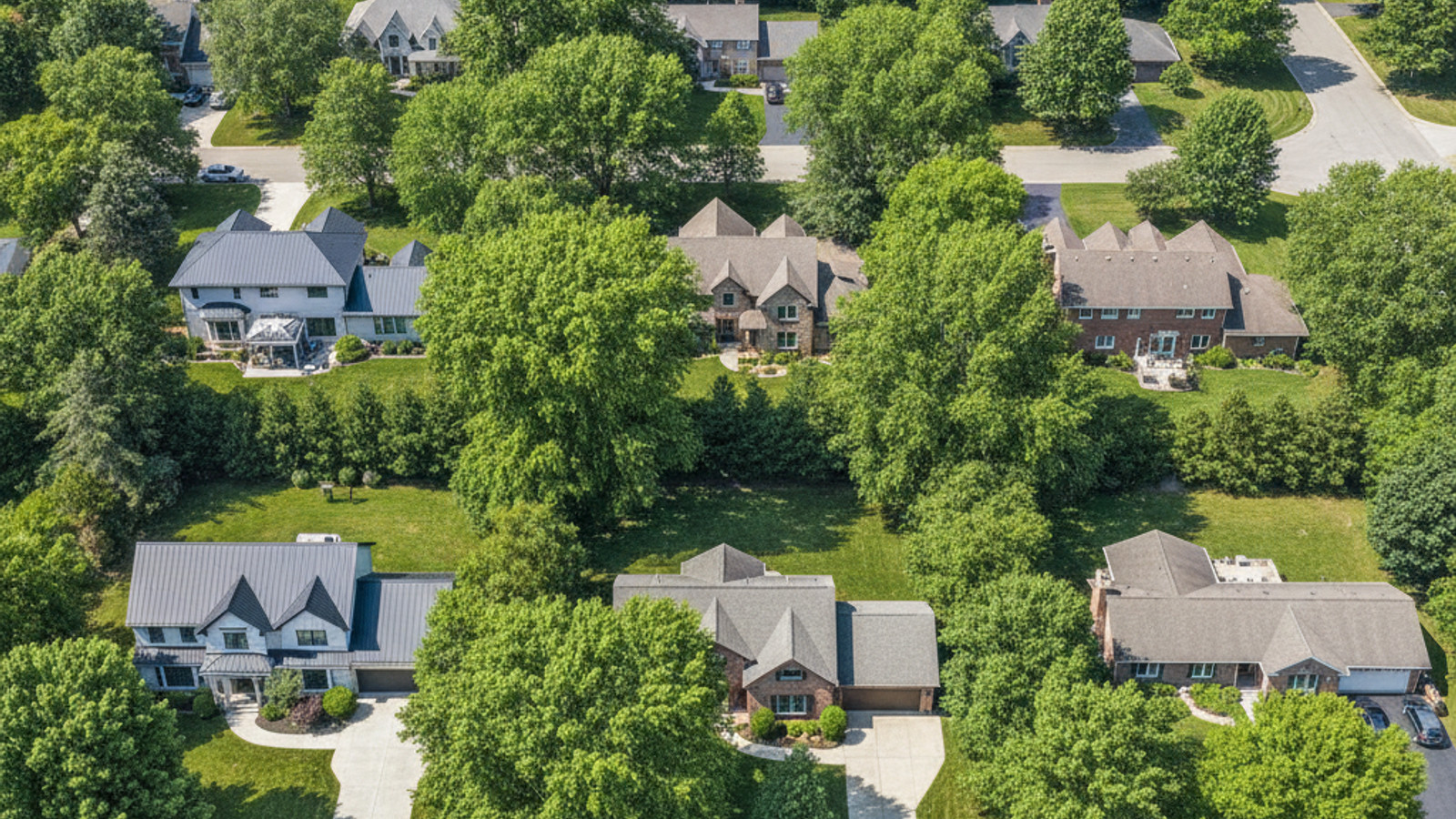
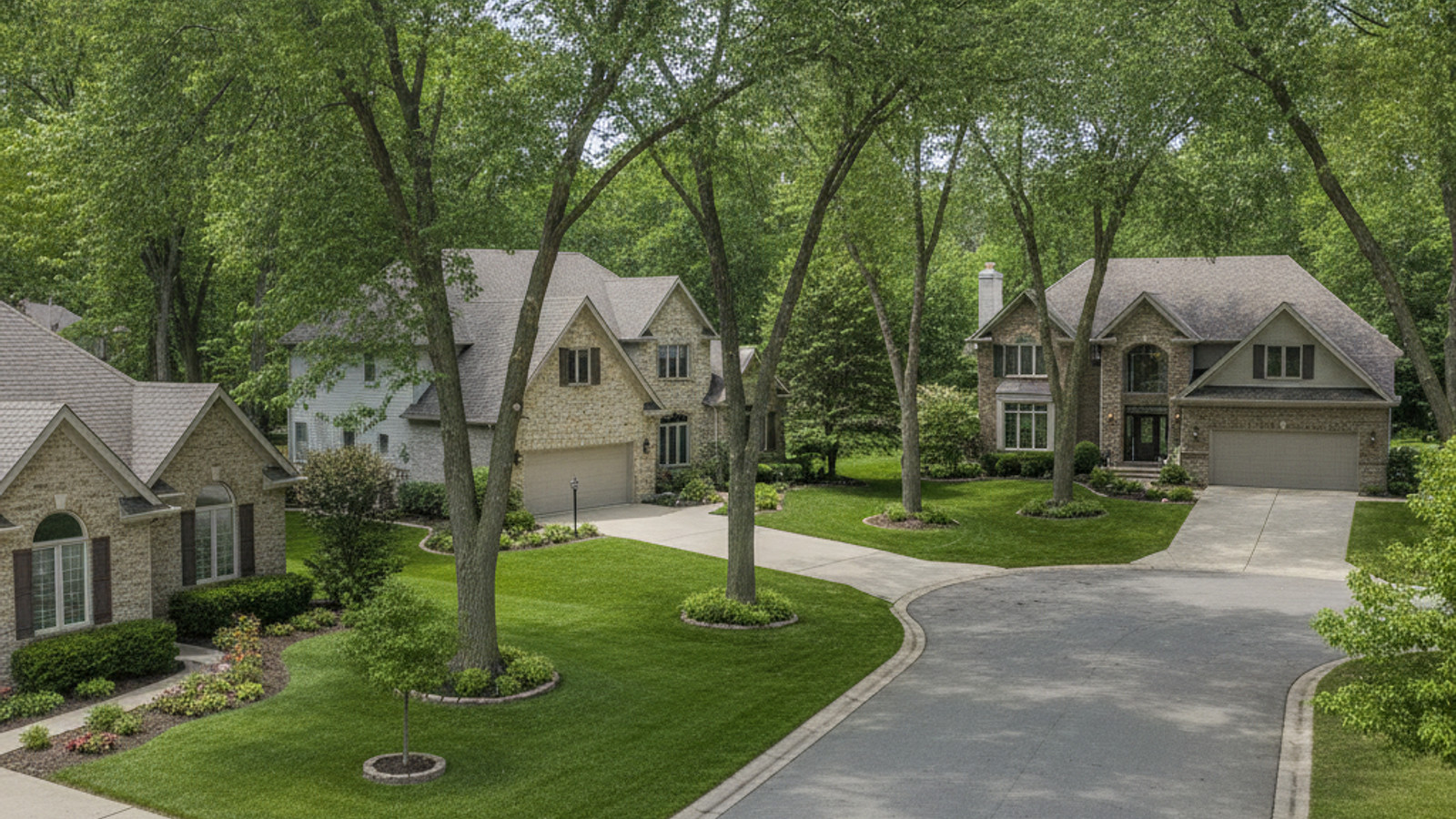
Strict zoning laws in Oakland Township maintain a noticeably lower housing density across the municipality. Buyers will primarily find larger lot sizes, sprawling custom-built estates, and expansive private grounds.
Many of the luxury communities here are managed by homeowners associations that oversee neighborhood maintenance and private roads. These HOA fees can range from $500 to over $1,200 annually, which buyers must factor into their monthly carrying costs.
Shelby Township: Master-Planned Subdivisions and New Builds
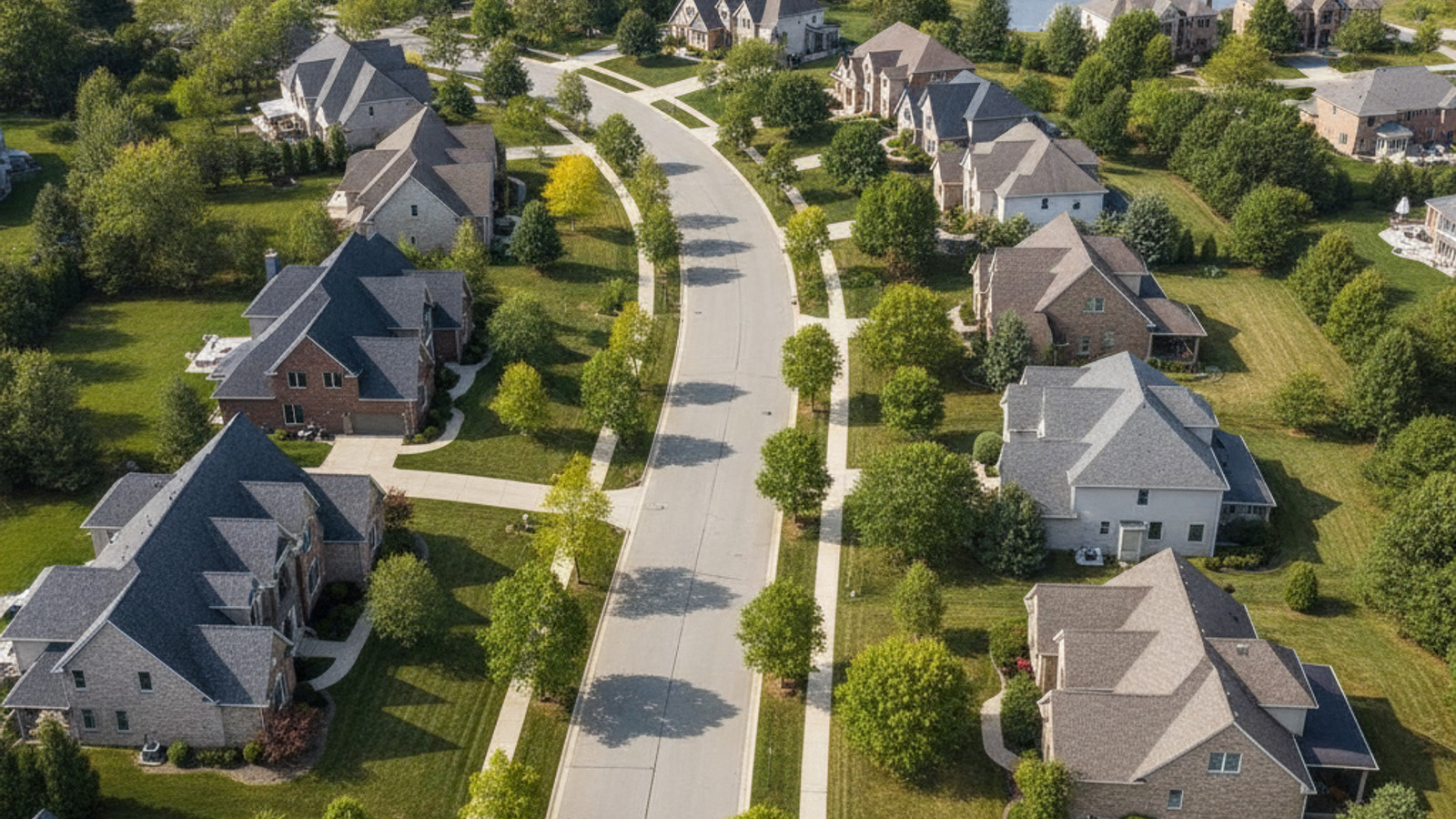
Shelby Township allows for higher housing density, which translates directly into a more diverse and fast-moving real estate inventory. The typical days on market here averages around 39 days, meaning buyers need to act decisively when a well-priced property lists.
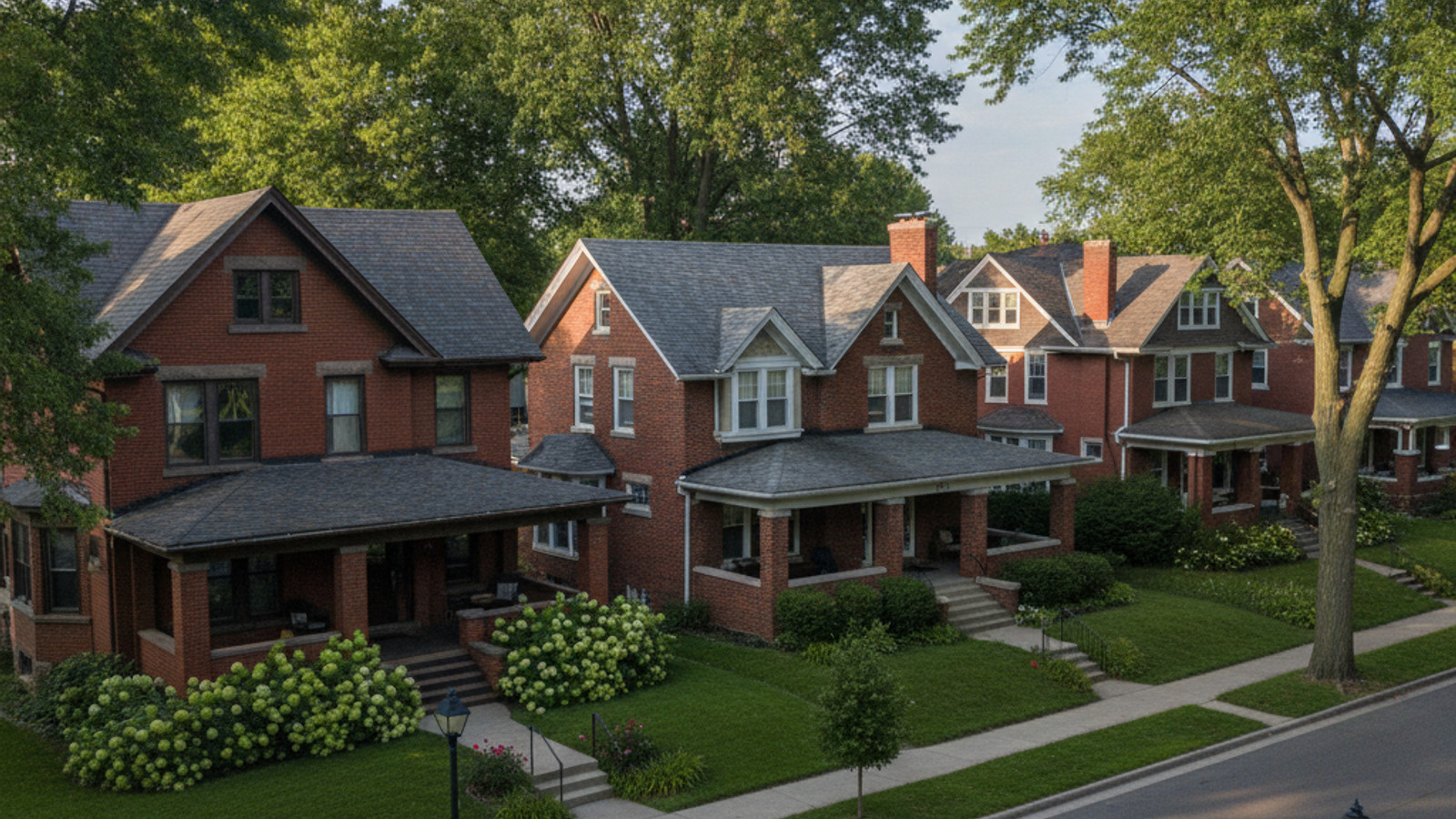
The local housing stock includes a healthy mix of newer subdivisions, attached townhomes, and established mid-century ranches. This variety makes it easier to secure a modern property without the premium price tag associated with custom acreage.
Property Taxes: Oakland County vs. Macomb County
Crossing Dequindre Road means crossing county lines, which directly impacts your annual tax bill. Oakland Township is located in Oakland County, while Shelby Township sits in Macomb County.
The effective property tax rates between the two counties are relatively close, with Oakland County at approximately 1.23% and Macomb County around 1.28%. However, the actual dollar amount you pay depends entirely on the assessed value of the property.
Because Oakland Township boasts significantly higher median home values, the resulting tax bills frequently exceed $9,000 annually. Buyers should always calculate their monthly escrows strictly on local millage rates rather than relying on state averages.
Public School Districts Serving Each Area
School district boundaries heavily dictate hyper-local property values throughout Southeast Michigan. The assignment of these districts is geographic and generally aligns with the township borders.
Residents purchasing homes in Oakland Township are primarily served by Rochester Community Schools. This district is a major driver of real estate demand in the northern Oakland County sector.
Conversely, properties in Shelby Township fall predominantly under the jurisdiction of Utica Community Schools. Both districts manage extensive facilities and specialized academic programs, but buyers targeting a specific high school must verify the exact boundary lines before making an offer.
Local Amenities, Parks, and Recreation
The daily lifestyle in these two townships is shaped by their opposing approaches to commercial zoning. Oakland Township strictly enforces rural preservation, while Shelby Township embraces dense retail infrastructure.
Choosing between the two requires a clear trade-off between pure quiet and immediate convenience. Buyers who want absolute seclusion will prefer Oakland, while those who want grocery stores and restaurants within a five-minute drive will favor Shelby.
Oakland Township’s Rural Preservation and Trails
Oakland Township deliberately restricts commercial development, meaning you will not find major shopping plazas or even gas stations within its borders. The focus is entirely on preserving natural landscapes and open spaces.
Residents enjoy direct access to the Paint Creek Trail, a popular limestone path utilized for walking and cycling. Several local nature centers further enhance the quiet, heavily wooded environment that defines the municipality.
Shelby Township’s Metroparks and Retail Corridors
Shelby Township offers an abundance of recreational facilities, highlighted by Stony Creek Metropark and River Bends Park. Golfers also frequent the Cherry Creek Golf Club, which integrates seamlessly into the local residential layout.
For daily errands, residents rely on the massive commercial convenience of the Hall Road retail corridor. This major thoroughfare provides immediate access to major big-box retailers, dining options, and entertainment venues.
Highway Access and Commute Times to Detroit
Both townships are located approximately 30 to 35 miles north of Downtown Detroit. A standard commute to the city takes roughly 40 to 50 minutes, though peak traffic hours can easily extend that timeframe.
Shelby Township offers a distinct advantage for daily commuters due to its immediate access to the M-53 expressway and M-59. This connectivity allows drivers to bypass local traffic lights and merge quickly onto the regional highway network.
Oakland Township requires a bit more patience, as drivers must navigate local routes like Rochester Road to reach the I-75 ramps. If your daily commute requires traveling to Troy or Detroit, Shelby Township provides a noticeably more efficient drive.
Frequently Asked Questions
Why is Oakland Township so rural and non-commercial?
Oakland Township maintains strict zoning laws designed specifically to preserve its natural landscapes and limit housing density. The local government intentionally restricts commercial development to prevent traffic congestion and maintain a secluded environment. This results in an area heavily defined by sprawling estates and nature trails rather than retail centers.
Is Shelby Township a suburb of Detroit?
Yes, Shelby Township is a major northern suburb of Detroit located within Macomb County. It forms a key part of the Metro Detroit area, offering residential subdivisions and retail corridors for those working in the city or surrounding hubs. The township provides a suburban lifestyle while remaining connected to the broader metropolitan region.
How far is Shelby Township from downtown Detroit?
Shelby Township sits approximately 30 miles north of the downtown Detroit business district. Drivers can expect a commute of about 40 to 50 minutes when taking the M-53 expressway down to the city center. Travel times fluctuate based on rush hour traffic and weather conditions.
Which school districts serve Shelby Township and Oakland Township?
Shelby Township residents are primarily assigned to Utica Community Schools, one of the largest districts in the state. Oakland Township falls predominantly within the boundaries of Rochester Community Schools. Buyers should always verify specific property addresses against district maps, as boundary lines can occasionally shift.