Buyers exploring metro Detroit often set their sights on the northern suburbs for larger lots and custom homes. Evaluating the cost of living in Oakland Township MI requires looking beyond just the sticker price of real estate. This area offers a distinct rural-residential feel, which brings specific financial considerations for anyone planning a move in 2026.
Relocating here means navigating a market defined by higher-end housing stock, strict zoning, and specific county tax rates. A clear breakdown of local data helps buyers build an accurate monthly budget before making an offer.
Understanding the Overall Cost of Living in Oakland Township, MI
Oakland Township operates as a high-demand charter township within Oakland County. The local cost of living index sits at approximately 104.9, making it roughly 4.9% higher than the United States national average. When compared to the broader state of Michigan, living expenses here are about 14.6% more expensive overall.
Housing expenses are the primary driver behind this higher cost of living index. Other daily expenses like groceries and utilities remain much closer to the regional baselines found across metro Detroit.
Anyone building a budget for this area needs to focus heavily on the real estate figures. Buyers should prioritize housing and property tax lines in their financial planning above all other expenses when evaluating Oakland Township. Getting the housing math right ensures the rest of your local budget falls into place easily.
Deep Dive Into Oakland Township Housing Costs
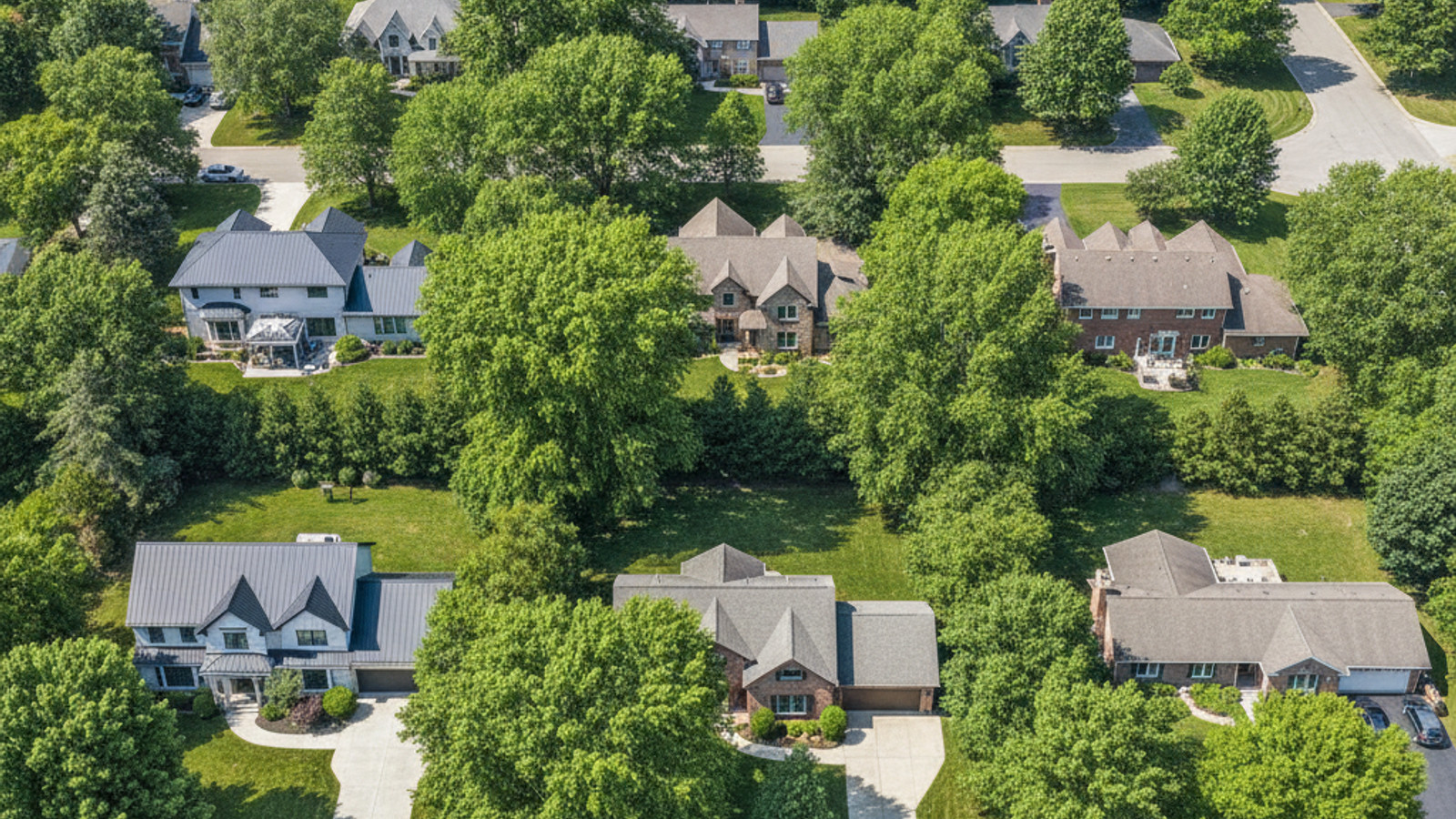
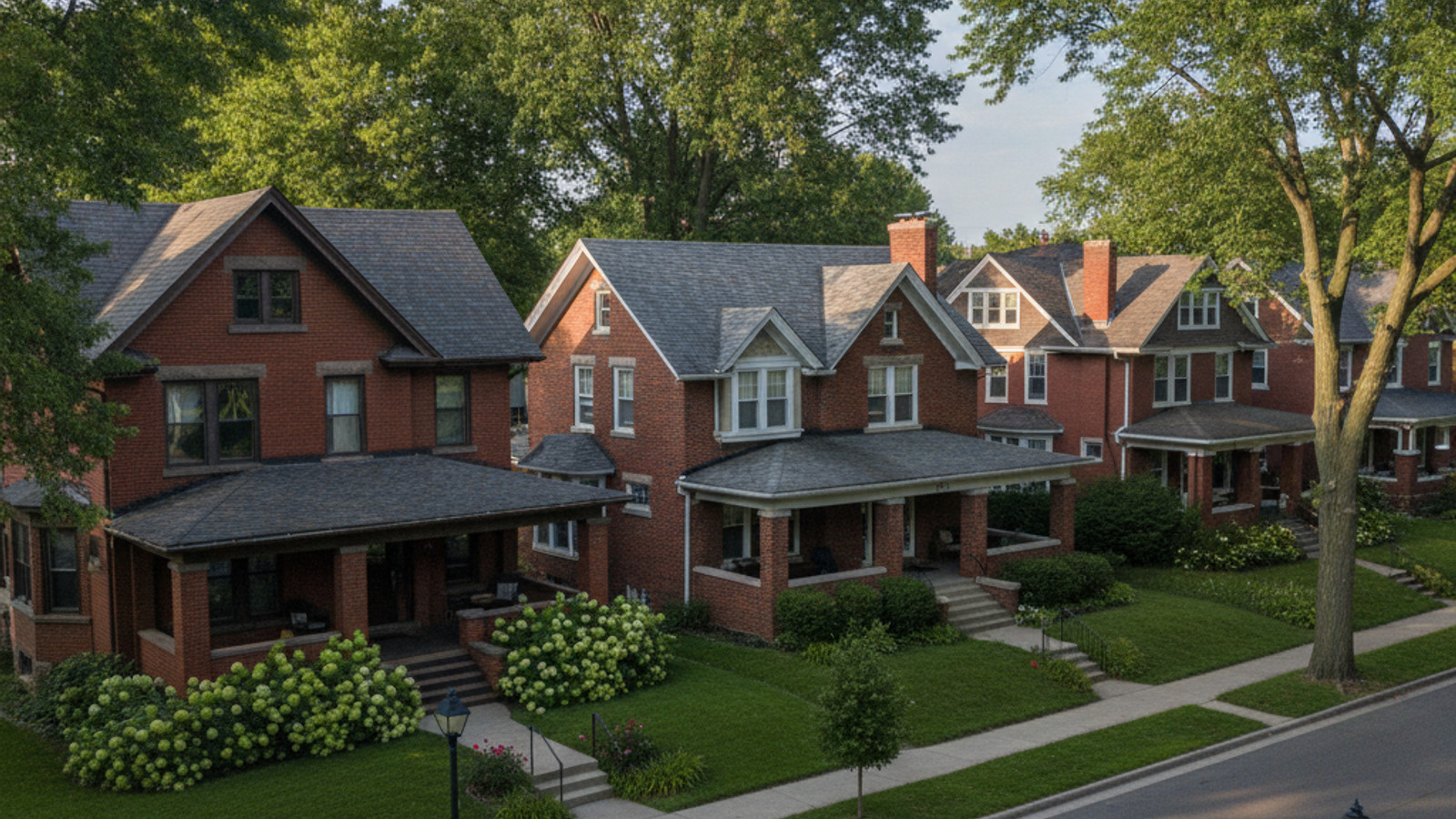
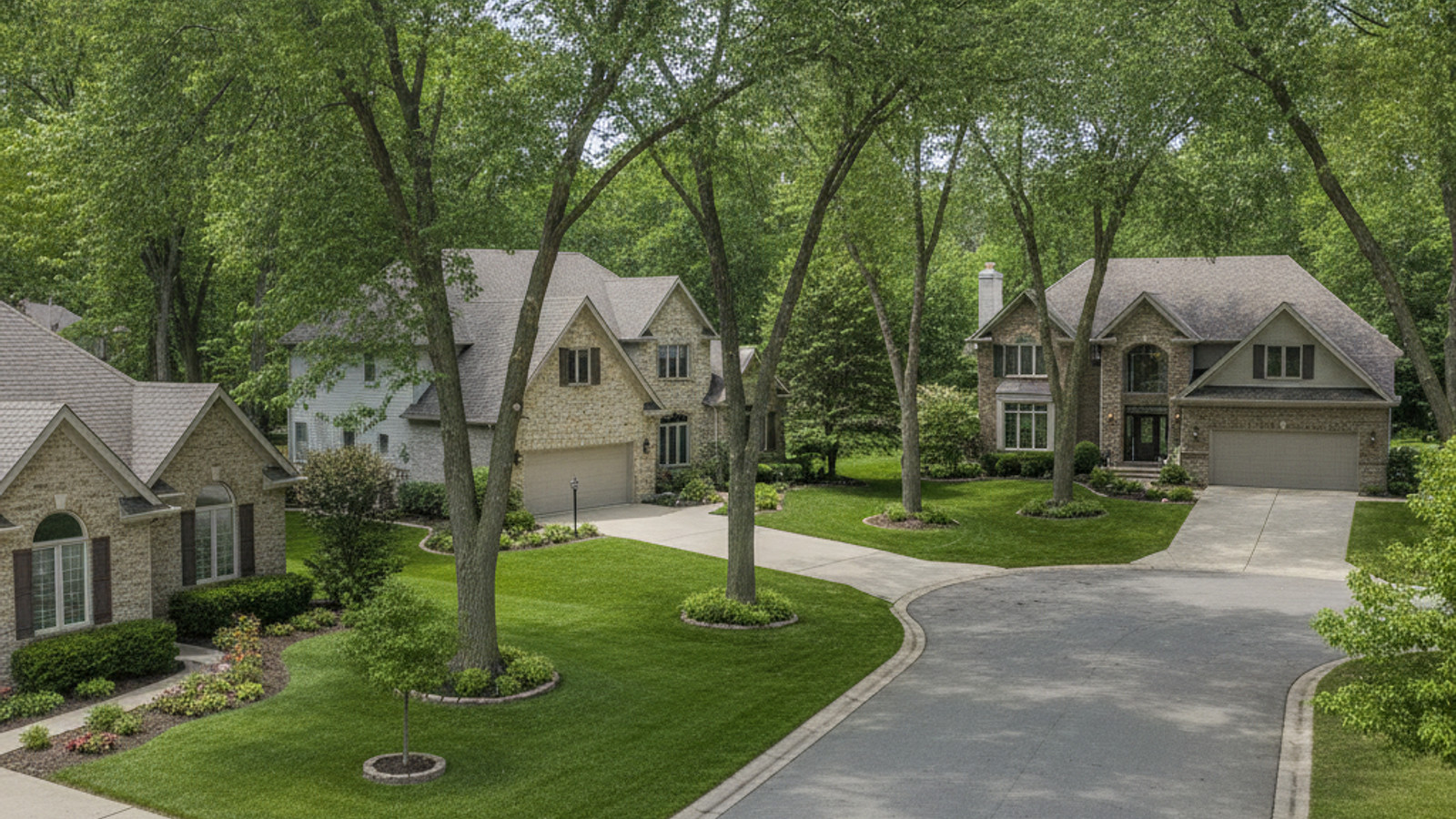
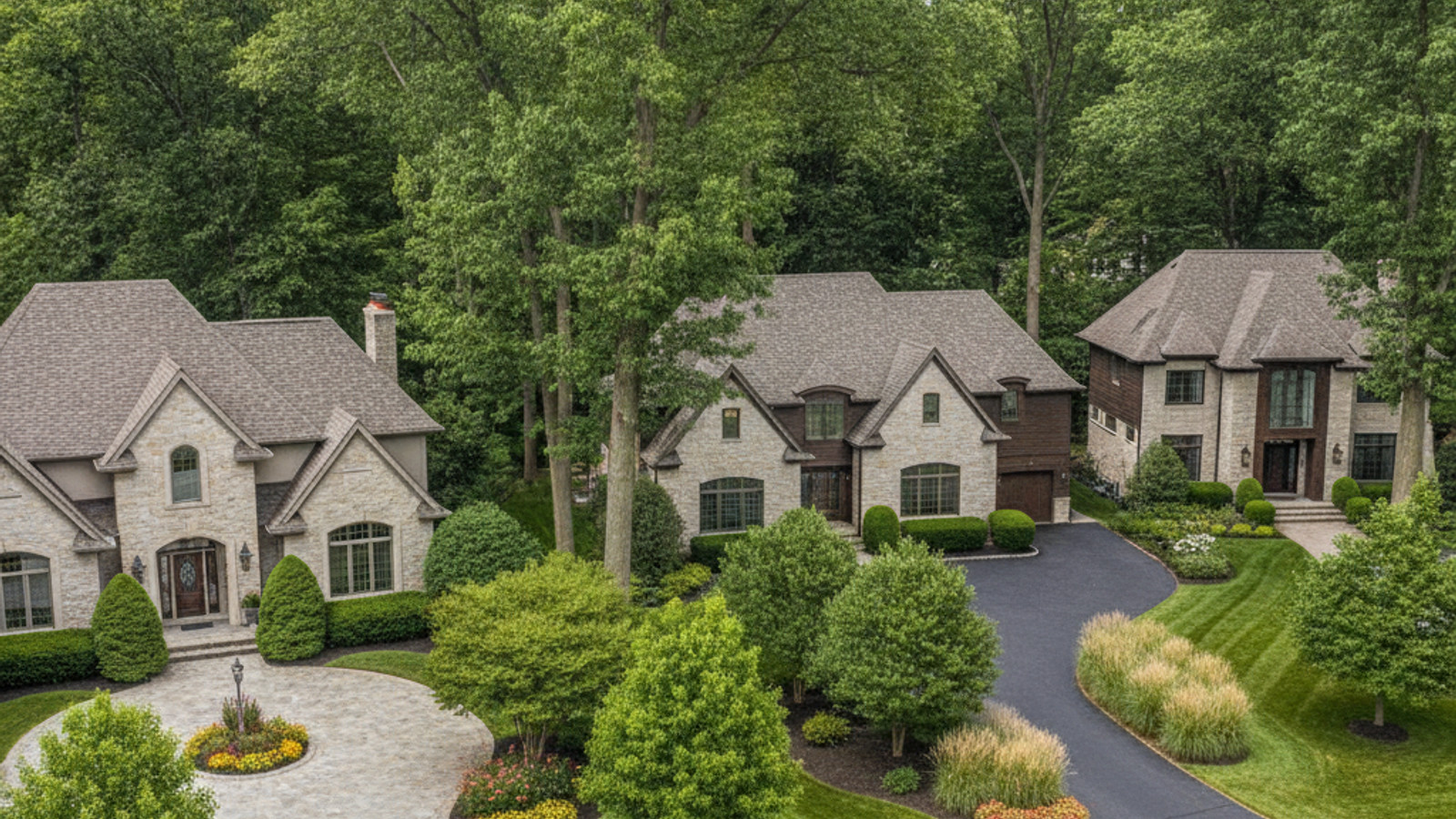
The local housing market is heavily weighted toward single-family homes with substantial square footage. Median home sale prices in early 2026 range from $700,000 to $875,000 depending on the specific neighborhood and lot size. This pricing reflects the premium commanded by the township’s established housing stock and custom builds.
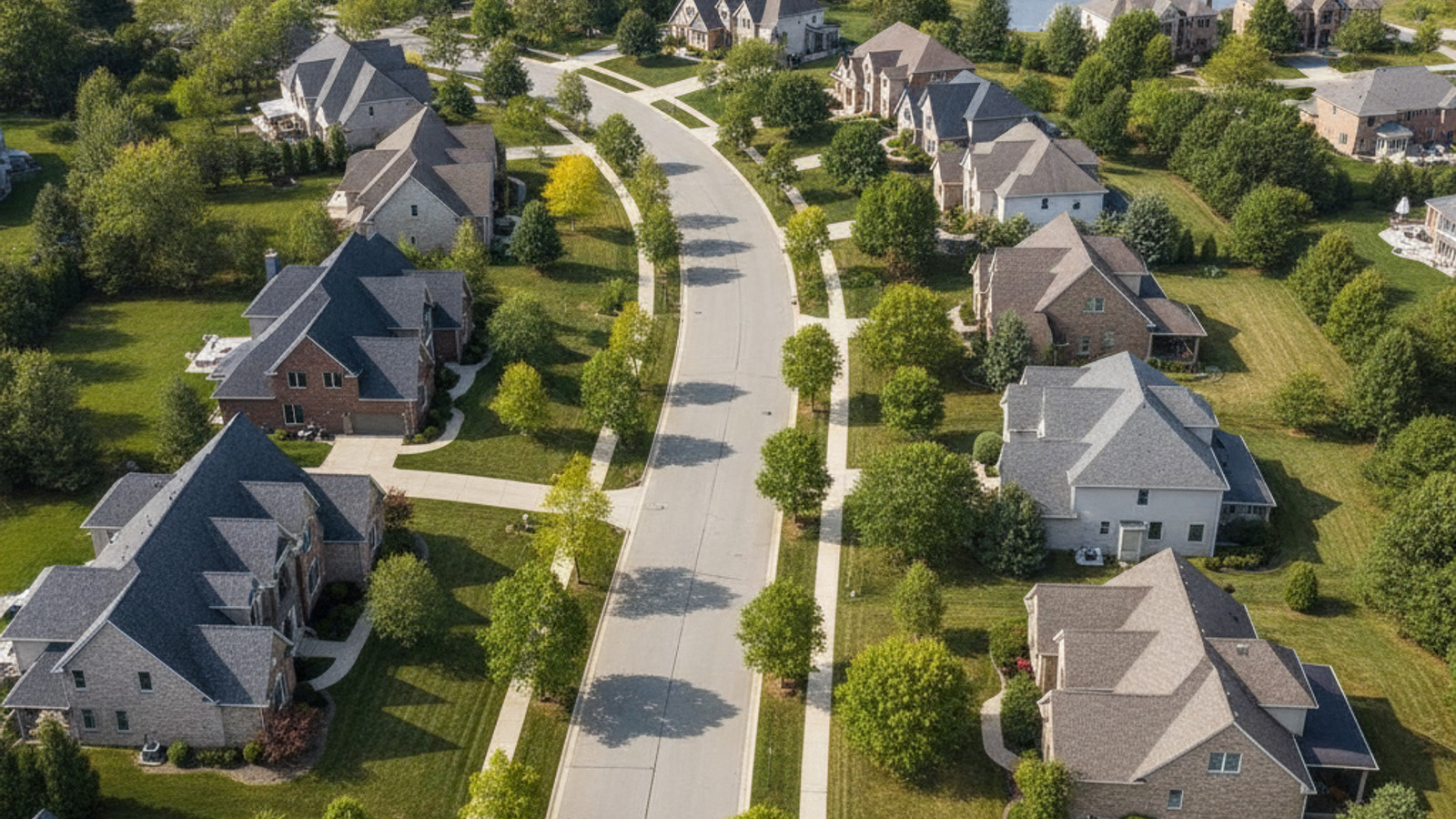
Buyers will notice a distinct price difference between established neighborhoods and new construction properties. Newer developments often push closer to the $1,000,000 mark due to current material costs and larger floor plans. The rental market is quite limited since the area is heavily owner-occupied, with the few available houses typically renting for $2,500 to $4,000 per month.
Property taxes are a major component of carrying costs in Oakland County. The effective property tax rate here is approximately 1.04%, meaning a median annual property tax bill often lands around $5,372. Buyers leveraging financing must factor in exact local property taxes, as the higher assessed values here significantly impact monthly mortgage payments.
Utility Costs and Transportation Expenses
Keeping a large home running in Michigan requires a solid utility budget. Average monthly utilities in Oakland County range from $250 to $370 for electricity, gas, and water. Homes in this township often feature larger square footage, which naturally pushes heating and cooling costs toward the higher end of that spectrum.
Getting around is another necessary line item, as the township layout requires personal vehicle ownership. Transportation expenses typically range from $320 to $570 monthly, covering fuel, routine maintenance, and local travel.
Commuting to major employment hubs is a daily reality for many residents. Drives to Troy take roughly 20 to 25 minutes, while reaching downtown Detroit takes 40 to 50 minutes depending on the route and traffic. Buyers moving from denser urban centers should anticipate higher transportation and climate control costs due to the rural-residential nature of the township.
Groceries, Healthcare, and Miscellaneous Local Expenses
Everyday living expenses in this part of Michigan align closely with national averages. A typical household can expect monthly grocery costs to average between $500 and $900. Residents often shop in neighboring communities like Rochester or Lake Orion, where major supermarket chains and specialty grocers are readily available.
Healthcare costs remain consistent with the broader metro Detroit region, supported by major hospital networks in nearby cities. Auto insurance is a notable expense, as Michigan historically carries higher premiums due to state-specific coverage requirements. Full coverage auto insurance policies can easily exceed $3,000 annually per driver.
Entertainment budgets can be balanced by taking advantage of the area’s extensive outdoor amenities. Free or low-cost access to local nature spaces like the Paint Creek Trail provides excellent recreation without high monthly membership fees. While fixed costs like auto insurance are high statewide, daily variable expenses like groceries align closely with the national average.
Objective Local Amenities and Infrastructure
The infrastructure in Oakland Township is designed to support low-density residential living and land preservation. The area is served primarily by two highly rated public school districts – Rochester Community Schools and Lake Orion Community Schools. Access to these specific districts is a major factor driving demand for homes for sale in Oakland Township.
Green spaces and preserved lands are integrated directly into the community layout. Key recreation spots include Cranberry Lake Park and the extensive Paint Creek Trail network. These county parks offer miles of hiking and outdoor access directly adjacent to many residential subdivisions.
Commercial zoning is extremely limited within the township borders. Residents typically drive into neighboring Rochester Hills or Lake Orion for retail shopping, dining, and professional services. The township’s strict zoning limits commercial development, which protects property values and density caps but requires residents to travel for daily shopping needs.
Frequently Asked Questions
Are property taxes high in Oakland Township?
Property taxes in this area are based on an effective rate of approximately 1.04%. Because median home values range from $700,000 to $875,000, the actual dollar amount paid annually is higher than in many other Michigan cities. A typical homeowner can expect an annual tax bill of around $5,372 depending on their specific property assessment.
How far is Oakland Township from Detroit?
The township is located roughly 35 miles north of downtown Detroit. Commuters can expect a drive time of 40 to 50 minutes using I-75, though this varies based on rush hour traffic. The distance provides a distinct separation from the urban center while maintaining access to major employment hubs.
Is new construction available in Oakland Township?
Yes, there is active new construction in the area, primarily focused on luxury single-family homes. These newer properties often command premium prices, frequently approaching or exceeding $1,000,000. Land availability allows developers to offer larger lot sizes compared to neighboring, more densely populated cities.