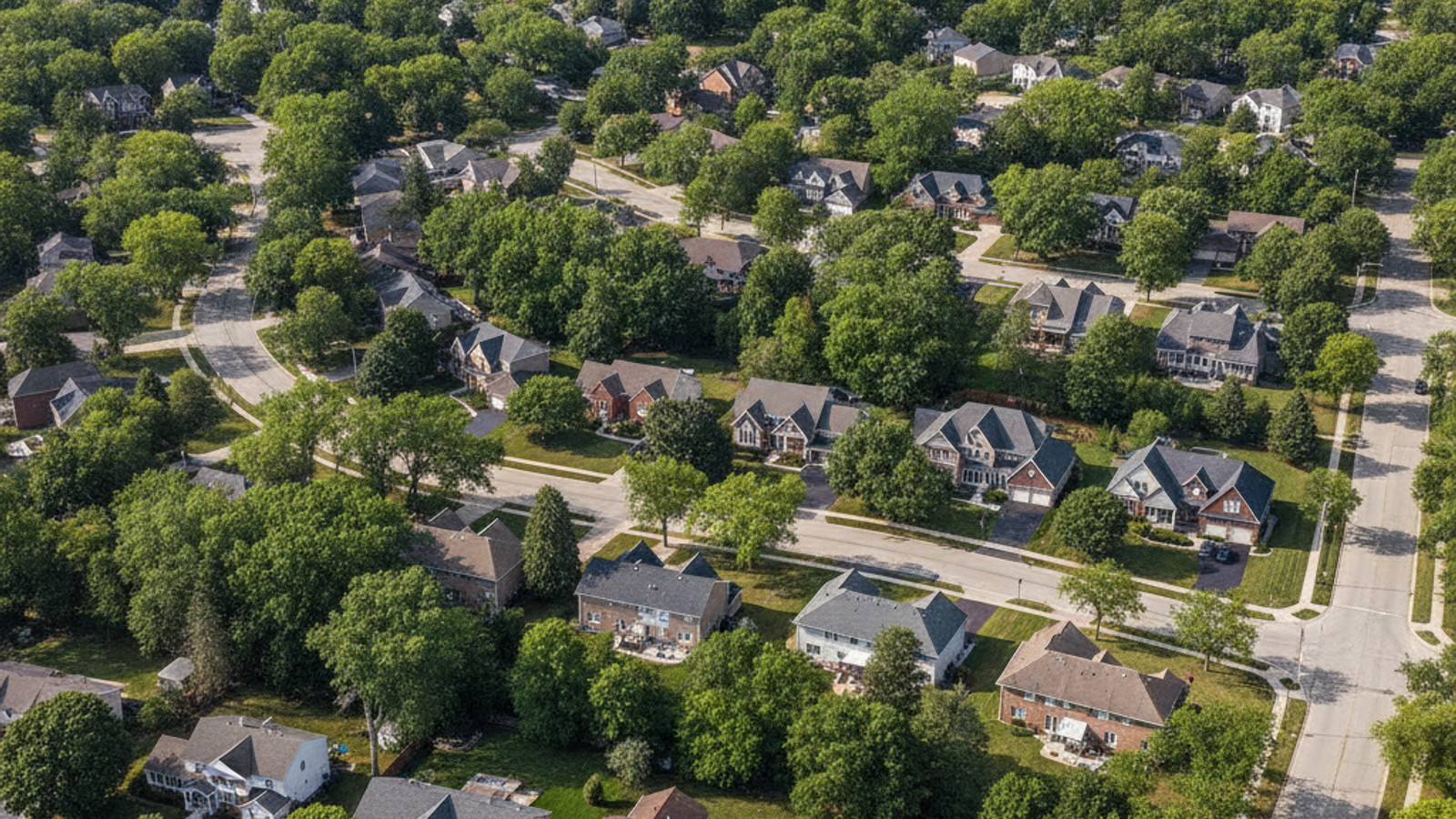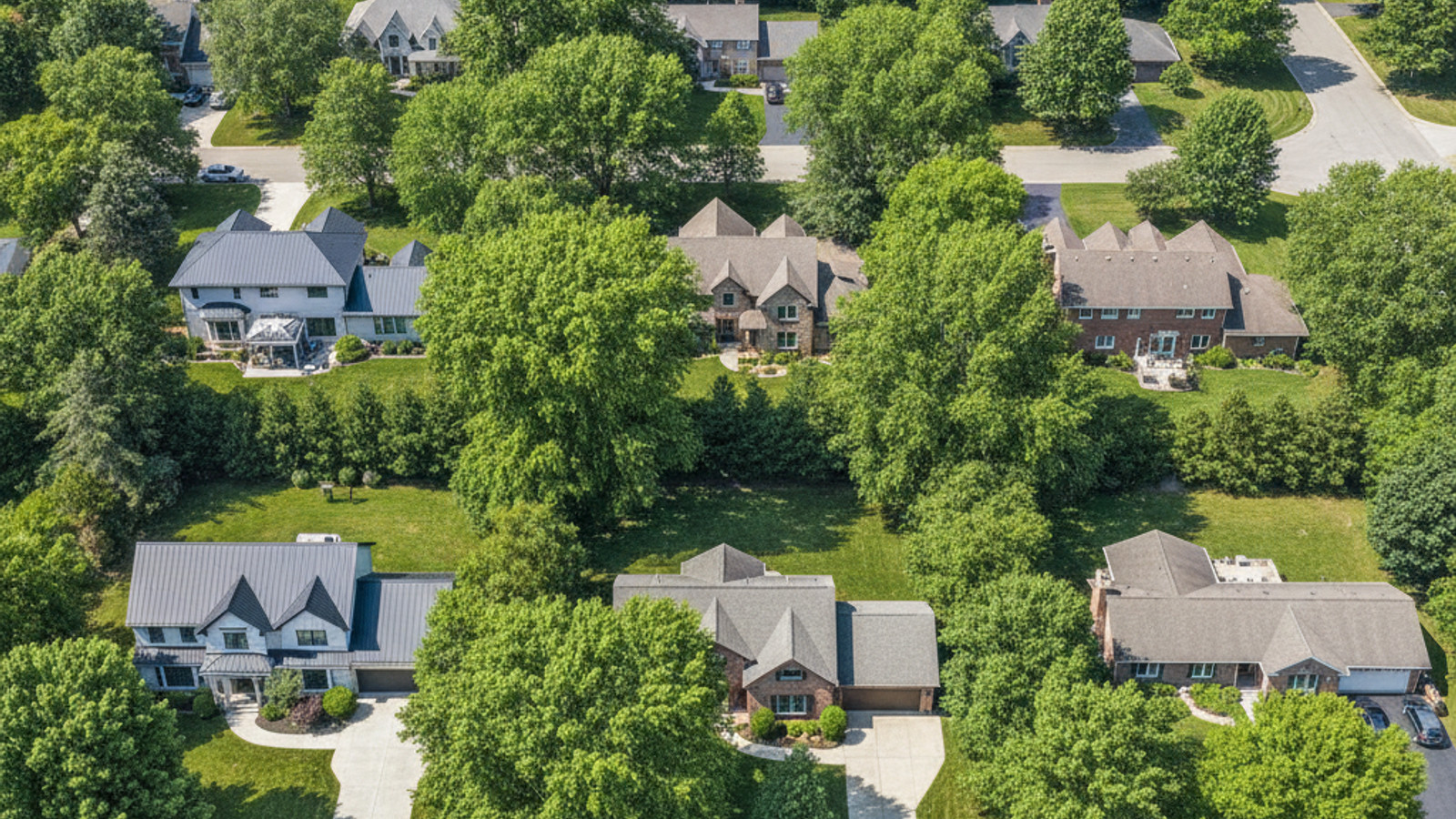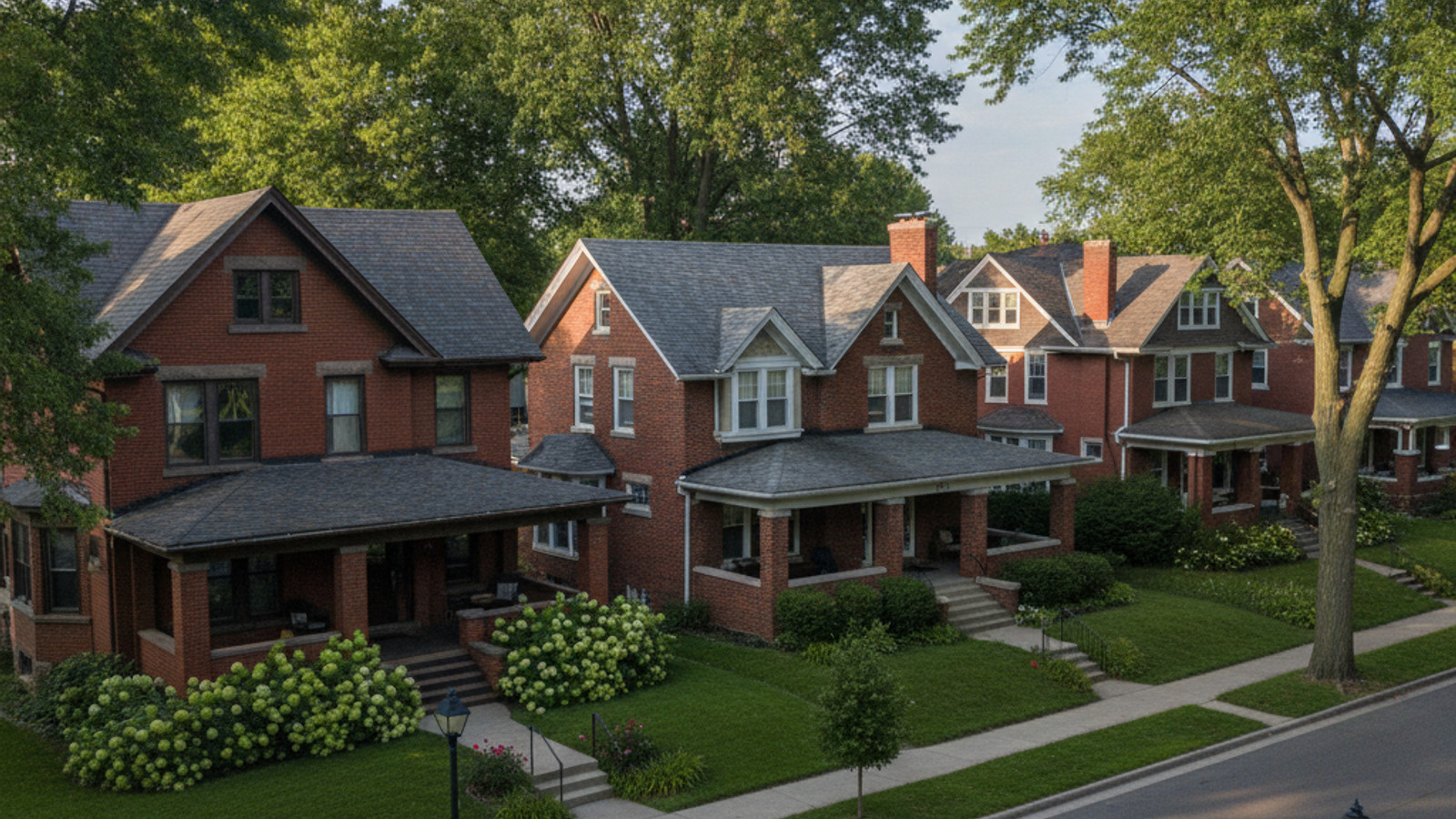
If you are looking to make a move to Oakland County, you have likely narrowed your search to a few key players. Two of the most popular options—Auburn Hills and Troy—sit right next to each other, yet they offer completely different lifestyles.
While both cities are economic powerhouses along the I-75 corridor, they cater to different budgets and vibes. Troy is often seen as the polished, upscale suburb known for luxury shopping and a premier school district. Auburn Hills, on the other hand, is a tech and industrial hub that offers incredible value, more nature, and a unique mix of housing options.
Choosing between them isn’t just about picking a zip code; it’s about balancing your budget against your priorities for schools and commute times. Let’s break down the real differences so you can decide which spot feels like home.
Cost of Living & Housing Market Comparison
Let’s start with the financials, because this is usually where the biggest divide lies. Generally speaking, Troy is the “premium” option in this comparison, while Auburn Hills is the “value” play.
If you are looking at homes for sale in Troy, be prepared for a higher entry price. The median home price here typically hovers north of $350,000, with many luxury subdivisions pushing well past $500,000 or $600,000. The market is competitive because the address carries a certain prestige within Metro Detroit.
In contrast, Auburn Hills offers a lot more house for your money. You can often find solid single-family homes in the $260,000 to $335,000 range. If you are renting, the gap is noticeable there too. You might find a nice two-bedroom apartment in Auburn Hills for around $1,160, whereas a comparable unit in Troy could run you closer to $1,430 or more.
It is also smart to look at property taxes. While millage rates fluctuate, your actual tax bill in Troy is often higher simply because the property assessments are higher. If your goal is to maximize square footage while keeping your monthly payment manageable, the cost of living in Auburn Hills is hard to beat.
School Districts: Troy School District vs. Avondale & Pontiac
For many buyers, the school district is the deciding factor. This is where the two cities diverge significantly.
Troy School District is widely considered one of the best in Michigan. It is a unified, high-performing district where almost every school, from elementary to high school (Troy High and Athens), receives top-tier ratings. The academic environment is rigorous and competitive. If you buy a home in Troy, you generally know exactly what you are getting education-wise—excellence is the standard across the board.
Auburn Hills is much more complex. The city doesn’t have its own dedicated school district; instead, it is a patchwork served by three different districts:
- Avondale School District: Covers the majority of the city. It is a solid, diverse district known for improving metrics and project-based learning.
- Pontiac School District: Covers certain sections and has historically struggled with ratings and funding.
- Rochester Community Schools: Covers small pockets of the city and is highly rated, similar to Troy.
Because of this fragmentation, if you are looking at homes in Auburn Hills, you absolutely must verify the specific school district for every single address. Do not assume a house is in the Avondale or Rochester district just because it looks like it should be.
On the higher education front, both cities benefit from proximity to Oakland University, which sits right on the border, adding a college-town energy to the area.
Crime Rates & Neighborhood Safety
When looking at safety, it helps to look past the raw numbers to understand the context of the local geography.
Troy is consistently ranked as one of the safest cities in Michigan. It has a Grade A reputation for safety with very low violent crime rates (roughly 1 in 1,500). It is a sprawling residential city where quiet subdivisions make up the bulk of the land use.
Auburn Hills statistically shows higher crime rates, but there is a major nuance here. The city has a massive daytime population due to the Stellantis Headquarters, huge tech parks, and the Great Lakes Crossing Outlets. This influx of commuters and shoppers skews the per-capita crime statistics.
Much of the reported crime in Auburn Hills is property crime (like retail theft) concentrated around the mall and commercial corridors along M-59 and I-75. The residential subdivisions themselves are generally quiet and peaceful. If you stay away from the major commercial hubs late at night, the residential experience is quite different from what a crime map might suggest.
Lifestyle, Shopping & Entertainment
The “vibe” of these two cities is distinct, especially when you look at where locals spend their weekends.
Troy is the destination for upscale experiences. It is home to the Somerset Collection, a luxury mall featuring brands like Gucci, Louis Vuitton, and Nordstrom. The dining scene along Big Beaver Road is arguably the best in the suburbs, featuring high-end steakhouses and a massive variety of authentic Asian cuisine. However, Troy doesn’t really have a “downtown.” It is a city designed around the car, with wide boulevards and strip malls.
Auburn Hills feels a bit more gritty and grounded. Its crown jewel for shopping is Great Lakes Crossing Outlets, which is less about luxury and more about entertainment—it houses an aquarium, a Legoland Discovery Center, and a movie theater.
Unlike Troy, Auburn Hills actually has a small, walkable downtown area. It’s not huge, but it features brick-paved streets, local pubs, and a riverside park that hosts summer concerts.
If you love nature, Auburn Hills might edge out the competition. It feels more “wooded” and sits along the Clinton River Trail, offering great biking and hiking options. Troy has excellent parks, like Boulan Park, but they tend to be more manicured with soccer fields and playscapes rather than rugged nature trails.
Commute & Location: Getting Around Metro Detroit
Logistics matter, especially in the Motor City. Both cities sit squarely on the I-75 artery, making north-south travel easy, but your commute depends on where you are heading.
Troy is geographically closer to the action. It is about 20 to 30 minutes from downtown Detroit and borders trendy areas like Royal Oak and Ferndale. If you want to enjoy nightlife in those cities or work in the financial district of Detroit, Troy cuts significant time off your drive (roughly 25 miles away).
Auburn Hills is further north (about 33 miles from Detroit). The commute downtown can take 35 to 45 minutes or more during rush hour. However, Auburn Hills is the gateway to “Up North” recreation and sits right on M-59, giving you east-west access that Troy sometimes lacks.
Your job location might dictate your choice. Troy is a hub for finance and healthcare jobs. Auburn Hills is the heart of “Automation Alley,” hosting the massive Stellantis headquarters and suppliers like BorgWarner. If you work in auto or tech, you might find a 5-minute commute by living in Auburn Hills.
FAQs
Is Troy or Auburn Hills cheaper to live in?
Auburn Hills is generally cheaper. You will typically find lower median home prices and lower rental rates there compared to Troy. While property tax rates vary, the overall cost of ownership is usually lower in Auburn Hills due to more affordable housing assessments.
Which city has better schools, Troy or Auburn Hills?
Troy School District is consistently higher rated across the board and offers a unified, top-tier experience. Auburn Hills is served mostly by the Avondale School District, which is solid and improving, but buyers must be careful to avoid addresses zoned for lower-performing districts unless that aligns with their needs.
How far is the commute from Auburn Hills to Detroit?
It is a bit of a trek compared to the inner suburbs. You are looking at roughly 35 to 45 minutes to get to downtown Detroit, depending on traffic along I-75. It is about 8 to 10 miles further north than Troy.
Does Auburn Hills have a downtown?
Yes, unlike Troy, Auburn Hills has a small, revitalized downtown area near the Clinton River. It features a few walkable blocks with restaurants, a park, and an amphitheater, offering a community feel that the sprawling suburbs often lack.
The Verdict: Should You Move to Auburn Hills or Troy?
Ultimately, there is no “bad” choice here—only the choice that fits your life stage and bank account.
You should choose Troy if:
- You have a higher budget and want a prestigious address.
- Access to a top-tier, “A+” rated school district is your number one non-negotiable.
- You want to be closer to upscale dining, luxury shopping, and Detroit nightlife.
You should choose Auburn Hills if:
- You want better value and a lower monthly mortgage payment.
- You prefer a town with more nature, trails, and a small downtown feel over sprawling boulevards.
- You work at Stellantis or a nearby tech firm and want a short commute.
- You are comfortable with the Avondale School District or don’t have school-age children.