If you have ever driven north on I-75 through Oakland County, you can’t miss it: the massive Stellantis (formerly Chrysler) headquarters rising above the highway with the iconic Pentastar window. For many people, that building is Auburn Hills. But if you take the exit and actually look around, you’ll find that living in Auburn Hills offers a lot more than just a corporate backdrop.
Auburn Hills is the “Corporate and College” engine of the county. It is a unique mix where high-tech business parks sit just down the road from the scenic Clinton River Trail, and where a bustling university population at Oakland University brings a youthful energy to the area. It doesn’t look like your typical bedroom community because it isn’t one. It’s a powerhouse economic hub that happens to have some distinct, affordable neighborhoods tucked away between the major arteries.
For anyone considering a move here, the location is strategic gold. You are right at the intersection of I-75 and M-59, giving you instant access to Detroit, the upscale suburbs of Rochester, and the lakes to the north. Whether you are transferring for a job in the auto industry or looking for a spot that balances cost with convenience, this guide breaks down what you need to know.
Living in Auburn Hills: Pros and Cons
Before we dive into the numbers, let’s look at the big picture. Every city has its trade-offs, and Auburn Hills is no exception. It is perfect for some lifestyles and a mismatch for others.
The Pros:
- Job Market: This is the biggest draw. Between Stellantis, tech firms, and suppliers, the local economy is incredibly robust.
- Affordability: Compared to neighbors like Rochester Hills or Troy, you can often get more house for your money here.
- Amenities: You have massive shopping options, entertainment venues, and parks right in your backyard.
- Tax Benefits: While you should verify current rates with a tax professional, residents generally enjoy a lower tax burden than some surrounding high-end suburbs, though local income tax is a factor to watch.
The Cons:
- Traffic Volume: Living near Great Lakes Crossing Outlets or the I-75 ramps means dealing with heavy retail and commuter traffic, especially on weekends and holidays.
- Industrial Feel: Because of the business parks, some zones lack that cozy, tree-lined “neighborhood” vibe found in older cities.
- School District Confusion: The city is split across multiple school districts, which can be tricky for buyers to navigate.
Cost of Living in Auburn Hills, MI
One of the main reasons people start looking at homes for sale in Auburn Hills is the value proposition. You are geographically close to some of the most expensive real estate in Michigan (like Birmingham and Rochester), but the price tag here is significantly more approachable.
The Housing Market
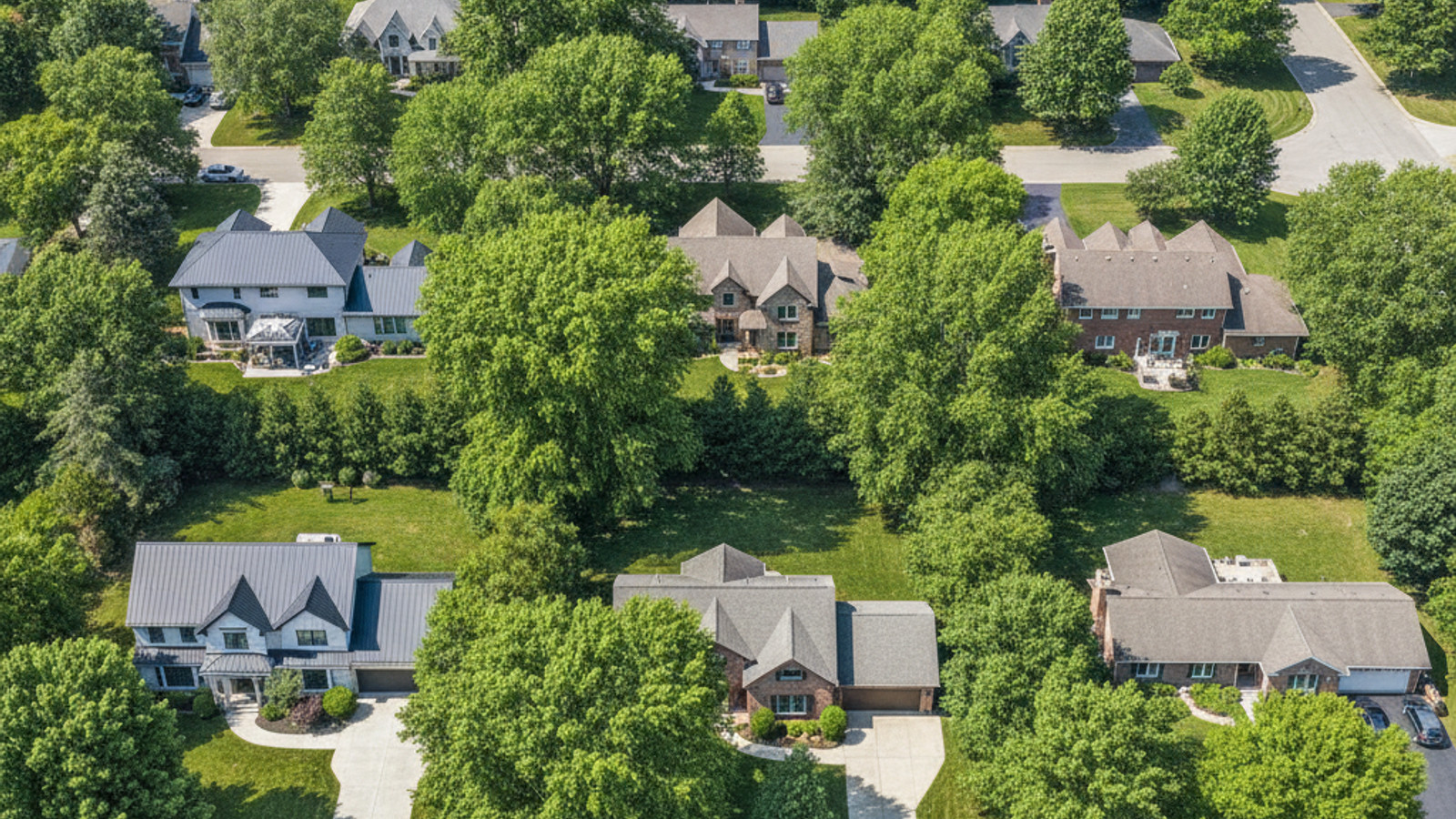
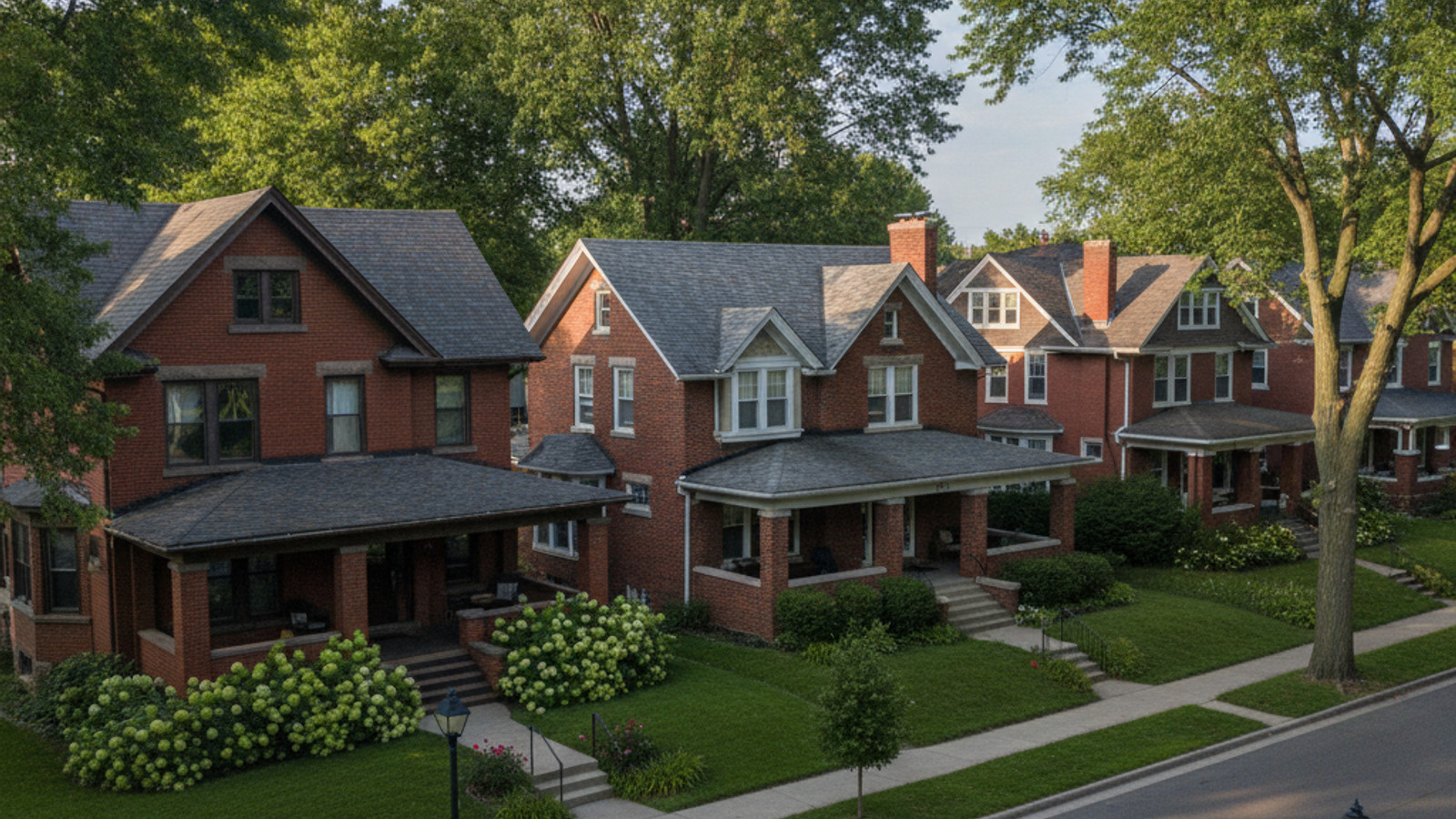
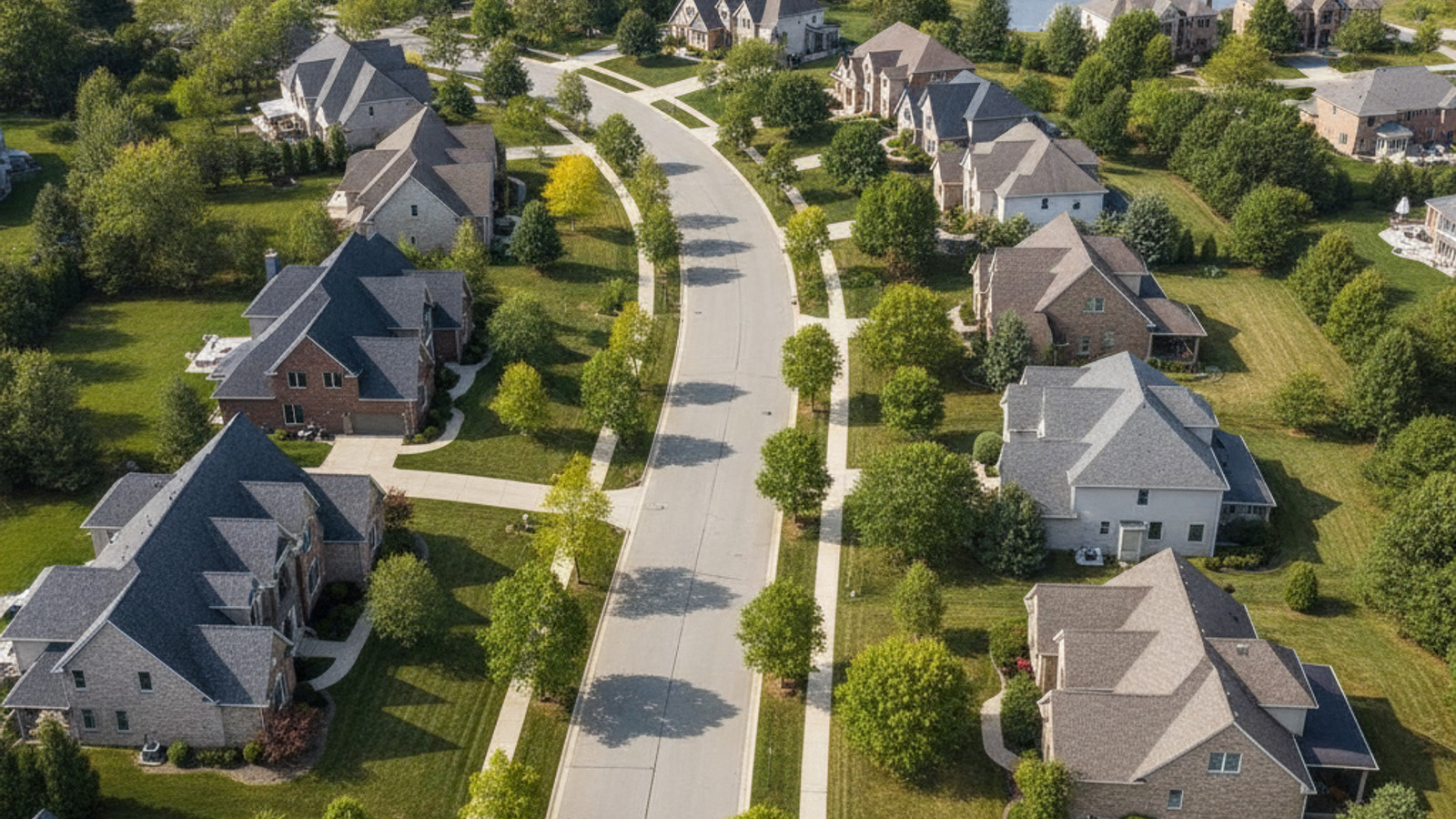
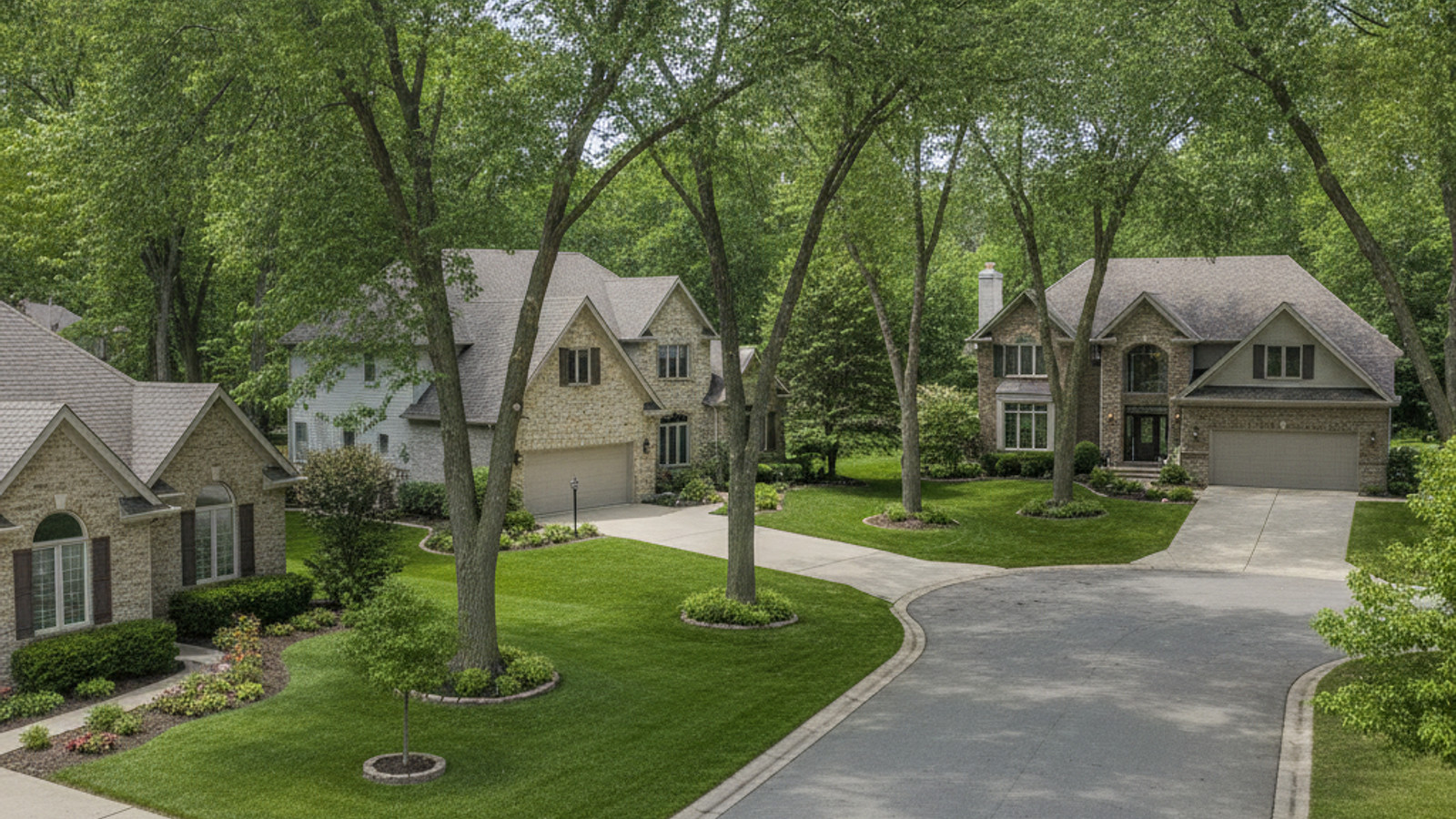
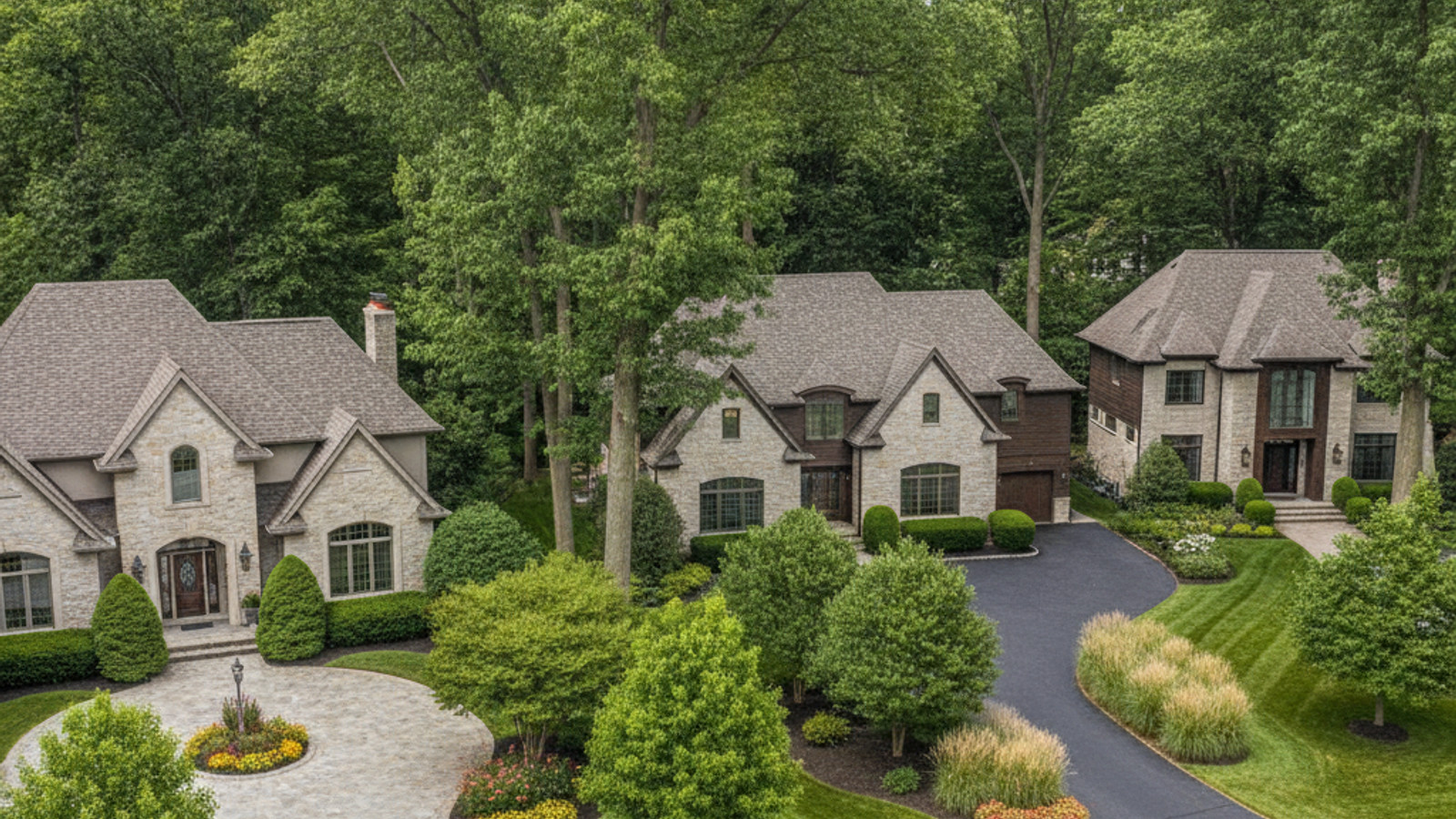
The real estate landscape here is accessible. The median home price generally hovers between $270,000 and $335,000. You will find a mix of older 1950s ranch-style homes, newer condos built for young professionals, and larger subdivisions developed in the 1990s and 2000s. If you are willing to do a little cosmetic work, you can find solid entry-level homes that would cost $50,000 to $100,000 more just five miles east.
The Rental Market
Because Oakland University and major tech companies are right here, the rental market is very active. There is a high volume of apartments and townhomes catering to students, faculty, and contract engineers. The average rent typically lands around $1,500 to $1,600 per month. It is a competitive market, but there is usually plenty of inventory compared to strictly residential towns nearby.
Taxes and Expenses
When budgeting, remember to factor in Michigan property taxes. Additionally, daily expenses like utilities and groceries tend to track near the national average. However, because so much retail is concentrated here, you rarely have to drive far for groceries or gas, which helps save a bit at the pump.
Neighborhoods & Housing: The Urban-Suburban Mix
Auburn Hills doesn’t follow the standard “sprawl” layout of many Detroit suburbs. Instead, it feels like a collection of distinct pockets separated by main roads and tech campuses.
You have a diverse range of housing options. Near Oakland University, you will see density—large apartment complexes and condos designed for easy maintenance and quick commutes. As you move toward the older sections of town, you’ll find quieter streets with single-family homes on decent-sized lots.
Recently, there has been a push to create a “City Center” feel. New developments near the downtown area are bringing modern townhomes and lofts to the market, appealing to buyers who want to walk to a coffee shop or a park rather than driving everywhere. It is also worth noting that Auburn Hills has a higher percentage of renters than neighboring towns, which creates a more transient, dynamic population in certain neighborhoods.
The Corporate Hub: Jobs & Economy
If you are moving to Auburn Hills, there is a good chance it is for work. This city is the heartbeat of “Automation Alley.”
The economic anchor is undeniably Stellantis North America HQ. The complex is massive and employs thousands of people, influencing everything from lunch rush traffic to housing demand. But it’s not just the one giant; the city is home to a who’s who of the automotive and tech world. Major players like BorgWarner, Continental Automotive, and Faurecia have significant footprints here.
For tech professionals and engineers, this is one of the best places to be in the Midwest. The industrial parks aren’t filled with smokestacks; they are filled with R&D centers, robotics labs, and testing facilities. This concentration of high-paying jobs helps keep property values stable and supports the local service economy.
Education: Understanding the School Districts
This is the most critical section for households with students. If you are looking at living in Auburn Hills, you cannot assume which school district a house belongs to just by looking at the city limits. The map is a patchwork.
The “Patchwork” Map:
- Avondale School District: serves a large portion of the city. They are known for strong magnet programs and a diverse student body.
- Pontiac School District: covers specific western sections of the city.
- Rochester Community Schools: serves the northeast corner of the city. Homes in this zone often command a premium price due to the high demand for Rochester schools.
Expert Advice: Never assume the district based on the street name. Always check the specific address against the district maps before making an offer.
Higher Education: We can’t talk about education without mentioning Oakland University (OU). It has evolved from a commuter school into a major research university with a sprawling campus. OU brings culture, Division I sports, and community events to the city. It also provides a steady stream of interns and graduates to the local workforce, deepening the tie between the city and the business community.
Things to Do: Shopping, Parks & Downtown
You might think a corporate town is all work and no play, but Auburn Hills actually has some of the best amenities in the county.
Shopping and Entertainment
Great Lakes Crossing Outlets is the elephant in the room—in a good way. It is the largest indoor outlet mall in Michigan. Beyond just shopping, it houses the SEA LIFE Michigan Aquarium, a LEGOLAND Discovery Center, and a massive movie theater. It is a regional destination. While locals might avoid it on Black Friday, having it nearby means you have endless dining and entertainment options on a rainy Tuesday.
Downtown Auburn Hills
Yes, there is a downtown! It’s smaller than Royal Oak or Rochester, but it is charming and rapidly developing. Located along Auburn Road, the area features brick-paved sidewalks, local pubs, and the beautiful Riverside Park. In the summer, the Knight Amphitheater hosts concerts, and the splash pad is a hit for cooling off. It has a genuine community feel that contrasts nicely with the busy commercial corridors.
Outdoor Recreation
If you need to escape the pavement, the Clinton River Trail runs right through the city. It’s perfect for biking, jogging, or walking the dog. You also have Hawk Woods Nature Center, which offers log cabins for camping (yes, in the suburbs) and groomed trails that make you feel like you’re up north.
Location & Commute: Life on the I-75 Corridor
Auburn Hills is defined by its roads. It is a commuter’s dream if you need to get around Southeast Michigan.
- The Commute: You have direct access to I-75 (running north-south) and M-59 (running east-west). This “crossroads” location is a major selling point.
- To Detroit: On a standard day, you are looking at a 30 to 35-minute drive to downtown Detroit.
- To Troy/Royal Oak: You can reach the business centers of Troy or the nightlife in Royal Oak in about 15 to 20 minutes.
- To the Airport: Detroit Metro Airport (DTW) is a bit of a haul, typically taking 50 to 60 minutes depending on traffic patterns.
Frequently Asked Questions
Is Auburn Hills, MI a safe place to live?
When you look at crime statistics for Auburn Hills, it is important to look at the context. Violent crime rates are generally low and comparable to surrounding suburbs. However, property crime statistics can appear artificially high due to the massive volume of retail theft reported at Great Lakes Crossing Outlets. In the residential neighborhoods, the experience is typically quiet and community-focused.
What is the income tax in Auburn Hills?
Like many cities in Michigan, Auburn Hills does not currently levy a local income tax on residents or workers (unlike Pontiac or Detroit), but this is subject to change and you should always verify with the city’s finance department or a tax pro. Generally, residents pay the standard state income tax, which simplifies your paycheck compared to working in cities with an extra local levy.
How far is Auburn Hills from Detroit?
Auburn Hills is located about 30 miles north of Detroit. Without heavy traffic, it is a straightforward 30 to 35-minute drive straight down I-75. During rush hour or construction seasons, you should budget closer to 45 minutes or more.