If you are looking at homes in Oakland County, you have probably considered living in Auburn Hills. It’s a powerhouse of a city—home to the massive Stellantis headquarters, Oakland University, and Great Lakes Crossing Outlets. But if you have been digging into online crime maps or looking at raw statistics, you might have paused. The numbers can look a little confusing at first glance.
I get asked this question constantly over coffee with clients: “Is Auburn Hills actually safe to live in?”
The short answer is yes. Auburn Hills is generally very safe for residents, especially when it comes to violent crime. The confusion usually comes from property crime statistics, which are heavily skewed by the city’s unique commercial landscape. To really understand the safety profile here, you have to look past the top-line numbers and understand how the city functions day-to-day.
Let’s break down the reality of living here, the “mall effect,” and how the numbers stack up against the neighbors.
Is Auburn Hills, MI Safe? (The Short Answer)
When you look at safety in Auburn Hills, context is everything. If you just look at a “crimes per capita” spreadsheet, the city might look busier than it feels. The reason for this is a massive discrepancy between the number of people who sleep here versus the number of people who are here during the day.
Auburn Hills has a relatively small resident population of around 25,000 people. However, because of the corporate headquarters, the university, and the shopping districts, the “daytime population” often swells to between 80,000 and 100,000 people.
Crime rates are typically calculated based on the resident population. So, if a visitor shoplifts at the mall, that crime is divided by the small number of residents, making the “crime rate” look artificially high. For the people actually living in the subdivisions, the reality is much quieter. Violent crime rates here are low, while the property crime numbers are inflated by commercial activity that rarely impacts homeowners.
If you are weighing the living in Auburn Hills pros and cons, it is vital to understand that the “danger” suggested by some algorithms is mostly centered around retail theft, not neighborhood safety.
Auburn Hills Crime Rates Explained
To get a clear picture, we need to separate the data into two buckets: violent crime and property crime. These two metrics tell completely different stories about the city.
Violent Crime When it comes to personal safety, Auburn Hills performs very well. The violent crime rate is significantly lower than the national average—sitting around 18.4 compared to the national average of 22.7. Residents rarely face random acts of violence. The incidents that do occur are often isolated and not random, meaning the average person walking their dog or going for a run is not statistically at risk.
Property Crime This is where the numbers jump. The property crime rate in Auburn Hills is approximately 44.0, which is higher than the national average of 35.4. This creates a high overall “crime index” on many real estate websites. However, it is crucial to understand what these crimes are. We aren’t seeing a wave of home invasions. The vast majority of these reports are retail theft (shoplifting) and theft from auto in large commercial parking lots.
Here is a quick look at how the data generally breaks down:
- Violent Crime: Lower than national average. Risk to residents is minimal.
- Property Crime: Higher than national average. Driven by commercial areas.
- Primary Offenses: Shoplifting and theft from unlocked vehicles.
This distinction is why many locals feel perfectly comfortable despite what a generic crime map might say. The “crime” is happening at the mall, not on the front porch.
Safest Neighborhoods & Residential Zones
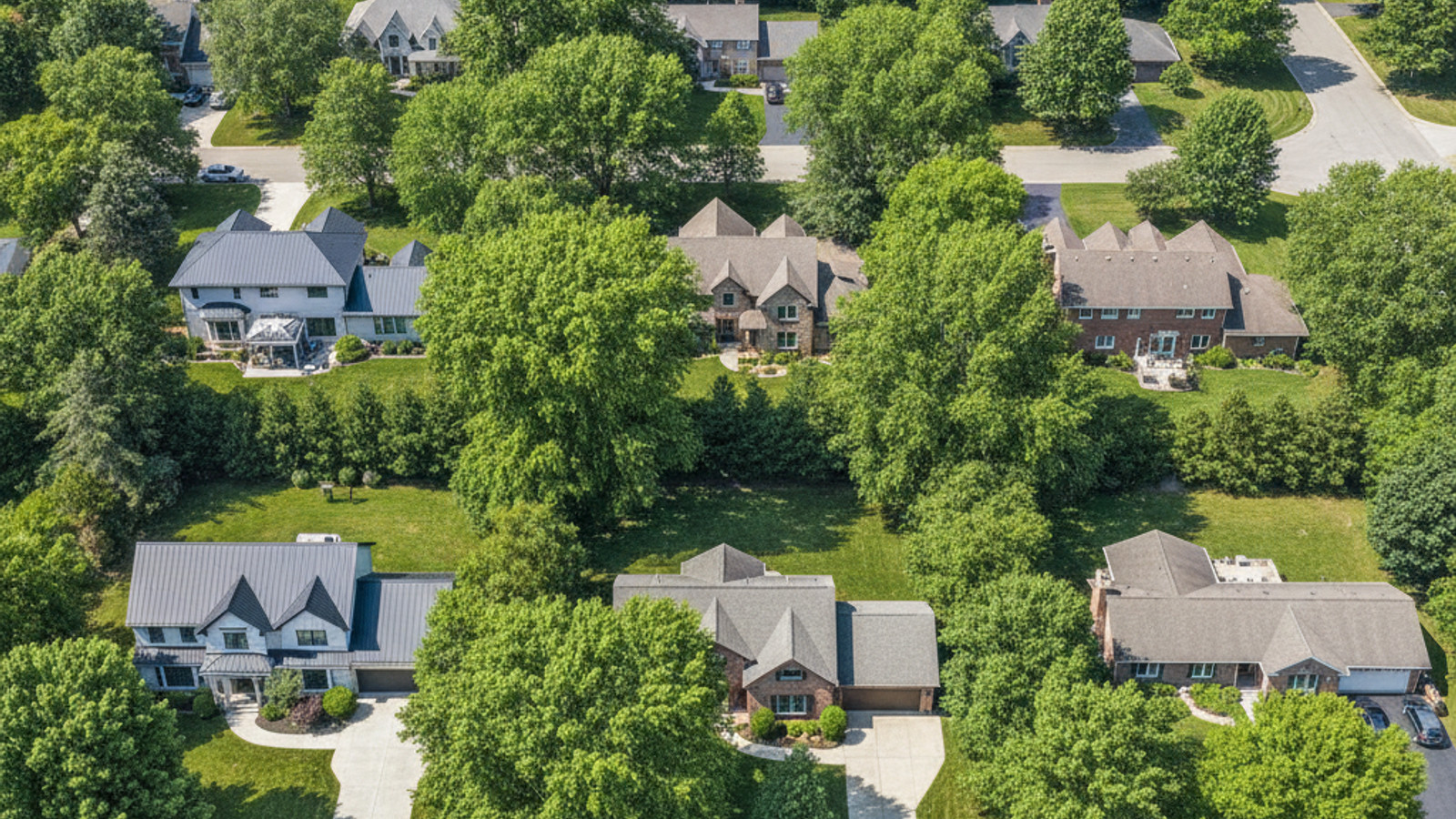
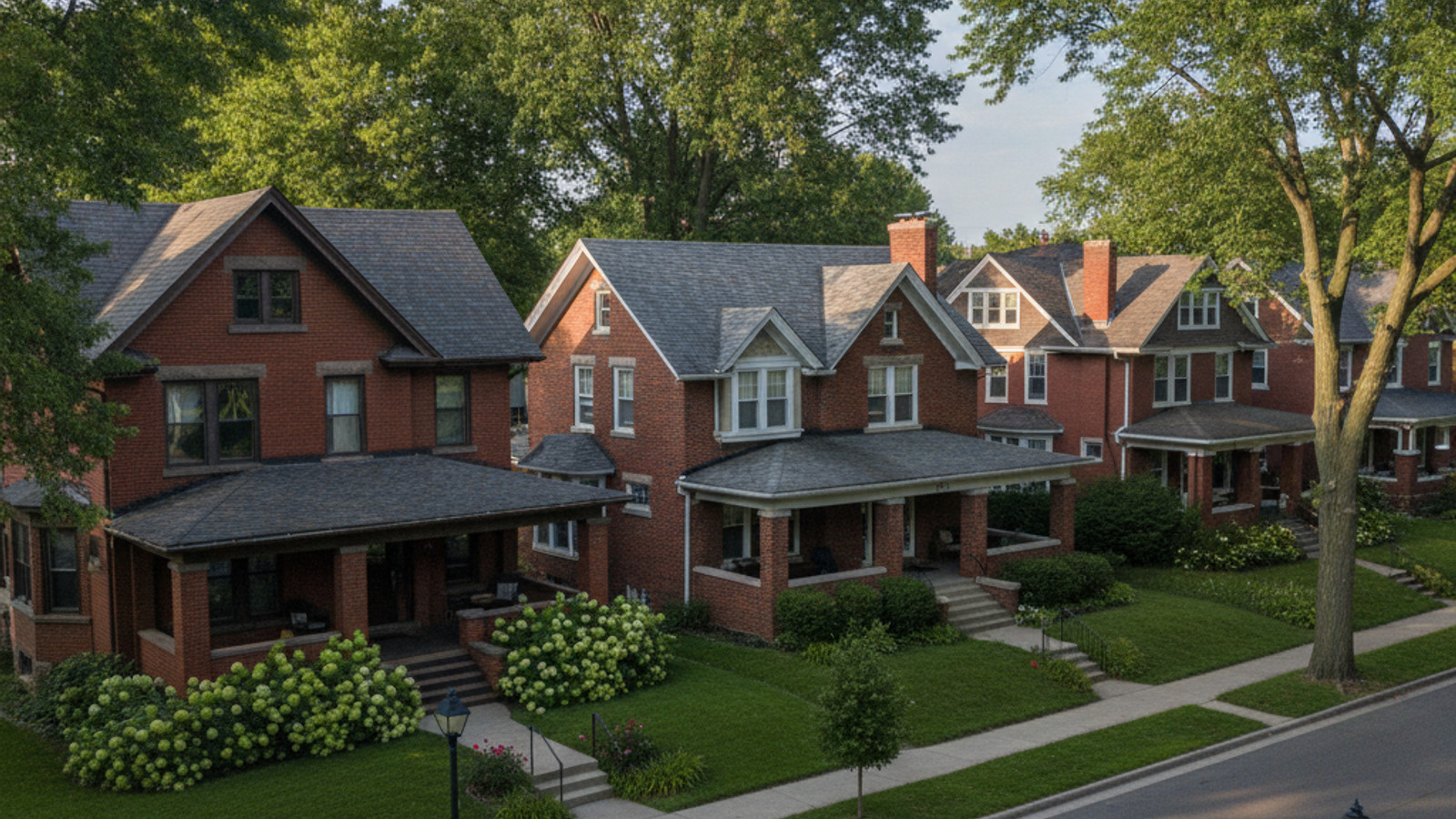
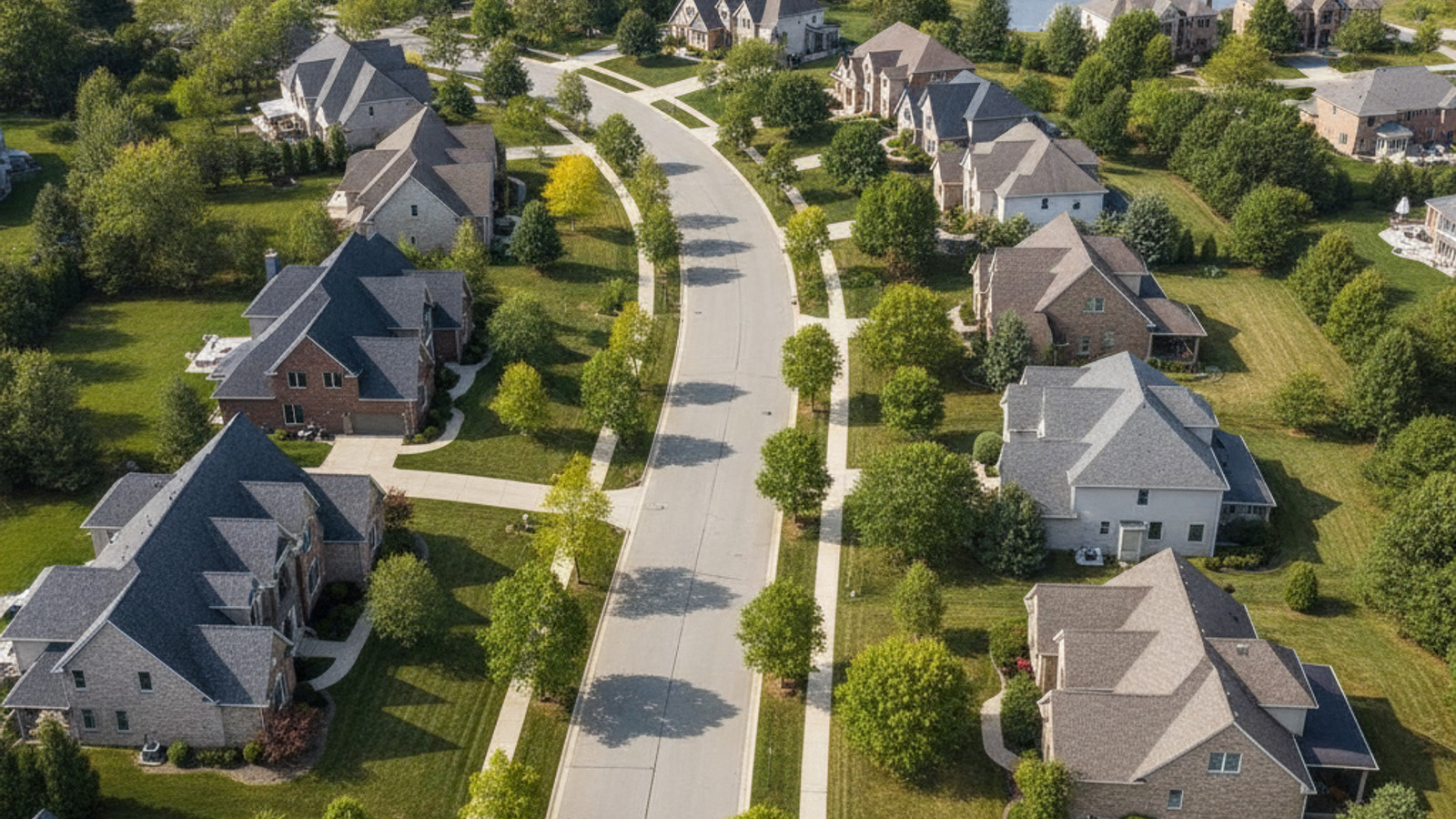
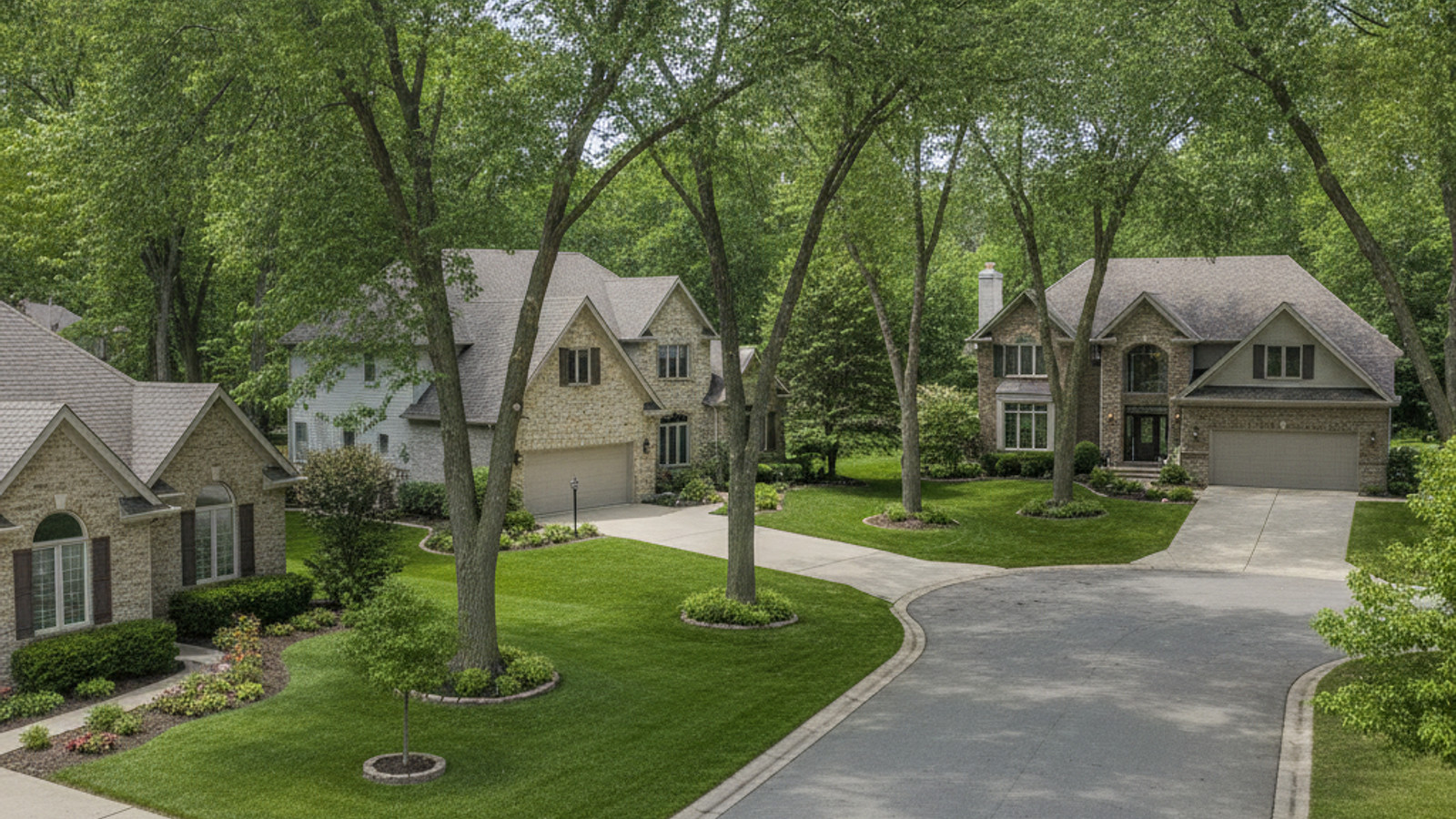
Because the crime statistics are so concentrated in commercial zones, where you choose to live makes a difference in how much activity you see. The city has distinct residential pockets that feel miles away from the hustle of the commercial corridors.
Northeast Auburn Hills The area toward the northeast, bordering Rochester Hills and near Oakland University, is generally considered the quietest residential zone. This area feels much more like a traditional bedroom community. The density of incidents here is very low because there is very little retail traffic to attract opportunistic theft.
Subdivisions away from I-75 If you look at incident maps, you will see “heat” along the I-75 corridor and Baldwin Road. This is where the hotels, restaurants, and big-box stores are. The residential subdivisions tucked away from these main arteries tend to have very low incident reports.
South/West Districts The areas immediately surrounding the major highway interchanges and retail centers naturally see higher incident counts. This doesn’t mean the housing is unsafe, but it does mean there is more transient traffic nearby. If you prioritize absolute quiet, looking for homes further inland from the highway is a smart move.
The ‘Mall Effect’: Great Lakes Crossing & Statistics
You cannot talk about safety in Auburn Hills without talking about Great Lakes Crossing Outlets. This is the largest outlet mall in Michigan, and it attracts millions of visitors every year. It is the single biggest factor skewing the city’s safety statistics.
When you have that much foot traffic and retail volume, you are inevitably going to have retail crime. Shoplifting, petty theft, and disorderly conduct reports at the mall are all recorded as crimes in Auburn Hills. Because these millions of visitors aren’t counted in the city’s population denominator, the per-capita crime rate skyrockets.
The Auburn Hills Police Department is very proactive here. They actually maintain a dedicated police substation at the mall to handle these specific incidents so that patrol cars aren’t constantly being pulled away from residential neighborhoods.
It is also worth noting that internet rumors tend to exaggerate the situation at the mall. You might see viral posts about things like sex trafficking rings, but local police have repeatedly investigated and debunked these claims. The reality is much more mundane: it’s a massive shopping center where people occasionally steal sneakers or break into cars to grab loose change. These issues rarely, if ever, spill over into the residential subdivisions just a mile away.
Safety Comparison: Auburn Hills vs. Neighbors
When you are looking at the cost of living in Auburn Hills and comparing it to nearby cities, you also have to compare the safety profiles. Auburn Hills sits in a unique middle ground between its two most prominent neighbors: Pontiac and Rochester Hills.
Vs. Pontiac Auburn Hills is significantly safer than Pontiac. Pontiac has historically struggled with higher crime rates, particularly violent crime, which is roughly 69% higher than in Auburn Hills. While Pontiac has some up-and-coming areas, the statistical difference in safety between the two cities is stark. Buyers moving from Pontiac to Auburn Hills often feel a tangible increase in safety and quiet.
Vs. Rochester Hills Rochester Hills is often cited as the “gold standard” for safety in Michigan, frequently ranking in the top tier for low crime. Compared to Rochester Hills, Auburn Hills has higher crime statistics. However, this is largely because Rochester Hills is primarily residential with less concentrated “destination” retail than Auburn Hills. Rochester Hills is quieter, but it also comes with a higher price tag for housing.
The Verdict Auburn Hills offers a practical balance. It is far safer and more stable than the urban core, but because it is a hub for jobs and shopping, it is busier and has higher property crime stats than the quietest bedroom suburbs.
Safety Tips for Residents & Visitors
Even though the violent crime rate is low, the property crime stats are real. The good news is that most of the crime in Auburn Hills is highly preventable. Because theft from auto is the most common issue, a few simple habits can virtually eliminate your risk.
- Lock your car doors: This sounds obvious, but police reports consistently show that a huge percentage of thefts from vehicles happen to unlocked cars.
- Hide your valuables: If you are parking at Great Lakes Crossing, Costco, or even your gym, do not leave laptops, gym bags, or electronics in plain sight.
- Be aware in parking lots: The biggest risk areas are the massive parking lots. Just staying off your phone and being aware of your surroundings is usually enough to deter trouble.
- Use the ‘Safe Trade Zone’: If you are buying or selling something on Facebook Marketplace, the Auburn Hills Police Department offers a “Safe Trade Zone” in their parking lot. It’s monitored and lighted—the perfect spot to meet a stranger for a transaction.
Frequently Asked Questions
Is Auburn Hills safe at night?
Yes, the city is generally safe at night. The residential areas are quiet. However, visitors should exercise standard caution in large commercial parking lots like those at the mall or movie theaters, just as you would in any busy public area.
What is the crime rate in Auburn Hills compared to the national average?
It is a split story. The violent crime rate is lower than the national average, meaning physical safety is high. The property crime rate is higher than the national average, driven largely by retail theft and commercial activity.
Is Oakland University campus safe?
Yes, Oakland University is considered very safe. The university maintains its own police force, and crime statistics on campus are historically very low compared to the surrounding general public areas.
Is the area around Great Lakes Crossing safe?
The area is safe for personal security, but it has a higher risk of petty theft. While you are unlikely to be physically threatened, there is a higher statistical chance of shoplifting or theft from vehicles in the commercial lots compared to residential zones.