If you are looking to move to Oakland County, you’ve likely noticed that Auburn Hills and Rochester Hills sit right next to each other. In fact, if you drive down Adams Road or Auburn Road, you might cross the border without even realizing it. However, despite sharing a boundary, these two cities have distinctly different “vibes,” price points, and lifestyles.
Think of it this way: Auburn Hills is the energetic, commercial hub. It’s where the jobs are (thanks to Stellantis), where the massive retail centers are, and where you can find entry-level housing affordability that is hard to beat in this county.
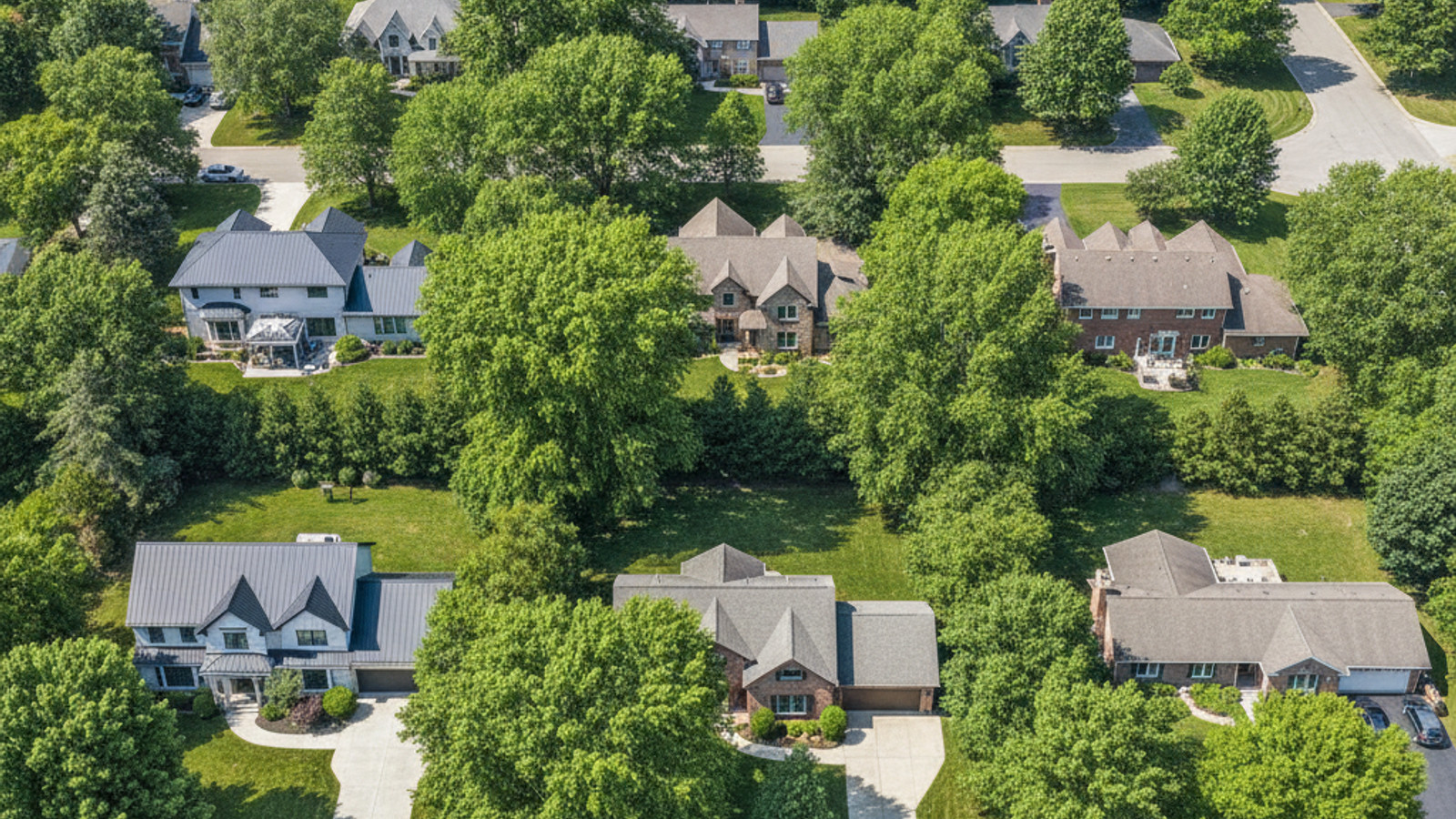
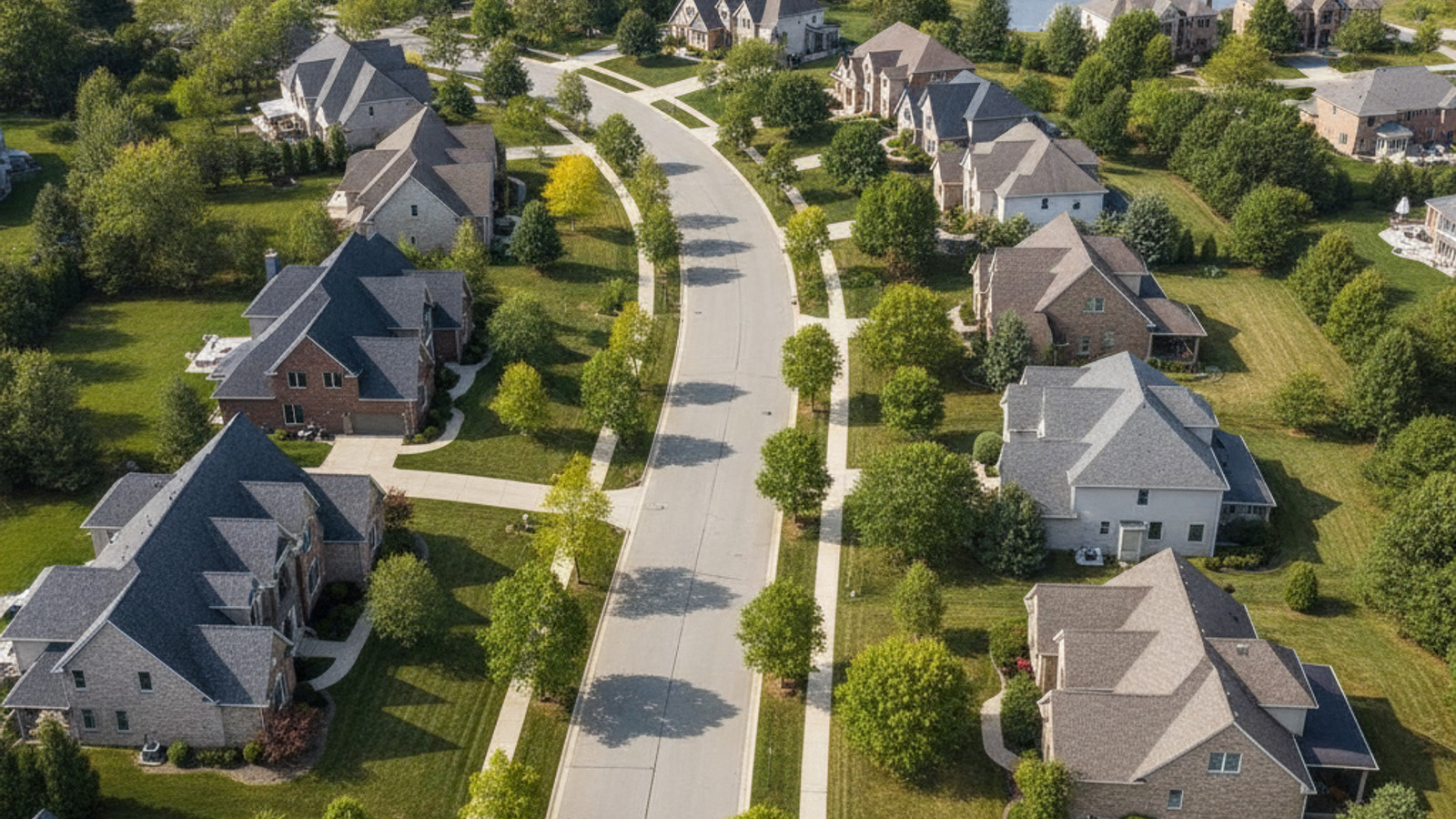
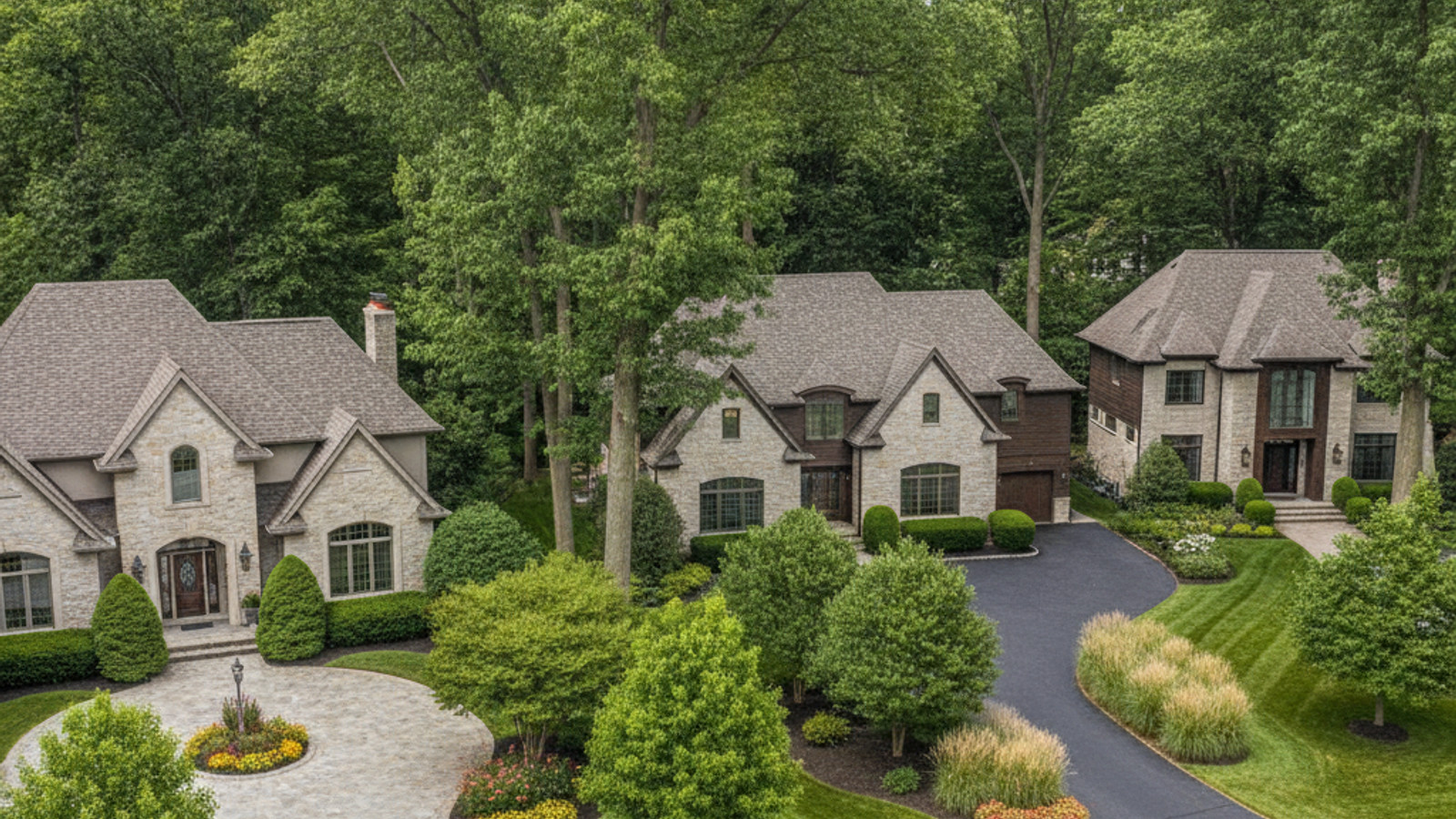
Rochester Hills, on the other hand, is the manicured residential sanctuary. It’s known for sprawling subdivisions, tree-lined boulevards, and a quiet atmosphere that feels removed from the hustle, even though it’s just a few miles east.
Here is a quick snapshot of how they compare on the big three factors:
- Median Home Price: Auburn Hills is generally more affordable ($270,000–$335,000), while Rochester Hills commands a premium ($450,000+).
- Primary School Districts: Rochester Hills is consistent (mostly Rochester Community Schools), while Auburn Hills is a complex mix (Avondale, Pontiac, and Rochester).
- Commute: Auburn Hills offers instant freeway access; Rochester Hills offers seclusion at the cost of a longer drive.
Let’s break down the numbers and the neighborhoods so you can decide which side of the border belongs on your shortlist.
Housing Costs & Real Estate Market (2026 Data)
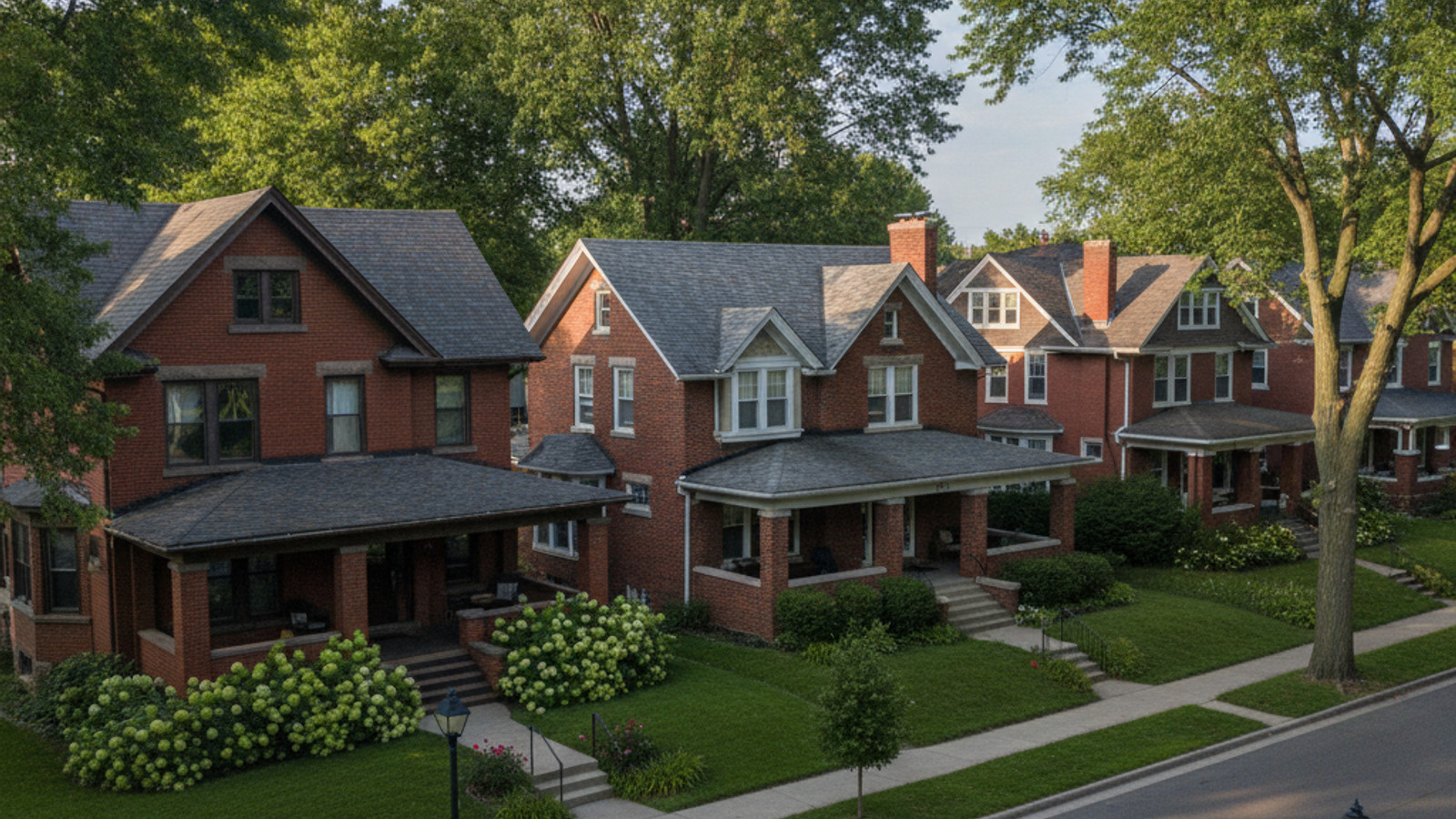
When we sit down with buyers, the first conversation is usually about budget. This is where the divide between these two cities is most apparent. Auburn Hills is often the go-to for first-time homebuyers or those looking to downsize without leaving the area. You can find a healthy mix of entry-level single-family homes, manageable condos, and newer developments springing up.
The market here can be volatile because the housing stock is so varied—ranging from small post-war bungalows to large new construction near the golf courses. Current estimates place the median value in Auburn Hills somewhere between $270,000 and $335,000. However, because of that mix, it is vital to look at sold comparables for the specific neighborhood you are eyeing.
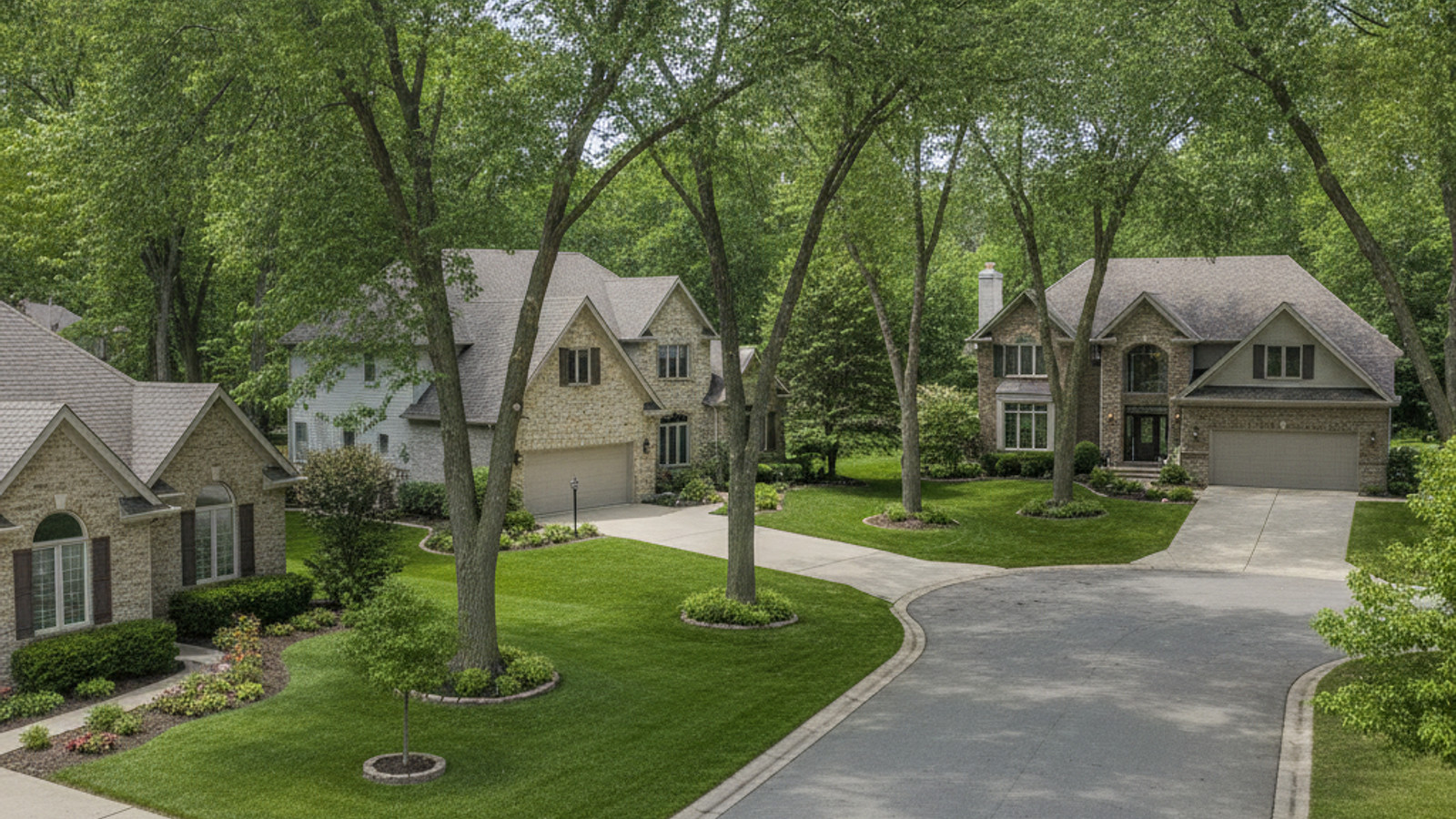
Rochester Hills is a different animal. This is typically a “move-up” market. You are paying for larger lots, significantly higher square footage, and the prestige of the zip code. You will find luxury estates and premium subdivisions where median values hover closer to $450,000, with many homes soaring well above that into the millions.
If you are looking to rent rather than buy, Auburn Hills tends to have more inventory, specifically regarding apartment complexes. This is largely driven by the tech corridor and the proximity to Oakland University, creating a robust rental market.
The School District Divide: A Critical Differentiator
If education is a priority for your move, pay close attention to this section. In real estate, school districts drive property values, and the map here is not as simple as “City A equals District A.”
Rochester Hills is fairly consistent. The vast majority of the city is served by Rochester Community Schools, which is widely recognized for high ratings and a student-teacher ratio of around 19:1. A small southern portion of the city falls into the Avondale School District, but for the most part, buying here means you know what you are getting.
Auburn Hills is much more complex. The city is essentially a puzzle piece of three different districts:
- Avondale School District: Covers about 40% of the city. This is a solid, diverse district that serves as a middle ground for many residents.
- Pontiac School District: Covers roughly 40% of the city. Homes located in this zone often have lower price points compared to the rest of the city.
- Rochester Community Schools: Covers the northern tip (about 20%).
Here is the reality check: Buying a house with an “Auburn Hills” mailing address does not automatically get you into Rochester schools. You must verify the specific school assignment for any address you are interested in. This district variance is a huge factor in why home prices fluctuate so wildly within Auburn Hills.
Property Taxes: Millage Rates and Bang for Your Buck
The good news for both cities is that neither Auburn Hills nor Rochester Hills levies a local city income tax. This is a significant saving compared to working or living in cities like Pontiac or Detroit.
However, property taxes are a different story. In Michigan, your property tax rate (millage) is heavily influenced by your school district. Because Auburn Hills is split between three districts, your tax bill can look very different depending on which street you live on.
Generally speaking, the total millage rate for homeowners in the Pontiac or Avondale districts of Auburn Hills can be higher than the rate for homeowners in Rochester Hills. Auburn Hills also charges a 1% administration fee on taxes.
The trade-off often looks like this: You might pay a higher purchase price for a home in Rochester Hills, but the tax rate (millage) is often comparable to, or sometimes slightly lower than, the higher-millage zones in Auburn Hills. Always ask for a tax estimate sheet before closing so you aren’t surprised by the monthly payment.
Lifestyle: Shopping Malls vs. Nature Trails
How do you like to spend your Saturday afternoons? Your answer might determine which city fits your lifestyle better.
Auburn Hills is the commercial powerhouse of the region. It is home to Great Lakes Crossing Outlets, which isn’t just a mall—it’s a regional destination with an aquarium, Legoland, and a massive food court. If you love high-energy entertainment, you have Topgolf and HUB Stadium right in your backyard. The dining scene here leans heavily toward popular chains and fast-casual spots that service the corporate crowd and mall traffic.
Rochester Hills leans into leisure and nature. Instead of an indoor outlet mall, you have The Village of Rochester Hills, an upscale outdoor lifestyle center with fountains, fire pits, and walkable boutiques.
For outdoor enthusiasts, Rochester Hills is hard to beat. The city recently invested heavily in Innovation Hills, a massive regional park with boardwalks and sensory playgrounds. You also have easy access to the Paint Creek Trail and the Clinton River Trail. While Rochester Hills doesn’t have a traditional “downtown,” it functions as the residential wing to Downtown Rochester. Residents are just minutes away from the historic Main Street, the holiday light shows, and the independent restaurants that give the area its charm.
Commute & Location: I-75 Convenience vs. Suburban Seclusion
The physical layout of these cities dictates the daily commute.
Auburn Hills is bisected by I-75 and M-59. It was built for connectivity. If you work at the Stellantis HQ, attend Oakland University, or need to commute to Troy, Detroit, or Flint, the access here is unbeatable. You can be on the freeway in two minutes. The downside? You live with the hum of the highway, and major intersections like Adams Rd and M-59 can get congested during rush hour.
Rochester Hills is located primarily east of the highways. To get to I-75, most residents have to drive 10 to 15 minutes west through surface streets. That adds time to a commute—getting to downtown Detroit from here takes about 40 to 45 minutes compared to 30 minutes from Auburn Hills. However, the reward is silence. The neighborhoods are quieter, set back from the freeway roar, and feel more secluded.
Crime Rates & Safety
When looking at safety statistics, context is everything. Rochester Hills is consistently ranked as one of the safest cities in Michigan, often receiving A or A- grades on various neighborhood rating platforms. It is a quiet, residential-heavy community.
Auburn Hills sometimes shows higher property crime statistics on paper, usually landing in the B- range. However, it is important to understand why. Auburn Hills houses Great Lakes Crossing Outlets, one of the largest retail centers in the state. Retail theft and parking lot incidents at the mall get factored into the city’s overall crime stats, which skews the numbers per capita. The residential neighborhoods in Auburn Hills are generally quiet and safe, but the high density of retail traffic impacts the overall data.
Final Verdict: Which City is Right for You?
Choosing between these two really comes down to what you value most in your daily life and your budget.
You should choose Auburn Hills if:
- You are looking for affordability and value, perhaps as a first-time buyer.
- You want an instant commute with immediate access to I-75 and M-59.
- You enjoy being close to the action, major retail, and entertainment hubs.
- You work at Stellantis or Oakland University and want a short drive home.
You should choose Rochester Hills if:
- You are looking for a “forever home” in a luxury or move-up market.
- Access to the Rochester Community Schools district is your top priority.
- You prefer a quiet, wooded neighborhood away from the noise of the highway.
- You want easy access to the lifestyle amenities of The Village and Downtown Rochester.
Frequently Asked Questions
Does Auburn Hills have good schools?
Auburn Hills is served by three different districts, so the answer depends on your address. Some homes are in the highly-rated Rochester Community Schools district, while others are in the Avondale or Pontiac School Districts. It is essential to check the specific school assignment for any home you view.
Is it cheaper to live in Auburn Hills or Rochester Hills?
Housing is significantly cheaper in Auburn Hills, with median home prices ranging from $270,000 to $335,000 compared to $450,000 or more in Rochester Hills. However, property tax rates can sometimes be higher in Auburn Hills depending on the school district millage.
Do Auburn Hills and Rochester Hills share a downtown?
No, they are separate cities. Rochester Hills residents typically utilize the historic Downtown Rochester (a separate municipality) for dining and events. Auburn Hills has a small, developing downtown area along Auburn Road, but it is smaller and quieter than Downtown Rochester.
What is the tax difference between Auburn Hills and Rochester Hills?
Neither city charges a local income tax. The main difference lies in property taxes; Auburn Hills residents may pay different millage rates based on whether they are in the Avondale, Pontiac, or Rochester school zone, plus a 1% administrative fee. Rochester Hills has a more consistent tax rate across the city.