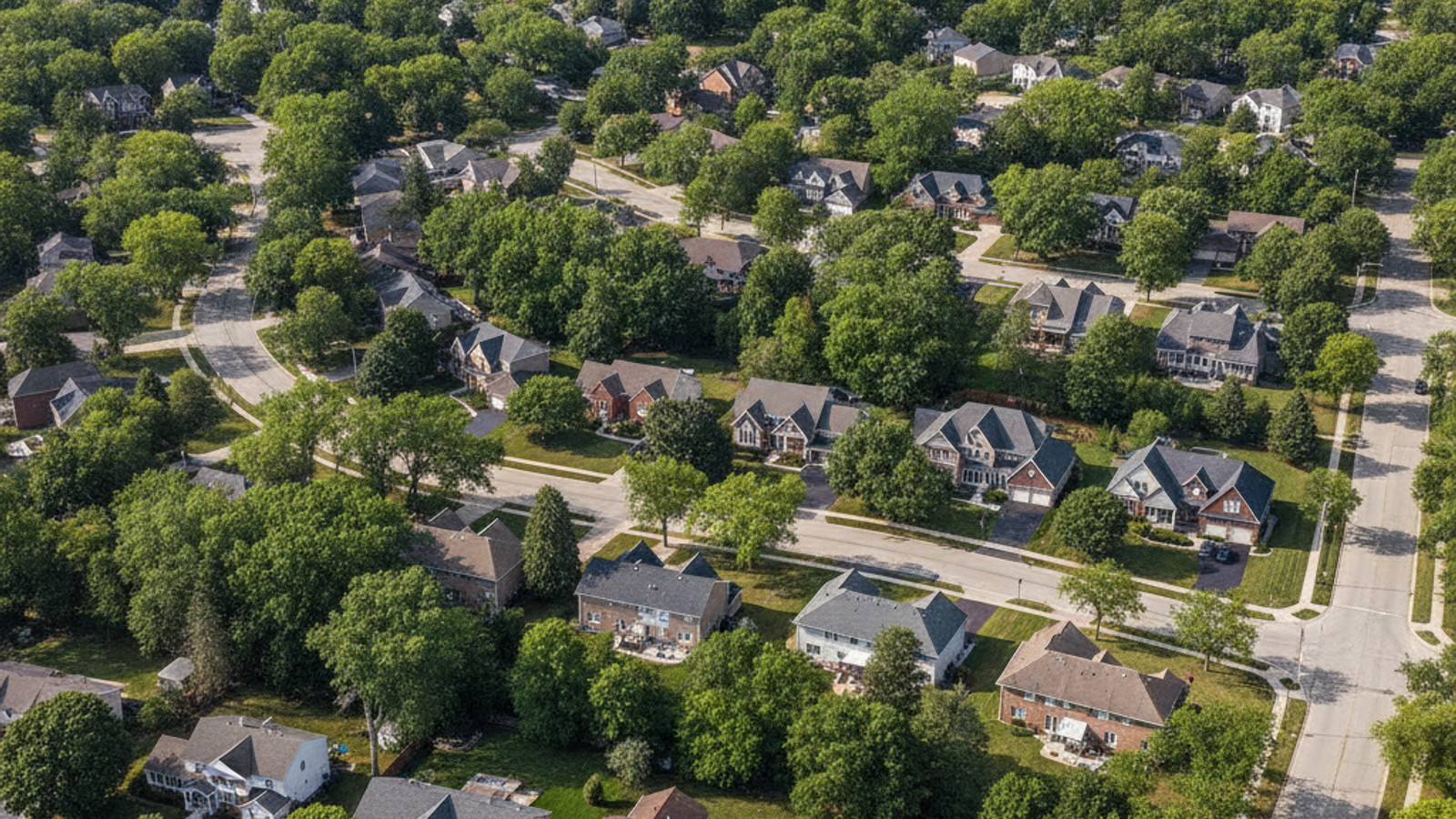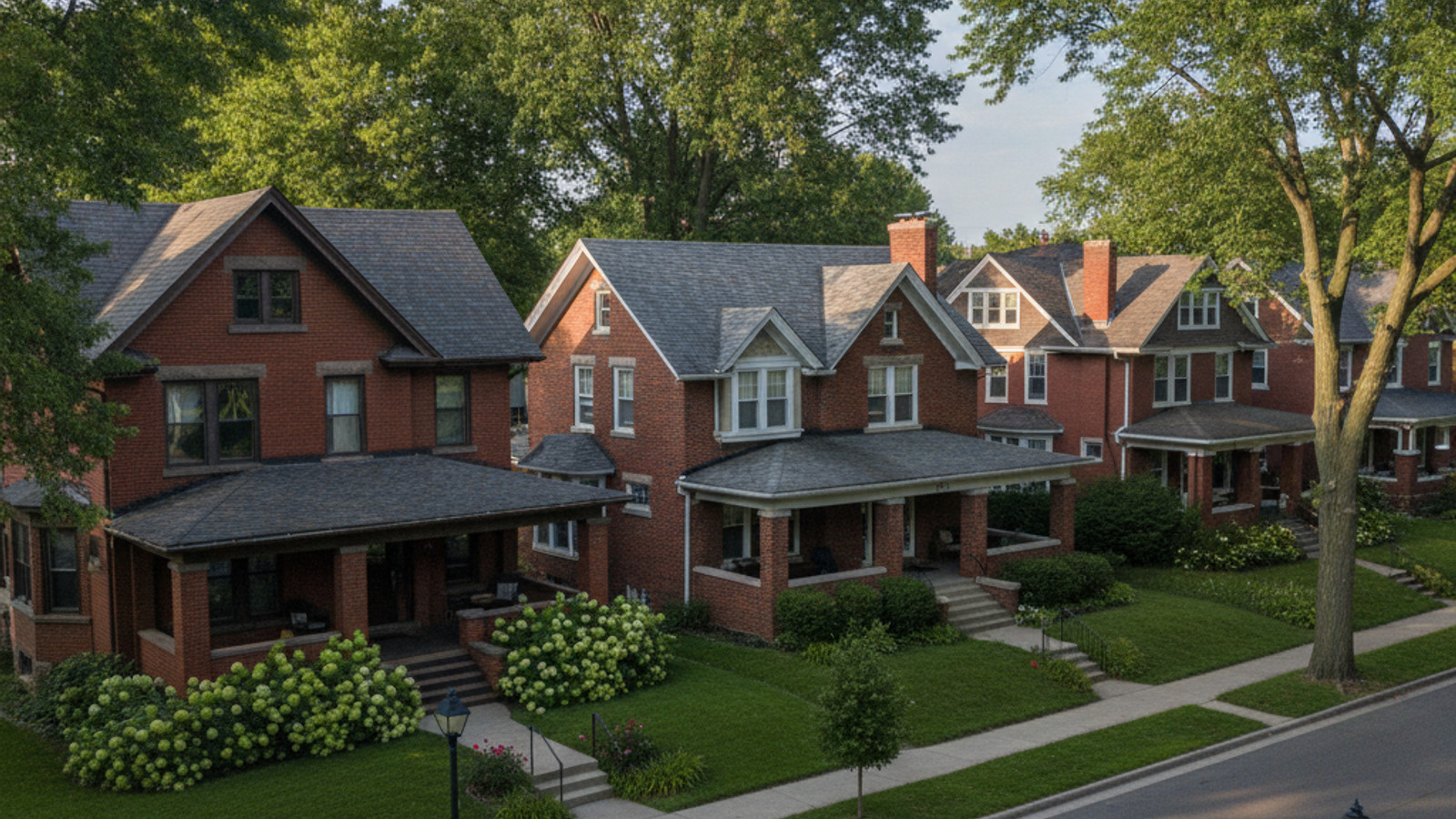
Relocating to Metro Detroit often means weighing commute times against housing prices, but Auburn Hills offers a distinctly balanced financial profile. Situated in the northern portion of Oakland County, this city serves as a major economic hub anchored by the global automotive industry. Buyers looking at homes for sale in Auburn Hills often find a housing market that defies the aggressive pricing seen in other parts of the country.
Understanding the daily expenses here requires looking beyond just the sticker price of local real estate. While the area offers significant savings on housing and utilities, certain lifestyle costs require careful budgeting to avoid surprises. Evaluating the full financial picture helps buyers and renters make highly confident decisions about putting down roots in this part of Michigan.
The financial landscape of the city appeals directly to buyers seeking proximity to major corporate headquarters without the premium price tag of neighboring suburbs. Analyzing the specific data points provides a clear roadmap for managing a household budget in the area. This breakdown of expenses highlights exactly what to expect when moving to the region.
An Overview of the Cost of Living in Auburn Hills, MI
The overall financial landscape in this part of Oakland County is highly favorable for incoming residents. The baseline cost of living sits approximately 8 percent lower than the national average. This creates a strong foundation for building long-term equity without sacrificing daily comforts.
Housing affordability is the primary engine driving these impressive regional savings. Buyers and renters immediately notice that their dollar stretches much further when securing a primary residence. However, it is important to note that other categories like transportation and healthcare sit slightly above national benchmarks.
The local quality of life balances exceptionally well with everyday living expenses in the Metro Detroit region. Residents benefit from robust civic amenities and well-maintained infrastructure that easily justify the local tax base. Ultimately, the deep discounts on real estate make living in Auburn Hills a net financial win for most households.
Auburn Hills Housing Costs: Buying vs. Renting
Real estate is where this city truly shines for budget-conscious movers looking to maximize their purchasing power. Whether you are looking to purchase a property or sign a lease, the market offers highly accessible entry points.
For buyers entering the market, the current median home value ranges from approximately $285,000 to $305,000. This pricing is remarkably affordable compared to the national median, allowing buyers to secure larger properties or better locations. The lower barrier to entry means that homeownership is a realistic goal for a broad segment of the local workforce.
The rental market provides equally compelling options for those not quite ready to purchase a home. Average apartment rents typically fall between $1,300 and $1,600 per month across the city. These rates will naturally fluctuate based on the total square footage of the unit and the proximity to major commercial centers.
Property taxes are a crucial factor when calculating a comprehensive monthly housing budget. The local effective property tax rate sits at roughly 1.24 percent for residential parcels. While this adds to the monthly carrying cost, the significantly lower principal loan amounts keep total housing payments well within reason.
Utility Bills and Everyday Groceries
Managing a household budget involves tracking the recurring monthly expenses that keep a property running smoothly. Auburn Hills offers a highly predictable and manageable environment for these daily baseline costs.
Average monthly utility bills for a typical household run roughly 5 percent below the national average. This category includes standard residential services like electricity, natural gas, water, and trash collection. Michigan winters certainly require dedicated heating budgets, but the overall utility rates remain highly competitive for the Midwest region.
Everyday goods and services align very closely with standard national pricing trends. Typical grocery runs are approximately 1 percent higher than the national average across local supermarkets. This minor premium is barely noticeable in a standard weekly budget for most residents.
These everyday expenses support the overall affordability of living in Oakland County. When combined with the noticeable savings on utilities, the slight bump in grocery costs becomes a non-issue. Residents enjoy a highly stable environment for managing their month-to-month cash flow without extreme seasonal spikes.
Transportation Expenses and Commute Times
Getting around Oakland County requires factoring transportation directly into your overall financial plan. The sprawling layout of the region makes reliable vehicle ownership a practical necessity for daily life.
Typical transportation expenses sit about 3 percent higher than the national average. This category accounts for local gas prices, routine vehicle maintenance, and mandatory auto insurance premiums. While regional public transport options exist, the vast majority of residents rely on personal vehicles to navigate the area.
The premium paid for transportation is largely offset by highly efficient travel routes and highway access. Average commute times for local professionals hover between 21 and 23 minutes each way. Direct access to I-75 allows drivers to move quickly through the corridor and reach surrounding cities with ease.
The proximity to major employment hubs drastically reduces the daily driving burden for many locals. Workers commuting to the Stellantis North America Headquarters or other local corporate campuses spend very little time sitting in traffic. This efficiency reclaims valuable hours each week and reduces long-term wear and tear on personal vehicles.
Healthcare Costs in Auburn Hills
Planning for medical expenses is a vital part of any successful relocation strategy. Health care costs in Auburn Hills sit approximately 11 percent higher than the national average.
This premium reflects the typical out-of-pocket expenses for standard medical, dental, and optometry visits. Residents should expect to pay slightly more for routine checkups, urgent care visits, and prescription services. Factoring these specific rates into an annual budget ensures there are no surprises when seeking necessary care.
The trade-off for these higher costs is immediate access to exceptional regional medical facilities. Oakland County is home to expansive healthcare networks, modern hospitals, and highly specialized treatment centers. Paying a slight premium is a fair exchange for the peace of mind that comes with top-tier medical infrastructure.
Job Market, Education, and Local Lifestyle
A lower cost of living is only advantageous if the local economy supports strong and consistent wages. Auburn Hills delivers a robust job market anchored by global manufacturing, technology, and engineering firms.
The median household income ranges from $78,000 to $84,000, providing residents with solid purchasing power. Major employers like Stellantis, BorgWarner, and Oakland University drive the local economy forward. This heavy concentration of corporate headquarters creates a highly resilient employment landscape for the local workforce.
The educational framework of the area adds significant value to the local housing market. Properties fall within the established boundaries of either the Avondale School District or the Pontiac School District. The presence of Oakland University also brings cultural events, continuing education programs, and collegiate athletics directly to the community.
Local amenities round out the lifestyle without requiring expensive memberships or long regional drives. Residents have quick access to massive retail hubs like Great Lakes Crossing Outlets and outdoor recreation at Riverside Park. These features provide highly accessible entertainment options that enhance the daily experience of living in Auburn Hills.
Frequently Asked Questions About Living in Auburn Hills
Is Auburn Hills an expensive place to live?
Auburn Hills is generally less expensive than the national average. This affordability is primarily driven by highly accessible housing prices that fall well below national benchmarks. When compared to neighboring cities within Oakland County, it offers a budget-friendly entry point without sacrificing access to regional amenities.
What salary do you need to live comfortably in Auburn Hills, Michigan?
A target income between $52,000 and $64,000 annually is typically recommended for a single renter. This range keeps housing expenses at or below 30 percent of gross income based on current average rent prices. With the local median household income sitting around $80,000, most residents find it entirely possible to maintain a comfortable standard of living here.