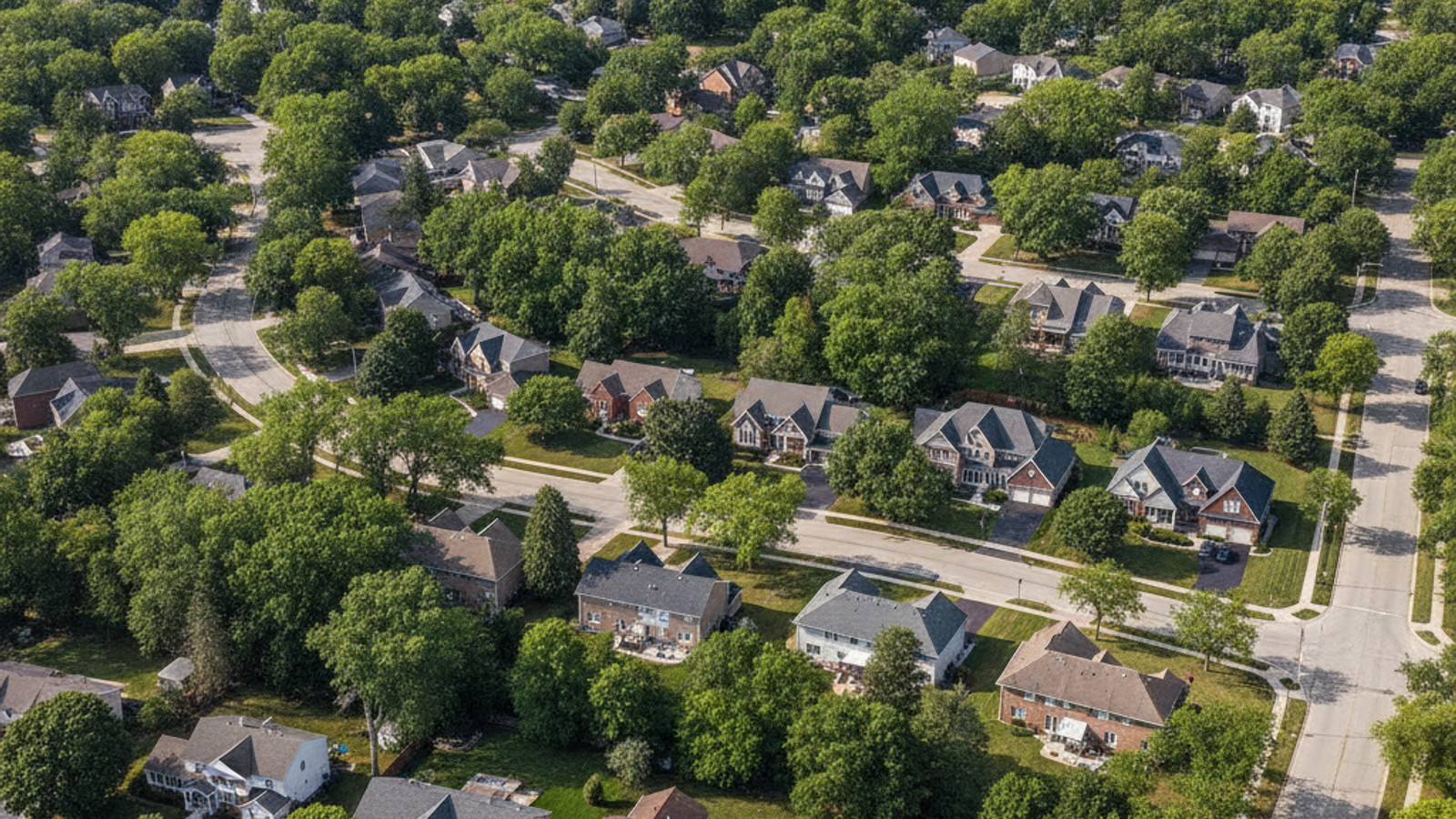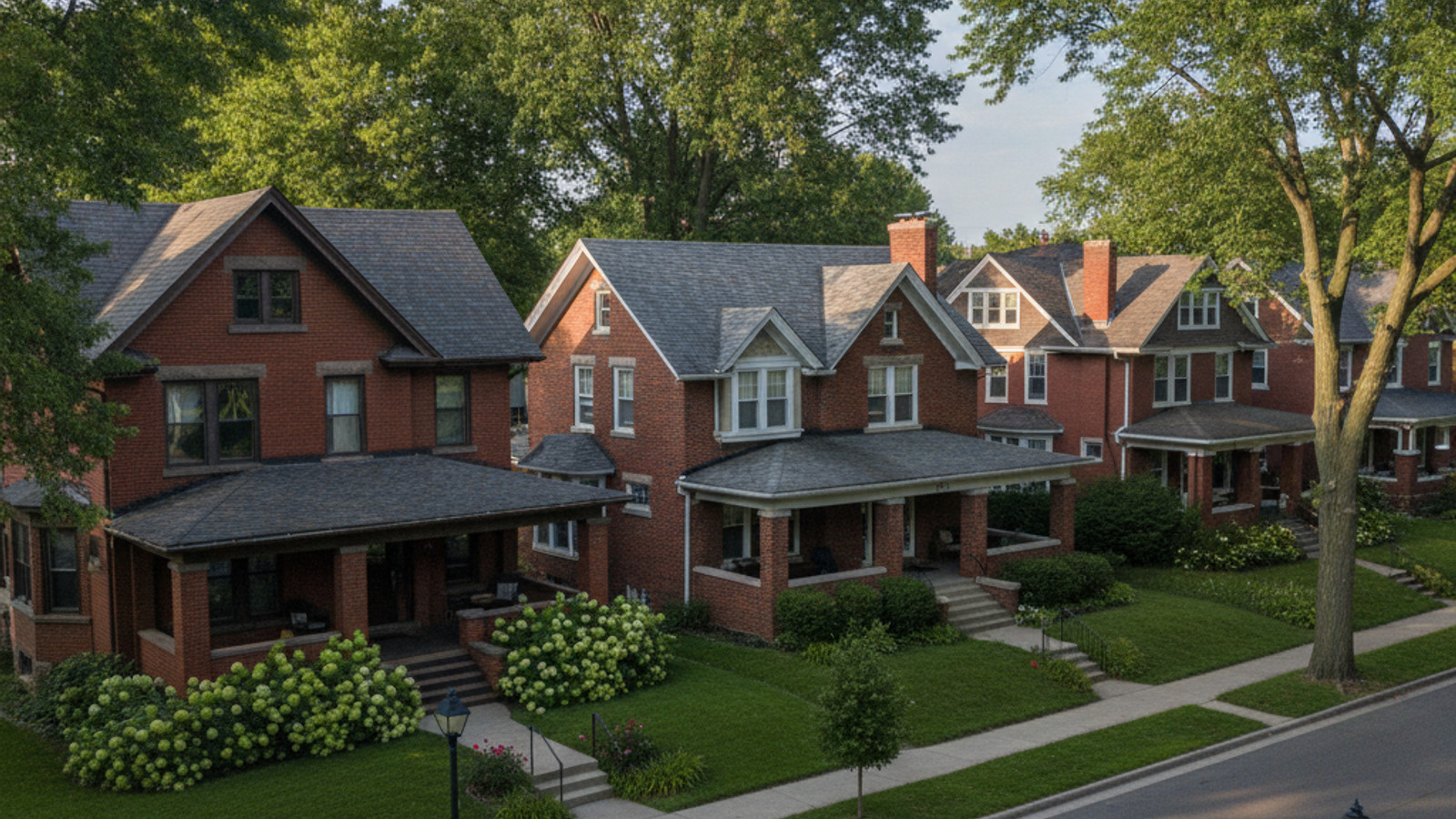
Understanding the local employment landscape is a critical first step when evaluating homes for sale in Auburn Hills. This Oakland County city operates as a major economic engine for Metro Detroit. It draws thousands of workers to its corporate campuses every single day.
Buyers looking at living in Auburn Hills often find that the area’s strong commercial base directly influences housing availability. The steady influx of new hires keeps the local real estate market moving at a brisk pace.
The Auburn Hills Economy and Top Employers
The economic environment in this part of Michigan is heavily anchored by global corporations and advanced manufacturing facilities. A diverse workforce travels here daily to support operations ranging from automotive design to software engineering.
This high concentration of global headquarters makes Auburn Hills a powerful net importer of jobs in Oakland County. Cities that import jobs typically see sustained housing demand because employees value living close to their workplace.
This steady corporate presence creates a highly resilient local real estate market.
The Automotive and Technology Sector
Advanced manufacturing and automotive innovation form the backbone of the local commercial sector. These massive corporate campuses dominate the city’s commercial zones and provide stable employment for thousands of residents.
Several major international companies maintain significant operations within the city limits. These key employers include:
- Stellantis North America headquarters
- BorgWarner
- Nexteer Automotive
- Continental Automotive Systems
- Faurecia Interior Systems
Local Job Growth and Salary Trends
Current employment metrics show a strong demand for engineering, manufacturing, and technical support roles. The median household income in the area sits at approximately $84,375 for 2026.
Specialized engineering and technical roles frequently offer compensation ranging from $80,000 to over $150,000 annually. These strong local salaries provide robust purchasing power for buyers navigating the current housing inventory. High wages consistently translate into competitive offers on well-maintained homes.
Commuting and Transportation in Metro Detroit
A well-connected transportation network is essential for supporting the massive daily influx of workers into the city. The local infrastructure is designed to handle heavy commuter traffic efficiently during peak morning and evening hours.
Direct access to major expressways significantly reduces the daily commuting burden compared to national averages. Buyers often prioritize properties located within a few miles of these primary transit corridors. Doing so allows them to optimize their daily routines and reclaim personal time.
Highway Access and Average Commute Times
The city benefits from immediate proximity to critical routes like Interstate 75 and M-59. These major arteries allow workers to navigate across Oakland County and into downtown Detroit with relative ease.
The average one-way commute time for residents is approximately 21 to 22 minutes. This travel duration compares favorably to broader state averages.
Regional Transit Options
While over 77% of local residents commute by personal vehicle, public transportation remains an option for navigating the region. The Suburban Mobility Authority for Regional Transportation operates bus routes throughout the area.
These regional bus services provide vital workforce connectivity for those seeking alternatives to driving. Properties located near major transit stops often retain strong value due to the added convenience for daily commuters.
The Real Estate Landscape Near Employment Hubs
There is a direct relationship between strong local wages and sustained property values in this market. The steady arrival of new corporate hires creates consistent competition for available properties.
The relatively tight inventory means incoming corporate employees must act decisively when securing housing. Buyers should anticipate a fast-paced market where reasonably priced homes receive attention quickly.
Preparation is absolutely essential for buyers entering this specific market.
Average Home Prices and Housing Styles
The residential market offers a mix of single-family homes, established townhouses, and newer construction developments. This variety provides options for different budgets and space requirements.
Current market data highlights the competitive nature of securing a property near these employment centers. Key housing metrics for early 2026 include:
- Median home list prices range from approximately $275,000 to $305,000.
- Average rental rates sit between $1,600 and $1,800 per month.
- Properties typically sell in a median of 21 to 31 days.
Proximity to Retail and Commercial Centers
Extensive commercial infrastructure supports the large residential and workforce populations. The massive retail and service sectors also employ thousands of workers locally.
Major destinations like Great Lakes Crossing Outlets provide extensive shopping and dining options within the city. Living near these massive commercial hubs adds distinct convenience and long-term value to nearby residential properties.
Local Educational Institutions and Workforce Training
Higher education plays a crucial role in supplying a skilled talent pool to local employers. There is a strong synergy between nearby universities and the corporate campuses seeking fresh talent.
Oakland University operates right in the area, awarding over 4,300 degrees annually. Oakland Community College also maintains a strong presence by offering specialized training and certification programs.
A steady pipeline of university graduates helps sustain the local technology and automotive sectors, keeping property demand consistent. This educational infrastructure ensures that companies have the workforce necessary to maintain long-term operations here.
Frequently Asked Questions
What are the major industries driving the Auburn Hills job market?
Automotive manufacturing, engineering, and technology are the primary economic drivers in the city. These sectors supply thousands of jobs ranging from assembly line production to advanced software development. The heavy concentration of global headquarters provides significant economic stability.
What is the average commute time in Auburn Hills, MI?
The average one-way commute for residents is approximately 21 to 22 minutes. This efficient travel time is largely due to immediate access to major highways like I-75 and M-59. Many workers enjoy shorter commutes than the national average.
What manufacturing and entry-level jobs are available in the city?
The city offers a wide availability of advanced manufacturing, warehouse, and retail positions. Major logistics hubs and retail centers like Great Lakes Crossing Outlets frequently hire for entry-level roles. These positions provide accessible entry points into the robust local workforce.