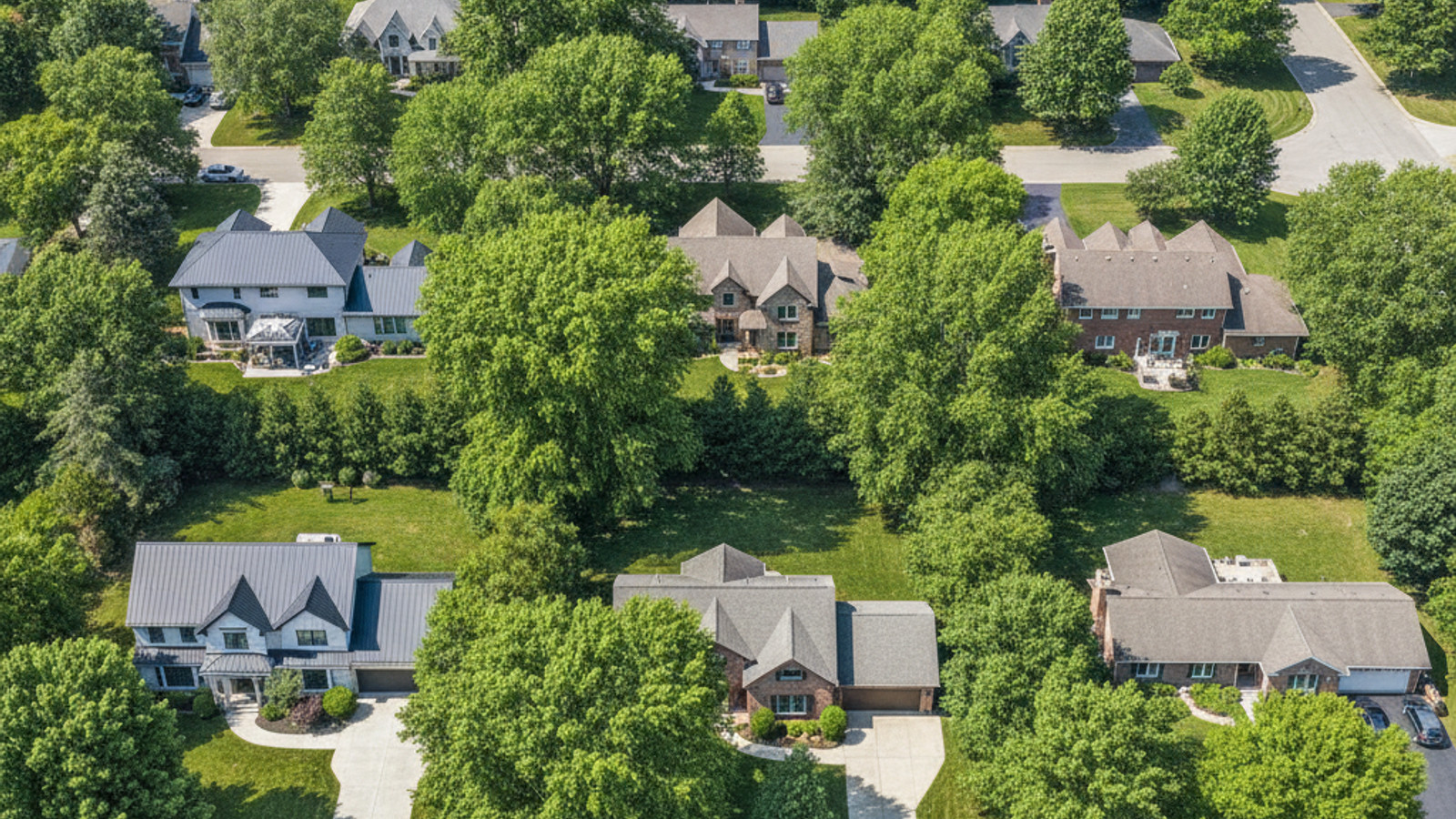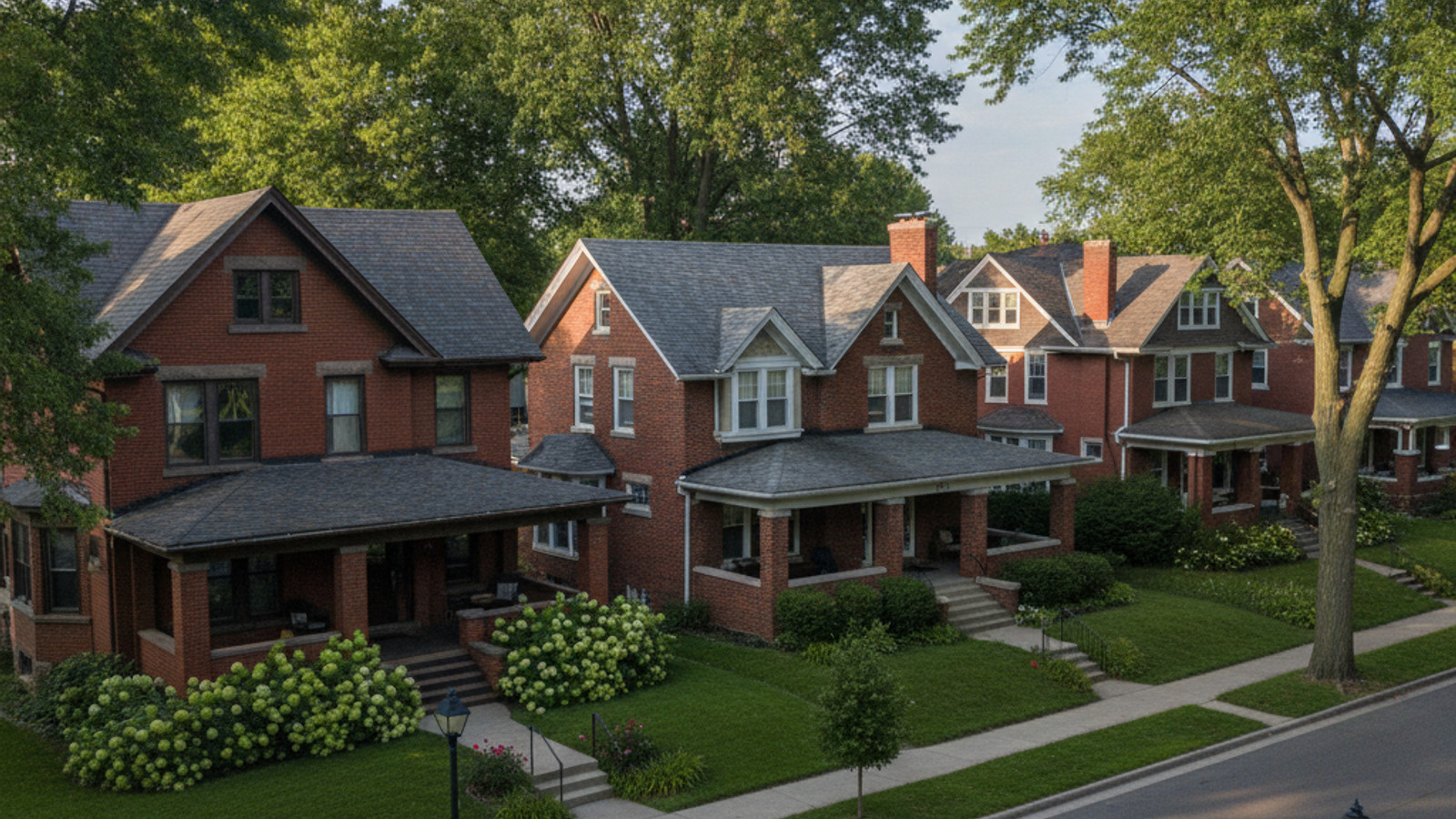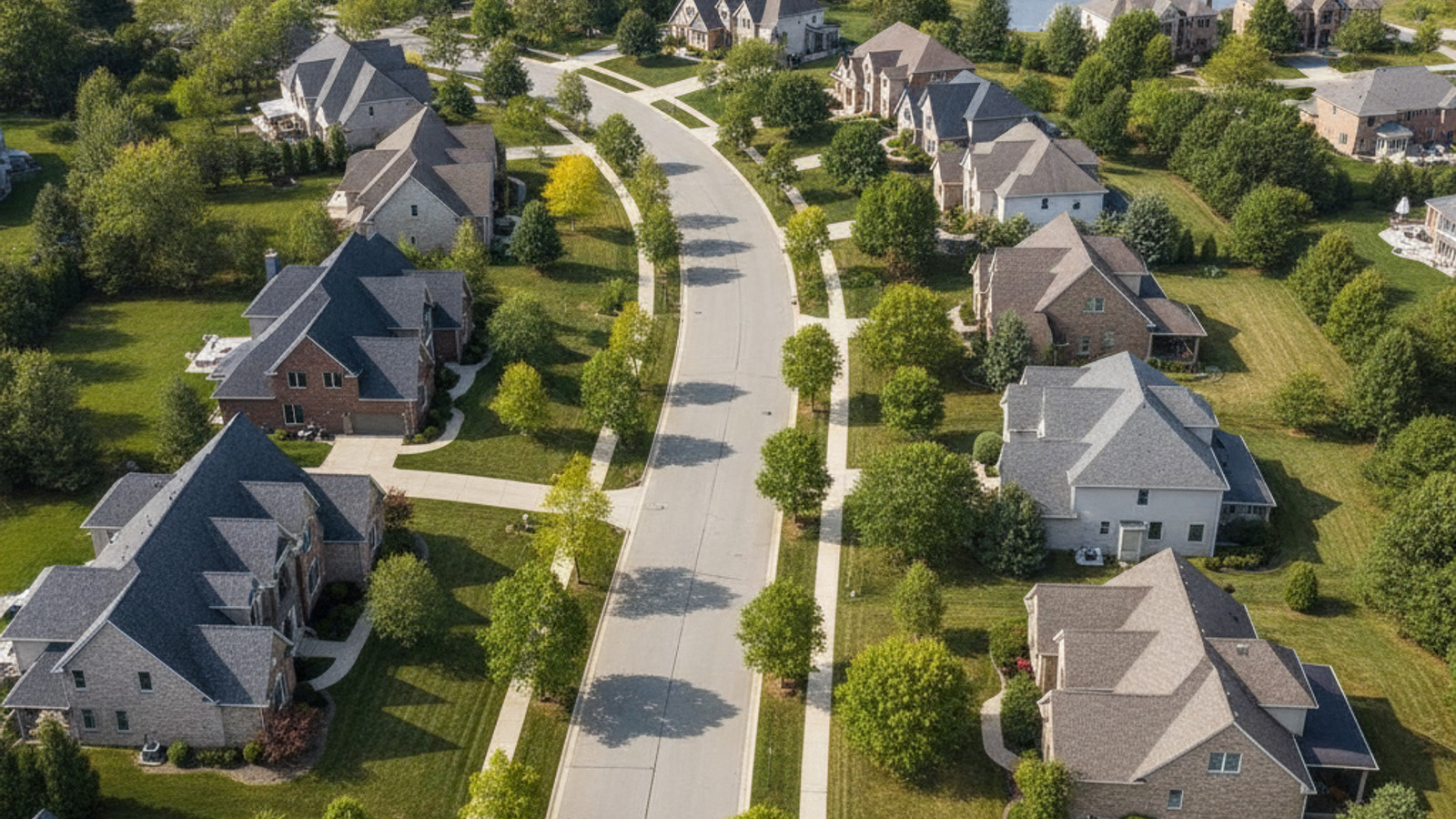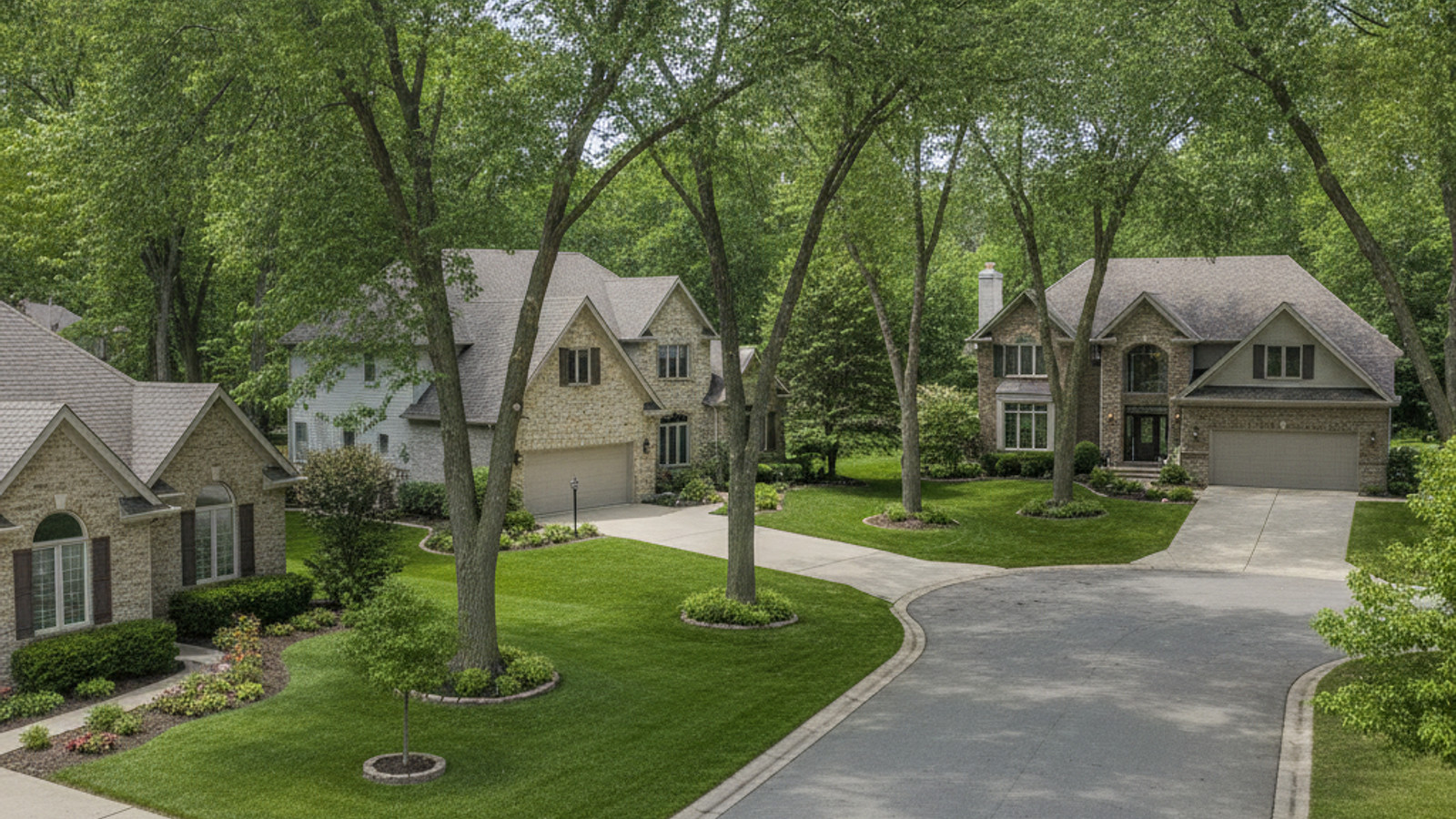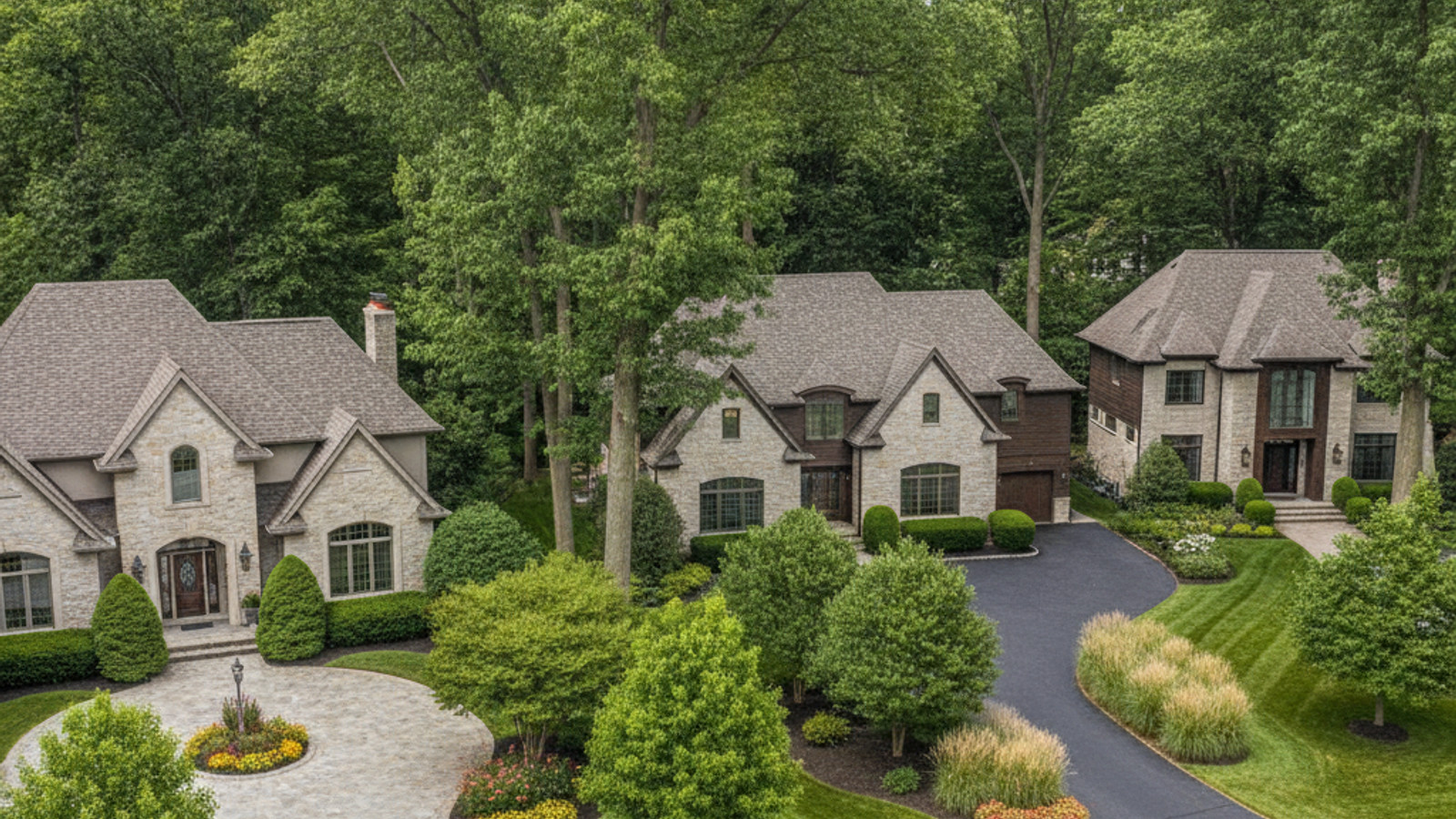
Deciding to construct a brand-new residence is a major milestone, and the local real estate market offers unique opportunities for buyers who want exact personalization. Navigating the process to build my own home in Troy MI requires understanding current construction costs, zoning laws, and land availability. The 2026 market presents a steady environment for new builds, with material supply chains fully stabilized compared to previous years.
Troy remains a highly sought-after location in Oakland County due to its strategic position and excellent municipal services. Finding the right lot and selecting an experienced builder are the most critical first steps in this journey. This guide covers everything you need to know about turning a vacant piece of land into a completed custom property.
Why Build a Custom Home in Troy, MI?
Choosing the right location is just as important as selecting the perfect floor plan. Troy offers an exceptional balance of commercial convenience and robust public amenities. Building here means investing in a community with long-term property value retention and excellent infrastructure.
The city provides immediate access to the I-75 corridor, making the commute to downtown Detroit highly efficient for professionals. Residents also benefit from close proximity to the Somerset Collection, which serves as a premier destination for high-end shopping and dining in the region. These geographic advantages consistently drive demand for new construction homes in the area.
Beyond commercial access, the city features expansive recreational spaces like Boulan Park and Firefighters Park, offering extensive trails and sports facilities. Properties located within the Troy School District boundaries historically command a premium, adding strong resale value to any custom build. Additionally, the proximity to Corewell Health Beaumont Troy Hospital ensures world-class medical care is always just minutes away.
Finding and Securing Vacant Land in Troy
The foundation of any successful construction project begins with identifying the perfect parcel of land. Searching for vacant lots in Troy and the greater Oakland County area requires patience, as undeveloped parcels are relatively scarce. Working with a real estate agent who specializes in land acquisition will help you uncover off-market opportunities.
Before purchasing a lot, you must thoroughly evaluate the availability of utility hookups for water, sewer, and electricity. Connecting an undeveloped property to municipal services can add thousands of dollars to your initial budget if the infrastructure is not already at the street. Buyers must also review the property against the City of Troy‘s zoning laws to ensure their desired home footprint is legally permissible.
Financing a custom build typically involves securing a construction loan rather than a traditional mortgage. These specialized loans finance both the land acquisition and the building phases, eventually converting into a permanent mortgage once construction concludes. Securing this funding early ensures you can act quickly when the right piece of property hits the market.
How Much Does It Cost to Build a Custom House in Troy MI?
Understanding the financial commitment is crucial before finalizing any architectural plans. New home construction requires a distinct budget that separates the cost of land acquisition from the actual building expenses. In the current 2026 market, buyers must account for both structural costs and site preparation fees.
The total expenditure will fluctuate significantly based on the level of finishes and the complexity of the design. Material costs currently account for approximately 50 to 60 percent of the total structure budget, with labor making up the remainder. To give you a realistic baseline for Oakland County, here are the approximate price ranges you can expect:
- Standard custom homes generally range from $300 to $500 per square foot, excluding the lot price.
- Luxury home builds with premium materials typically fall between $500 and $700 per square foot.
- Site preparation expenses, including land surveys, excavation, and utility tapping, often add $20,000 to $50,000 to the baseline costs.
Keep in mind that these figures represent the physical construction and interior finishes. You should always maintain an extensive contingency fund of at least 10 percent to cover unexpected expenses during the building process.
Hiring Local Custom Home Builders in Troy MI
The success of your project rests entirely on the expertise of the professionals you hire. You should exclusively look for new home builders with a proven track record of successful projects specifically within Oakland County. A builder familiar with local soil conditions and municipal expectations will save you significant time and money.
Take the time to review past floor plans and physically visit completed homes in their planned communities. Speaking directly with past clients provides invaluable insight into a builder’s communication style and commitment to quality craftsmanship. You want to ensure their standard of work aligns with your expectations for a high-quality property.
Throughout the project, the builder’s sales team and project manager will be your primary points of contact. A dedicated project manager is essential for keeping the build on schedule and ensuring subcontractors perform up to standard. Always verify that your chosen homebuilders hold active Michigan residential builder licenses and carry comprehensive liability insurance.
Navigating Troy MI Residential Building Permits and Zoning Laws
Securing the proper approvals from the local government is a mandatory step before any dirt is moved. You or your builder must submit detailed architectural plans and applications directly to the City of Troy Building Department. The municipality has strict guidelines to ensure all new structures meet current safety and environmental standards.
The initial phase involves paying an escrow fee and undergoing a thorough zoning review to confirm your plans respect local setback requirements. Once the residential building permits are issued, the Michigan building code mandates a strict timeline for the project. Construction must officially begin within 180 days of permit issuance, or the approvals will expire.
As the build progresses, the city will mandate a series of phased inspections. Local officials will evaluate everything from the foundation pour and rough framing to the final electrical and plumbing installations. Passing these inspections promptly is critical to keeping your construction timeline on track and securing your final certificate of occupancy.
Frequently Asked Questions About Building in Troy
Is $100,000 enough to build a house in Troy, MI?
A budget of $100,000 is not sufficient to build a new construction home in this area. In Oakland County, that amount might cover the purchase of a modest vacant lot or handle extensive site preparation and foundation work. You will need a significantly higher budget to cover the $300 to $500 per square foot average for standard construction.
How much does it cost to build a house in Troy, Michigan?
The total price depends heavily on the square footage and your chosen materials. Excluding the cost of land, standard custom homes typically run between $300 and $500 per square foot. Luxury builds with high-end interior finishes will easily push the budget to $500 to $700 per square foot.
Is it cheaper to build a house or buy a house in Troy, Michigan?
Buying an existing property is almost always cheaper and faster upfront than starting a new build. Existing homes have a lower cost per square foot and do not require expensive site preparation or utility installations. However, building a custom home provides incredible long-term value, superior energy efficiency, and exact personalization.
Can I build a new home on my own lot in Troy, MI?
Yes, you can absolutely purchase vacant land and hire a custom home builder to construct a house on your property. This “build on your lot” approach is very common in Oakland County for buyers who want a specific location. You just need to ensure the lot complies with Troy’s residential zoning ordinances, utility access codes, and property setback requirements.