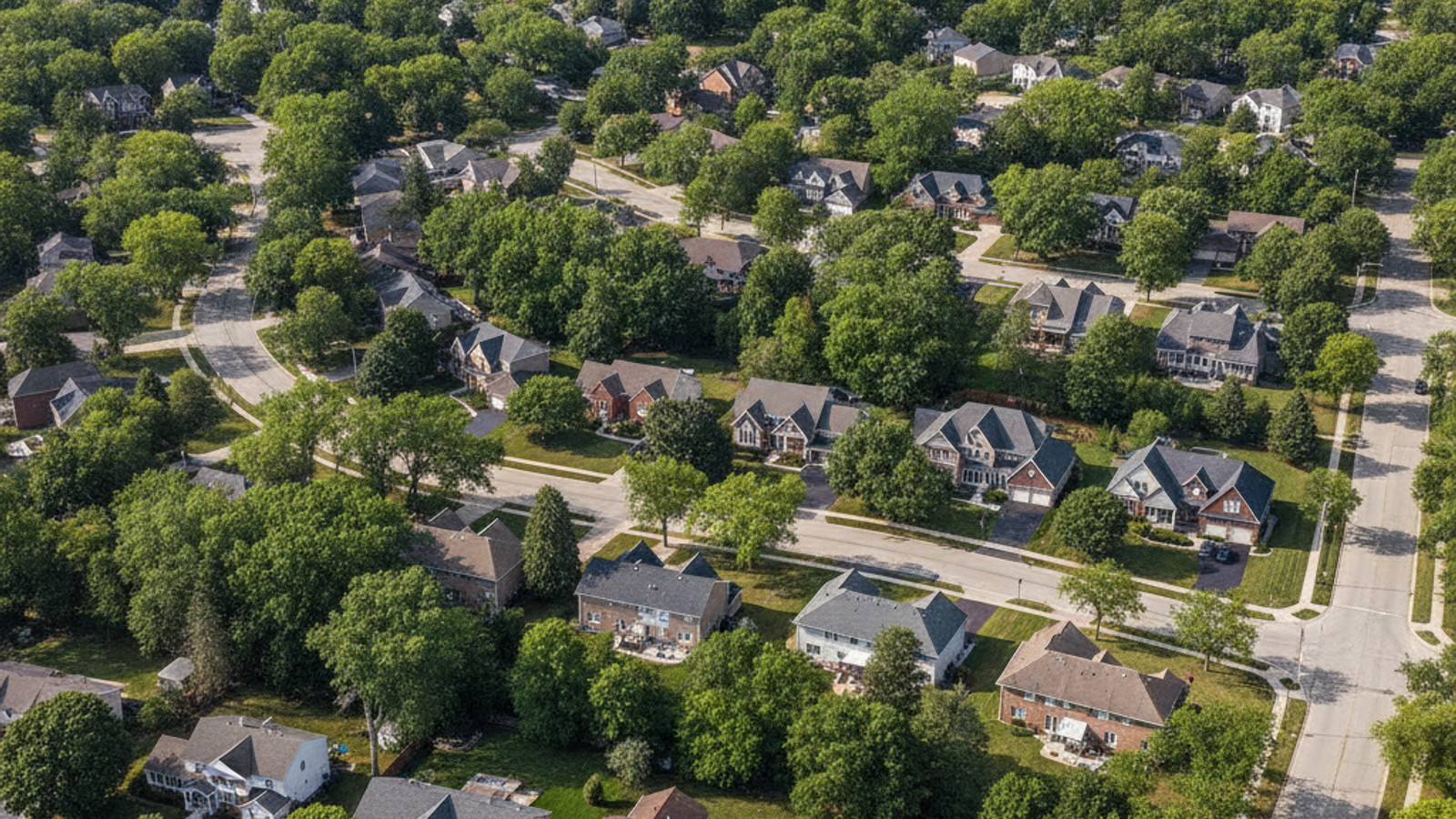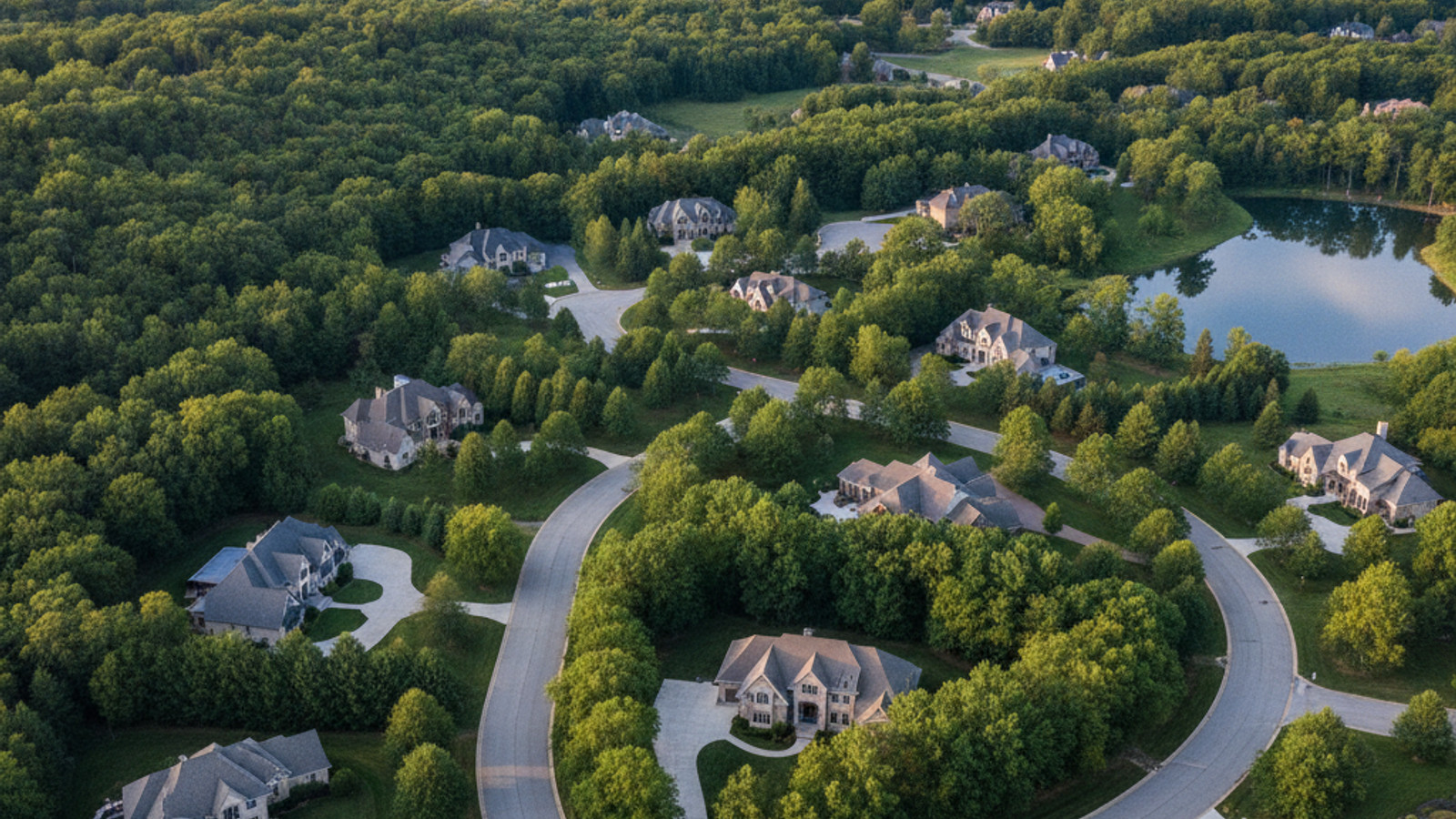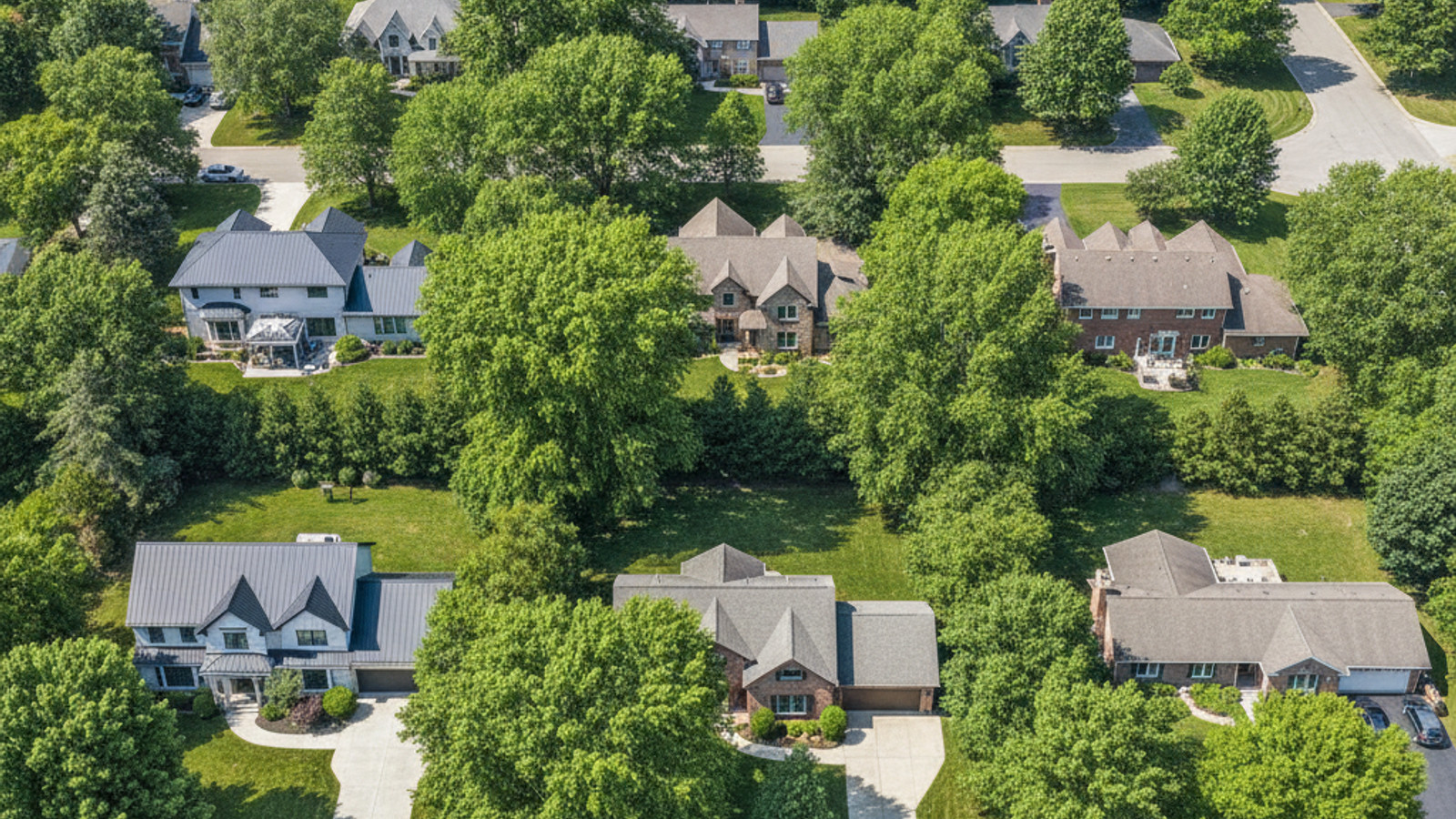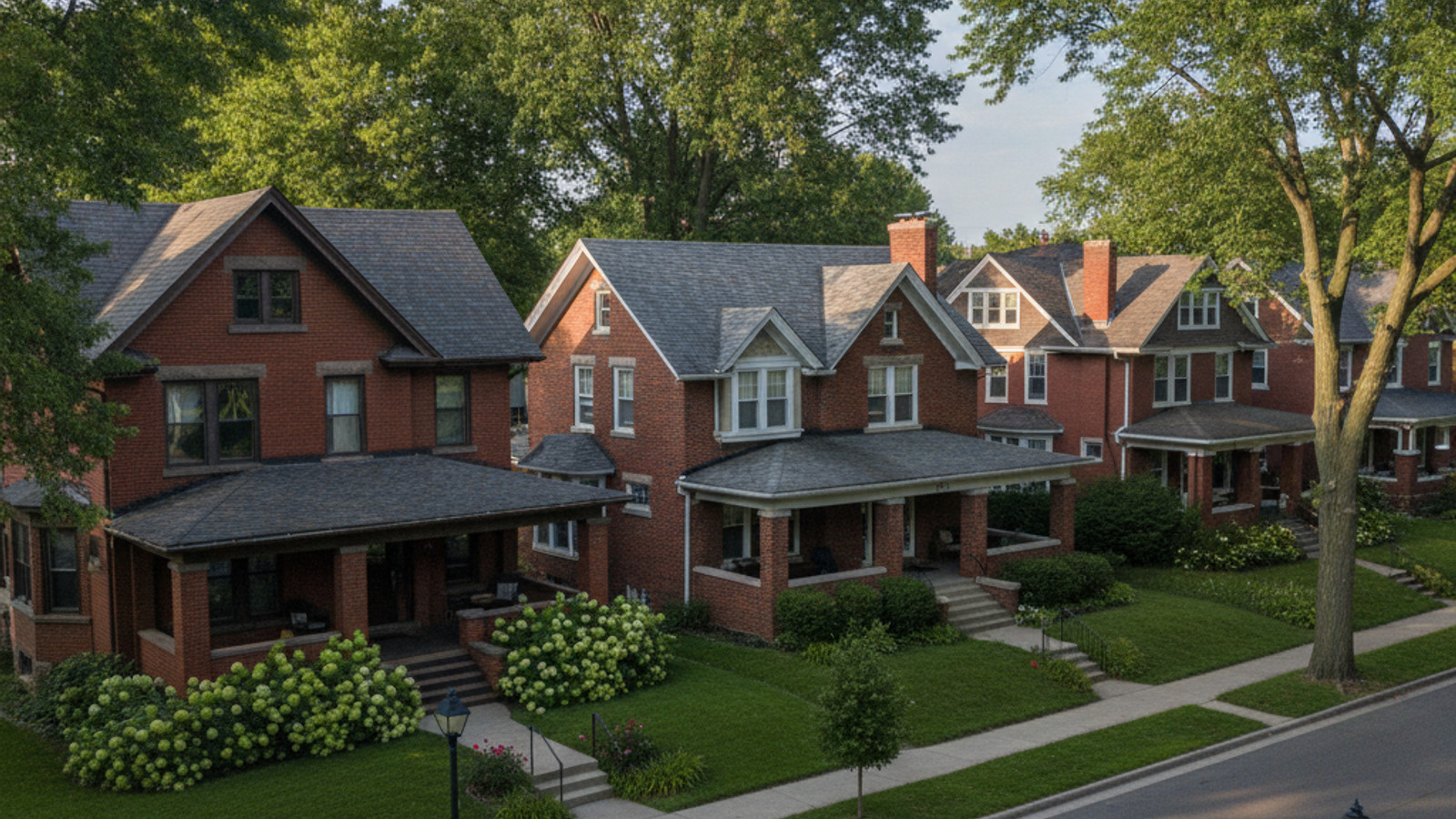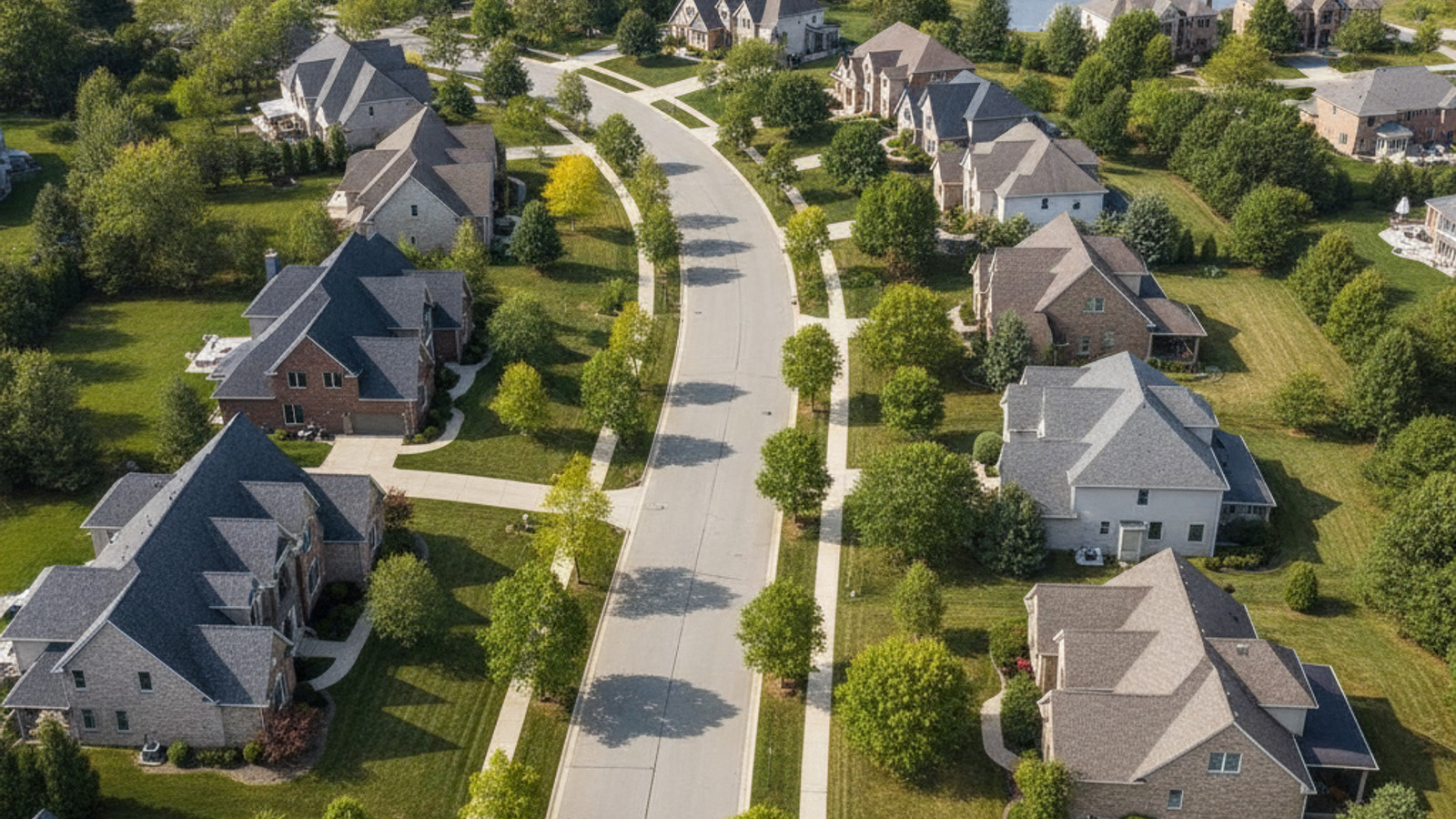
If you have ever driven north from Rochester, you know the exact moment you cross into Oakland Township. The strip malls, traffic lights, and dense subdivisions suddenly vanish, replaced by rolling hills, canopy roads, and estate-sized lots. For many buyers, this feels like a lucky discovery, one of Michigan’s best kept secrets.
But here is the thing: none of this happened by accident.
While other areas in Metro Detroit were racing to pave over farmland for commercial expansion, Oakland Township made a different choice. As one of Michigan’s original townships – established way back in 1827 – it has a long history. However, the reason it looks the way it does today isn’t just about what was built. It is defined by what the community chose not to build. The high property values and privacy we see now are the direct result of decades of saying “no” to over-development.
The Fight for “Rural Character”: A Deliberate History
When people talk about the “rural character” of Oakland Township, they aren’t just describing a vibe or a view. They are describing a deliberate legal strategy. The sprawling landscapes you see today are the product of a very specific Master Plan designed to keep density low.
A major part of this strategy involved infrastructure. Historically, the township limited the expansion of public sewers in certain areas. Without mass sewer lines, developers couldn’t cram hundreds of starter homes onto small plots of land. This natural limitation forced a pattern of larger lots, often ranging from 1 to 2+ acres, which laid the groundwork for the luxury real estate market we see today.
The community also invested heavily in protecting its aesthetic. Ordinance 37A – known locally as the Historic District Ordinance – gave the township tools to maintain standards that honor the area’s heritage. Residents have even supported a preservation millage out of their own pockets to buy up land and keep it green. When you look at homes for sale in Oakland Township, you are paying for that protected space just as much as you are paying for the house itself.
Goodison: The Historical Heart of the Township
If you are looking for a downtown, you won’t find a traditional Main Street here. Instead, you have Goodison. It is not a separate city, but a hamlet that serves as the historical and emotional center of the township.
Goodison gets its name from William Goodison, who bought the local grist mill in 1866, but the area’s roots go deeper. It originally served as a flag station on the Detroit and Bay City Railroad starting in 1872. Before that, Needham Hemingway had already established the first mill there in 1835.
Today, Goodison remains the closest thing the township has to a commercial hub, but it retains a distinct lack of concrete sprawl. It is the place where history and daily life intersect, offering a focal point for the community without disrupting the quiet atmosphere residents prize.
Living History: Landmarks You Can Visit Today
One of the biggest draws for living in Oakland Township is that the history isn’t just in books; it is part of the active lifestyle. The preservation efforts mentioned earlier have saved key sites that now serve as recreation hubs.
- Paint Creek Cider Mill: This is a cornerstone of the community. Originally built as a grist mill in 1835, it has evolved over nearly two centuries. Today, it is a beautifully restored cider mill and restaurant that also houses the Parks & Recreation offices. It sits right on the trail, making it a perfect stop for donuts or BBQ after a bike ride.
- Cranberry Lake Farm Historic District: This 16-acre site functions as a community center set against a backdrop of history. The main house is a Greek Revival gem from the 1840s. It is a gathering spot for local events, from beekeeping workshops to the popular “Down on the Farm” family events.
- Paint Creek Trail: This was the first rail-to-trail conversion in Michigan. Built on the former railroad bed that once served Goodison, it is now a premier corridor for runners, cyclists, and equestrians connecting the township to downtown Rochester and Lake Orion.
The Estate Era: Walter Reuther and Mid-Century Seclusion
As the township moved away from its purely agricultural roots in the mid-20th century, it began to attract a different kind of resident. The same isolation that served farmers began to appeal to the region’s elite who wanted privacy and safety.
A prime example is Walter Reuther, the legendary UAW President. In the 1950s, Reuther moved to Oakland Township to escape the public eye and threats to his safety. He built a unique mid-century modern home nestled along Paint Creek. The house was famously equipped with bulletproof glass and other security measures – a stark reminder of the assassination attempts he faced.
The “Reuther House” signals a shift in the township’s history. It marked the beginning of the transition from working farmland to private estates. It set a precedent for the high-end, secluded residential lifestyle that defines the luxury market here today.
How History Shapes Today’s Real Estate Market
So, how does all this history translate to the current housing market? Quite directly. The strict zoning and preservation victories of the past are the main drivers of value today.
Because the township fought to keep density low, privacy is the standard, not the exception. In many nearby suburbs, a luxury home might still look right into a neighbor’s window. Here, the history of large lot zoning ensures that high-end buyers get the seclusion they are paying for.
Furthermore, the protection of views and landmarks creates a “sense of place” that new developments simply cannot manufacture. When you browse a market report for Oakland Township, you will see that values are supported by this scarcity. You can build a big house anywhere, but you cannot build another 1827 township with thousands of acres of protected parkland.
Frequently Asked Questions
Is Oakland Township a charter township?
Yes, it is officially the Charter Township of Oakland. Becoming a charter township grants the local government more protection against annexation by neighboring cities and allows for a slightly different tax and administrative structure compared to a general law township.
Why is there no downtown in Oakland Township?
The lack of a downtown is a deliberate result of zoning choices designed to preserve the area’s rural character. Instead of zoning for a commercial downtown district, the township directs residents to the hamlet of Goodison for basics or nearby Rochester for extensive shopping and dining.
What is the history of the Paint Creek Cider Mill?
The Paint Creek Cider Mill began as a grist mill built by Needham Hemingway in 1835. Over the years, it transitioned into a cider mill and was eventually purchased by the township to ensure its preservation, distinguishing it from the privately owned Goodison Cider Mill nearby.