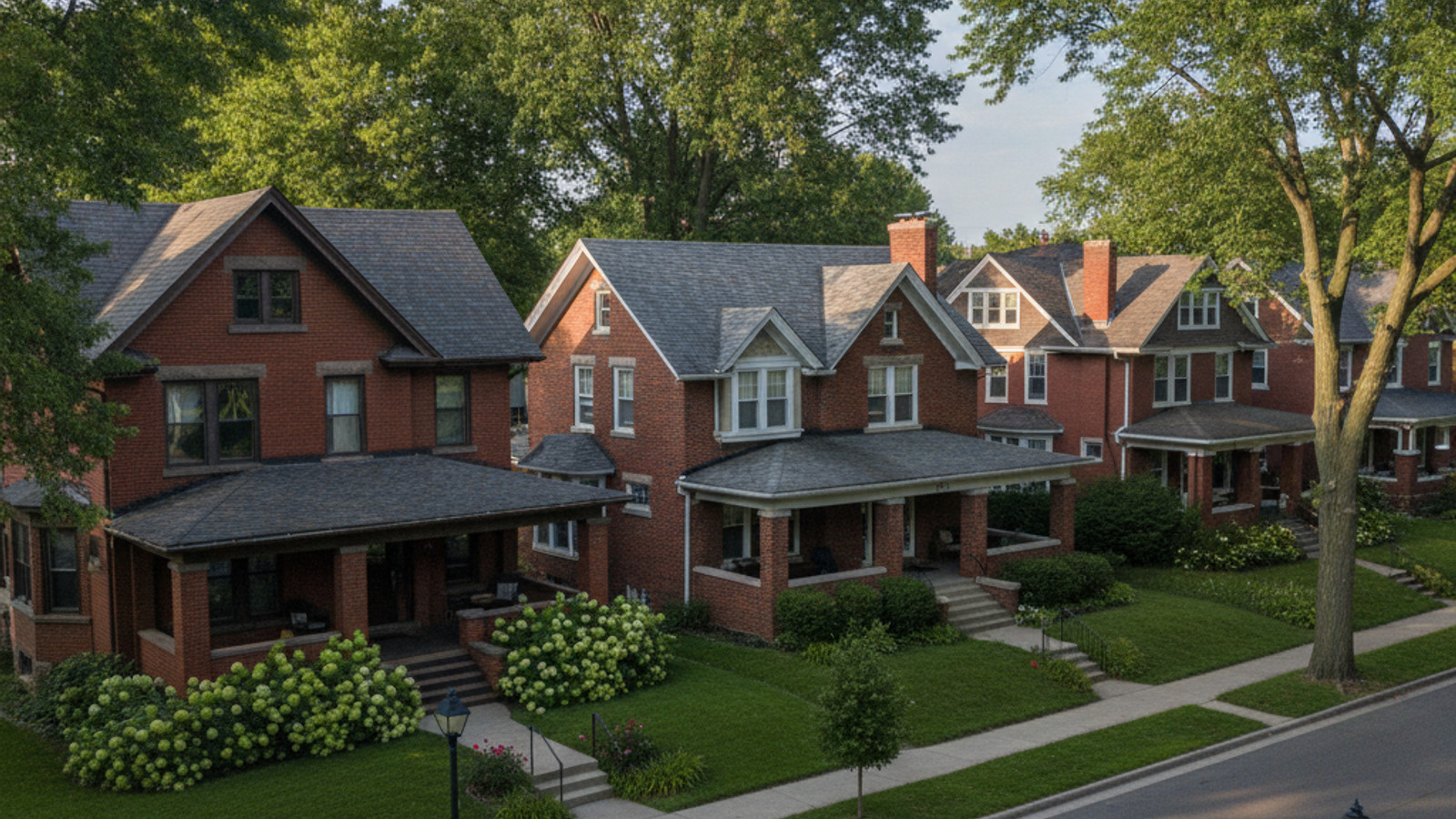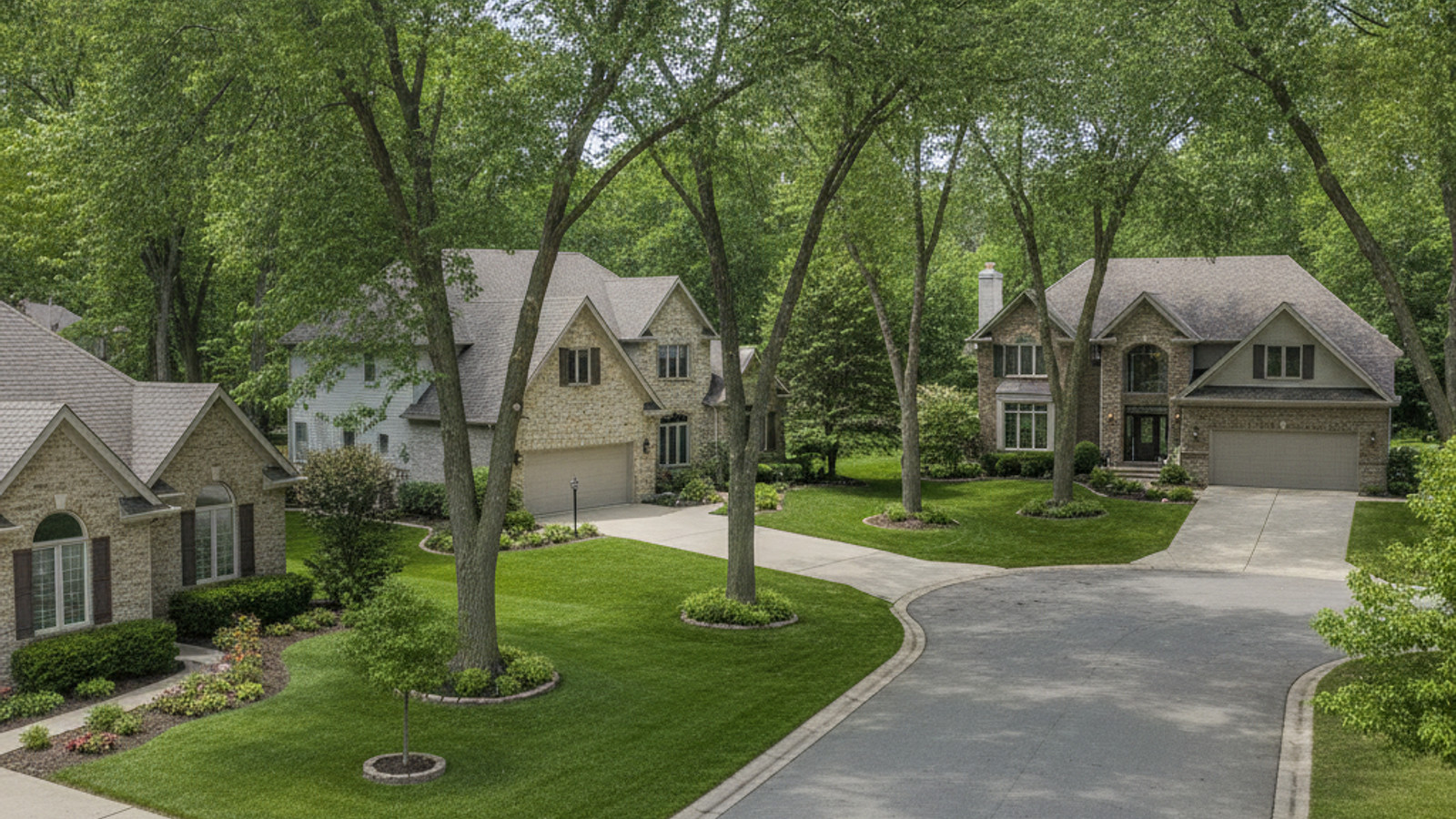
If you are selling a home in Auburn Hills, MI, presentation is critical. The median sale price for a home in Auburn Hills, MI sits around $319,700, and homes here are moving fast – roughly 14 days on market. That’s a short window to make a first impression, and buyers coming through Metro Detroit expect spaces that feel modern and move-in ready.
Professional staging helps your home stand out against the local inventory. Staged homes photograph better, which drives more online traffic and ultimately gets more buyers through the front door. Whether you’re listing a townhome near Great Lakes Crossing Outlets or a larger property in Galloway Lake Farms, how you present the interior has a direct bearing on what you walk away with at closing.
Preparing Your Auburn Hills Home for the Market
There are only about 40 homes available at any given time in this real estate market, with roughly a 2.5-month supply. Nearly 44% of homes sell above list price. Those numbers tell you something: sellers who put in the work on presentation aren’t just making things look pretty – they’re positioning themselves to compete for that premium.
A professional staging company evaluates the flow, lighting, and scale of each room. They remove personal items and bring in neutral, stylish furnishings that highlight the property’s square footage. The result is a space where buyers can picture themselves living, rather than feeling like they’re walking through someone else’s house.
Serving Neighborhoods Across the City
Local stagers understand what different buyers expect in different parts of Auburn Hills. Properties in Forester Square or Trailway Commons tend to attract buyers who want modern conveniences and efficient layouts. Staging in those areas focuses on maximizing space and showing how rooms can pull double duty – a home office that also works as a guest bedroom, for example.
In Deerfield Village or near the Clinton River in Downtown Auburn Hills, the architectural styles and lot sizes are a different story. Stagers shift their furniture selections accordingly, making sure the interior feels consistent with the character of the home rather than at odds with it.
Staging Services for Different Property Types
Not every listing needs the same approach. Some sellers have already moved out, leaving empty rooms that are harder to read than people expect – vacant spaces tend to look smaller than they are, and cosmetic flaws stand out more without furniture to anchor the eye.
Other sellers are still living in the home through the showing period. That requires a different strategy: keeping the property marketable without making it unlivable. Stagers offer packages tailored to both situations, so the home photographs well and feels welcoming during open houses regardless of which scenario you’re in.
Working with Occupied Listings
Occupied staging means working with what the seller already has while layering in supplemental decor. Expect a recommendation to pack away personal photos, excess books, and out-of-season clothing to clear the visual clutter. The stager will likely rearrange existing furniture to improve traffic flow and bring in fresh pillows, rugs, or artwork to modernize the look.
The point is depersonalization – buyers shouldn’t feel like they’re intruding on someone else’s life. Living in a staged home asks a lot of a seller in terms of keeping things spotless and organized, but the uptick in buyer interest tends to make that temporary inconvenience worthwhile.
Vacant Properties and Furniture Rental
For vacant homes, staging companies bring in a full inventory of rental furniture, artwork, and accessories. The focus goes on the primary living areas, the primary bedroom, and the kitchen – the rooms most likely to create an emotional connection with a buyer.
Bringing in rental furniture gives buyers the scale and context they need. They can see that a king-sized bed fits comfortably in the primary suite, or that the living room can accommodate a large sectional. Without that visual reference, buyers are just guessing – and uncertainty doesn’t help you.
The Cost of Staging Your Property
Pricing varies based on the size of the home and how much furniture is needed, but statewide data puts home staging in Michigan at roughly $110 to $130 per hour. In nearby Metro Detroit cities like Royal Oak and Detroit, rates tend to run $120 to $130 per hour; in Sterling Heights and Warren, closer to $110 to $120 per hour. Auburn Hills falls within that same regional range.
Whether the final bill is modest or substantial depends on whether you need a simple consultation or a full-house furniture rental package.
Consultations Versus Full Staging
A consultation is the most cost-effective entry point. For a flat hourly fee, a stager walks the property and hands you a detailed checklist – recommended repairs, paint colors, furniture arrangements. You do the work yourself from there.
Full staging means the company handles everything: design decisions, furniture delivery, setup, and placement. The upfront investment is higher because it covers delivery, installation, and monthly rental fees, but it also takes the entire burden off the seller.
Who Covers the Staging Bill?
The seller typically pays for staging out of pocket before the home goes on the market. It’s treated as a marketing expense – money spent to protect and maximize the sale price.
Some agents will cover the cost of an initial staging consultation as part of their listing service. Furniture rental and mover costs, though, generally fall to the homeowner. Sort out those expenses with your real estate agent during the listing presentation so there are no surprises later.
Best Practices for Preparing Your Space
Sellers have to make a mental shift before listing: stop seeing the house as your home and start seeing it as a product a discerning buyer is evaluating. Small things you’ve stopped noticing – a scuffed baseboard, a crowded countertop – can read as deferred maintenance to someone walking through for the first time.
Stagers know how to correct those visual imbalances. They draw attention to the features that add to the value of the property, like fireplaces or large windows, while quietly minimizing the things that don’t. Following their guidance means the property holds up both in listing photos and in person.
Applying the 3-Foot / 5-Foot Rule
The 3-foot / 5-foot rule is a straightforward way to evaluate how a room reads. At five feet away, a buyer takes in the whole composition – furniture arrangement, lighting, and the room’s focal point. That first impression forms fast.
At three feet, the inspection begins. Paint condition, clean baseboards, quality of the accessories – details that seemed minor now become the story. A well-staged room holds up at both distances, and that’s exactly what stagers are checking for when they walk through your space.
What to Avoid When Staging
The most common mistake sellers make is pushing all the furniture against the walls, thinking it makes the room look bigger. It doesn’t. It creates dead space in the center and makes the layout feel off. Stagers pull furniture inward instead, creating conversational groupings that feel considered and comfortable.
Bold paint colors or highly specific decor themes are another problem. You’re trying to appeal to the widest possible audience, which means leaning toward neutral tones – soft whites, warm beiges, light grays. Neutral walls let buyers project their own vision onto the space rather than reacting to yours.
Frequently Asked Questions
How much does professional home staging typically cost in Auburn Hills, MI?
Staging in the region generally runs $110 to $130 per hour. That’s consistent with Metro Detroit rates overall – Royal Oak averages $120 to $130 per hour, while Sterling Heights comes in closer to $110 to $120 per hour. Your total depends on the scope of the project and how much furniture is involved.
Do staged homes actually sell for more money in the Auburn Hills real estate market?
Staging can positively affect the final sale price. The local median is around $319,700, homes are spending about 14 days on market, and nearly 44% of them sell above list price. A well-presented home is better positioned to attract multiple offers and capture that premium.
How long does the staging process take before my house is ready for listing photos?
It depends on the property’s condition and what type of staging you need. A consultation followed by decluttering might take a seller a few days to work through on their own. Full vacant staging with furniture delivery typically takes one to two days to install once the home is clean and empty.
Can I still live in my Auburn Hills home while it is being professionally staged?
Yes. Occupied staging lets you stay in the home – the stager works with your existing furniture and adds supplemental decor to pull the look together. You’ll need to keep the home clean and organized for daily showings, but you don’t have to move out.
Which rooms should I prioritize staging to attract local buyers if I am on a strict budget?
Put your money into the rooms buyers scrutinize most: the living room, the primary bedroom, and the kitchen. Getting those three spaces to look spacious and current will give you the best return when the budget is tight.
What happens to the furniture rental fees if my house takes longer to sell than expected?
Rental agreements typically cover an initial term, often 30 to 60 days. If the home is still on the market after that, sellers generally move to a month-to-month contract. Review the extension terms with your staging company before you sign anything.