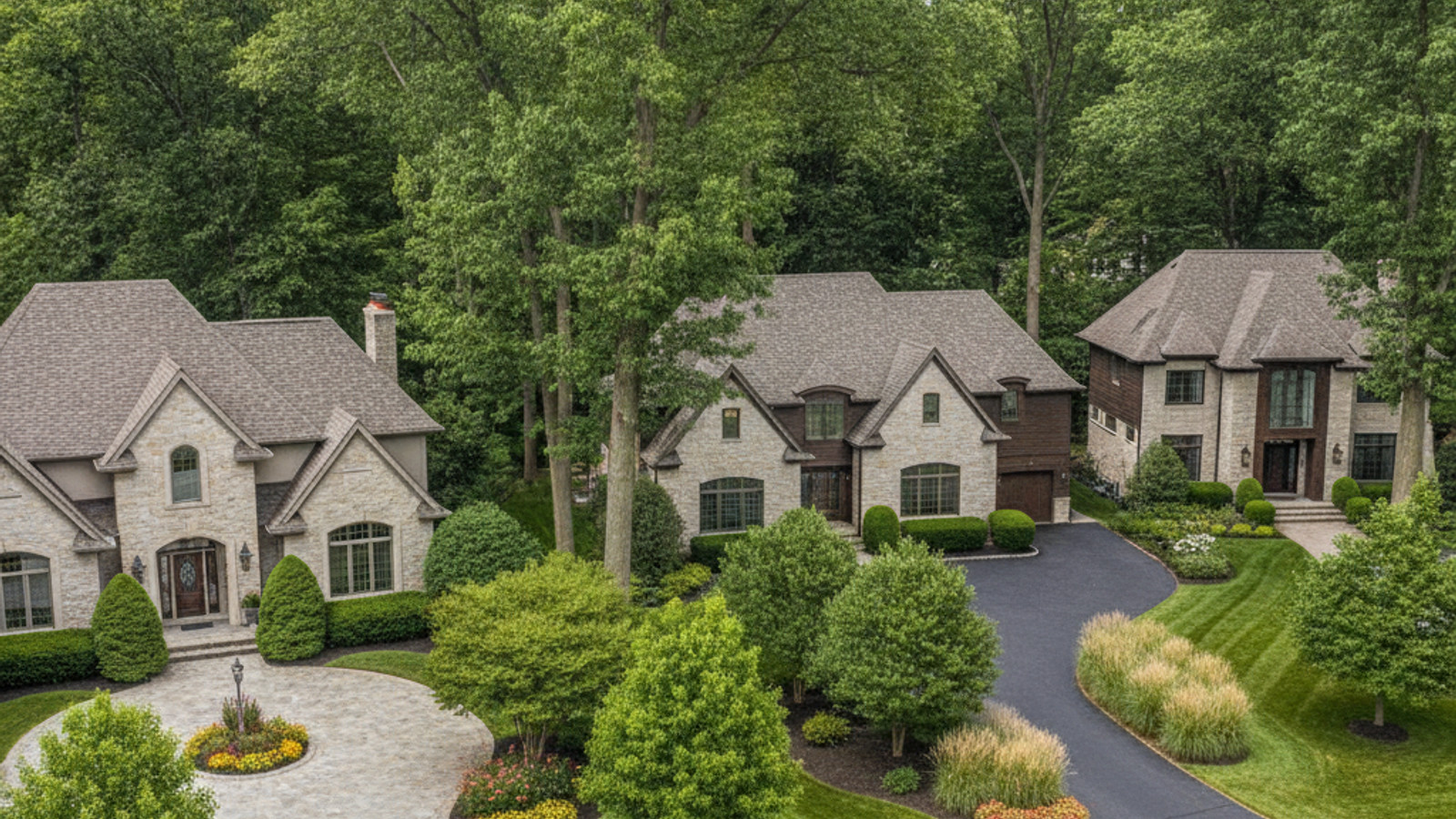
The median home price in Auburn Hills currently hovers around $325,000, making it an active market for sellers looking to cash in on their equity. When you prepare to list your property, understanding the costs involved helps you project your final take-home profit. Real estate agent fees usually represent the largest single expense in a home sale.
Recent industry shifts have changed how these fees work across Oakland County and the rest of the country. Sellers today have more choices regarding how they structure agent compensation than they did a few years ago. Knowing the standard rates and new rules ensures you keep more money in your pocket at closing.
Calculating your net proceeds requires looking beyond just the final sale price. You need to factor in your remaining mortgage balance, title insurance, transfer taxes, and the broker commissions. Getting a firm grasp on these numbers early in the process prevents surprises when you finally reach the closing table.
Oakland County features a diverse mix of properties, from modern condos to large single-family homes. Auburn Hills stands out because it offers a blend of suburban amenities and major employment hubs. Selling a home here requires a localized pricing strategy to maximize your return on investment.
How Agent Fees Work in Oakland County
The average total real estate commission in Michigan for 2026 ranges between 5.7% and 6.2% of a home’s final sale price. This fee traditionally covers the services of both the professional listing your home and the broker bringing the buyer. You pay this amount out of the proceeds of the sale at the closing table.
This total percentage typically splits down the middle, though the exact division varies by brokerage. A 6% total fee might mean 3% goes to your listing agent and 3% goes to the buyer’s agent. You should remember that these percentages are always negotiable before you sign a listing agreement.
Your listing agent earns their portion of the fee by handling the marketing, staging advice, and contract negotiations. They pay for professional photography, list the property on the MLS, and manage all incoming showing requests. Their broker also takes a cut of their commission to cover office expenses and legal compliance.
The buyer’s agent earns their share by bringing a qualified purchaser to the transaction. They schedule tours, help the buyer draft a competitive offer, and manage the inspection and appraisal timelines. Both agents only get paid if the transaction successfully closes and funds.
Michigan law also allows for dual agency, where one agent represents both the buyer and the seller. This arrangement requires written consent from all parties involved in the transaction. If your listing agent finds the buyer, they might agree to lower the total commission since they are keeping the entire fee within their own brokerage.
Calculating Your Costs Based on Local Home Prices
The 2026 median price for single-family homes and condos in Auburn Hills generally falls between $250,000 and $365,000. Your specific property type, square footage, and neighborhood will dictate where your home lands on that spectrum. Calculating standard agent fees against these figures reveals what you can expect to pay at closing.
Condos near the city center typically sell at the lower end of this range, while larger single-family homes command higher prices. The final sale price directly determines the final commission payout since the fee is percentage-based. Higher-priced homes generate larger payouts for the agents involved.
Applying a standard 6% commission rate to local property values provides a clear picture of the costs. Breaking down the math helps clarify how the funds are distributed between the two sides of the transaction.
- A $250,000 condo sale: A 6% total commission equals $15,000. This splits into $7,500 for your listing agent and $7,500 for the buyer’s agent.
- A $310,000 townhome sale: A 6% total fee comes out to $18,600. The listing brokerage keeps $9,300, and the buyer’s representative receives $9,300.
- A $365,000 single-family home sale: A 6% total rate generates $21,900 in fees. Both agents would receive $10,950 for their role in the transaction.
You do not need to write a check for these fees before putting your home on the market. The title company deducts the commission directly from your equity during the final closing process. If your home sells for less than your remaining mortgage balance, you would need to bring cash to closing to cover the agent fees.
How Recent Industry Changes Affect Your Sale
The 2024 National Association of Realtors lawsuit settlement permanently changed how agent compensation works. Before these rules took effect, listing agents routinely published offers of compensation for buyer’s agents directly on the local MLS. That practice is no longer permitted on any MLS platform anywhere in the country.
Sellers in Auburn Hills now have distinct choices about how to handle the buyer’s side of the fee. You can choose to offer a concession to cover the buyer’s agent, or you can require the buyer to pay their own agent out of pocket. This shift moves compensation discussions directly into the contract negotiation phase.
Buyers are now required to sign written representation agreements with their agents before touring any homes. These agreements state exactly how much the buyer’s agent will be paid and who is responsible for the fee. If the seller refuses to cover it, the buyer must bring those extra funds to closing.
Offering to cover the buyer’s agent fee remains a common strategy to attract more offers. Buyers often struggle to come up with extra cash for agent fees on top of their down payment and closing costs. Your listing agent should help you weigh the pros and cons of offering a concession based on current local demand.
Auburn Hills Market Drivers That Influence Fees
Local economic factors dictate how fast homes sell, which in turn influences how agents price their marketing services. Auburn Hills maintains a strong employment base anchored by the Stellantis North America headquarters. This corporate presence brings a steady stream of buyers looking for housing near the office.
The proximity of Oakland University also shapes the local housing landscape. Investors frequently look for properties near the campus, creating consistent demand for smaller homes and townhouses. Agents working in high-demand pockets often spend less on marketing because homes sell through word-of-mouth and basic online listings.
Commute times and school boundaries play a major role in property demand across Oakland County. Homes with easy access to I-75 tend to move quickly because they offer a straightforward drive to Detroit and other northern suburbs. Properties zoned for the Avondale School District also see consistent interest from buyers seeking proximity to local schools.
When demand is high in these specific neighborhoods, homes require less aggressive marketing to attract buyers. Listing agents may be more willing to negotiate their commission rate if they know a property will sell in a matter of days. A home requiring extensive staging, repairs, or open houses might command a standard fee.
Strategies to Reduce Your Selling Expenses
Sellers have several proven options for lowering the total amount paid to real estate professionals. The most effective approach involves interviewing at least three different brokerages before committing to one. This allows you to compare their proposed marketing plans alongside their commission rates.
You should ask each agent to justify their fee by explaining exactly what services they provide. Some agents include professional staging, drone photography, and deep cleaning in their standard percentage. Others charge a lower rate but expect you to cover the costs of preparing the home for the market.
Alternative brokerage models have become increasingly popular across the Metro Detroit area. You can explore these options if you want to keep your listing costs to an absolute minimum.
- Discount brokerages: Companies like Clever Real Estate pair you with local agents who agree to work for a reduced listing fee, often around 1.5%.
- Flat-fee MLS services: You can pay a one-time upfront fee to have your home listed on the local MLS while handling the showings and negotiations yourself.
- Tiered commission structures: Some traditional agents will agree to a lower percentage if they find the buyer themselves or if the home sells within the first weekend.
Choosing a discount option often means taking on more work yourself during the selling process. You should weigh the potential savings against the time and effort required to manage showings and negotiate offers.
The time of year you list your home can also impact your ability to negotiate fees. Listing in the busy spring market, like May 2026, often gives sellers an advantage. Agents may accept a slightly lower rate when they know buyer traffic is at its peak and homes are moving quickly.
Frequently Asked Questions
Do I have to pay the buyer’s agent when selling my home in Michigan?
Michigan law does not dictate that a seller must compensate the buyer’s representative. You can list your property without offering any concession for the buyer’s brokerage fee. However, many sellers still choose to cover this expense because buyers often struggle to fund their down payment, closing costs, and agent fees simultaneously.
What is the average real estate commission in Auburn Hills, MI?
Most sellers in Oakland County pay a total commission rate between 5.7% and 6.2% of the final purchase price. For a home selling at $300,000, that translates to roughly $17,100 to $18,600 in total agent fees. You can negotiate this percentage with your listing broker before your property goes on the market.