If you drive through Oakland County often, you probably know Auburn Hills as the place with the massive Chrysler (now Stellantis) headquarters or the Great Lakes Crossing Outlets. For years, it was viewed primarily as a business hub—a place where people went to work or shop, but not necessarily to stay.
But lately, that reputation has shifted dramatically. As home prices in neighboring Rochester Hills and Troy continue to climb, smart buyers are discovering that Auburn Hills offers a surprisingly sweet spot. It sits right at the junction of I-75 and M-59, meaning you have incredible access to the entire metro Detroit area.
The real draw here is the value proposition. You can often find homes that offer “Rochester amenities at a fraction of the price,” but there is a catch: you have to know exactly where to look. The city is a patchwork of different school districts, housing styles, and price points. Two homes just a mile apart can have vastly different values depending on which side of the street they sit on.
The School District Puzzle: Avondale, Pontiac, or Rochester?
Before we look at specific subdivisions, we have to talk about schools. In many towns, if you live in the city limits, you go to that city’s school district. Auburn Hills doesn’t work that way. The school district boundaries are the number one driver of home value differences here, so you need to pay close attention to the address.
The city is carved up into three main districts (and a tiny sliver of a fourth):
- Avondale School District: This district covers the majority of the city. It’s well-regarded for its diversity and solid ratings, and it’s where you’ll find the bulk of the mid-range housing inventory.
- Rochester Community Schools: This district serves the northeast corner of the city. Homes in this zone almost always command the highest premiums. You get the benefit of the prestigious Rochester schools without necessarily paying Rochester Hills taxes.
- Pontiac School District: This primarily serves the southern and southeastern portions of the city. Real estate here is generally more affordable, often offering a lower entry price point compared to the rest of the city.
- Lake Orion Schools: There is also a small section in the far north that falls into this district.
Agent Tip: Never assume a home is in a specific district just because it’s “near” a certain high school. Boundaries can cut right through neighborhoods. Always verify the specific address before you fall in love with a house.
Top Neighborhoods & Subdivisions in Auburn Hills
Because the city has industrial zones mixed with residential areas, you won’t find endless grids of housing. Instead, residential pockets are tucked away in quiet corners, each with a distinct personality. Here are a few of the standout areas you should know about.
Forester Square: Best for Walkability & Community
If you want a neighborhood where neighbors actually know each other and you don’t spend your weekends mowing a massive lawn, Forester Square is a top contender. It’s a master-planned community designed with a neo-traditional “village” feel.
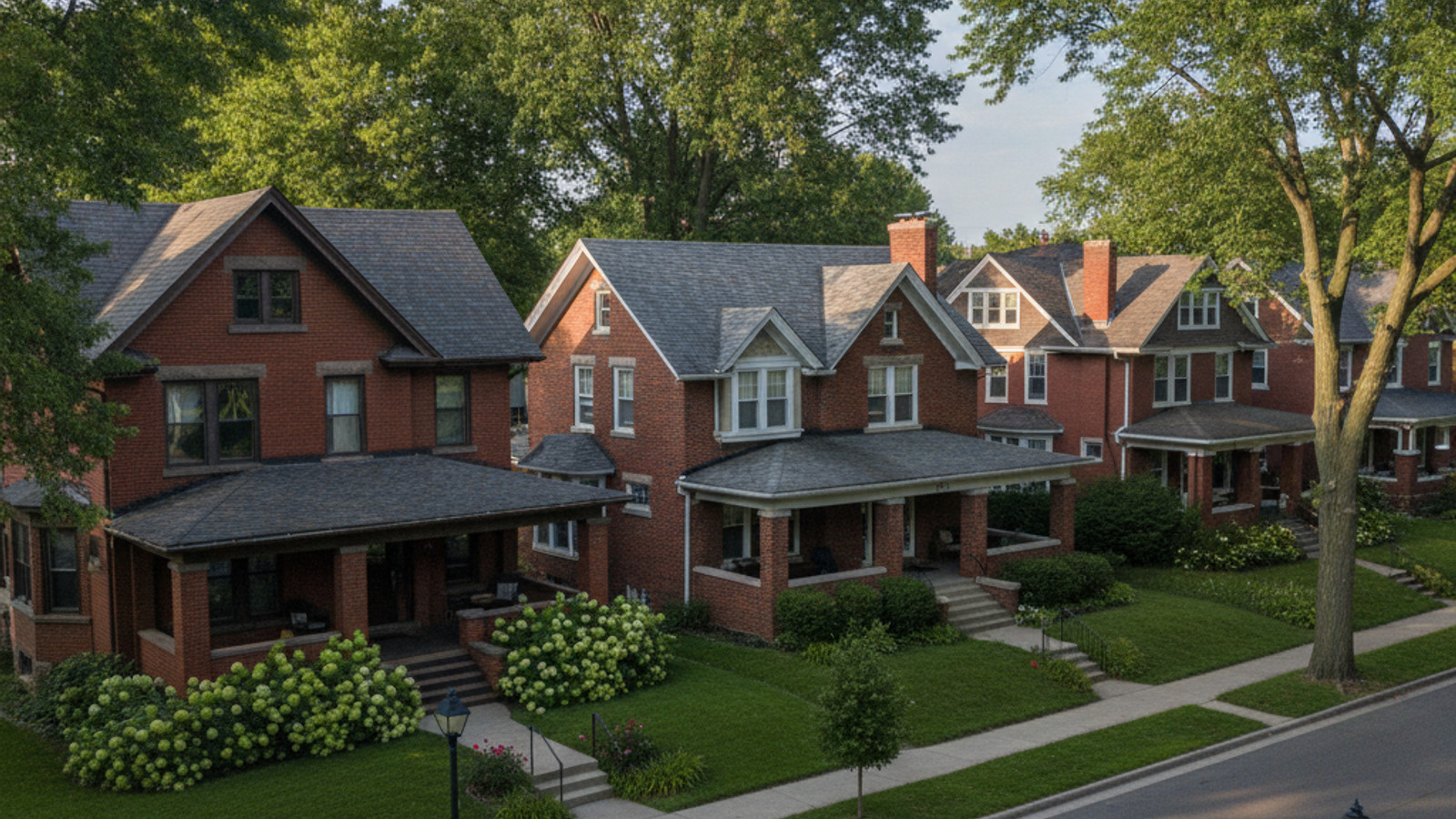
The vibe here is tight-knit. You’ll see townhomes and single-family homes with front porches close to the sidewalk, encouraging interaction. It’s not just about the houses, though; the community has its own clubhouse, pool, and fitness center. Plus, you are within walking distance to downtown Auburn Hills and Riverside Park, which is a huge perk for anyone who wants to leave the car in the garage.
Most of the housing stock here consists of condos and townhomes built in the 2000s, making it ideal for young professionals or empty nesters looking for lower maintenance. As of early 2026, prices typically hover in the $250K – $350K range, though that can vary based on upgrades.
Shimmons Woodgrove: Best for Move-Up Buyers
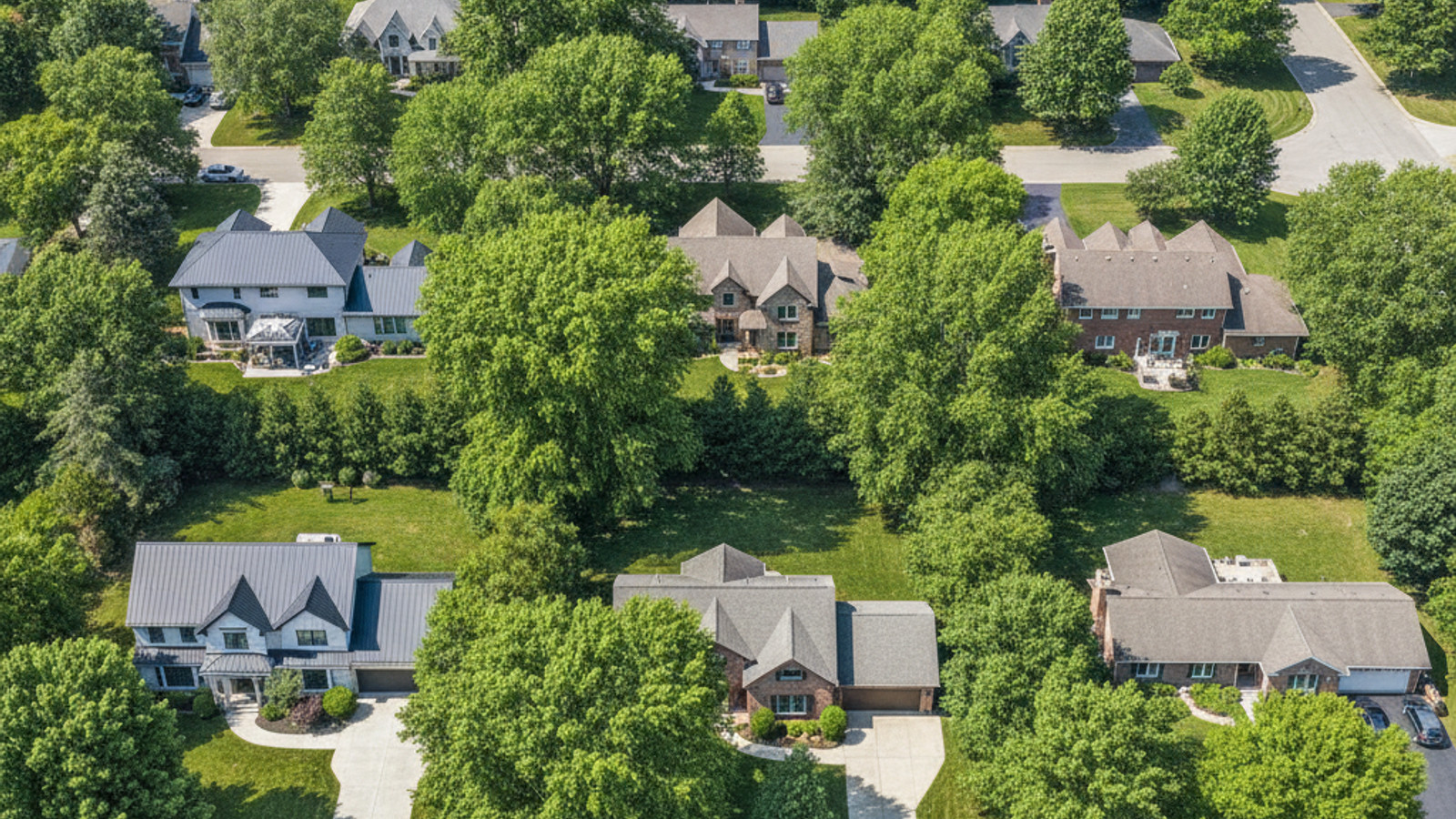
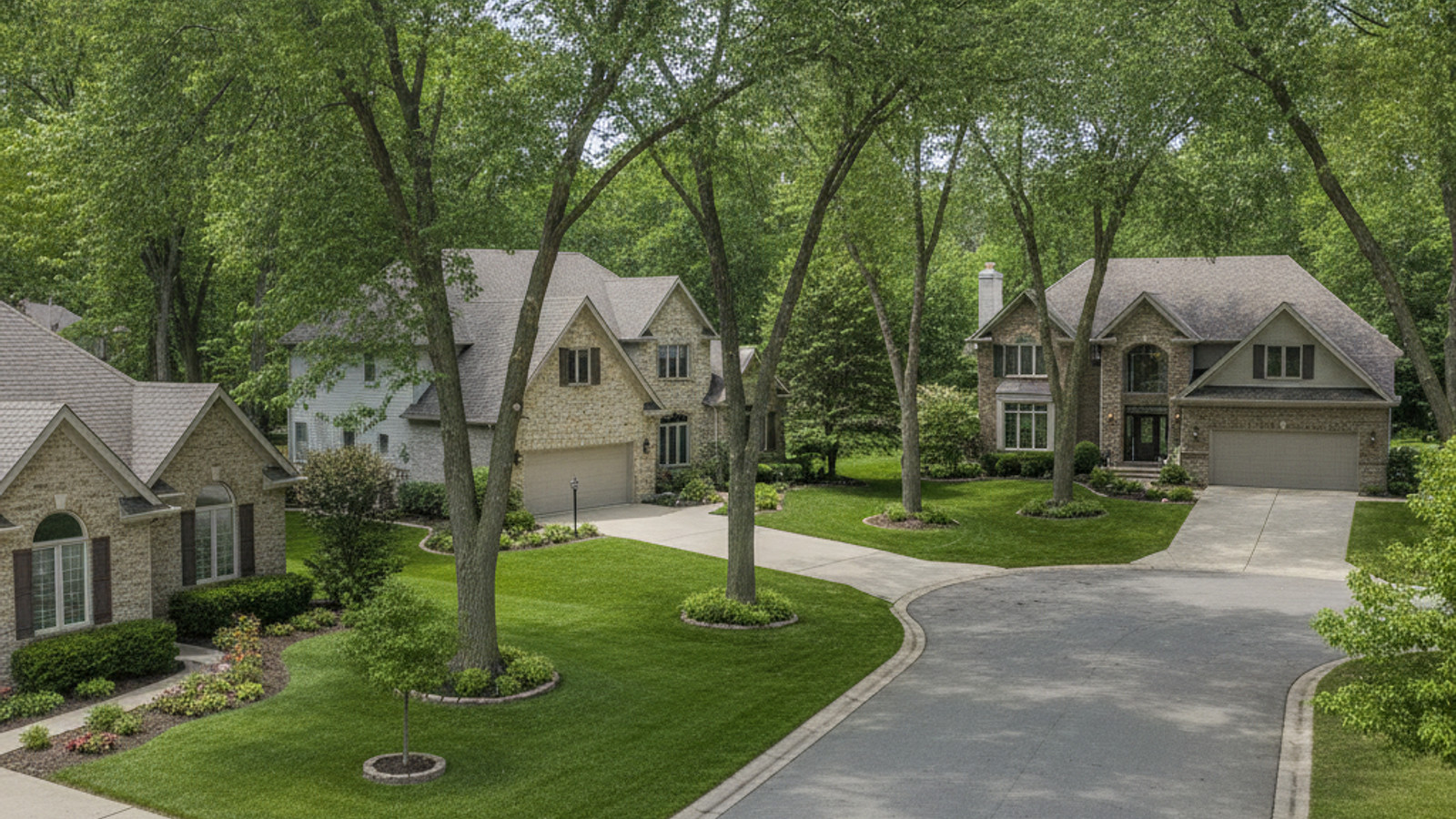
For those who want the classic suburban setup—sidewalks, mature trees, and a private backyard—Shimmons Woodgrove is a solid choice. This is an established subdivision that feels removed from the hustle of the highways, even though I-75 is just a few minutes away.
The homes here are generally larger, often Colonial or split-level styles exceeding 2,000 square feet, mostly built during the 1990s and early 2000s. It’s the kind of place where you have enough space for a home office and a guest room. It’s popular among buyers looking for more square footage than what they can get for the same money in Troy. Prices here usually run between $380K and $500K+.
The Bald Mountain Area: Best for Luxury & Nature
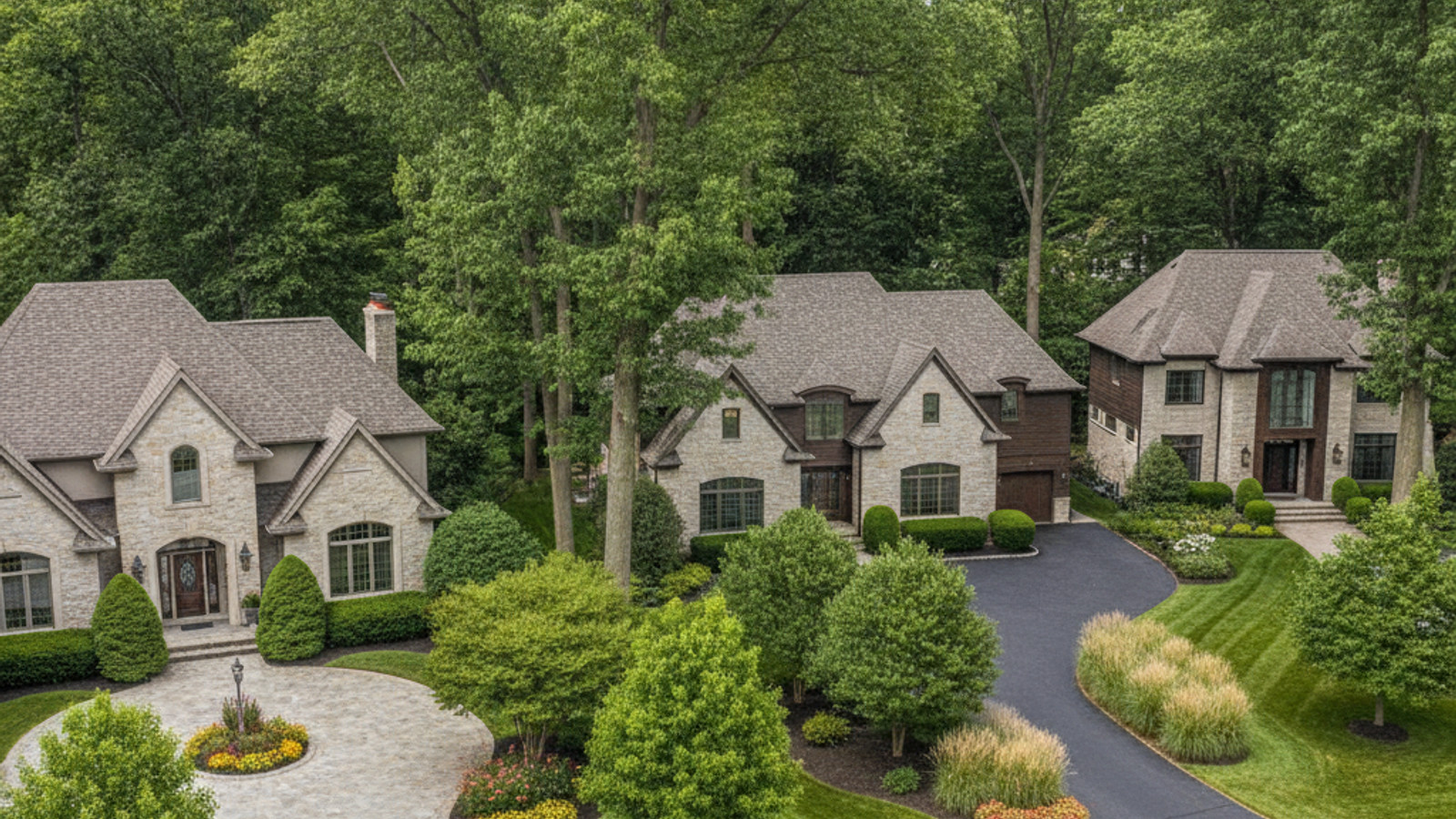
If your budget allows and you are looking for privacy, head to the northeast corridor near the Bald Mountain Recreation Area. This is where Auburn Hills feels less like a manufacturing hub and more like a retreat.
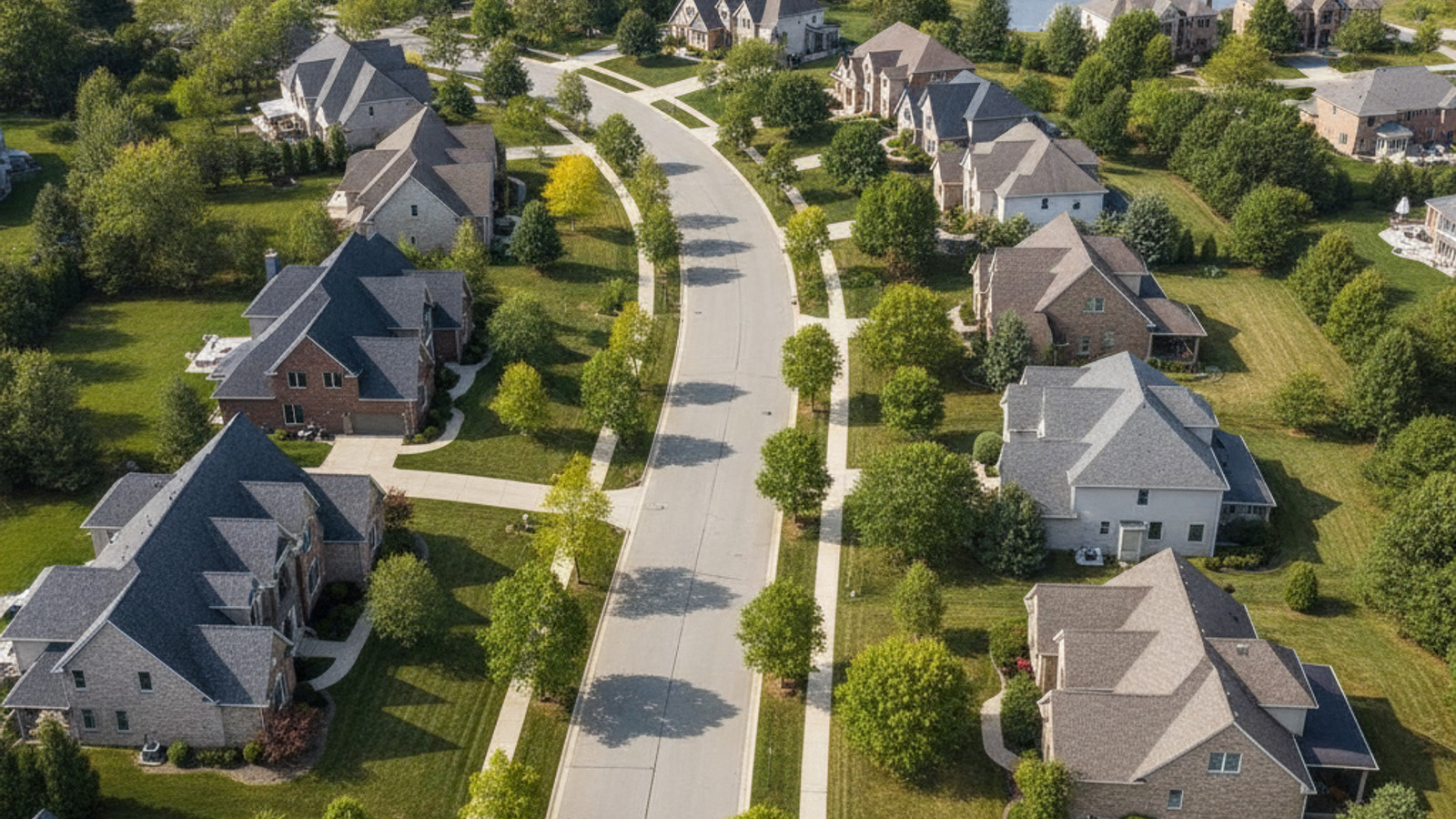
Neighborhoods like The Preserve at Bald Mountain feature custom estates, luxury detached condos, and newer construction. Because this area borders state land and parks, the scenery is fantastic—lots of woods, hills, and winding roads.
A major financial factor here is that some of these homes fall into the Rochester School District zone. Consequently, this is the most expensive part of town. Expect to see listing prices ranging from $550K up to $800K and beyond. It’s ideal for executive living or nature lovers who want high-end finishes.
Downtown District & The Parkways: Best for Urban Living
Downtown Auburn Hills has quietly undergone a major revitalization. It’s not just a government center anymore; it’s becoming a genuine lifestyle destination.
The housing stock here is a mix of the old and the new. You have The Parkways, which offers modern luxury townhomes, sitting right alongside loft-style apartments and older bungalows. Living here puts you directly on the Clinton River Trail system, which is perfect for cyclists and runners.
You can walk to summer concerts at Riverside Park, grab a coffee, or hit up a local brewery. Because of the proximity to Oakland University, this area is also a hotspot for graduate students, faculty, and commuters who want an active lifestyle. Rents for modern units often range from $1,400 to $2,200+, while purchasing a newer townhome starts around the $300K mark.
Housing Market & Cost of Living (2026 Update)
Let’s talk numbers. The primary reason people move here is that the math makes sense. As of February 2026, Auburn Hills remains significantly more affordable than its neighbors. While median homes in Rochester Hills and Troy are often pushing $440K or $450K+, Auburn Hills offers options closer to the $270K – $360K range.
Of course, that median price is an average; a luxury home near Bald Mountain will cost double that, while a fixer-upper in the southern end will cost less.
Here is how the costs usually shake out:
- Property Taxes: The effective rate is around 1.9%, which is reasonable considering the level of city services. The heavy corporate tax base (thanks to the tech and auto HQs) helps subsidize residential amenities.
- Rental Market: Demand is strong here. Between the corporate headquarters and Oakland University students, rentals move fast.
- Inventory: Like much of Oakland County, inventory is tight. Finding a move-in ready single-family home under $300K is becoming increasingly difficult, so when one pops up, you need to move quickly.
Lifestyle: Commute, Parks, and Shopping
Living here is convenient—that’s the best word for it.
Commuting is a breeze compared to the western suburbs. You have direct access to I-75, which gets you to Detroit in about 35-45 minutes or north to Flint. M-59 cuts east-west, making it easy to get to Hall Road shopping or over to Pontiac.
Shopping is a major local industry. Great Lakes Crossing Outlets isn’t just a mall; it’s a regional destination with an aquarium, Legoland, and massive movie theaters. If you prefer big-box stores (Costco, Target, etc.), the “Baldwin Corridor” has almost everything you need within a three-mile stretch.
For parks and recreation, the city punches above its weight. Hawk Woods Nature Center offers a lodge and camping right inside the city limits. Civic Center Park has trails and sports fields, and the Clinton River Trail connects you to a massive network of regional paths.
Comparison: Auburn Hills vs. The Neighbors
If you are on the fence, here is a quick way to compare Auburn Hills to the surrounding areas:
- Vs. Rochester Hills: Auburn Hills is more affordable and has a more “mixed” industrial/residential feel. Rochester Hills has a distinct prestige factor, a famous downtown, and consistently higher price tags.
- Vs. Pontiac: Auburn Hills generally sees higher home values and lower crime rates. Pontiac offers much lower entry prices, but the neighborhoods can vary significantly in terms of stability and investment potential.
- Vs. Troy: Troy is a dense business and residential hub with highly-rated schools across the entire city. Auburn Hills feels a bit more spread out and forested in parts, offering a quieter, less congested daily drive for many residents.
Frequently Asked Questions
Is Auburn Hills, MI a safe place to live?
Auburn Hills is generally considered safe and comparable to national averages. The northern and western sections, particularly near the golf courses and Bald Mountain, tend to have very low incident rates. Areas bordering Pontiac may see higher activity, so it is always smart to check local crime maps for the specific street you are interested in.
What school district is Auburn Hills in?
The city does not have its own exclusive school district. It is primarily served by the Avondale School District, but significant portions are served by Pontiac Schools (south/southeast) and Rochester Community Schools (northeast). Always verify the school zone for a specific house before making an offer.
Does Auburn Hills have a city income tax?
No, Auburn Hills does not have a local city income tax. This is a nice financial perk for residents compared to working or living in cities like Pontiac or Detroit that do levy an extra income tax.
Is Auburn Hills expensive?
Compared to its affluent neighbors like Birmingham or Rochester, Auburn Hills is quite affordable. As of 2026, the median home price sits comfortably in the $270K–$300K range, making it one of the best value buys in Oakland County for the amenities provided.