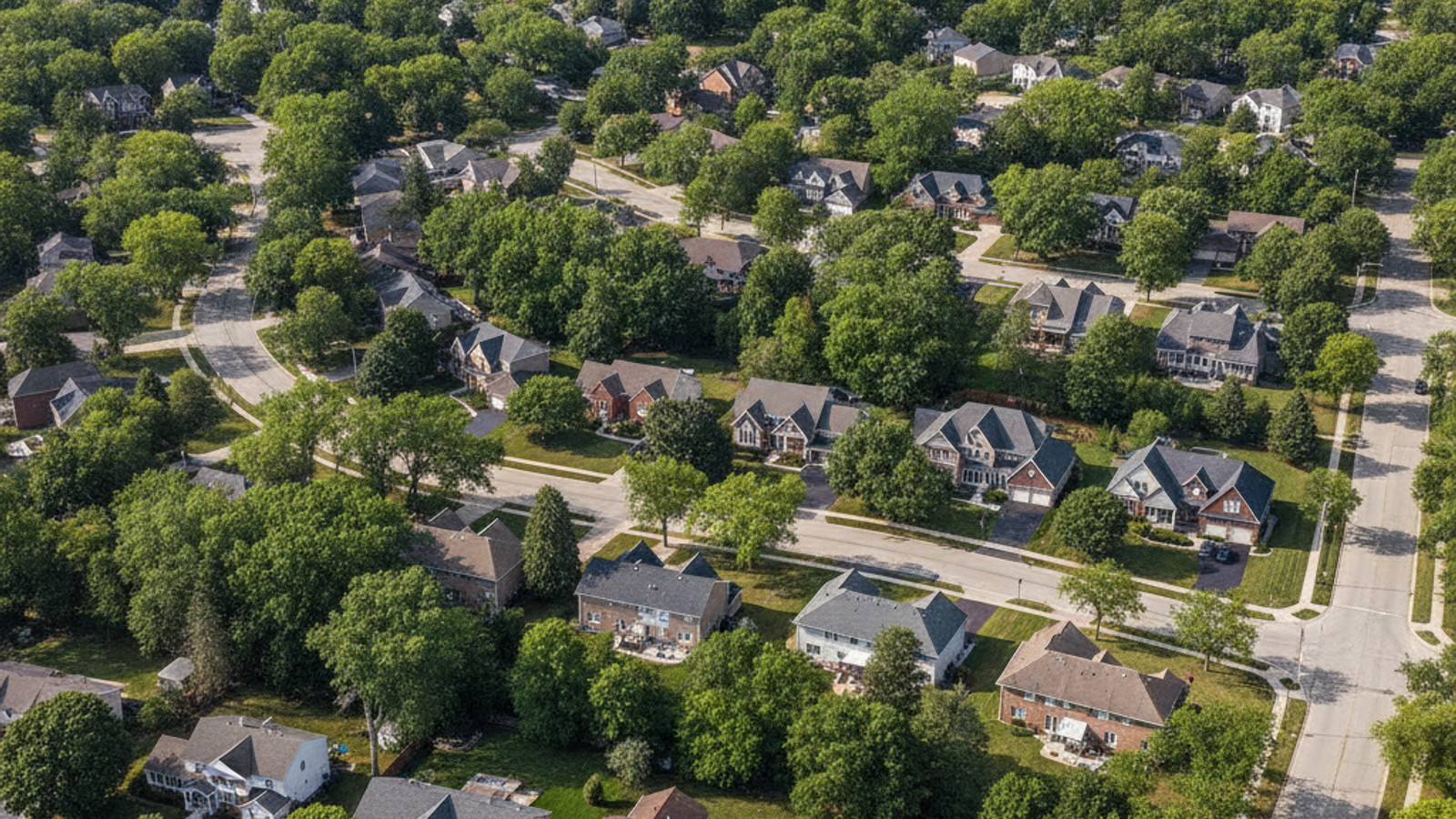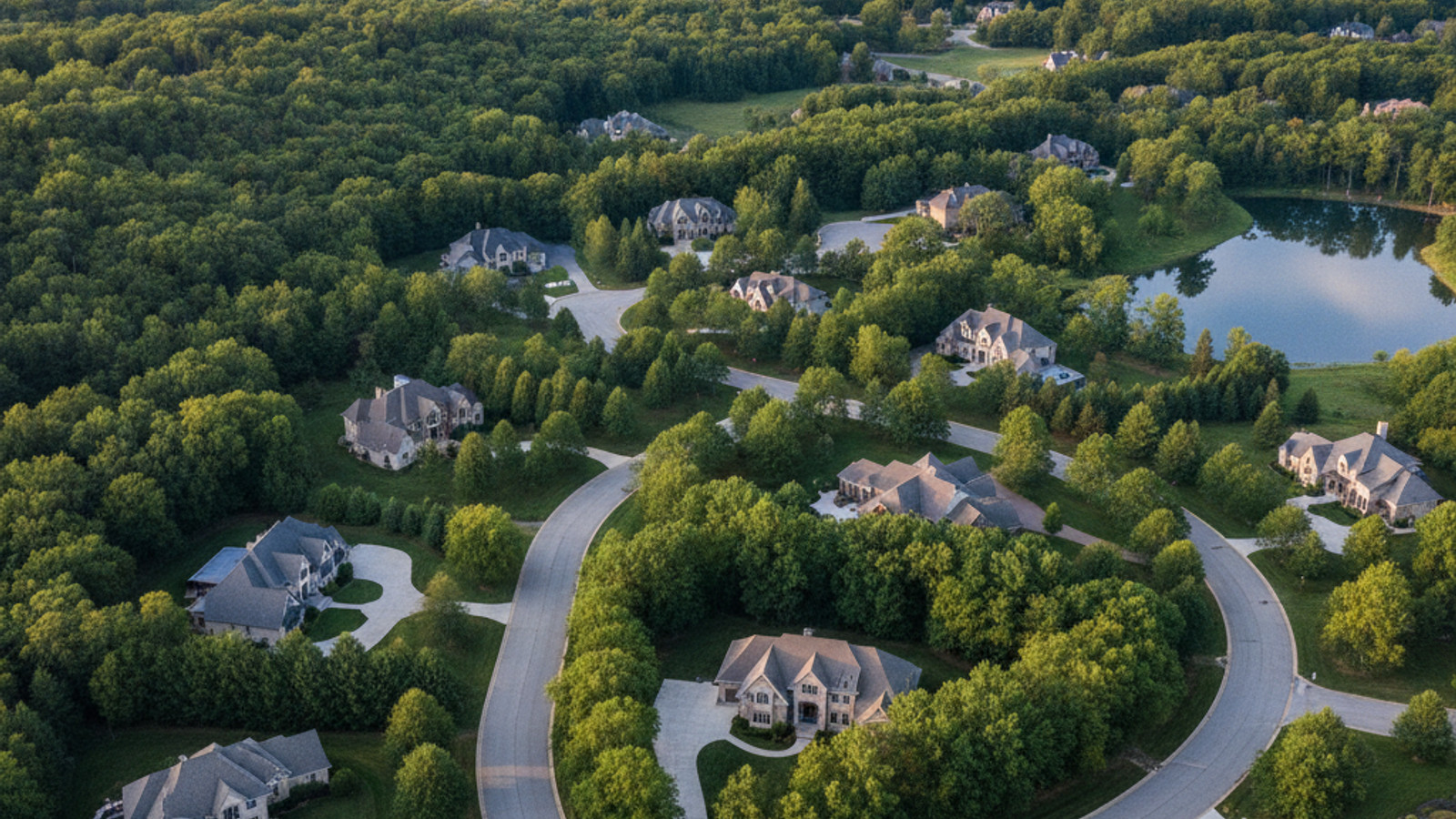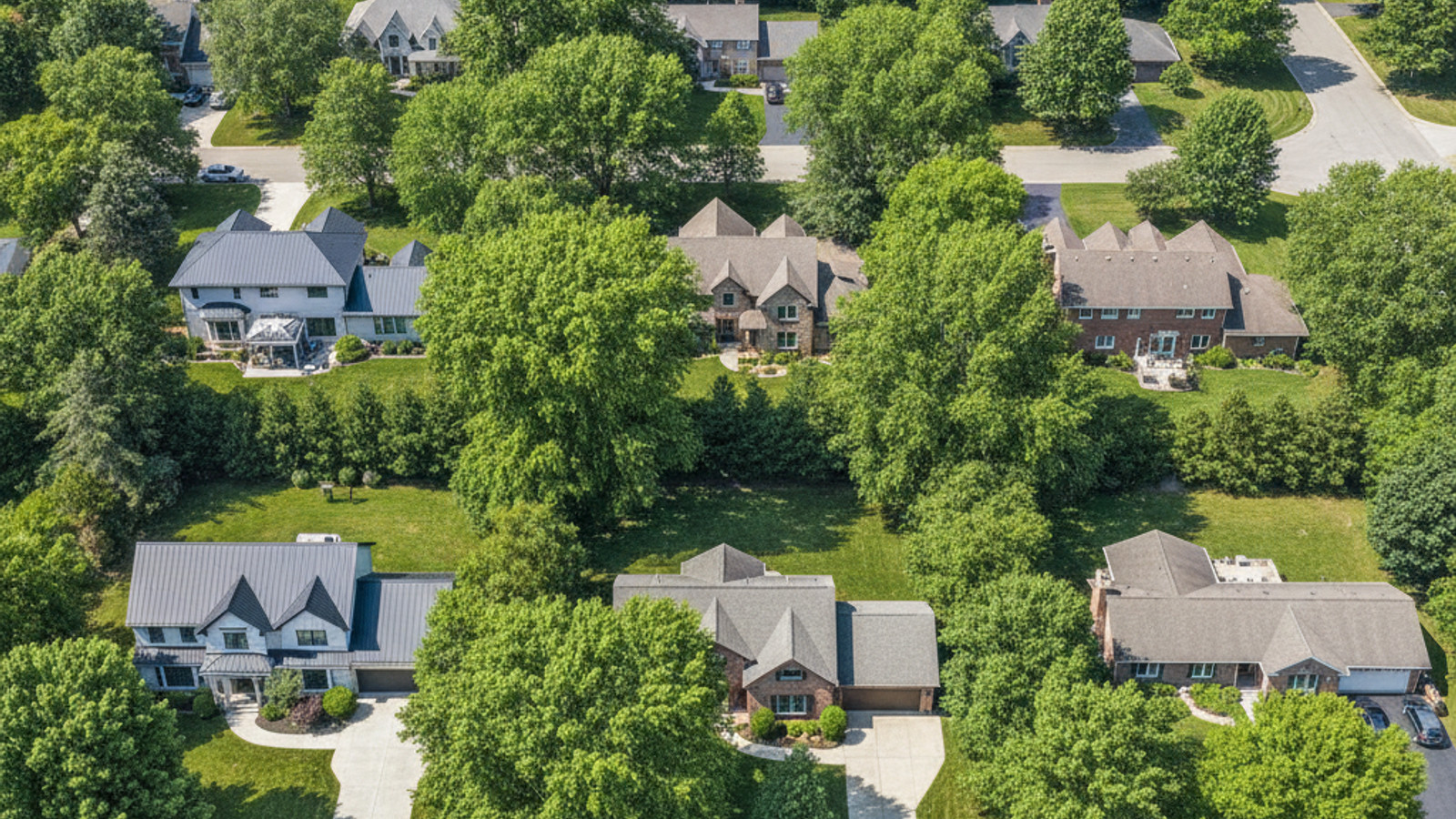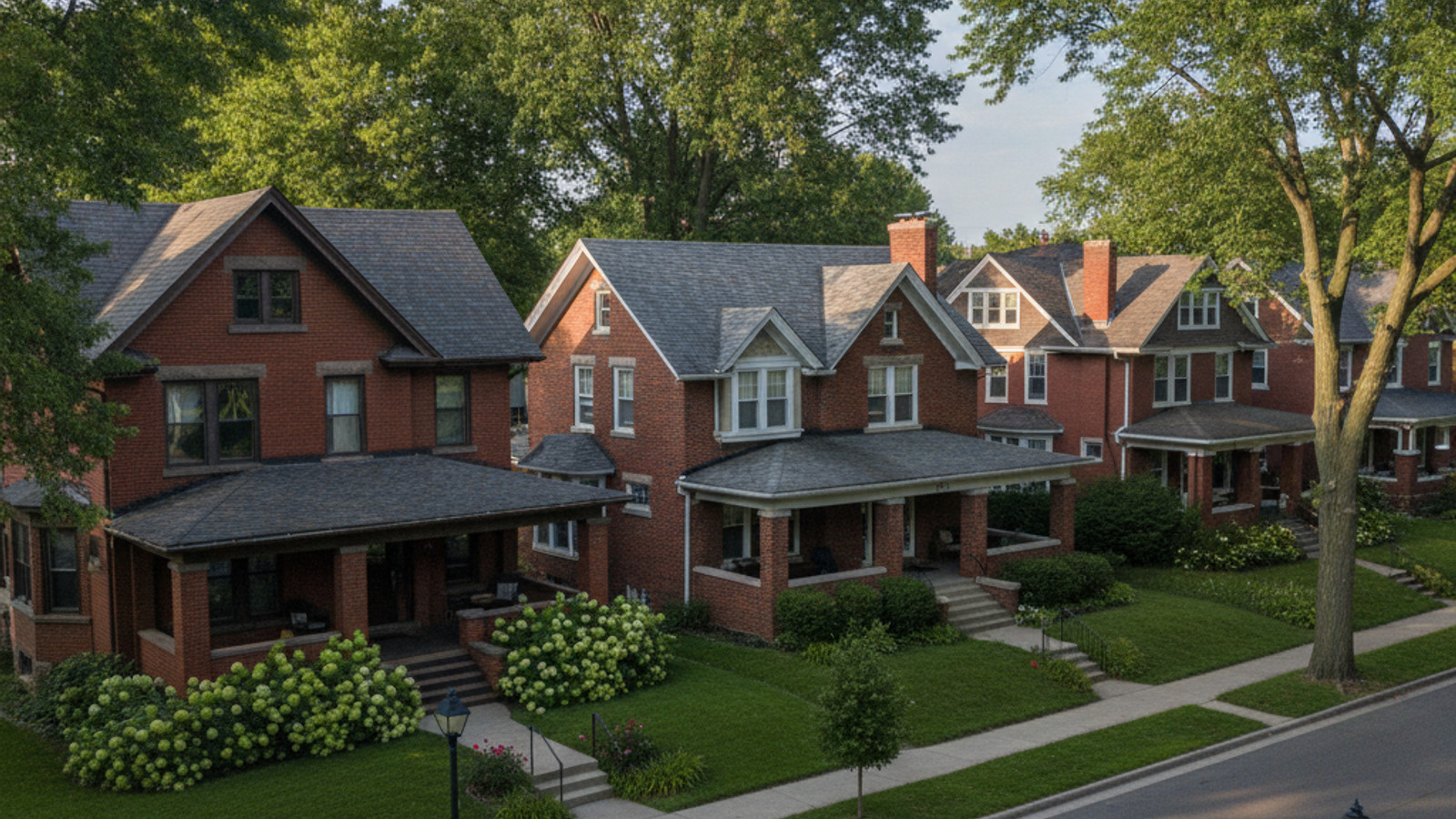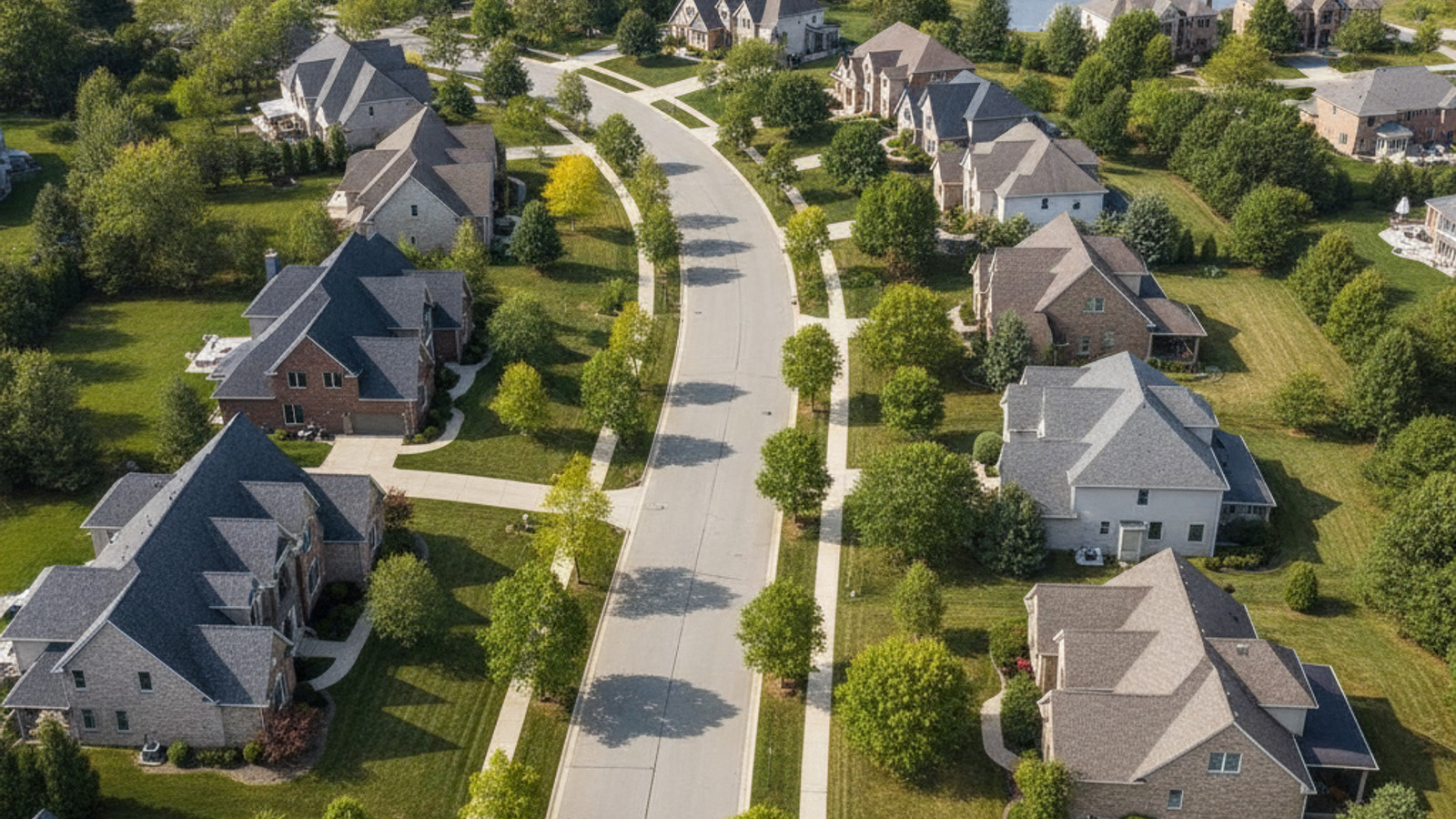
West Auburn Hills sits at an interesting intersection – residential neighborhoods pressed right up against the city’s primary commercial and civic core. If you’re shopping for a home in the best neighborhoods in Auburn Hills, you’ll want to know upfront that the market moves fast. Single-family homes are spending roughly 14 days on the market before going under contract, so hesitation is expensive here.
The downtown district – known locally as the City Center – serves as the revitalized civic center of Auburn Hills, MI. A short drive away, Great Lakes Crossing Outlets spans 1.3 million square feet and functions as a genuine economic engine for the area, not just a place to buy shoes.
What to Expect in West Auburn Hills and the City Center
The downtown district pulls together local government buildings, public spaces, and community events in one walkable area. Buyers on the western side of the city get easy access to all of that while still living in a suburban residential setting – which is a combination that’s harder to find than people expect.
The market heading into summer 2026 is about as competitive as it looks on paper. The median sale price in Auburn Hills sits around $319,700, homes are selling at 100.8% of list price, and there are only about 40 homes in active inventory with a 2.5-month supply. That’s not a lot of runway. You’ll need to know what you want before you find it.
M-59 and I-75 are the two corridors doing the heavy lifting for commuters here. They connect the western neighborhoods and the downtown area to the rest of Metro Detroit, which matters a lot if you’re planning to work anywhere outside city limits.
Housing Styles and Market Pace
Properties in the western portion of Auburn Hills run the range from established single-family homes to newer developments. Sixteen homes sold in a single month in recent data – steady demand for a market that’s relatively affordable by Oakland County standards.
Nearly 44% of homes sell above the original list price, so multiple-offer situations are the norm, not the exception. A local agent who’s watching new listings daily isn’t a luxury in this market – it’s pretty much the baseline requirement for getting into a home.
Getting Around the Area
Auburn Hills is laid out in a way that naturally routes traffic toward the City Center and the major shopping corridors. Surface streets connect easily to local parks, municipal services, and everyday retail without much complication.
For anything regional, the I-75 access means Troy or downtown Detroit are a reasonable drive. That connectivity is one of the things that keeps drawing relocating buyers to this side of the city.
Hotels and Lodging in Auburn Hills
If you’re coming in from out of town to scout the area, you’ll find the highest concentration of hotels clustered near Great Lakes Crossing Outlets. It’s a practical setup – you’re close to the city’s main shopping and entertainment without needing to work out where anything is.
The lodging mix covers a real range: families visiting the aquarium, automotive industry professionals in for meetings, weekend shoppers. Most of the hotels sit just off the main highway exits, which keeps the City Center an easy drive. Peak demand hits during major shopping holidays and summer months, so if you’re planning a scouting trip in those windows, book early.
Staying Near Great Lakes Crossing
Several recognizable hotel brands operate right around Great Lakes Crossing Outlets, putting guests within walking distance or a very short drive of more than 185 retail and dining options.
That proximity is particularly useful if you’re bringing kids and planning to hit the LEGOLAND Discovery Center or the SEA LIFE Michigan Aquarium. After a full day of that, you don’t want to be driving far.
Budget and Upscale Choices
On the budget end, extended-stay suites work well for buyers who are relocating and need a base for a few weeks. Those properties tend to sit a bit further from the main shopping center but still have solid highway access. Closer to the City Center, the more upscale options typically offer on-site dining, fitness centers, and meeting spaces – better suited for business travelers who need that infrastructure.
Restaurants and Dining Options
The dining scene in Auburn Hills is shaped by two distinct gravitational pulls: the foot traffic at Great Lakes Crossing Outlets and the slower, more intentional redevelopment happening in the City Center. That gives you a wider range of options than you’d expect for a city this size.
Downtown has been pushing toward independent local eateries that serve both the daytime office crowd and evening residents. Outdoor seating opens up during the warmer Michigan months, which changes the feel of the area considerably.
Out along the retail corridors, you’ve got national chains and large-scale dining venues filling in the rest of the map. It’s not a destination dining scene in that direction, but it’s reliable and there’s plenty of it.
Top Dining Spots in the City Center
The revitalized downtown is where you’ll find independent restaurants drawing locals before and after civic events. Parking is generally straightforward here, which is one of those small things that actually matters when you’re deciding where to have lunch regularly.
The walkable nature of the district makes it genuinely easy to try different spots without planning a whole expedition around it.
Dining Near the Outlets
Great Lakes Crossing houses a full food court alongside several sit-down restaurants, so shoppers can move from browsing to a meal without leaving the property. Multiple cuisines, multiple price points – it works for families, and it works for a quick solo lunch. Weekend evenings get busy enough that a reservation or an early arrival is worth thinking about.
Local Landmarks and Things to Do
Great Lakes Crossing Outlets is the headline attraction in Auburn Hills. At over 1.3 million square feet, it’s one of Michigan’s largest destination shopping centers, and it draws visitors from across the state year-round. For residents of West Auburn Hills, that scale of retail is essentially in their backyard.
Beyond the stores, the complex houses major indoor attractions that run year-round – which, when you’ve lived through a Michigan February, you’ll appreciate more than you expect. The City Center sits on the other end of the experience spectrum: smaller, more locally focused, with public spaces that host seasonal gatherings and municipal events rather than outlet shopping.
Shopping and Entertainment
The 185-plus stores at Great Lakes Crossing include outlet versions of premium brands, specialty shops, and large anchor retailers. For everyday shopping convenience, living this close to that kind of inventory is genuinely useful.
Families with kids know this complex for the LEGOLAND Discovery Center and the SEA LIFE Michigan Aquarium, both inside the mall. When January hits and outdoor options disappear, having those two venues a short drive away is not a small thing.
Civic Life in the Downtown District
The downtown area is where Auburn Hills organizes its civic identity – public parks, streetscape improvements, and an environment that actually encourages people to walk around in the evening. Local government offices and community centers are based here too, so handling municipal business doesn’t require a special trip across town.
Weather, Medical Care, and Everyday Services
Oakland County gives you all four seasons, none of them halfway. Auburn Hills summers run warm and humid, winters bring real cold and regular snow. That range affects home maintenance planning, commute expectations, and how you’ll use the city’s indoor and outdoor amenities across the year.
Medical access is solid here without being self-contained. Auburn Hills has local urgent care centers and primary care clinics, and major hospital systems in surrounding cities like Pontiac and Troy are reachable via I-75 and M-59 without much difficulty. Grocery stores, pharmacies, and banks are distributed along the main thoroughfares, so you’re not making long drives for everyday needs regardless of which western neighborhood you land in.
Auburn Hills Weather Expectations
Summers typically reach the low to mid-80s, and July and August are the warmest months – good conditions for using the parks in and around the City Center. Winter is a different calculation. Freezing temperatures and regular snowfall mean homeowners need to take snow removal and winterization seriously, not just as a nice-to-have. It’s one of those practical realities worth factoring into your home search when you’re comparing properties.
Hospitals and Medical Facilities
Auburn Hills itself covers the urgent care and primary care end of the spectrum. For emergency services and complex procedures, you’re looking at the regional medical centers in Pontiac and Troy. Both are accessible via I-75 and M-59, and for most buyers considering this area, that proximity to larger hospital systems is a meaningful reassurance – not a compromise.
Frequently Asked Questions
Which school districts are homes in West Auburn Hills assigned to?
School assignments depend on the exact location of the home. Boundaries can shift, so verify directly with the local districts before assuming anything.
How do property taxes and average home prices in West Auburn Hills compare to neighboring Rochester Hills?
The median home price in Auburn Hills is roughly $319,700, which generally runs more affordable than neighboring Rochester Hills. Property tax rates vary by municipality based on local millage, so compare the specific rates for any property you’re seriously considering.
Are mandatory HOAs and high subdivision fees common in the western part of Auburn Hills?
Many newer subdivisions in the western neighborhoods do carry mandatory Homeowners Associations. Review the specific HOA rules and monthly fees before you make an offer – that information should be part of your due diligence on any property.
How quickly are single-family homes currently selling in the Auburn Hills West real estate market?
Fast. The median days on market is 14, and there’s only a 2.5-month supply of inventory. If you find something you like, waiting to think about it over the weekend is a real risk.
What are the main differences in housing styles and lot sizes between West Auburn Hills and the downtown area?
West Auburn Hills is residential neighborhoods. The downtown City Center is a revitalized area built around civic and community life. Lot sizes and home styles shift depending on which of those two districts you’re targeting, so it’s worth being specific about what you’re looking for before you start touring.
Are there any noise or traffic concerns when buying a house in West Auburn Hills near the M-59 and I-75 corridors?
Homes immediately adjacent to M-59 or I-75 do experience highway noise and heavier traffic. The only reliable way to gauge whether it’s tolerable for you is to visit those specific neighborhoods during peak commute times and form your own opinion.