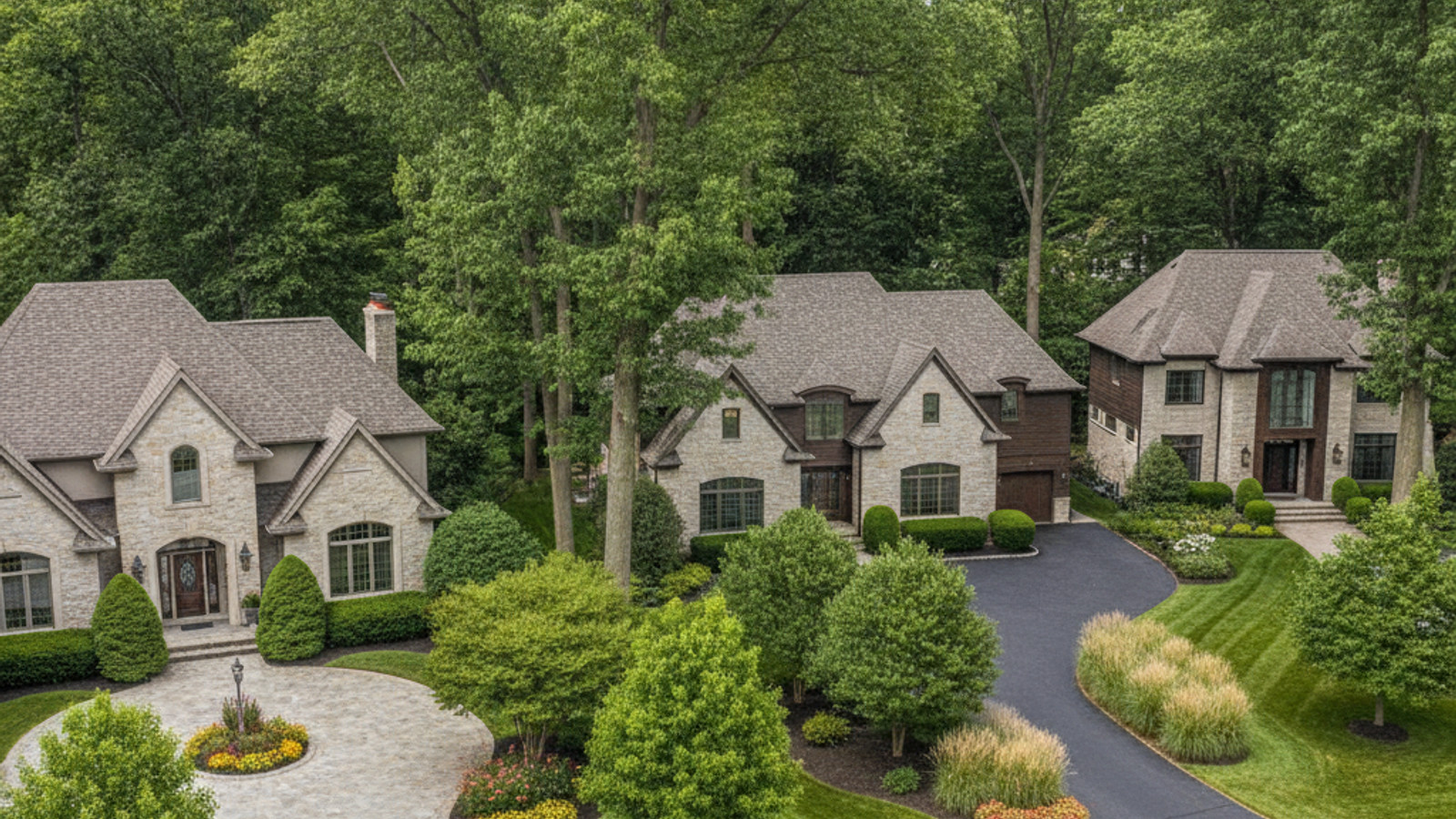
The median listing price for homes in Oakland Township, MI sits around $750,000 as of May 2026. Sellers are seeing average market times between 26 and 41 days before accepting an offer. Inventory levels have leveled out, creating a balanced environment where neither buyers nor sellers hold an overwhelming advantage.
A successful pricing strategy looks past broad national headlines and focuses on local data. Oakland County buyers remain sensitive to interest rates, but well-priced homes still attract multiple offers. Effective pricing strategies in Oakland Township, MI depend on recent comparable sales, specific neighborhood amenities, and overall property condition.
Overpricing a listing often leads to extended days on market, which can force eventual price reductions. A data-driven approach helps sellers target the right buyer pool from day one. Understanding local market nuances ensures your home stands out against other available listings.
Buyers in 2026 have more options to tour than they did in 2025, reducing the pressure to bid blindly over the asking price. Sellers who price their homes correctly from the start secure offers faster and retain more of their net proceeds. Setting a competitive list price remains the most effective way to generate strong buyer interest.
What the Oakland Township Market Looks Like in May 2026
Available listings currently reflect a stabilized housing market with steady demand. Homes sitting on the market longer than 41 days often signal a disconnect between the list price and the property’s condition. Buyers quickly notice when an overpriced listing lingers, which frequently prompts them to submit lowball offers.
An accurate pricing strategy relies on evaluating homes that have successfully closed within the last three to six months. Real estate agents use these closed comparable sales to establish a baseline value for your home. Adjustments are then made based on square footage, recent updates, and overall lot size to pinpoint a competitive asking price.
The sale-to-list ratio in Oakland County provides another helpful data point for homeowners preparing to sell. This metric shows how close the final sale price is to the original asking price. Homes that require immediate price drops often end up selling for less than they would have if priced correctly from the beginning.
Appraisals also play a major role in the current market landscape. If a buyer requires a mortgage, their lender will order a real estate appraisal to confirm the home’s value. Pricing a home too far above local comparables can lead to appraisal shortfalls, which forces both parties back to the negotiation table.
How Property Features Shape Your Asking Price
A home’s specific location within Oakland Township, MI directly impacts its overall valuation. Proximity to major local amenities and school district boundaries changes how buyers perceive a property’s worth. Even homes with identical floor plans can sell for vastly different amounts based on their lot placement.
Interior updates also drive the final sale price, especially in homes built more than twenty years ago. Buyers in 2026 prioritize move-in ready properties with modernized kitchens, updated primary bathrooms, and energy-efficient HVAC systems. Sellers should account for these hyper-local factors and interior conditions when establishing their initial list price.
Certain property characteristics consistently add measurable value during the appraisal process. Buyers actively search for specific lot features that enhance their daily routines.
- Lot acreage and elevation: Larger lots command a higher price per square foot, especially if they offer walkout basements or clear sightlines.
- Trail and park access: Homes located near the Paint Creek Trail or local township parks frequently attract buyers looking for outdoor recreation access.
- School district boundaries: Properties zoned for Rochester Community Schools often see consistent buyer demand, which helps sustain property values during seasonal shifts.
Pricing Luxury Estates Versus Traditional Subdivisions
Oakland Township features a diverse mix of housing types, from custom-built estates to established single-family subdivisions. This variety means a standard comparative market analysis requires careful selection of comparable properties. Using a tract home as a comparable for a custom build will result in an inaccurate valuation.
When pricing luxury real estate, agents evaluate unique architectural details, premium materials, and high-end outdoor living spaces. These properties often appeal to a smaller buyer pool, meaning they might experience longer days on market before a contract is signed. Pricing these homes requires analyzing recent luxury transactions in nearby areas like Bloomfield Hills, MI or Birmingham, MI to find true comparables.
Traditional single-family subdivisions offer more straightforward pricing models due to the availability of similar nearby homes. Sellers in these neighborhoods should look at closed sales within their specific subdivision over the past six months. Matching the exact floor plan or similar square footage yields the most reliable asking price.
Homeowner association dues and neighborhood amenities also factor into the pricing equation for subdivision homes. Buyers factor monthly HOA costs into their total housing budget when applying for a loan. High HOA fees can occasionally limit a buyer’s purchasing power, which sellers should keep in mind when setting their list price.
Timing Your Sale and Highlighting Commute Routes
Seasonal shifts in Michigan dictate the pace of buyer activity throughout the year. Spring and early summer traditionally bring the highest volume of buyers, leading to faster transactions and potential bidding wars. Listing in late fall or winter often means fewer showings, though the buyers touring homes during those months tend to be serious about purchasing.
Commute times to major employment centers play a major role in how much a buyer is willing to pay. Oakland Township provides a suburban feel while maintaining access to corporate hubs in Troy, MI and Detroit, MI. Buyers frequently calculate their daily drive times via I-75, M-59, or Rochester Road when deciding between different neighborhoods.
Sellers should highlight convenient access to these main arteries in their listing descriptions. Emphasizing nearby commuter routes helps justify the asking price to buyers commuting for work. Positioning the home as a convenient base for daily travel adds measurable value to the listing.
Staging the home to reflect the current season can also improve buyer perception. Maximizing natural light during the darker winter months or showcasing outdoor entertaining spaces in the summer helps buyers visualize living in the space. These small presentation details support your pricing strategy by elevating the property’s perceived value.
Negotiating Offers and Managing Contingencies
Receiving an offer is only the first step in the transaction process. Sellers need to evaluate the full terms of the contract, including the proposed closing date, financing type, and requested contingencies. A cash offer below asking price might hold more value than a higher offer burdened with complex financing requirements.
Inspection contingencies remain standard in most Oakland County residential real estate contracts. Buyers use the inspection period to verify the condition of the roof, foundation, and major mechanical systems. Sellers should anticipate minor repair requests and factor them into their overall negotiation strategy.
Counteroffers allow sellers to adjust terms that do not align with their goals. If a buyer requests an extended closing timeline or asks the seller to cover closing costs, the seller can push back on the purchase price to balance the net proceeds. A local real estate attorney or experienced agent can help structure these counteroffers to protect the seller’s financial interests.
Frequently Asked Questions
How do I price my home correctly in Oakland Township and what will I net from the sale?
You should base your asking price on recent comparable sales within a one-mile radius of your property. Your net proceeds will equal the final sale price minus your mortgage payoff, agent commissions, state transfer taxes, and any agreed-upon seller concessions. A local agent can provide a net sheet detailing these exact figures before you list.
Are there any signs of house prices dropping in 2026 in Michigan?
Current data for May 2026 shows steady median prices rather than broad declines across the state. While available homes have increased slightly since last year, consistent buyer demand continues to support current valuations. Homes priced accurately are holding their value, though overpriced listings are seeing routine price reductions.
Can I negotiate closing costs in Oakland Township?
Buyers and sellers can negotiate who pays specific transaction fees during the initial offer phase. A buyer might offer full asking price but request a 2% seller credit to buy down their interest rate. These terms are entirely dependent on the specific contract and the leverage held by each party.