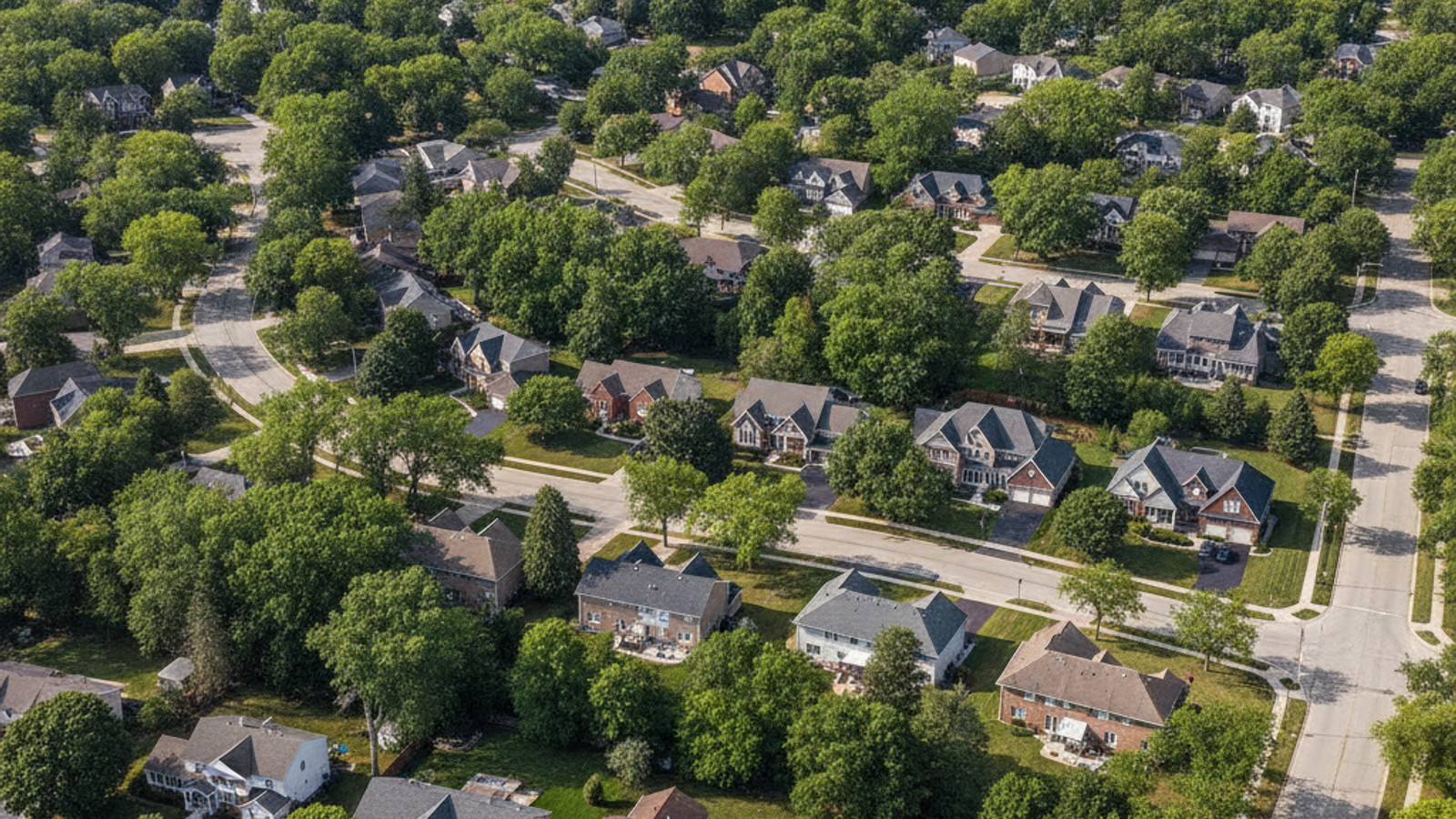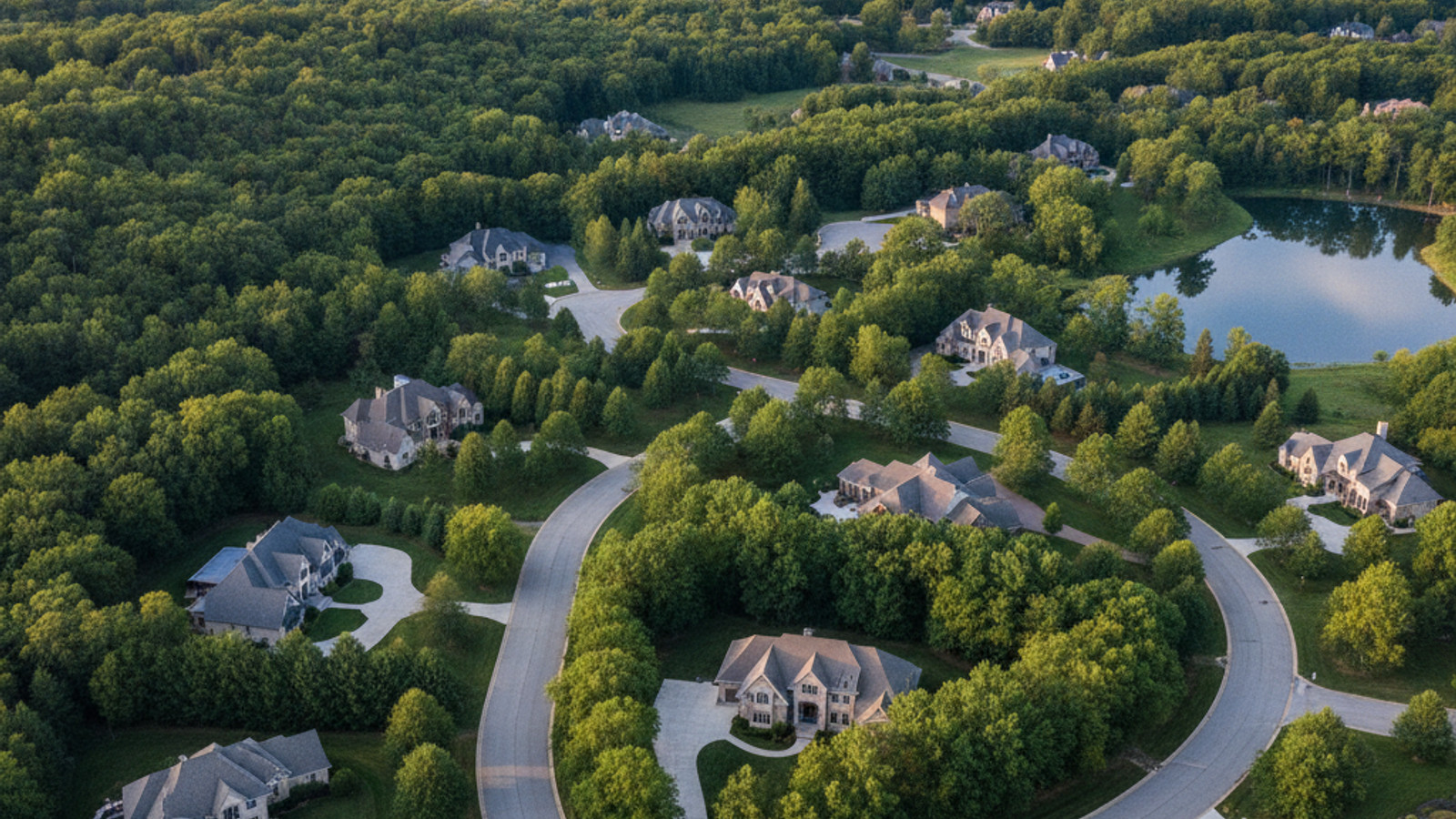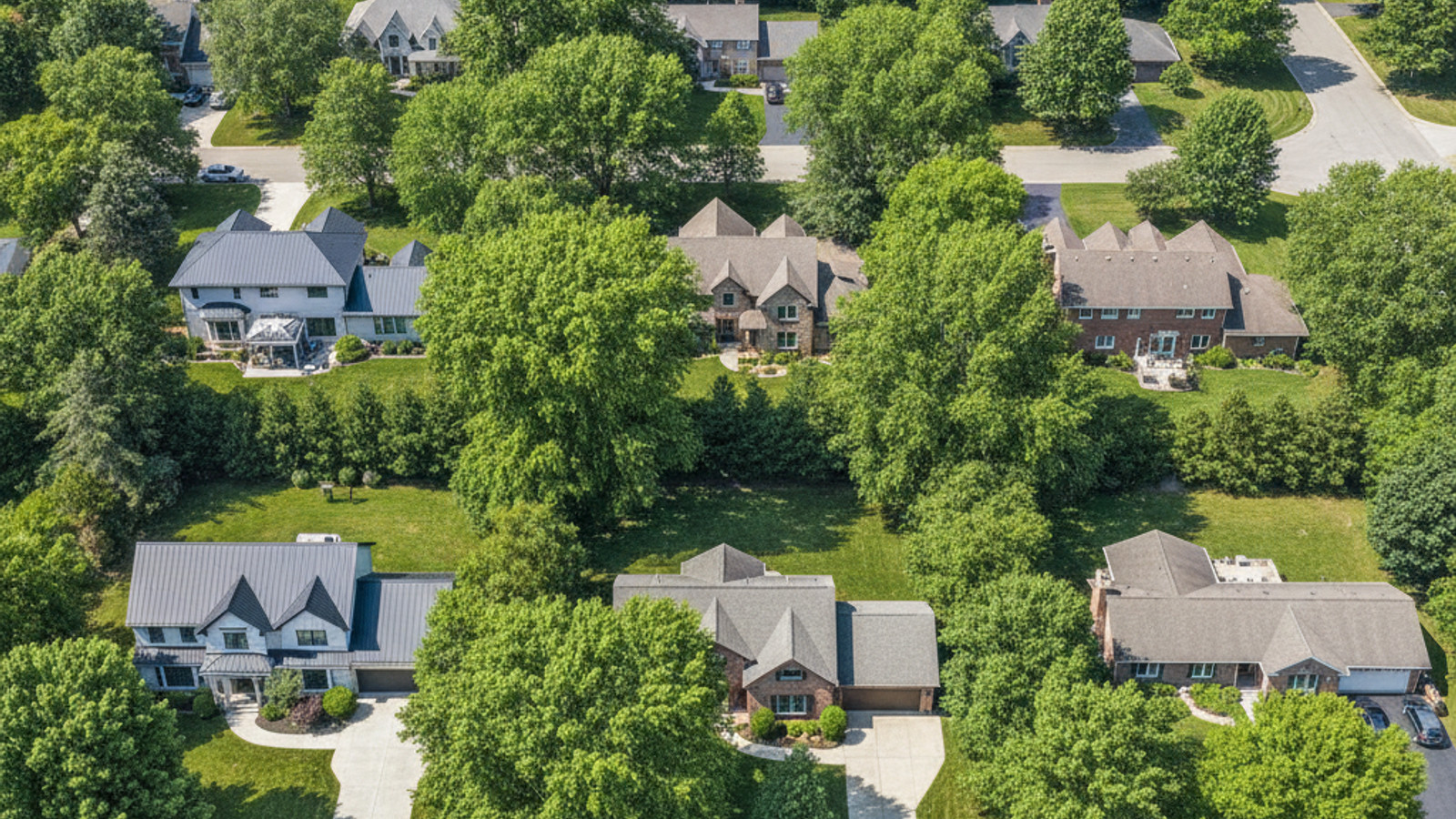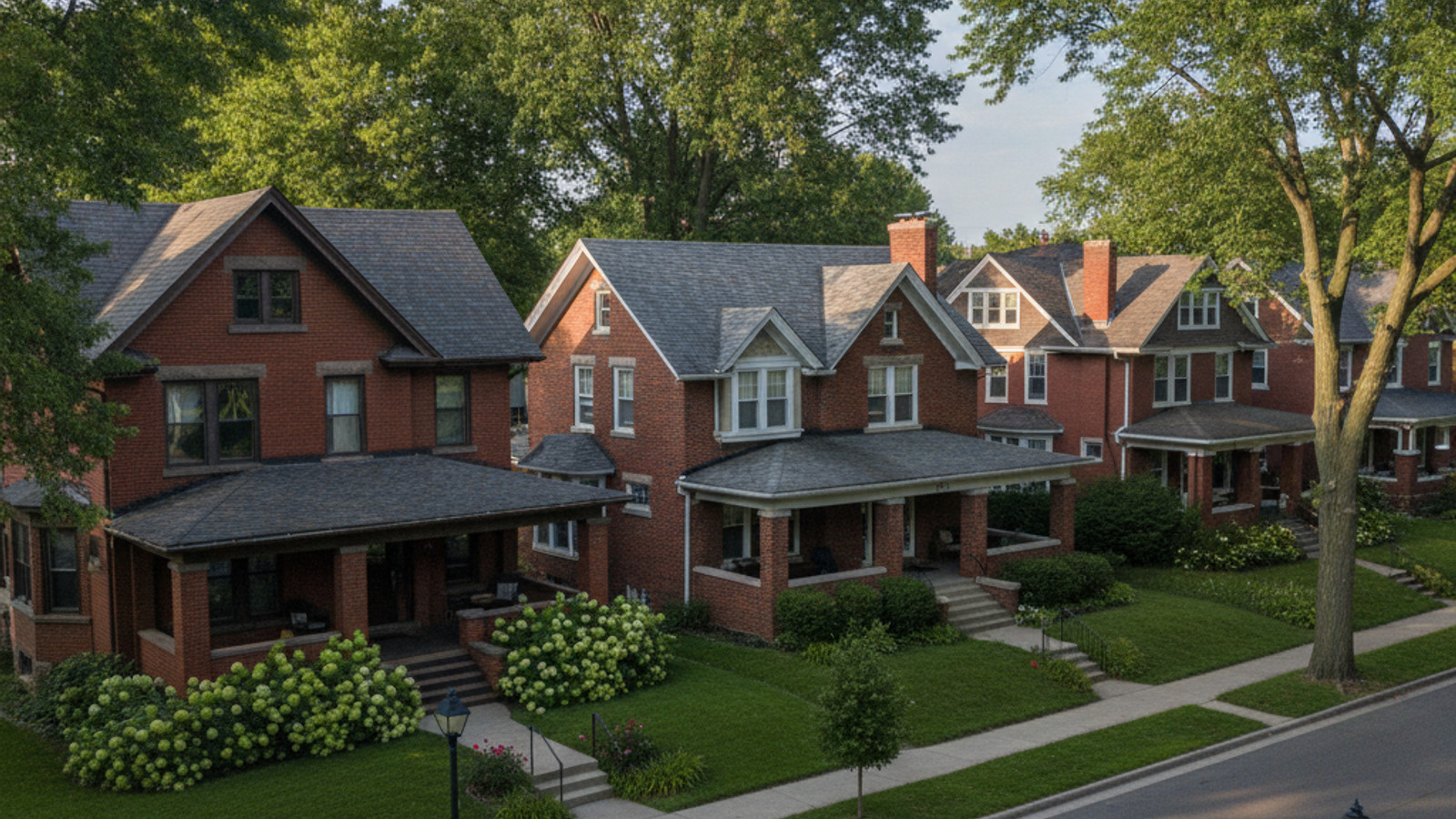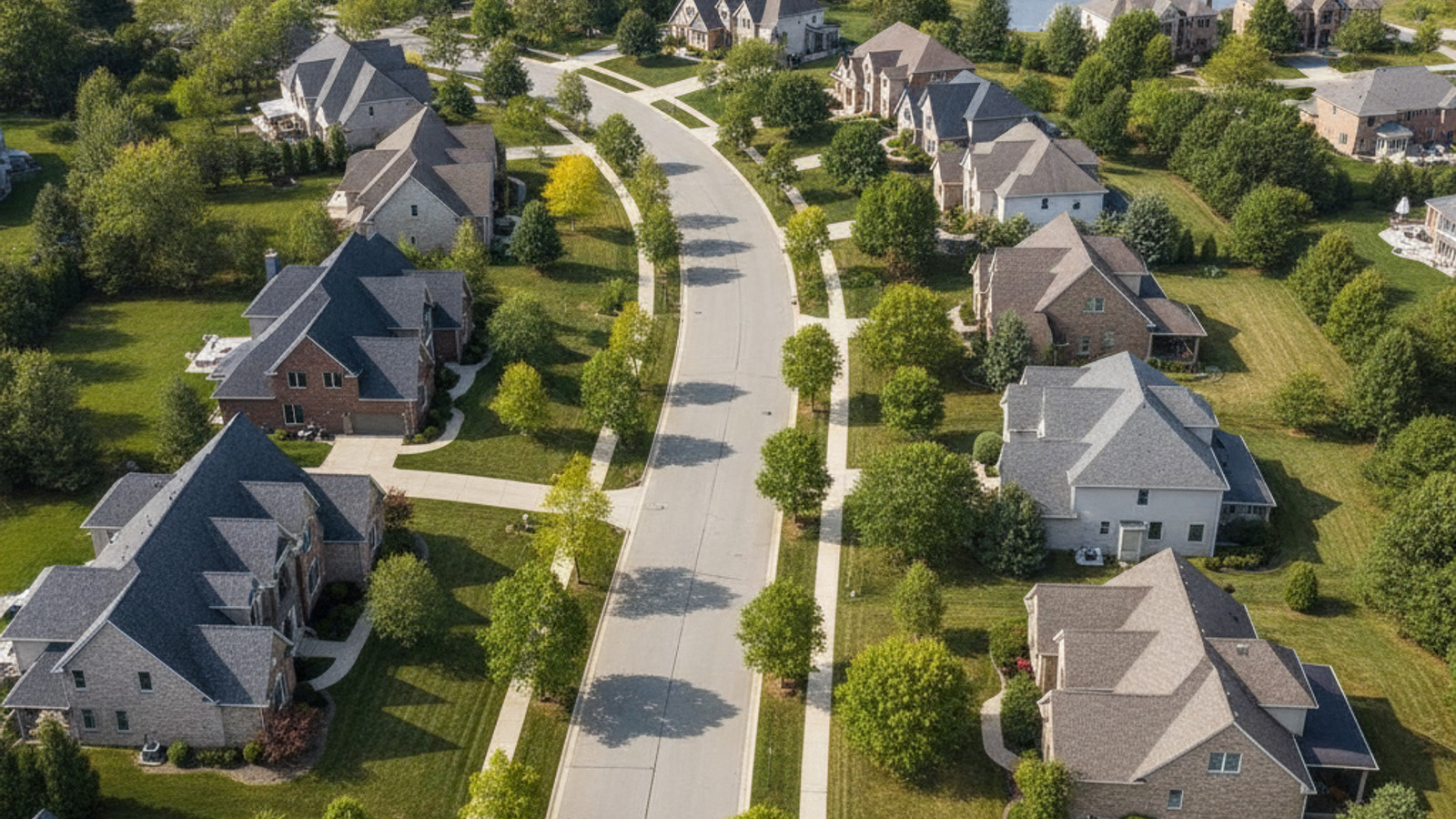
If you are thinking about making a move this year, you probably already know that real estate in Oakland Township is a different beast than in neighboring towns. We aren’t talking about cookie-cutter subdivisions on quarter-acre lots. We are talking about rolling hills, custom estates, and the kind of privacy you usually have to drive three hours north to find.
Because our market is so unique—spanning the 48363 and 48306 zip codes—the process of selling here requires a specific strategy. From navigating private well and septic inspections to pricing a luxury property correctly in early 2026, here is what you need to know to get the best result.
Oakland Township Real Estate Market: A 2026 Snapshot
Let’s start with the numbers. As we head further into 2026, Oakland Township remains a robust seller’s market. Inventory is incredibly tight right now, with active listings often hovering below 100 for the entire township. Because supply is so low, well-maintained homes are moving fast.
If you have been keeping an eye on Oakland Township real estate trends, you will notice that home values have continued to climb. As of early 2026, the median sales price is sitting comfortably between $750,000 and $850,000, with many data points converging around $835,000. Buyers are eager, and for homes priced accurately, the Days on Market (DOM) are surprisingly low—often just 14 to 30 days.
However, the luxury segment (homes priced over $1 million) operates with slightly different rules. While the demand is there, buyers at this price point are discerning. They are building equity through appreciation, but they aren’t willing to overpay for a home that needs significant updates. Precise pricing is the key to unlocking that quick sale.
What Makes Selling in Oakland Township Different?
When marketing a home here, we aren’t just selling square footage; we are selling a “rural-residential” lifestyle. Buyers coming to Oakland Township are specifically looking for breathing room. They want the privacy that comes with 1+ acre lots, the scenic views, and the ability to feel disconnected from the city while still being close to it.
The proximity to nature is a huge selling point we always emphasize. Access to the Paint Creek Trail, the massive Stony Creek Metropark, and local staples like the Goodison Cider Mill are major lifestyle drivers. Buyers often pick this area specifically for these amenities.
Education and finances play a massive role as well. The township is served by top-tier districts—Rochester Community Schools, Lake Orion Community Schools, and Romeo Community Schools—which keeps property demand consistent. Additionally, the township taxes here are generally lower compared to the city taxes in neighboring Rochester Hills, a financial perk that savvy buyers always appreciate.
Preparing Your Home: Well, Septic, and Curb Appeal
If you are moving here from a city with municipal water and sewer, the prep work for selling in Oakland Township might surprise you. Most homes here rely on private well and septic systems. While these systems are standard for us, they can be intimidating for buyers moving from the city.
It is highly recommended to handle your “underground” maintenance before you even list. Have your septic tank pumped and your well water tested for coliform and nitrates. Nothing kills a deal faster than a bad water test coming back three days before closing. If you can present clean tests and maintenance records upfront, you build immediate trust.
On the exterior, curb appeal here means more than just planting some flowers. Since many lots are large, you need to manage the landscape effectively. Clear out dead brush, ensure long driveways are in good repair, and maintain the tree lines. Inside, especially for our larger luxury homes, staging is vital to define spaces. A 4,000-square-foot home can feel cavernous if the rooms don’t have a clear purpose, so we want to stage it to feel warm and inviting.
Navigating Requirements: C of O and Disclosures
One of the best parts about selling in Oakland Township is the lack of red tape compared to other Metro Detroit areas. If you have ever sold a home in Pontiac or Southfield, you know the headache of a city inspection. The good news here is that Oakland Township generally does not require a Certificate of Occupancy (C of O) to resell your home. This streamlines the process significantly.
That said, you still have legal obligations. Michigan law mandates a Seller’s Disclosure Statement, where you must list any known issues with the property, from a leaky roof to a temperamental furnace. If your home was built before 1978, a Lead-Based Paint disclosure is also required.
You should also be mindful of any unpermitted work. While the township doesn’t do a point-of-sale inspection, astute buyer’s agents will check township records. If you have a finished basement or a large deck that was built without a permit, it’s better to address that conversation with your agent early on rather than waiting for it to come up during the buyer’s inspection.
Cost to Sell: Commission, Taxes, and Fees
It is important to know exactly what you will walk away with at the closing table. Beyond the mortgage payoff, there are specific transaction costs associated with selling in Michigan.
At a glance, here are the standard costs you can expect:
- Real Estate Commission: Usually the largest expense, this is variable and typically split between the listing brokerage and the buyer’s brokerage.
- Title Insurance: The seller typically pays for the Owner’s Policy of Title Insurance to prove the title is clean.
- Miscellaneous Fees: Recording fees (~$30) and the cost of final septic pumping ($300–$500).
You also need to account for Transfer Taxes. The State of Michigan charges $3.75 per $500 of value, and Oakland County charges $0.55 per $500 of value. Combined, that is $8.60 for every $1,000 of the sale price.
To put that in perspective, if you sell your home for $800,000, you will pay approximately $6,880 in total transfer taxes at closing. It’s smart to calculate your closing costs early so there are no surprises on the settlement statement.
Pricing Strategy for 2026
Even in a seller’s market, overpricing is the most common mistake I see. Today’s buyers are incredibly data-savvy. They have access to sold data and they know when a number is inflated. Testing the market with a high price is risky; if your home sits for 60 days when the average is 20, buyers assume something is wrong, and you lose your leverage.
We need to look at comparable sales (comps) strictly from within Oakland Township. A house in a dense subdivision in Rochester Hills is not a comparable for a 2-acre estate in the township. We also have to adjust for unique features. A large pole barn, a swimming pool, or a finished walk-out basement adds significant value here, much more so than in tighter suburban areas.
Best Time to Sell in Oakland Township
Real estate in Michigan is seasonal, but 2026 is showing us that demand is year-round. However, if you want the absolute highest activity, Spring (March through May) is the “Goldilocks” window. The weather is breaking, landscaping looks better, and buyers are eager to get into a new home before summer.
Summer is also strong, largely driven by the school calendar. Buyers want to be settled in the Rochester or Lake Orion school districts before the first bell rings in late August. Surprisingly, Winter can be an excellent time to sell luxury estates. Inventory drops to rock bottom, meaning less competition for you. A grand home with a cozy fireplace and great indoor amenities can shine when there is snow on the ground.
Frequently Asked Questions
Does Oakland Township require a Certificate of Occupancy to sell?
No, Oakland Township does not currently require a Certificate of Occupancy (C of O) inspection for the resale of existing homes. This saves sellers time and money compared to nearby cities that mandate strict point-of-sale inspections.
How much are closing costs for a seller in Oakland Township?
While fees vary, you should generally budget for transfer taxes (roughly 0.86% of the sale price), title insurance, and real estate commissions. For an $800,000 home, the transfer taxes alone will be around $6,880, plus your title and agent fees.
Is a septic inspection required to sell my house?
There is no township ordinance forcing you to inspect the septic to list the house, but it is a market standard. Almost every buyer will make their offer contingent on a satisfactory well and septic inspection, so it is best to be prepared for it.
If you are curious about the current value of your property or want to speak with a local expert about your specific timeline, feel free to reach out.