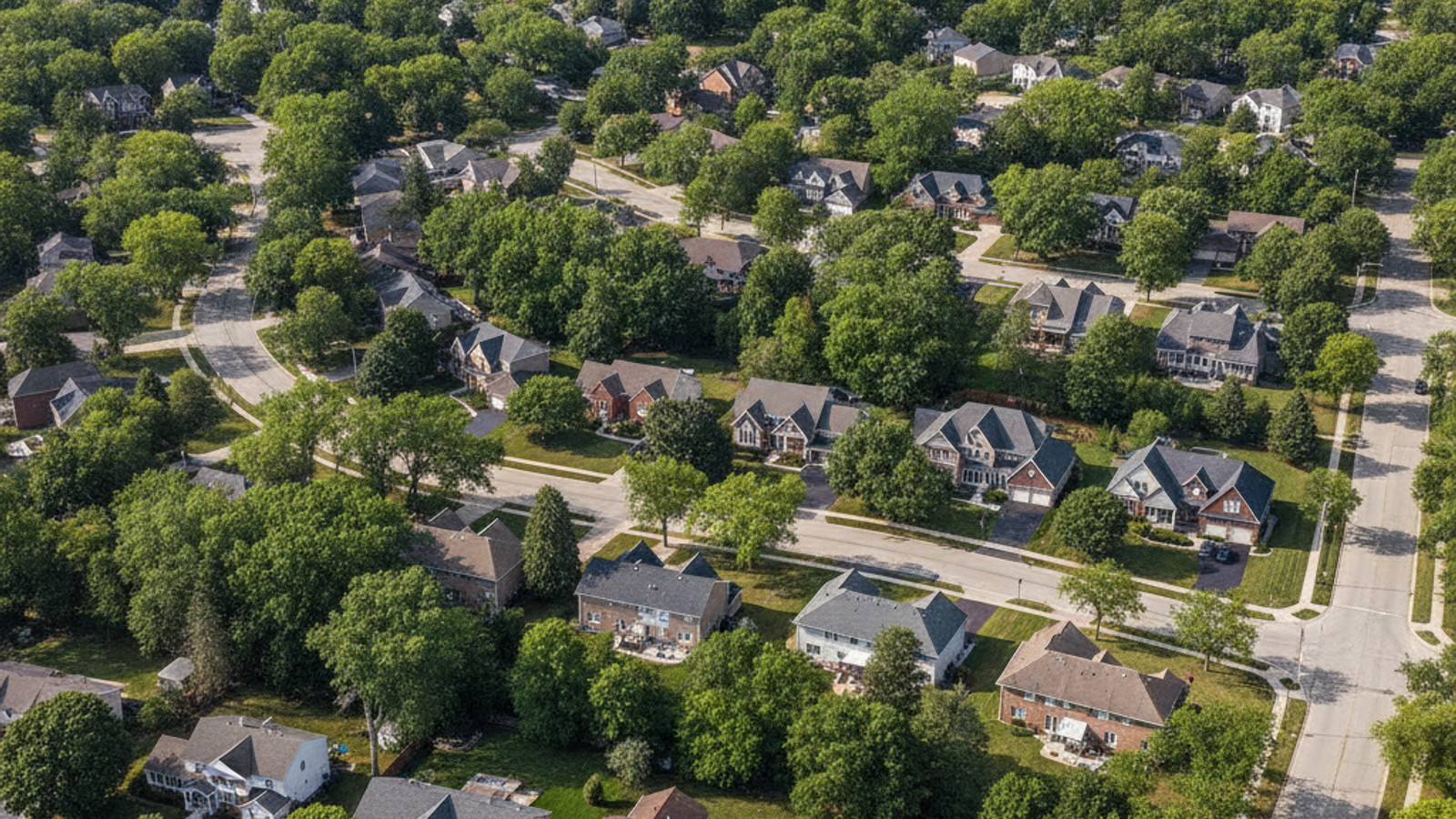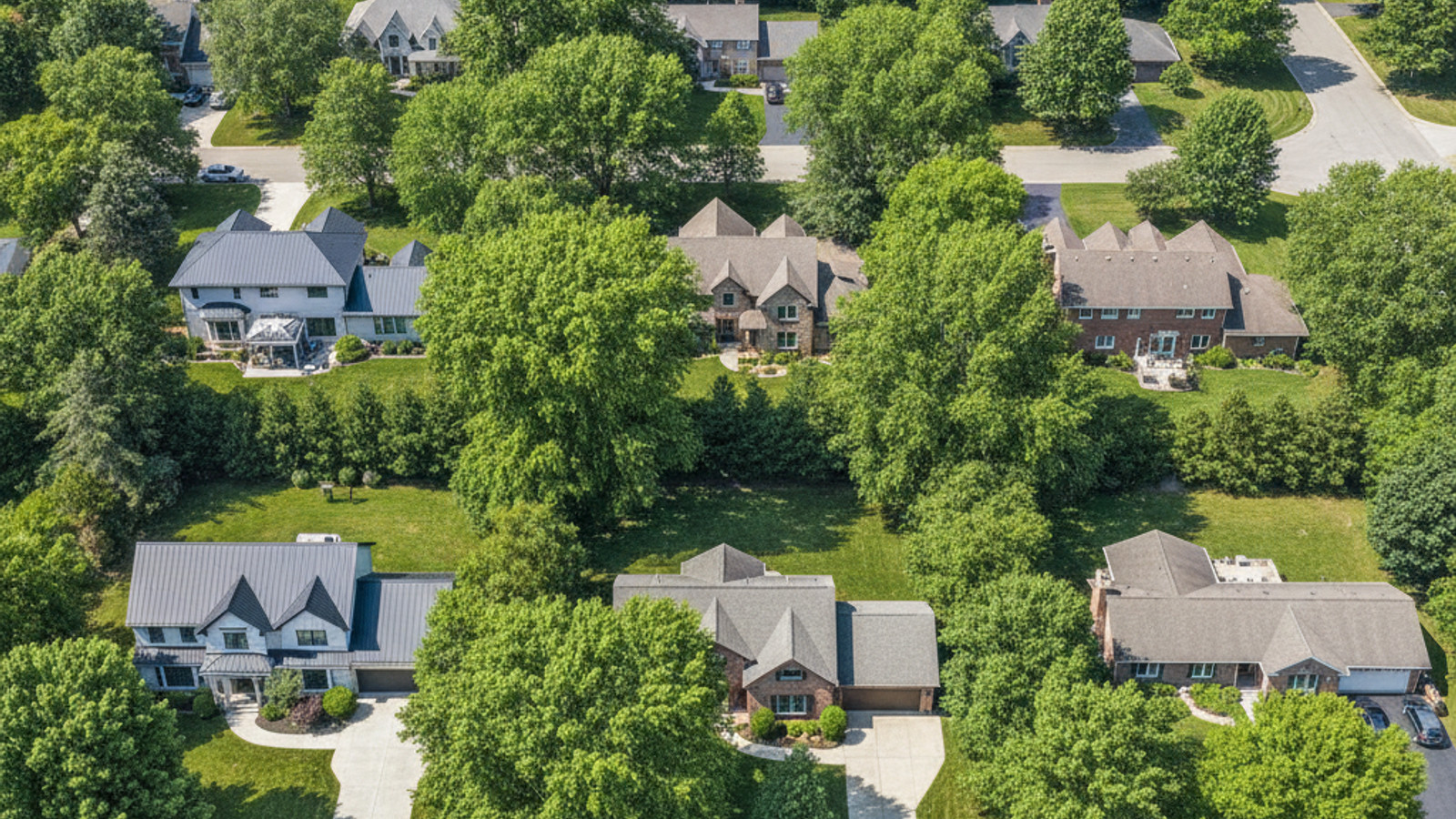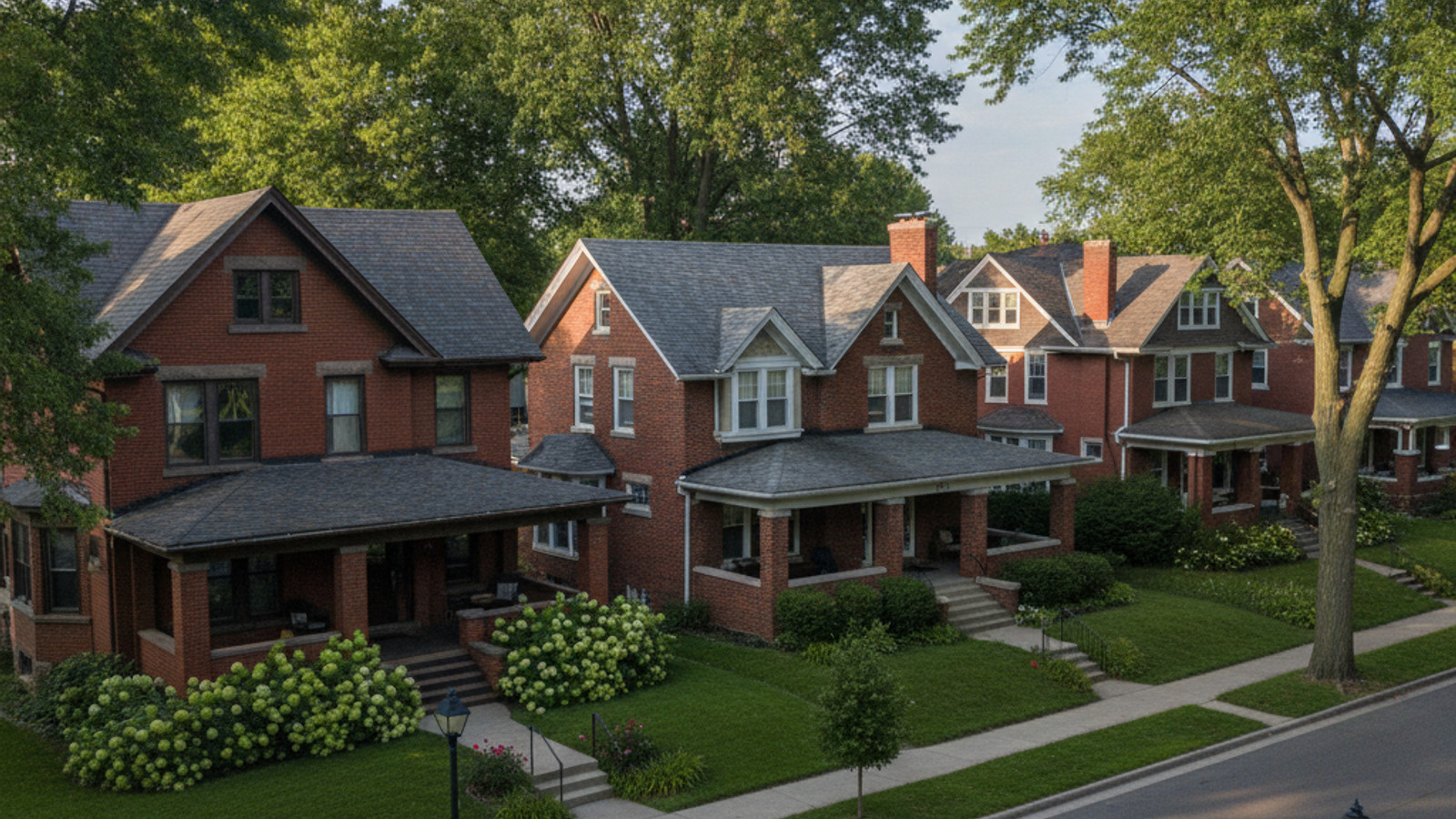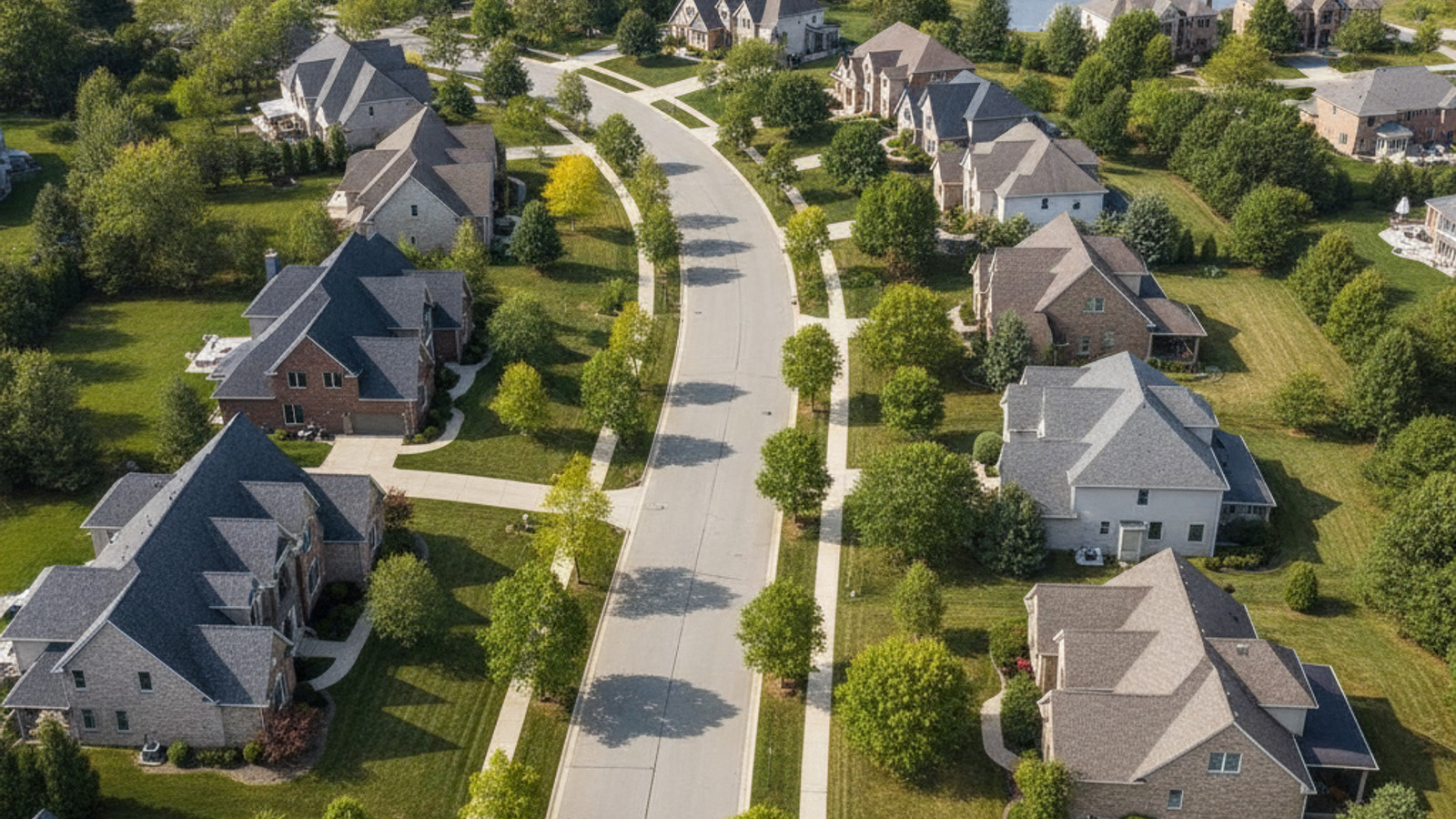
The median listing price in Oakland Township, MI sits around $899,500 this spring, with sale prices regularly topping $740,000. Buyers looking in this area expect a premium product, and they are willing to pay for homes that meet their standards.
Preparing a property for the market requires knowing exactly which updates buyers care about right now. Homeowners planning to list their property should focus on improvements that offer a direct return on investment rather than purely cosmetic changes.
Oakland Township Real Estate Market Trends in 2026
Homes in Oakland Township, MI currently spend an average of 33 to 41 days on the market before going under contract. This pace reflects steady buyer demand, but it also shows that buyers take their time to evaluate luxury listings.
When comparing the local real estate market to nearby areas like Rochester Hills, MI or Birmingham, MI, the price points here skew higher due to larger lot sizes and custom builds. The current inventory levels remain relatively low, which keeps the median sale price strong across Oakland County, MI. Sellers who understand these market conditions can position their properties to attract serious offers.
The luxury market in this area requires a specific approach to pricing and presentation. Buyers often compare existing homes to new construction standards found in neighboring communities like Novi, MI or Farmington Hills, MI. A home that feels dated will sit on the market longer, even when overall inventory is tight.
Interior Upgrades That Yield the Best Returns
Kitchens and primary bathrooms dictate the sale price of a home more than any other interior space. Buyers touring a high-end property expect modern fixtures, durable surfaces, and cohesive design throughout these rooms.
Sellers should focus on updates that modernize the space without requiring a full structural remodel. Replacing worn countertops with quartz, updating cabinet hardware, and installing contemporary lighting fixtures can elevate the entire feel of a kitchen. These changes cost a fraction of a total overhaul but provide a strong return when the house goes on the market.
Flooring and paint also play a major role in how buyers perceive a home’s condition. Fresh, neutral paint colors make rooms feel larger and help potential buyers envision their own furniture in the space. Refinishing hardwood floors or replacing outdated carpets with consistent, high-quality materials will increase the final sale price.
When deciding where to allocate a renovation budget, sellers should prioritize the following interior updates:
- Kitchen surfaces: Install quartz or natural stone countertops and update backsplashes.
- Primary bathrooms: Replace dated vanities, upgrade shower enclosures, and improve lighting.
- Flooring consistency: Ensure hard surface flooring flows seamlessly through the main living areas.
- Paint and trim: Apply a fresh coat of neutral paint to walls, ceilings, and baseboards.
Exterior Improvements for Michigan Weather and Acreage
Oakland Township, MI properties frequently feature lot sizes exceeding one acre, making exterior maintenance a major factor in a home’s valuation. Buyers pay close attention to the condition of the roof, windows, and siding during a real estate appraisal.
Michigan winters take a toll on exterior materials, and buyers want to know the home is protected against the elements. Sellers should repair any damaged roof shingles, seal drafty windows, and ensure the gutters function properly. Energy-efficient windows are a major selling point that buyers look for when evaluating long-term maintenance costs.
Landscaping should match the scale of the large property sizes common in the township. Overgrown trees or neglected garden beds can make a massive lot feel like a maintenance burden rather than an asset. Trimming back foliage, defining garden edges, and adding fresh mulch will immediately improve curb appeal.
Outdoor living spaces also add functional square footage to the property. Installing a stamped concrete patio, a composite deck, or a built-in fire pit gives buyers a dedicated space to enjoy the warmer months. These additions often factor into the overall market value of the home.
Highlighting Local Schools and Parks
Homes located within the boundaries of the Rochester Community School District consistently command higher prices than those in adjacent districts. The district holds an A+ rating and ranks among the top five in the Detroit metropolitan area.
Buyers specifically target properties zoned for top-rated facilities like Musson Elementary and Rochester Adams High School. Listing descriptions should prominently feature these school assignments to capture the attention of buyers prioritizing education. Properties in these zones often see shorter days on market and stronger initial offers.
Proximity to local recreation also influences property values across Oakland Township, MI. Nearby amenities like Bear Creek Nature Park offer miles of trails and open green space that appeal to outdoor enthusiasts. Local golf courses and country clubs provide additional leisure options that enhance the prestige of the area.
A real estate agent will highlight these community features during open houses and in marketing materials. Emphasizing the lifestyle benefits of the township helps buyers justify higher price points. The combination of strong schools and expansive parks makes the area a destination for buyers moving within Oakland County, MI.
How Property Taxes and Assessments Impact Your Sale
The effective property tax rate in Oakland Township, MI sits at approximately 0.71%. Buyers factor this ongoing cost into their monthly mortgage calculations when determining how much they can afford to offer.
Michigan homeowners should understand the difference between State Equalized Value, assessed value, and taxable value. The assessed value is generally 50% of the market value, while the taxable value is the figure used to calculate the actual tax bill. The taxable value is capped by the rate of inflation, but it resets to the State Equalized Value when the property changes hands.
This reset means a new buyer will likely pay higher property taxes than the current homeowner. Sellers should anticipate that buyers will adjust their offers to account for this future tax burden. Providing potential buyers with a clear breakdown of current utility costs and maintenance expenses can help offset concerns about rising taxes.
Pricing a home correctly requires a thorough market analysis from a local professional. An agent will review recent sales, current market conditions, and the home’s specific features to recommend a competitive listing price. Overpricing a home based on outdated assessed values will lead to extended days on market and eventual price reductions.
Frequently Asked Questions
What renovations offer the best return on investment for homes in Oakland County, MI?
Kitchen and primary bathroom updates consistently yield the highest returns in this region. Replacing worn countertops with stone and updating fixtures can modernize a space without the expense of a full remodel. Buyers in this market expect move-in ready conditions and will pay a premium for cohesive design.
What is the difference between State Equalized Value and Taxable Value in Michigan?
The State Equalized Value represents half of a property’s estimated market value. The taxable value is the capped amount used to calculate your annual property tax bill. When a home sells, the taxable value resets to match the State Equalized Value, which often increases the new owner’s tax liability.
Should I renovate before selling or sell as-is in Oakland Township?
Sellers should base this decision on their home’s condition compared to recent neighborhood sales. Minor updates like fresh paint and new flooring usually pay off, but major structural changes rarely return their full cost. Homes sold as-is typically attract investors or buyers looking for a discount.
How do I price my home correctly in Oakland Township and how much will I net?
A local agent will run a comparative market analysis using recent sales data from similar properties in your specific subdivision. To calculate your net profit, subtract your remaining mortgage balance, agent commissions, and local transfer taxes from the projected sale price. Pricing accurately from day one generates the strongest offers.