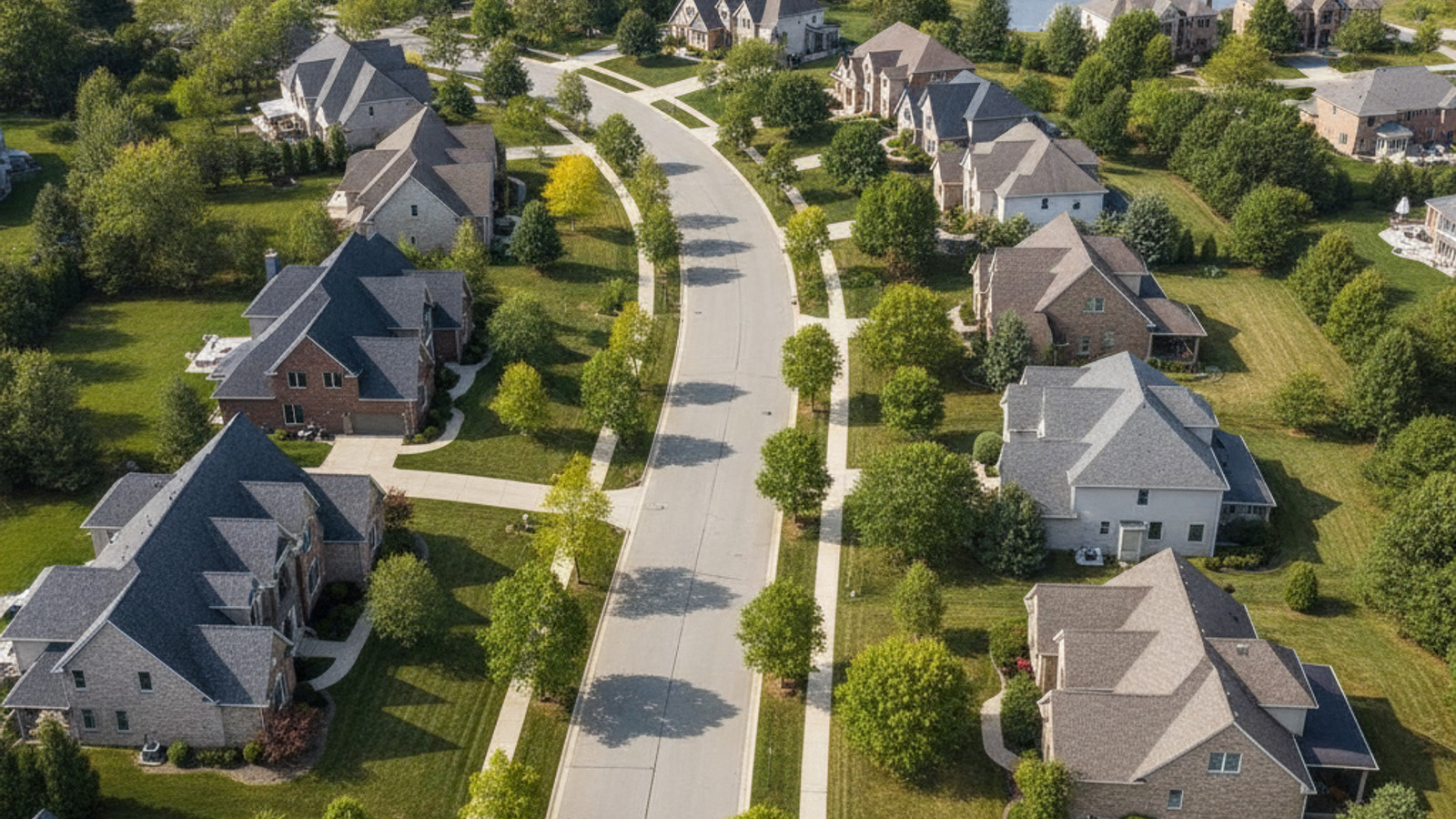
The median sale price for homes in the 48363 zip code sits around $993,000 as of spring 2026. This price point reflects a steady demand for the large lots and custom estates that define the area. Buyers continue to actively pursue well-maintained properties, keeping available listings relatively low compared to previous decades.
Whether you are preparing to list a house or reviewing your latest tax bill, knowing how local pricing works is helpful. The figures on your assessment notice differ from what a buyer will pay on the open market. A clear look at recent sales data and local tax rules will help you make informed decisions about your real estate investments.
Current Market Trends and Pricing Data
Homes in the township are currently selling in a median of 33 days. Buyers are acting decisively when properties with updated interiors hit the market, keeping inventory tight throughout the spring season. Properties requiring extensive updates tend to sit on the market longer as buyers factor renovation costs into their offers.
The average price per square foot across recent sales is approximately $221. This number varies based on the specific subdivision and the age of the house. New construction projects typically command a higher price per square foot than older, established homes that require cosmetic updates.
Sellers should review comparable sales from the last three to six months to set realistic asking prices. Buyers looking in the $900,000 to $1 million range should anticipate competition for homes that are move-in ready.
Physical Features That Shape Home Prices
Lot size and total acreage play a massive role in final sale prices here. Properties offering five or more acres carry a premium, especially if the land is cleared and usable for equestrian facilities or outbuildings. Buyers frequently prioritize privacy and mature trees over standard subdivision lots.
Proximity to outdoor recreation also influences demand. Homes located near the Paint Creek Trail or Bald Mountain State Park often see higher interest levels from buyers who want immediate access to hiking and biking paths. Properties backing up to local golf courses command similar premiums.
The type of construction matters just as much as the land itself. Custom-built luxury estates with modern floor plans generally sell for more than older homes with traditional, compartmentalized layouts. Buyers should consider how a property’s age and required maintenance will impact their total budget.
The Role of Rochester Community School Boundaries
The southern two-thirds of Oakland Township fall within the Rochester Community School District boundaries. Properties located inside this attendance zone experience consistent demand from buyers specifically seeking these schools. This localized demand often leads to steady price appreciation over time.
Homes located in the northern section of the township attend different districts, which can alter the buyer pool and the final sale price. Two houses with identical floor plans and acreage may sell for different amounts simply because they sit on opposite sides of a district line.
Buyers should always verify specific property addresses using the official district boundary map before making an offer. Relying on third-party real estate websites for school zone information can lead to expensive mistakes, as these maps are sometimes outdated.
Steps to Determine Your Home’s Worth
Automated online estimates often miss localized data, such as recent transfer of ownership records or township-specific land features. An algorithm cannot see the difference between a usable five-acre parcel and five acres of protected wetlands. For a precise figure, homeowners should look beyond basic internet searches.
A local real estate agent can generate a Comparative Market Analysis using data directly from the MLS. This report pulls recent sales from the immediate area, factoring in similar square footage, acreage, and condition. It provides a realistic estimate of what a buyer would pay today.
Homeowners looking to refinance or settle an estate should hire a licensed real estate appraiser instead of relying on an agent’s market analysis. Appraisers follow specific state guidelines to produce a formal valuation report. Lenders require this formal appraisal before approving any mortgage financing.
Assessed, Appraised, and Market Values Compared
Real estate professionals use distinct terms to describe a property’s worth, and confusing them is a common mistake. Each valuation type serves a specific legal or financial purpose. Understanding these definitions helps homeowners read their tax bills and mortgage documents accurately.
The three main types of valuation include:
- Market Value: The probable selling price a willing buyer would pay to a willing seller on the open market.
- Appraised Value: A formal determination made by a licensed professional, which banks require to ensure the home is worth the loan amount.
- Assessed Value: A figure calculated by the local township assessor, used specifically to determine annual property tax levies.
In Michigan, the State Equalized Value is designed to be half of the property’s true cash value. When property values rise, the State Equalized Value rises alongside them, though tax increases are limited by state law.
How Oakland County Calculates Property Taxes
Oakland Township’s median effective tax rate is approximately 0.71%. The local assessor calculates your annual tax bill by multiplying your property’s taxable value by the local millage rate. While your property’s market value might jump 10% in a year, Proposal A caps how much your taxable value can increase annually.
The taxable value is tied to the inflation rate multiplier or 5%, whichever is lower, until the property is sold. Once a transfer of ownership occurs, the taxable value uncaps and resets to match the current State Equalized Value. This means a new buyer will likely pay higher taxes than the previous owner.
Homeowners must file a Principal Residence Exemption affidavit to claim a lower tax rate on their primary home. The filing deadlines are June 1 for the summer tax levy and November 1 for the winter tax levy. Residents who disagree with their assessment must file an appeal with the March Board of Review before escalating to the Michigan Tax Tribunal.
Frequently Asked Questions
How are property taxes calculated in Oakland Township, Michigan?
Your tax bill is determined by multiplying your home’s taxable value by the local millage rate. The township collects these funds to support local services, county operations, and public schools. The exact rate varies slightly depending on which school district your home is located in.
What is the difference between Assessed Value and Taxable Value?
Assessed value represents 50% of what the local assessor believes your home is worth on the open market. Taxable value is the capped number used to calculate your tax bill. Thanks to Michigan’s Proposal A, your taxable value often stays much lower than your assessed value over time.
When are property taxes due in Oakland Township, Michigan?
The township issues tax bills twice a year, splitting the annual levy into summer and winter payments. Summer taxes are typically due without penalty by mid-September, while winter taxes are due by mid-February. Homeowners with an escrow account will see these payments handled automatically by their mortgage servicer.
Why isn’t my assessment exactly half of my purchase price?
Assessors use mass appraisal techniques looking at neighborhood trends over a multi-year period, rather than matching individual sale prices. If you bought your home for $900,000, your State Equalized Value will not automatically become $450,000 the next day. The assessment process smooths out short-term market spikes.