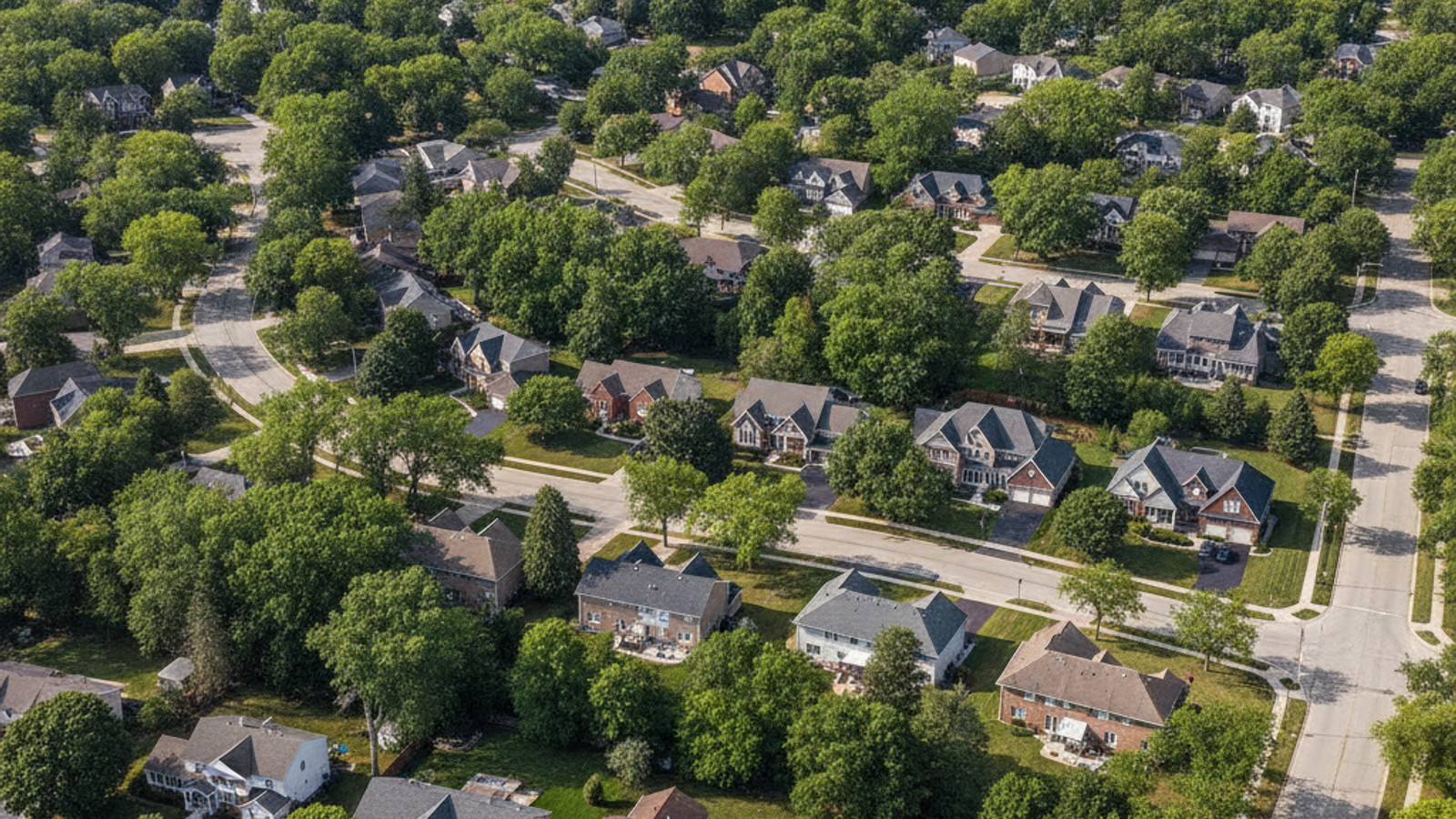
The median home price in Auburn Hills, MI sits between $254,000 and $285,000 as of May 2026. Properties are moving quickly, with most listings going under contract in 13 to 22 days.
Understanding property valuation in Auburn Hills, MI requires looking at local market data and county tax records. Sellers who price their homes based on current transaction data tend to attract more buyers and avoid prolonged listing periods.
Current Home Values in Auburn Hills
The local housing market features a mix of entry-level condominiums and larger detached houses. Condominiums near the city center often appeal to buyers seeking low-maintenance properties, while detached homes with larger lots draw a different segment of the market.
Pricing a home correctly involves reviewing recent sales of similar property types within the same neighborhood. An entry-level condo will have a very different buyer pool and pricing strategy compared to a four-bedroom house.
Homes priced accurately from the start are currently averaging just under three weeks on the market. Sellers should review the latest Multiple Listing Service data to see what comparable properties have sold for in the past 90 days.
What Drives Home Prices Locally
Proximity to major employment hubs plays a major role in what buyers are willing to pay. Auburn Hills, MI is home to large corporate campuses for companies like Stellantis and BorgWarner.
Homes located within a short commute of these facilities often see higher demand. Access to major transit routes, specifically I-75 and M-59, also adds convenience that buyers factor into their offers.
Beyond location, the physical condition of the property dictates its final sale price. Buyers pay close attention to recent updates, roof age, and overall maintenance.
When evaluating a property, appraisers and buyers look at specific features:
- Commute times: Easy access to I-75 or M-59 reduces daily driving times to neighboring cities.
- Nearby institutions: Proximity to Oakland University creates consistent demand for nearby housing.
- Interior condition: Fresh paint, updated flooring, and professional staging can increase the final sale price.
How County Assessments and Taxes Work
Oakland County property owners pay a real estate transfer tax at closing when selling a home. The current rate is $8.60 per $1,000 of the sale price, which breaks down to $7.50 for the state and $1.10 for the county.
Michigan law distinguishes between a property’s assessed value, taxable value, and market value. Market value is what a buyer will pay, while the assessed value is determined by the local assessor and represents roughly half of the expected market value.
Local millages also impact the overall cost of ownership. For example, the proposed August 2026 Auburn Hills Fire Millage and the Oakland County Enhancement Millage represent potential changes to upcoming property tax bills. Buyers review these tax costs when calculating their monthly payments.
Finding Your Home’s True Worth
Automated online estimates rely on public records and broad algorithms, which often miss recent interior updates or specific neighborhood nuances. These digital tools provide a rough baseline but cannot replace an in-person evaluation.
A real estate agent or appraiser conducts a comparative market analysis by walking through the property. They note the condition of the HVAC system, the quality of the finishes, and any deferred maintenance.
Sellers should request a valuation report based on current Multiple Listing Service data. This report compares the home to similar properties that have sold recently, providing a realistic price range for the current market.
Lowering Your Tax Burden With the Residence Exemption
The Michigan Principal Residence Exemption allows homeowners to exempt their primary home from the tax levied by a local school district for operating purposes. This exemption can lower the local school tax portion of a property tax bill by up to 18 mills.
To qualify, the owner must occupy the property as their primary residence. Investment properties, second homes, and commercial buildings do not qualify for this tax reduction.
Homeowners must file the Principal Residence Exemption Affidavit, known as Form 2368, with the city assessor’s office. Filing this paperwork correctly ensures the property’s taxable value reflects the primary residence status for the upcoming tax year.
Frequently Asked Questions
Appraised vs. Market Value: What’s the Difference?
Market value is the price a buyer and seller agree upon during a real estate transaction. Appraised value is a professional appraiser’s calculation of what the home is worth, usually ordered by a lender to ensure the loan amount is justified. If a buyer offers $285,000 but the home appraises for $270,000, the lender will base the loan on the lower number.
What is the process for appealing my property assessment in Auburn Hills?
Homeowners must first review their annual assessment notice mailed in February. If you disagree with the valuation, you can schedule an appointment to appeal to the Auburn Hills Board of Review, which meets every March. Bring evidence like a recent appraisal or sales data for comparable homes to support your case.
How can my Taxable Value go up when my Assessed value stays the same or goes down?
Under Michigan’s Proposal A, a property’s taxable value is capped and can only increase by 5% or the rate of inflation, whichever is less, until the property is sold. If your assessed value drops but remains higher than your capped taxable value, the taxable value will still increase by the inflation rate for that year. This is why tax bills can rise even in a flat or declining market.