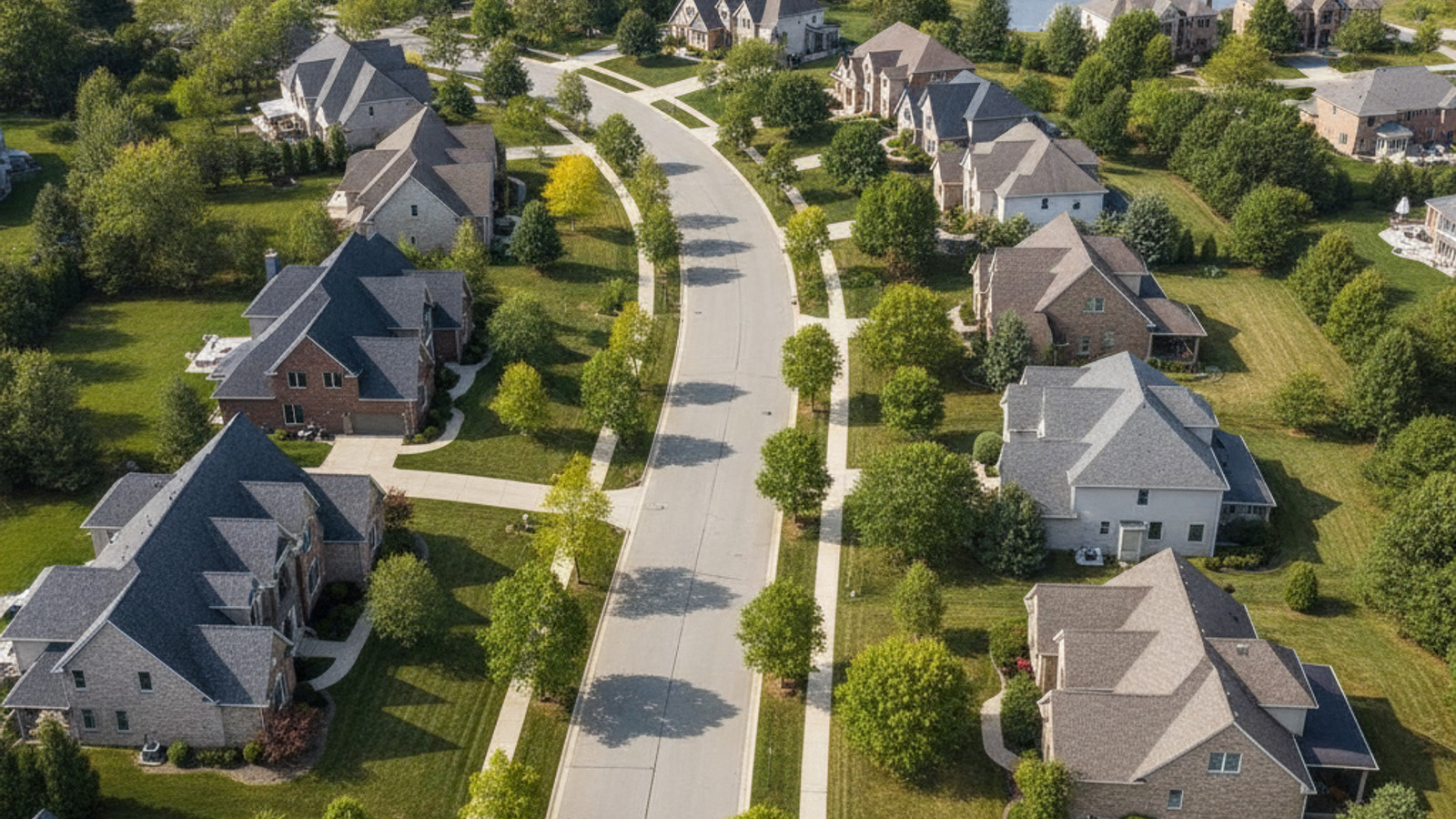
Buyers exploring the Oakland County real estate market quickly realize that property assessments play a major role in monthly carrying costs. When looking at properties in this area, understanding the structure of these dues is a critical step in the budgeting process. The local market features everything from dense commercial corridors to sprawling, established subdivisions, each with its own approach to community management.
Figuring out exactly what these monthly or annual payments cover can make or break a real estate investment. A high monthly payment might actually save money if it covers major exterior repairs, while a low annual fee usually leaves the homeowner responsible for everything. This guide breaks down the true cost of association management in the area and highlights recent legislative changes affecting buyers this year.
Understanding HOA Fees in Troy, MI
The local housing inventory offers a wide variety of neighborhood styles, which means homeowners association dues vary significantly based on property type and location. Buyers will find everything from amenity-rich complexes near Big Beaver Road to quiet pockets of single-family homes tucked away under mature oak canopies. Each of these community types requires a different level of financial commitment from its residents.
Evaluating what the budget covers is just as important as the sticker price of the monthly cost. A seemingly high assessment often funds a robust preventative maintenance program that protects the long-term value of the shared architecture. Buyers should always ask to see the reserve fund balance, as a well-funded association rarely needs to hit residents with unexpected special assessments.
Average Costs: Condos vs. Single-Family Homes
Newer townhomes and condos in the area typically charge between $265 and $385 per month. These higher monthly assessments reflect the extensive exterior maintenance and shared utilities required to run a dense residential complex. Association management companies set these rates by carefully projecting the community budget for the upcoming year.
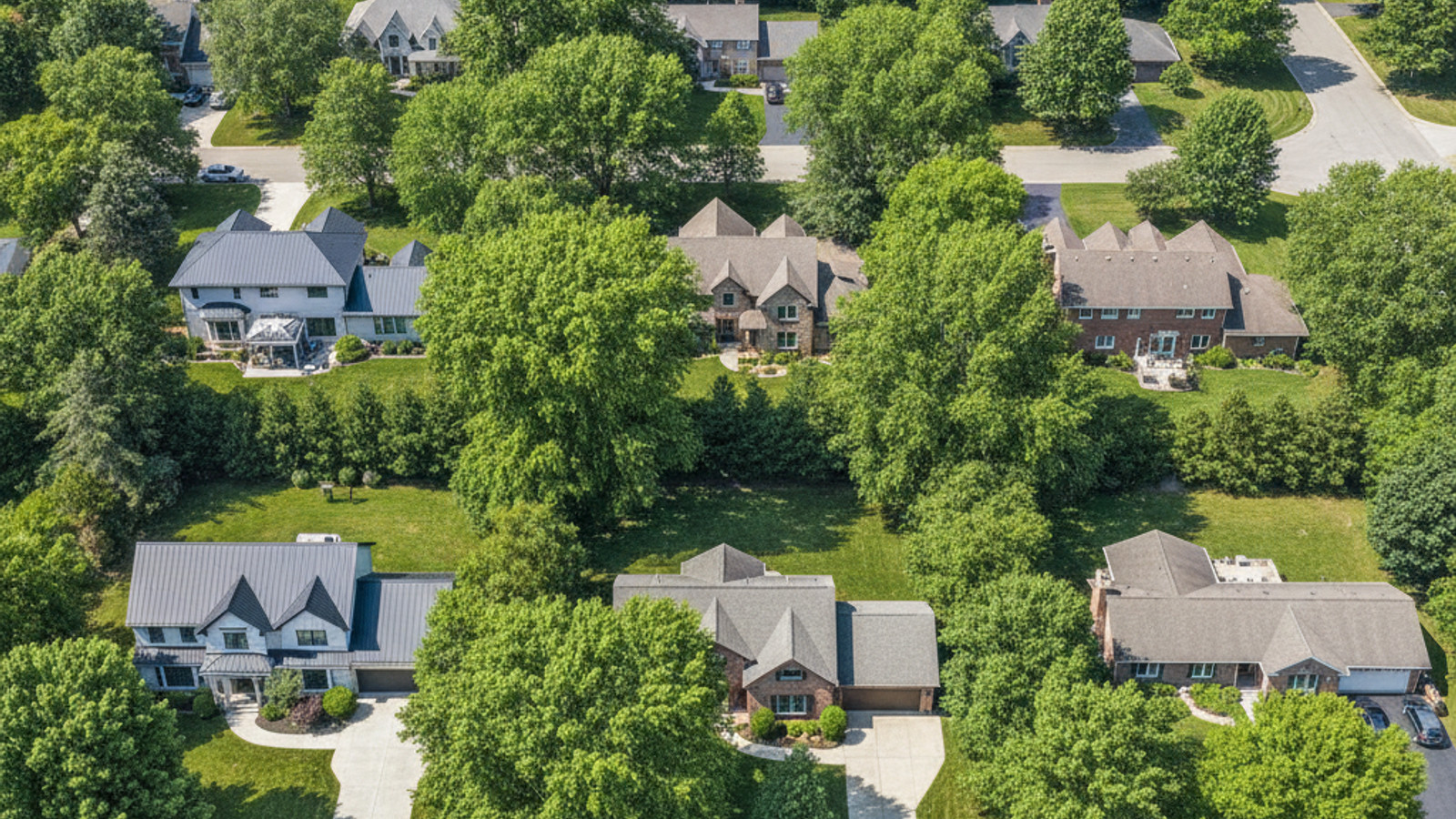
Single-family home subdivisions operate on a completely different financial model. These neighborhoods often charge lower annual fees, sometimes as little as $150 to $300 a year, rather than collecting high monthly dues. The lower cost reflects the fact that individual homeowners remain fully responsible for their own roof, siding, and landscaping.
What Do Troy HOA Dues Actually Cover?
The services included in a typical assessment depend entirely on the specific master deed and bylaws of the neighborhood. In attached housing developments, dues generally fund a preventative maintenance program for critical exterior features like roofs, siding, and foundational concrete. This shared maintenance approach prevents individual properties from falling into disrepair and dragging down surrounding home values.
Routine upkeep makes up a large portion of the standard monthly budget for most managed communities. Standard services typically include professional snow removal, seasonal landscaping, yard waste processing, and curbside trash collection. Some condo fees may even roll in the cost of municipal water or natural gas, whereas single-family subdivisions strictly use their funds to maintain common areas like entrance signs.
Community Amenities and Recreation
Many buyers actively seek out managed neighborhoods specifically for the lifestyle benefits and shared facilities funded by the residents. High-end neighborhoods with superb amenities will naturally require higher assessments to keep everything in pristine condition. These premium community features often include:
- Access to shared swimming pools and dedicated clubhouses.
- Outdoor recreation spaces like private tennis courts and paved walking paths.
- Specialized additions like a neighborhood dog park or shaded picnic areas.
Having these facilities steps from your front door offers excellent convenience, provided you actually use them. Paying a premium for a pool you never visit is a quick way to waste your housing budget.
Types of HOA Communities in Troy
Dense, amenity-rich condo and townhome communities are heavily concentrated near the Big Beaver Road commercial corridor. These locations offer incredible proximity to upscale dining and shopping, but they come with strict architectural controls and higher monthly carrying costs. Living in these vibrant hubs means accepting a more regulated environment in exchange for a maintenance-free exterior.
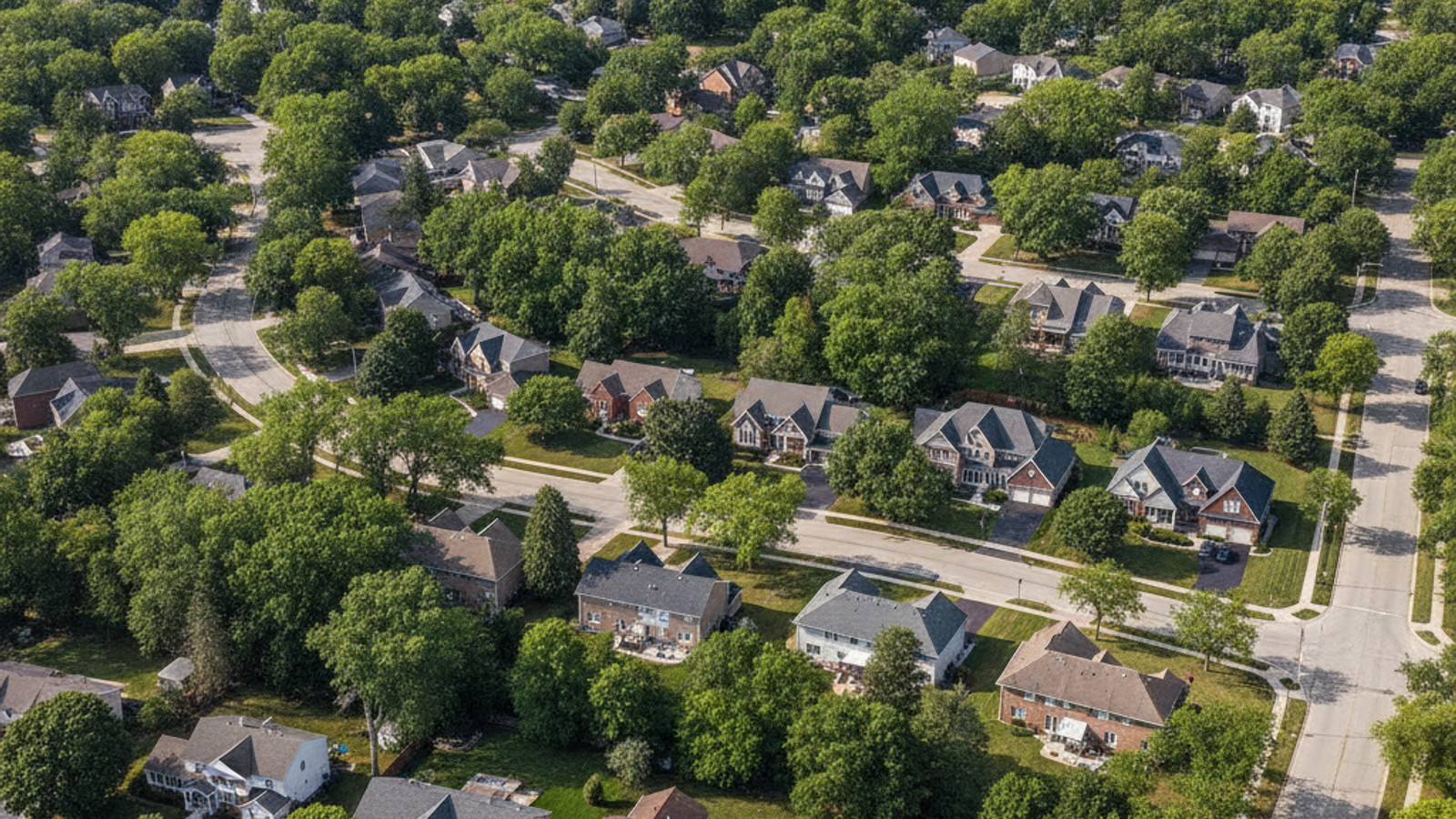
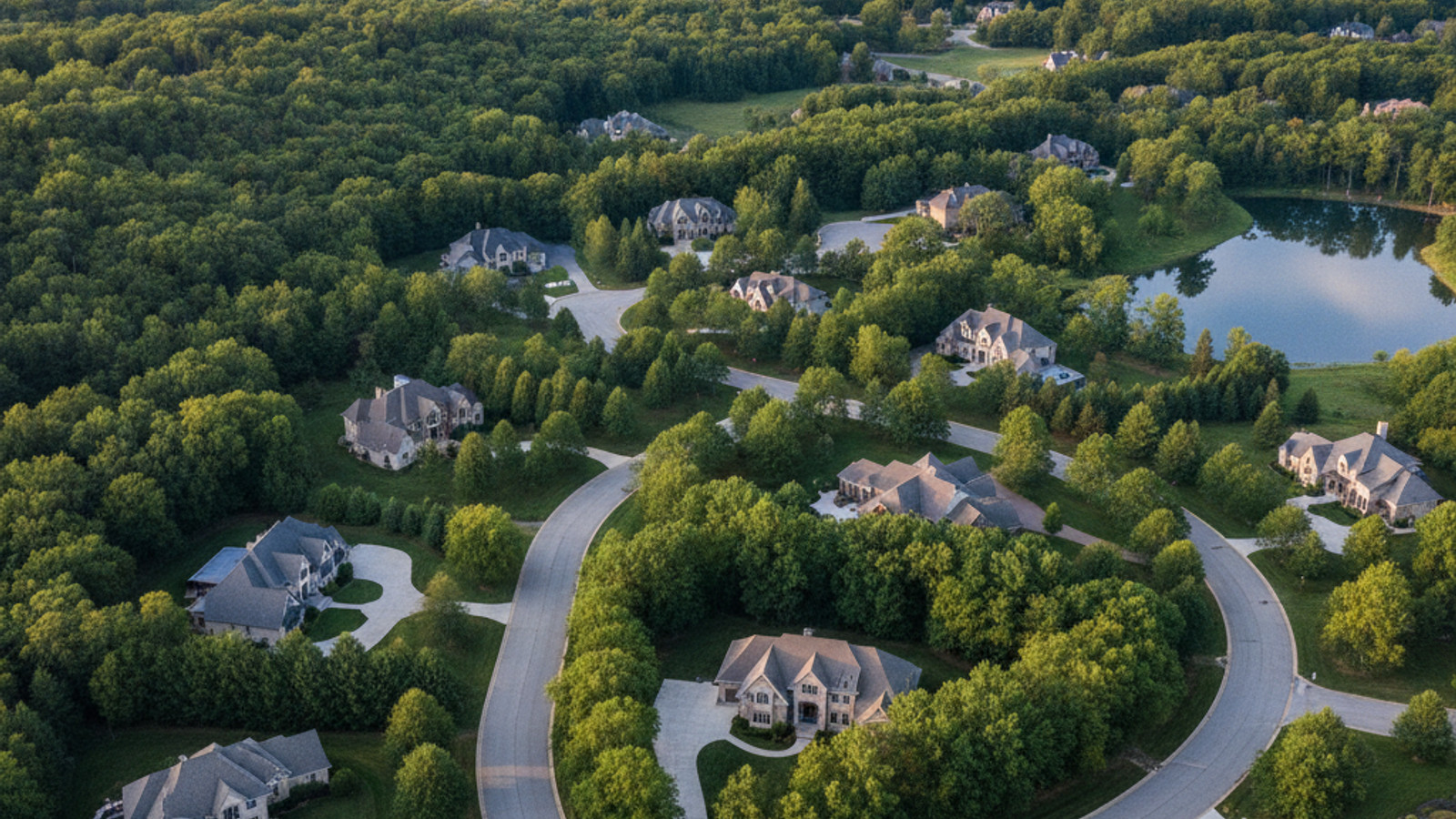
Contrast these urban-style developments with the established single-family subdivisions found throughout the rest of the city. These traditional neighborhoods feature minimal shared infrastructure, which keeps the annual dues collection remarkably low. Residents here enjoy far more autonomy over their property, though they must handle their own yard work and exterior repairs.
Buyers must review the board of directors’ master deed and bylaws during the inspection period to ensure the community aligns with their preferences. A neighborhood that heavily restricts paint colors or limits garage sale weekends might frustrate an independent-minded homeowner. Reading the fine print prevents costly buyer’s remorse down the road.
2026 Michigan HOA Laws: What Buyers Must Know
Critical updates to state legislation are directly impacting homeowners associations across Oakland County this year. The Michigan Homeowners Energy Policy Act recently went into effect, fundamentally changing how neighborhood boards regulate exterior modifications. This law represents a major win for property owners looking to reduce their utility bills through renewable energy.
As of April 1, 2026, all HOAs operating in the state must have a written solar energy policy formally adopted into their bylaws. Boards can no longer outright ban residents from installing solar panels or other specific energy-saving improvements on their properties. They may still dictate the aesthetic placement of the panels, but the days of blanket prohibitions are officially over.
Buyers touring properties this season should ask to see the specific solar guidelines for any subdivision they consider. Neighborhoods that drag their feet on compliance may face legal challenges, which can drain the community budget. Purchasing in a proactively managed development is always the safer financial bet.
Evaluating Troy’s Cost of Living Beyond the HOA
Association dues are just one piece of the puzzle when calculating the overall cost of living in this part of Oakland County. The local housing costs are supported by the city’s strong economic fundamentals and excellent proximity to major corporate employers. Commuters highly value the area because the immediate access to I-75 keeps drive times to downtown Detroit or Auburn Hills highly manageable.
Buyers who prefer to avoid high association fees entirely have plenty of excellent municipal alternatives available. The city maintains fantastic public amenities, such as the expansive sports fields at Boulan Park and the massive Troy Community Center. These public facilities provide top-tier recreational options without the need to pay private neighborhood assessments.
Ultimately, choosing a property here comes down to balancing private convenience against public access. Skipping the neighborhood pool in favor of the municipal aquatic center can save thousands of dollars over the lifespan of a mortgage. Every buyer must weigh these carrying costs against their daily lifestyle needs.
Frequently Asked Questions
How can I find the exact HOA fees for a property in Troy, MI?
The most accurate way to verify current assessments is by reviewing the seller’s property disclosures or having your agent pull the MLS data. You should also request the official resale package from the association management company before closing. This packet confirms the exact monthly cost, which currently averages around $325 for local condos, and reveals any pending special assessments.
What is the average HOA fee in Michigan compared to Troy?
The statewide average for condo assessments hovers around $250 to $300 per month, depending heavily on the region and building age. Troy tends to sit slightly above this state average due to its strong property values and the premium amenities found in Oakland County developments. Single-family home subdivisions across the state generally align with local trends, charging minor annual fees for basic entrance maintenance.
Can my Troy HOA ban solar panels in 2026?
No, neighborhood boards can no longer enforce blanket bans on solar installations. Under the Michigan Homeowners Energy Policy Act, every association was required to adopt a compliant, written solar policy by April 1, 2026. Boards retain the right to regulate the placement and aesthetic profile of the panels, but they cannot prohibit them entirely.