Buyers looking at the northern suburbs of Metro Detroit often find themselves weighing two distinct geographic options. Choosing between Rochester Hills and Sterling Heights means deciding between two different styles of suburban living, each with its own pricing structures and daily logistics. The boundary line separating Oakland County and Macomb County creates a natural dividing point for these two highly active real estate markets.
Both cities offer robust housing markets, expansive park systems, and access to major employment centers across Michigan. Deciding whether living in Sterling Heights or Rochester Hills is right for you ultimately comes down to your budget, commute preferences, and daily lifestyle needs.
The 2026 real estate market requires buyers to clearly understand the financial carrying costs associated with each municipality before scheduling property tours.
Relocating buyers often start their search with a broad map of the metropolitan area. Narrowing down the focus to these two specific suburbs allows for a much more targeted approach to attending open houses and scheduling private showings. Understanding the nuances of each local market will help you write a stronger, more competitive offer when the right property finally appears.
Metro Detroit continues to see strong demand for suburban properties that offer a balance of square footage and municipal services. Investors and primary homebuyers alike monitor these two cities closely due to their consistent historical property appreciation.
Housing Market and Cost of Living Comparison
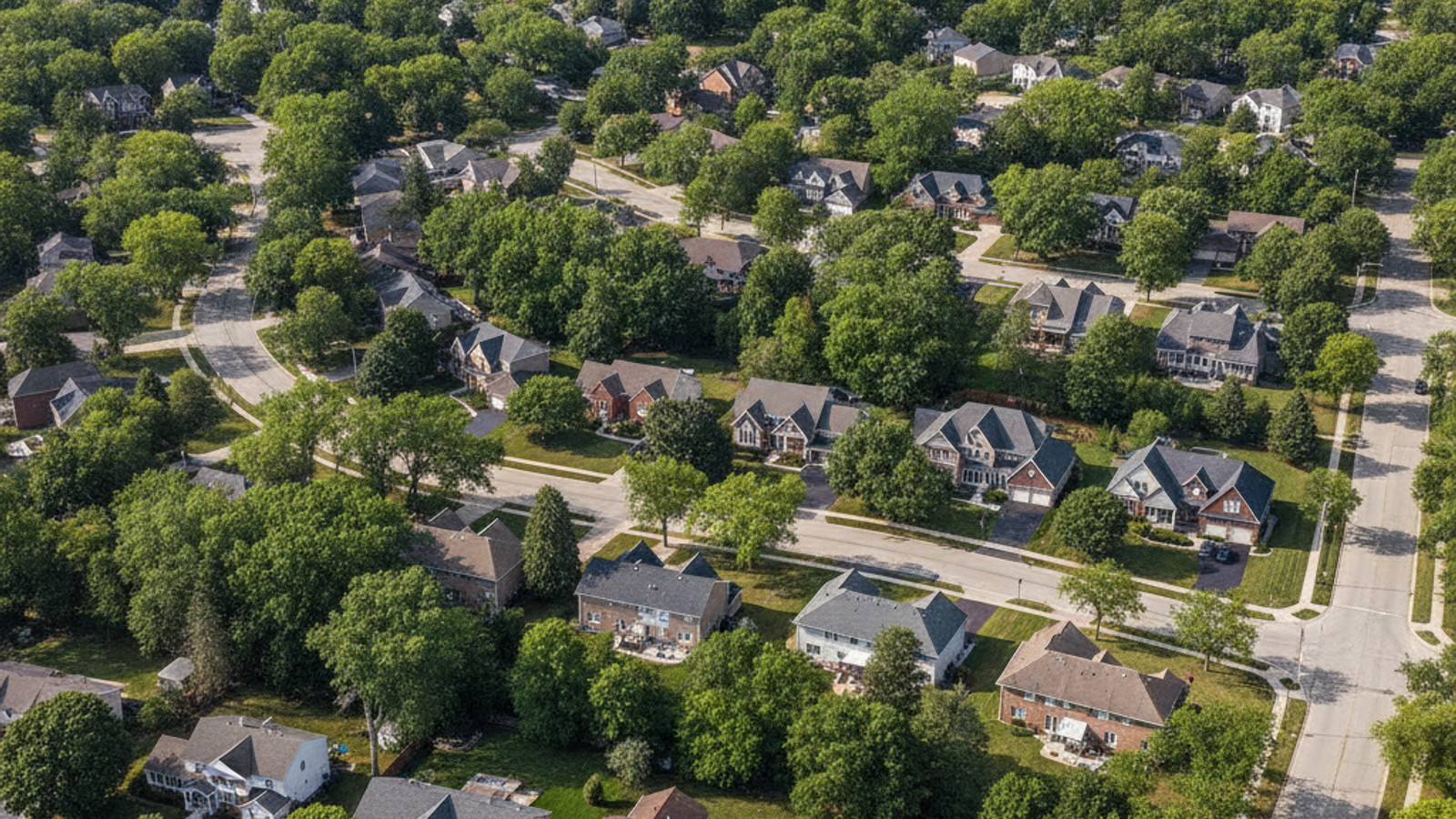
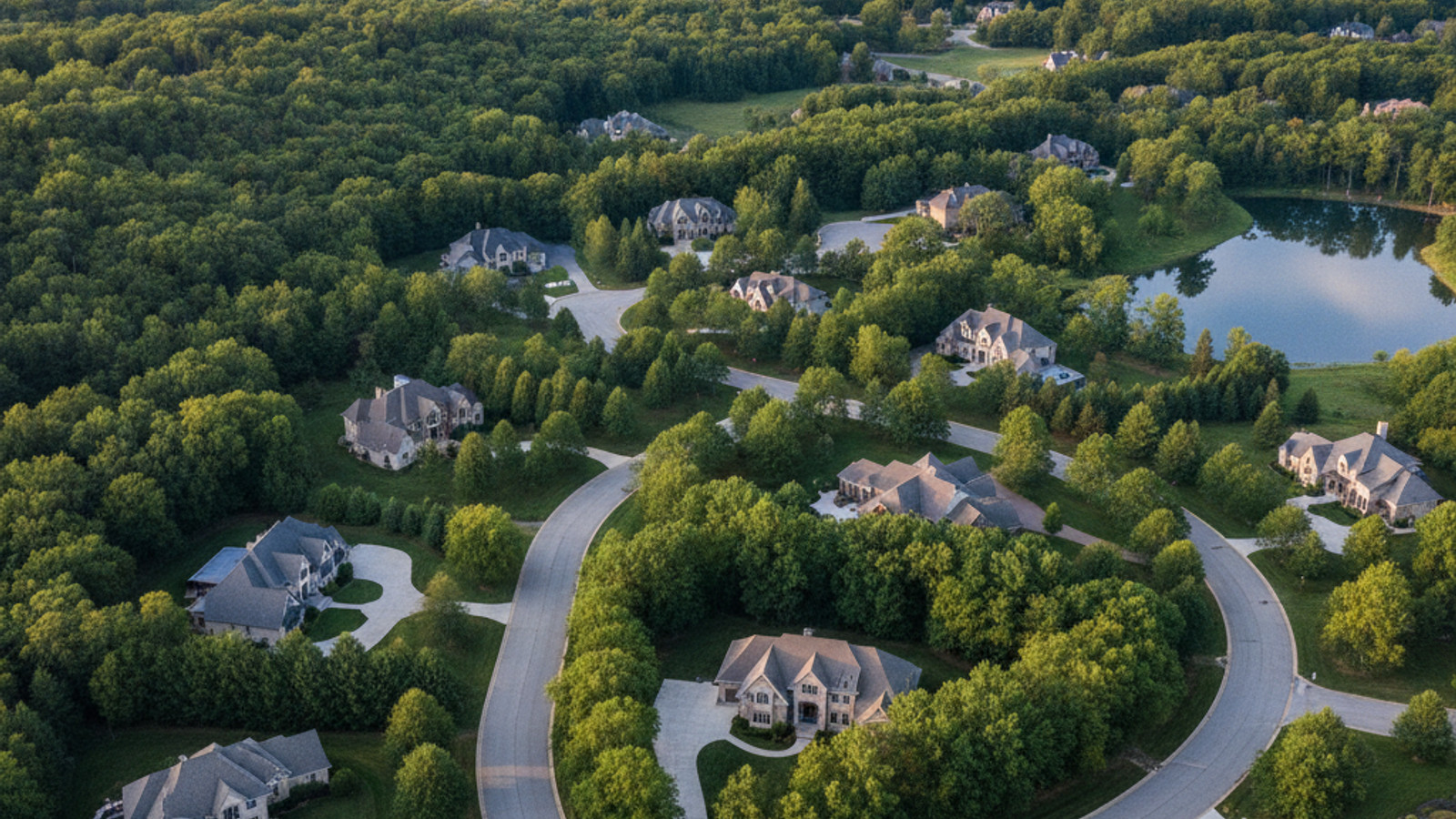
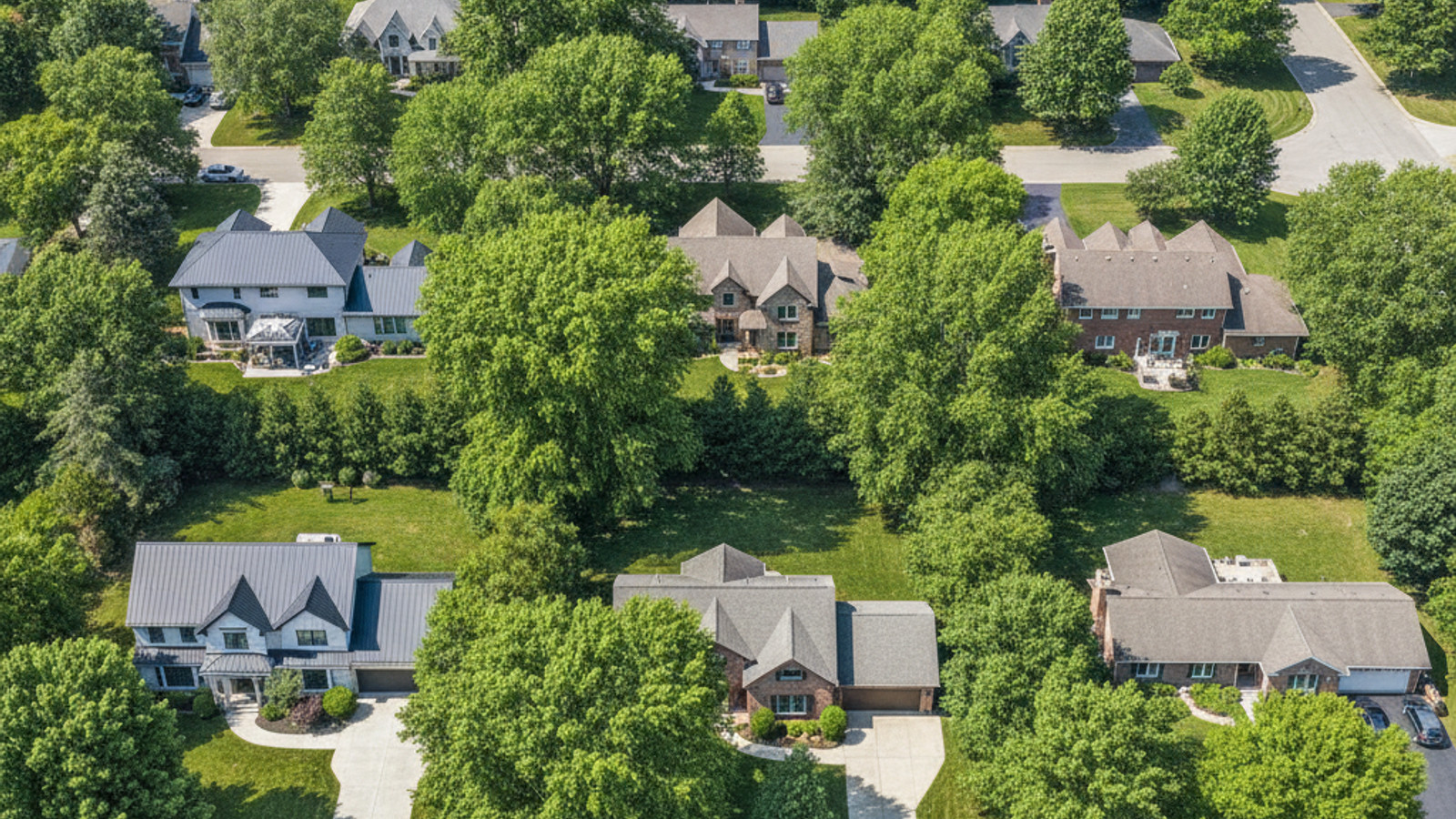
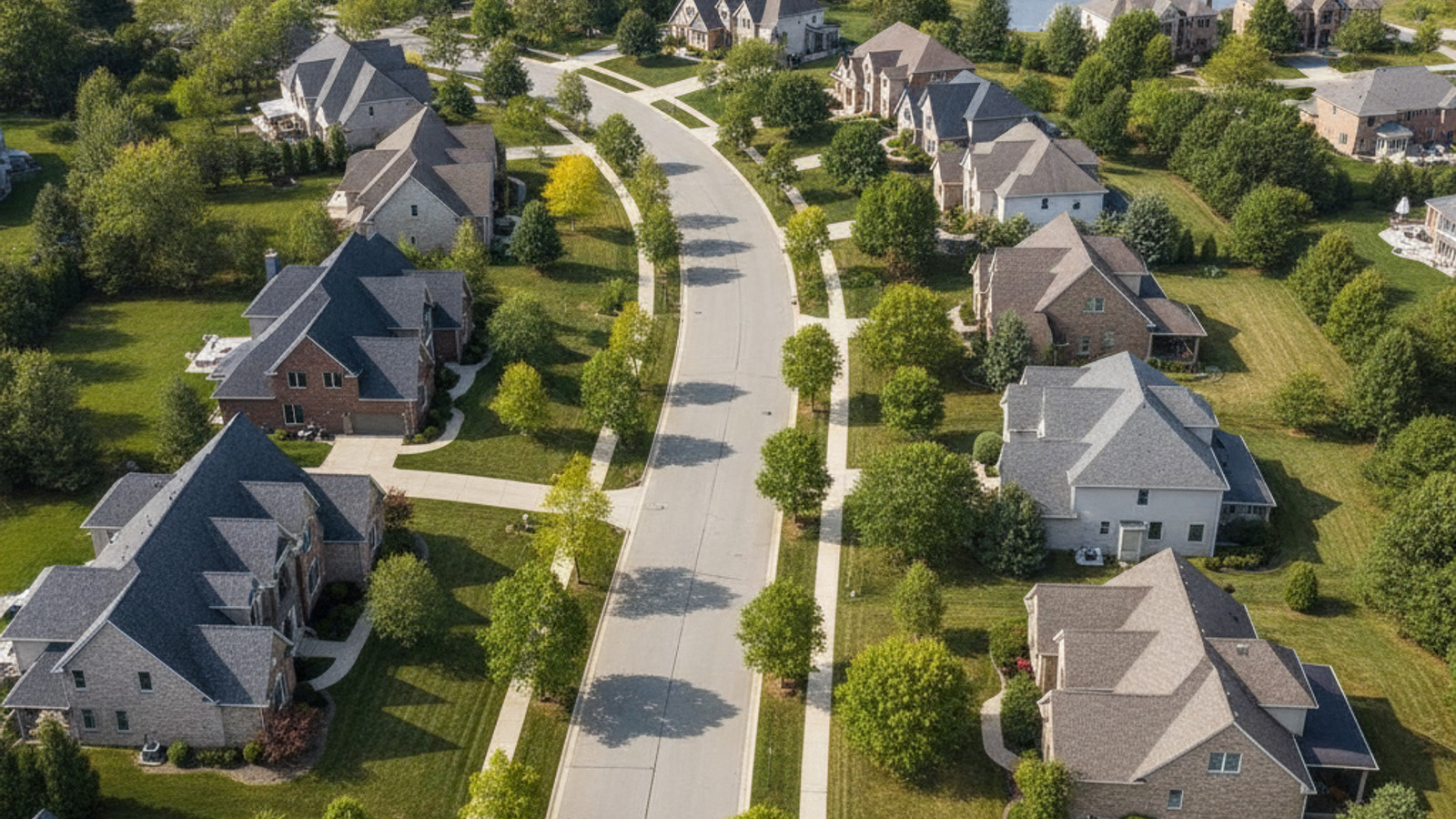
The real estate landscape in these two cities presents a stark contrast in both entry prices and architectural property styles. Rochester Hills operates at a higher price point, frequently featuring larger lots and newer custom builds. Buyers exploring this area will find a high concentration of sprawling colonials built in the 1990s and 2000s, contemporary estates, and properties tucked into heavily wooded subdivisions.
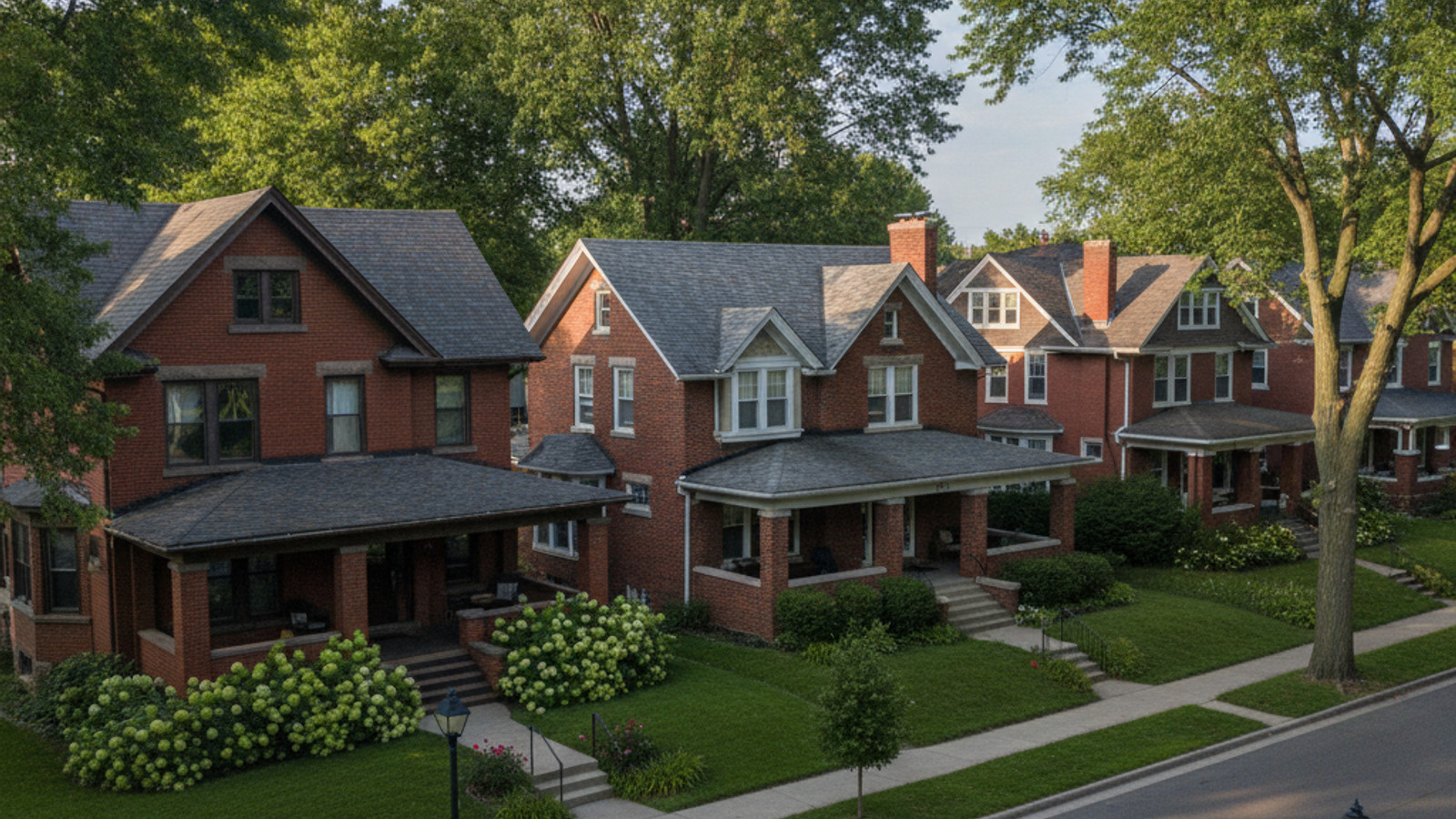
Sterling Heights offers robust inventory for first-time buyers and those seeking classic mid-century brick ranches built throughout the 1970s and 1980s. The housing stock here is generally older but highly functional, providing traditional floor plans on manageable, standard-sized suburban lots.
As of 2026, the median home price in Rochester Hills sits at approximately $453,000. In contrast, the median home price in Sterling Heights is much more accessible at roughly $325,000. This $128,000 gap significantly alters the monthly carrying costs for a buyer looking at homes for sale in Metro Detroit.
Sterling Heights delivers a noticeably lower barrier to entry for buyers looking to maximize their square footage per dollar. Rochester Hills consistently commands a premium for buyers wanting substantial acreage and newer subdivision layouts.
Many properties in Sterling Heights feature finished basements, which effectively doubles the usable living space of a standard ranch home. Rochester Hills properties often feature walk-out basements due to the rolling topography of northern Oakland County.
Property Taxes and HOA Considerations
Beyond the sticker price, buyers must account for the differing tax structures between Macomb County and Oakland County. Effective property tax rates in both municipalities generally range from 1.20% to 1.47%, depending on the specific zip code and school district millage.
Michigan homeowners who occupy their property as a primary residence can claim the Principal Residence Exemption. This exemption significantly lowers the local school operating tax burden for owner-occupants in both cities. Real estate investors purchasing rental properties must calculate their returns using the higher, non-exempt tax rate.
Homeowners associations also play a major role in your monthly budget and property rights. Newer subdivisions in Rochester Hills almost always carry HOA fees to maintain common areas, private roads, and neighborhood entrances.
Sterling Heights features older, non-HOA grid neighborhoods where buyers have more flexibility regarding exterior modifications, outbuildings, and fencing.
Buyers should also remember that state and county transfer taxes will apply during the closing process regardless of which city you choose. Sellers typically cover these transfer taxes, but buyers must still account for local property tax prorations at the closing table.
Rochester Community Schools vs Utica Community Schools
Educational facilities are a major factor driving real estate demand across the northern suburbs of Detroit. Buyers comparing these two cities will primarily look at the boundaries for Rochester Community Schools and Utica Community Schools.
Utica Community Schools is the second-largest district in the state, serving a massive student body of approximately 25,500 students. This scale allows the district to offer highly specialized vocational programs and extensive athletic facilities across multiple campuses. Rochester Community Schools is slightly smaller but remains highly competitive, with a total enrollment of roughly 14,950 students.
Despite the difference in overall scale, both districts maintain an objective student-teacher ratio of approximately 18 to 1. This ensures classroom density remains relatively consistent whether you buy a home in Macomb or Oakland County.
Both districts offer excellent specialty programs, advanced placement tracks, and dedicated arts curriculums. Buyers targeting specific high school boundary lines must always verify the exact property address on the MLS before making an offer. District lines do not perfectly match city borders, meaning a Sterling Heights address could potentially fall into an unexpected school zone.
Local Amenities, Parks, and Shopping
Daily lifestyle amenities look very different depending on which side of Dequindre Road you decide to settle on. Rochester Hills boasts a walkable, historic downtown area filled with boutique shopping and independent dining venues. Residents also frequently utilize The Village of Rochester Hills, an outdoor lifestyle center designed to mimic a traditional downtown shopping experience.
Sterling Heights features dense commercial corridors designed for maximum retail convenience and high-volume vehicle traffic. The Lakeside Mall corridor and the M-59 stretch serve as major commercial hubs. These areas provide residents with immediate access to large big-box stores, grocery centers, and national restaurant chains.
Outdoor recreation is a strong point for both municipalities, anchored by the Clinton River and extensive municipal trail systems. Bloomer Park in Rochester Hills offers rugged elevation changes, unpaved trails, and access to the regional Paint Creek Trail.
Dodge Park in Sterling Heights provides wide paved pathways, a modern splash pad, and a large outdoor amphitheater used for summer concerts.
Rochester Hills leans heavily into outdoor trails and historic downtown walkability for its residents. Sterling Heights maximizes retail convenience and large-scale municipal park features that cater to active community events. Buyers must decide if they prefer the quiet charm of a historic district or the immediate convenience of a major retail corridor.
Commute Times and Transportation Routes
Navigating Metro Detroit requires a clear understanding of the primary transit routes utilized by residents in both cities. Your daily drive will heavily depend on whether you need access to Downtown Detroit or the major automotive hubs in Troy and Warren.
Sterling Heights residents primarily utilize M-53 for a direct route southward into the lower suburbs and the city proper. This highway access typically results in a 30 to 35 minute drive to Downtown Detroit during standard traffic hours. The grid layout of the major mile roads also provides excellent secondary routes when the expressway inevitably backs up.
Rochester Hills relies heavily on M-59 and I-75 for access to northern Oakland County business centers, including the massive corporate corridor along Big Beaver Road in Troy. Commuting from Rochester Hills to Detroit averages 40 to 45 minutes, making it a noticeably longer daily trip.
Sterling Heights offers a more direct, slightly shorter commute to the city center via the M-53 expressway. Rochester Hills is much better positioned for buyers who work along the M-59 corridor or need quick access to the I-75 tech alley.
For travelers, accessing Detroit Metropolitan Wayne County Airport requires a substantial drive from either municipality. Sterling Heights residents generally face a 45-minute drive to the airport, while Rochester Hills residents should plan for nearly an hour.
Frequently Asked Questions
What is the median home price difference between Rochester Hills and Sterling Heights?
As of 2026, the median home price in Rochester Hills is approximately $453,000. Sterling Heights sits lower with a median price of roughly $325,000. This creates a difference of about $128,000, making Sterling Heights the more accessible entry point for buyers.
Which city has a shorter commute to Downtown Detroit?
Sterling Heights offers a shorter commute to Downtown Detroit for daily drivers. Using M-53, residents can typically reach the city center in 30 to 35 minutes. Rochester Hills requires a 40 to 45 minute drive via I-75, adding significant time to a weekly commute.
Are property taxes higher in Oakland County or Macomb County?
Effective tax rates in both counties are actually quite comparable, generally ranging from 1.20% to 1.47%. The exact tax burden depends heavily on the specific local school millage rather than just the county line. However, because home values are higher in Oakland County, the actual dollar amount paid in Rochester Hills is usually higher.